What a Parallel Return Idler Does
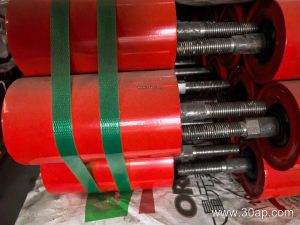
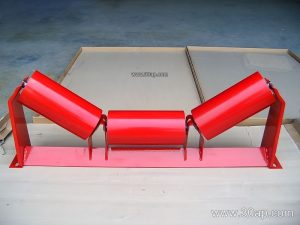
A parallel return idler, also called a flat return roller or plain return idler, is the rotating support placed under the carrying side of a conveyor belt on the return run. Its cylindrical shell runs parallel to the belt path, holding the belt up so it does not sag between pulleys. Unlike a V-shaped return idler or a spiral return roller, the parallel design uses a straight roller with a simple, flat profile. It is one of the most common components in bulk material handling, from a quarry conveyor belt line to a cement plant’s clinker transport and a power plant’s coal handling system.
The main job is straightforward: reduce friction, keep the belt tracking steadily, and protect the belt from dragging on the structure. Because the return run often carries little material, the parallel return idler is built lighter than a troughing idler, yet it still needs reliable bearings and a true-running shell to avoid belt damage over long distances.
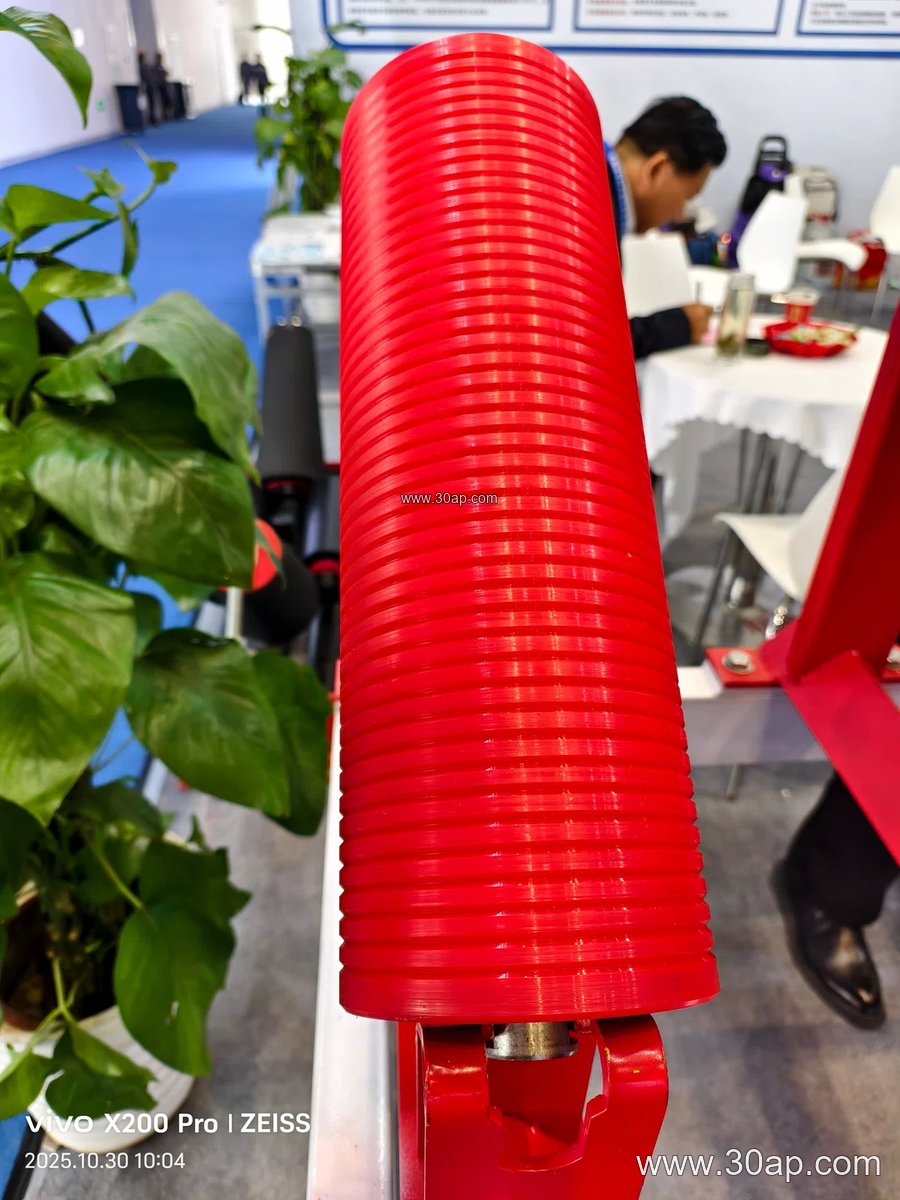
Construction and Common Materials
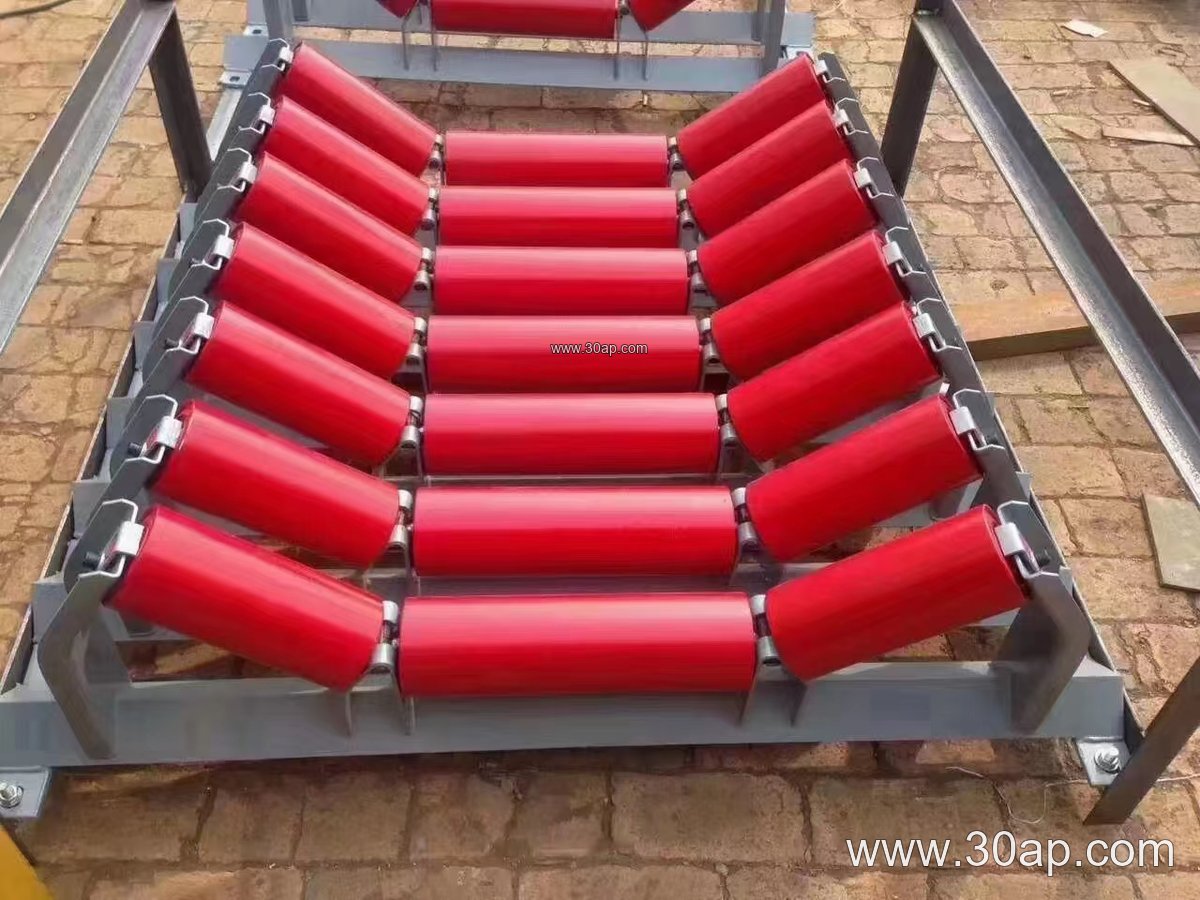
A typical parallel return idler includes a steel tube shell, a shaft, bearing housings, and seals. The shell surface may be plain steel, nylon-coated, or fitted with rubber rings when extra grip or impact damping is useful. Bearing sizes vary with load and roller diameter; common options include 6204, 6205, 6305, 6306, 6308, and 6310, but a given bearing is not tied to one roller diameter. Sealing is critical in dusty environments such as a limestone mine, an iron ore stockyard, or a sand and gravel plant, where fine particles can shorten bearing life.
Roller diameters commonly range from Ø63 mm to Ø219 mm, and the choice depends on belt width, load, and speed. The roller length is set by the belt width and the frame design. For a flat return idler, the roller usually spans close to the belt width, while the support brackets sit outside the belt edge. Common belt widths include B400, B500, B650, B800, B1000, B1200, B1400, B1600, B1800, B2000, B2200, and B2400. These are reference ranges, not fixed rules; a 1200mm wide conveyor belt may use different roller lengths depending on the frame and the gap between brackets.
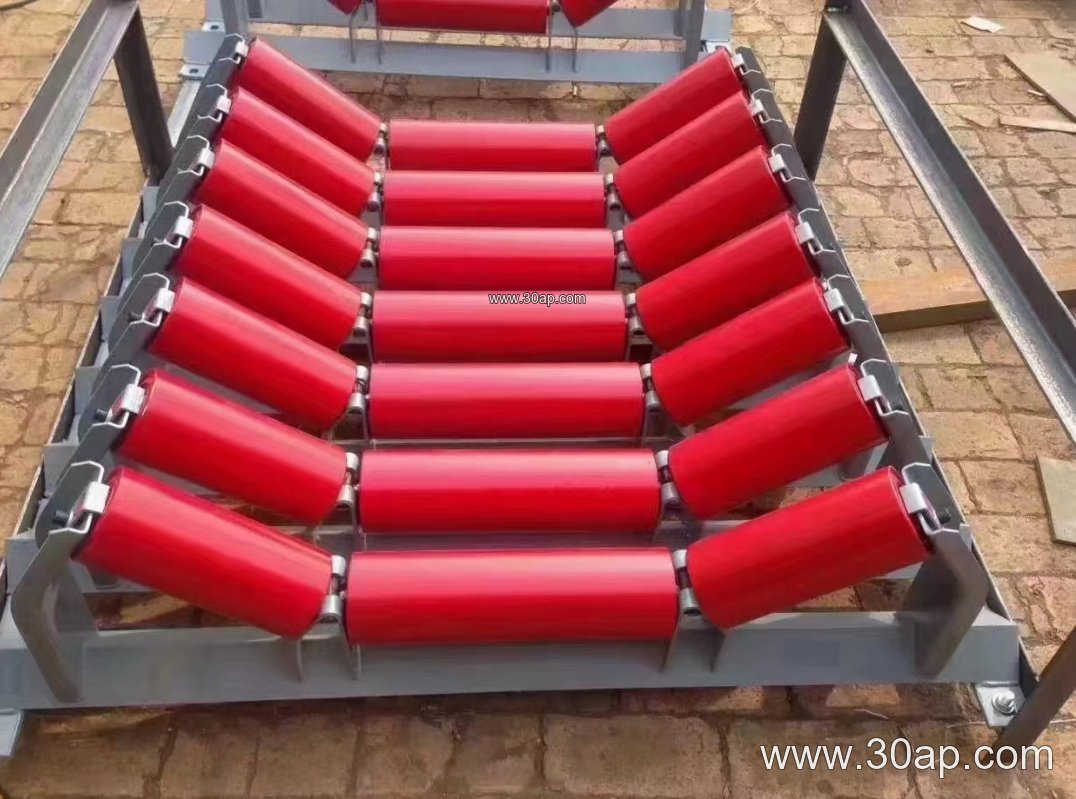
Where It Fits on the Conveyor
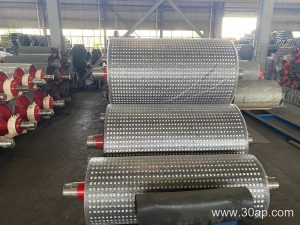
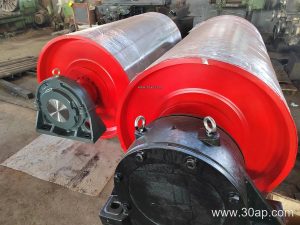
The parallel return idler is installed on the return strand, usually spaced at intervals along the conveyor. It is not a drive pulley, tail pulley, or bend pulley; those are separate components that transmit power or change belt direction. The return idler simply supports the belt. In a typical arrangement, a series of parallel return idlers keeps the belt from sagging between the head and tail, while a conveyor pulley at each end drives and tensions the belt. Conveyor brackets hold the idler shaft in place and allow for adjustment.
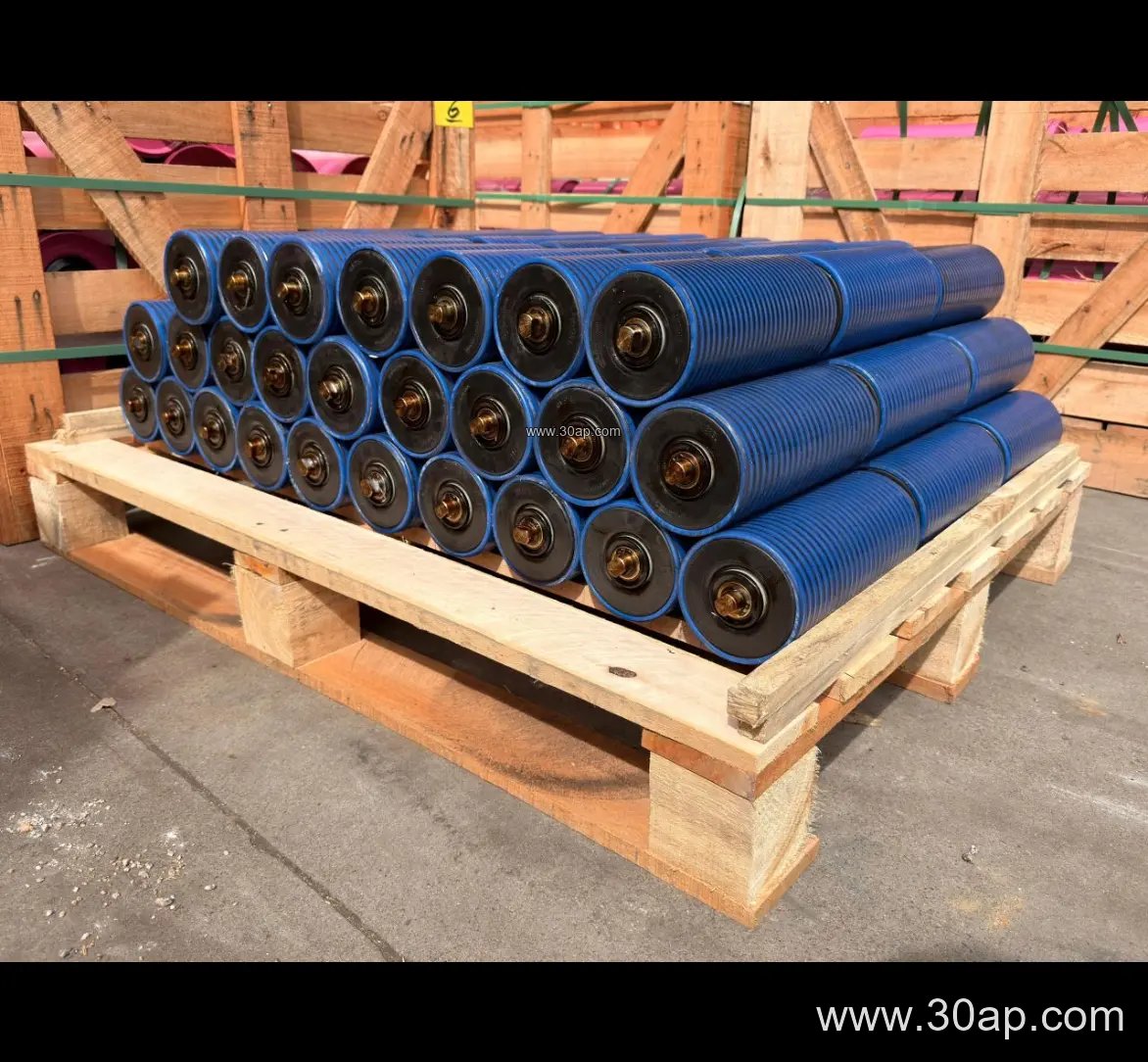
Applications span many industries. In a coal mining conveyor belt system, parallel return idlers help control belt sag on long flights. In a stone crushing plant, they support the return side after the crusher conveyor belt discharges. In a port ship loading line, they keep the belt stable under high tension. The same component appears in fertilizer plants, grain handling, and tunnel spoil removal, though the environment dictates the seal and surface choices.
Selection and Maintenance Notes
Buyers should match the return idler to the belt width, the expected load, and the operating environment. A dusty cement plant may benefit from well-sealed bearings, while a corrosive fertilizer line may call for coated shells. The idler should rotate freely by hand and run true; a wobbling or seized roller can wear the belt edge and damage the splice. Regular inspection of the return run is easier than replacing a belt, so checking for worn shells, noisy bearings, and material buildup pays off. When replacing, confirm the shaft diameter and bracket fit rather than assuming a size from belt width alone.
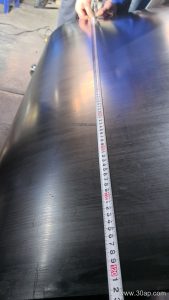
For conveyors using a rubber conveyor belt, an EP conveyor belt, or a steel cord conveyor belt, the return idler selection follows the same basic logic: support the belt, minimize friction, and keep the return strand clean. The parallel return idler remains a simple but essential part of the total conveyor system, working alongside the conveyor pulley and conveyor bracket to keep material moving.