What a Ø108 Conveyor Idler Is
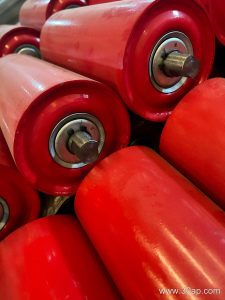
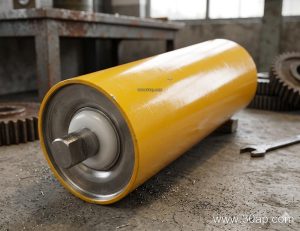
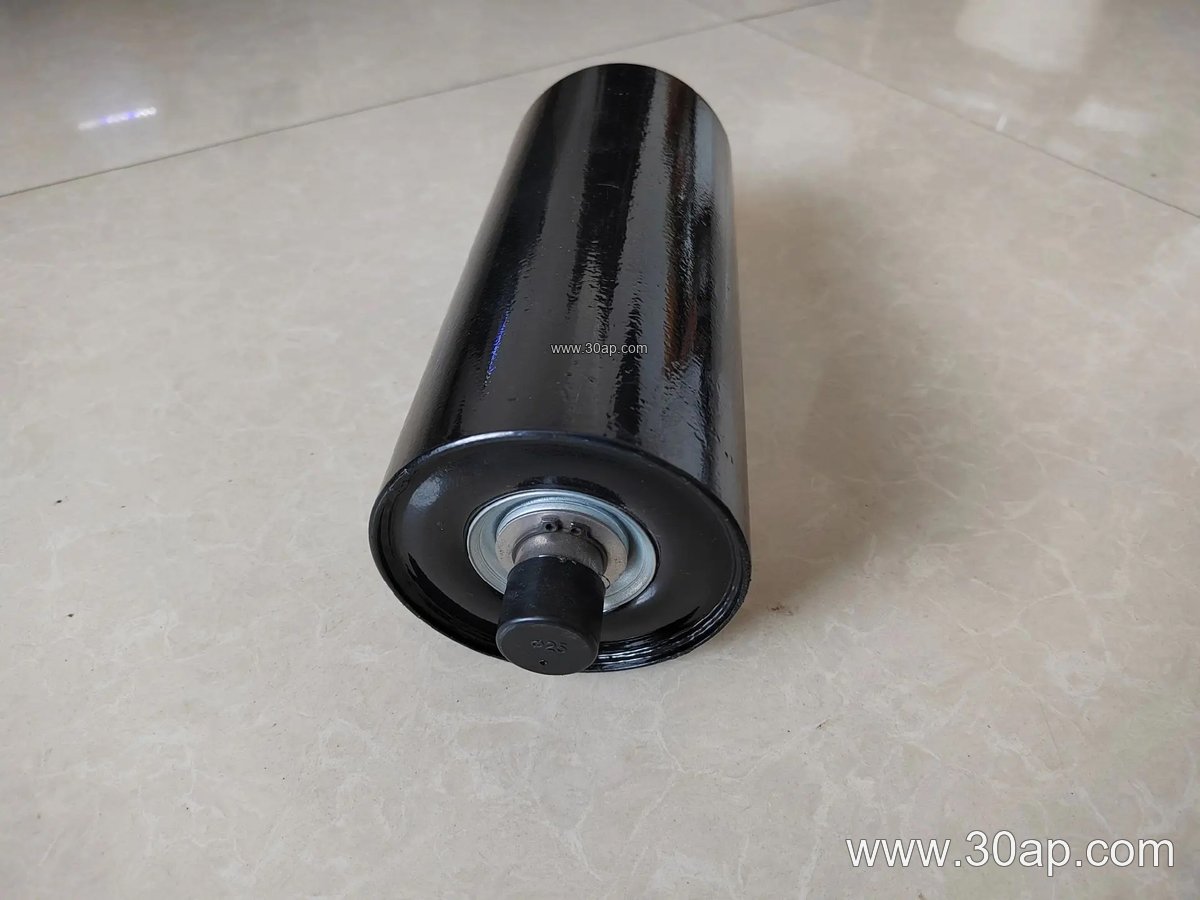
A Ø108 conveyor idler is a carrying or return roller with a nominal shell diameter of 108 mm. It is one of the mid-range sizes used on belt conveyors that move bulk materials in quarries, coal preparation plants, cement lines, power station coal yards and aggregate operations. In everyday plant language the same item is often called a 108 mm idler roller or a Ø108 belt conveyor roller. The number refers to the outside diameter of the roller shell, not to the shaft, the bearing or the bracket.
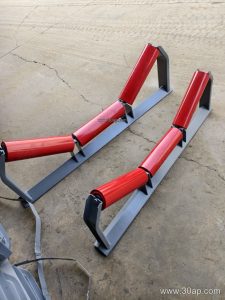
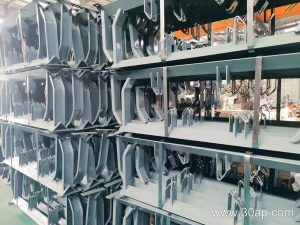
The idler sits under or over the conveyor belt and supports it along the route. Several rollers are usually assembled into a station: a three-roll troughing set on the carrying side, a single flat roller or a V-return set underneath. The Ø108 size is common enough that many plants keep it as a stock item alongside smaller Ø89 and larger Ø133 or Ø159 rollers.
How the Roller Is Built
The shell is normally a steel tube with machined ends. Bearing housings are pressed into each end, fitted with sealed bearings and filled with grease. A shaft runs through the roller and is held by the conveyor bracket at each side. Common bearing references for rollers in this size range include 6205, 6305 and 6306, but the correct bearing depends on the load, speed and seal design rather than on the diameter alone.
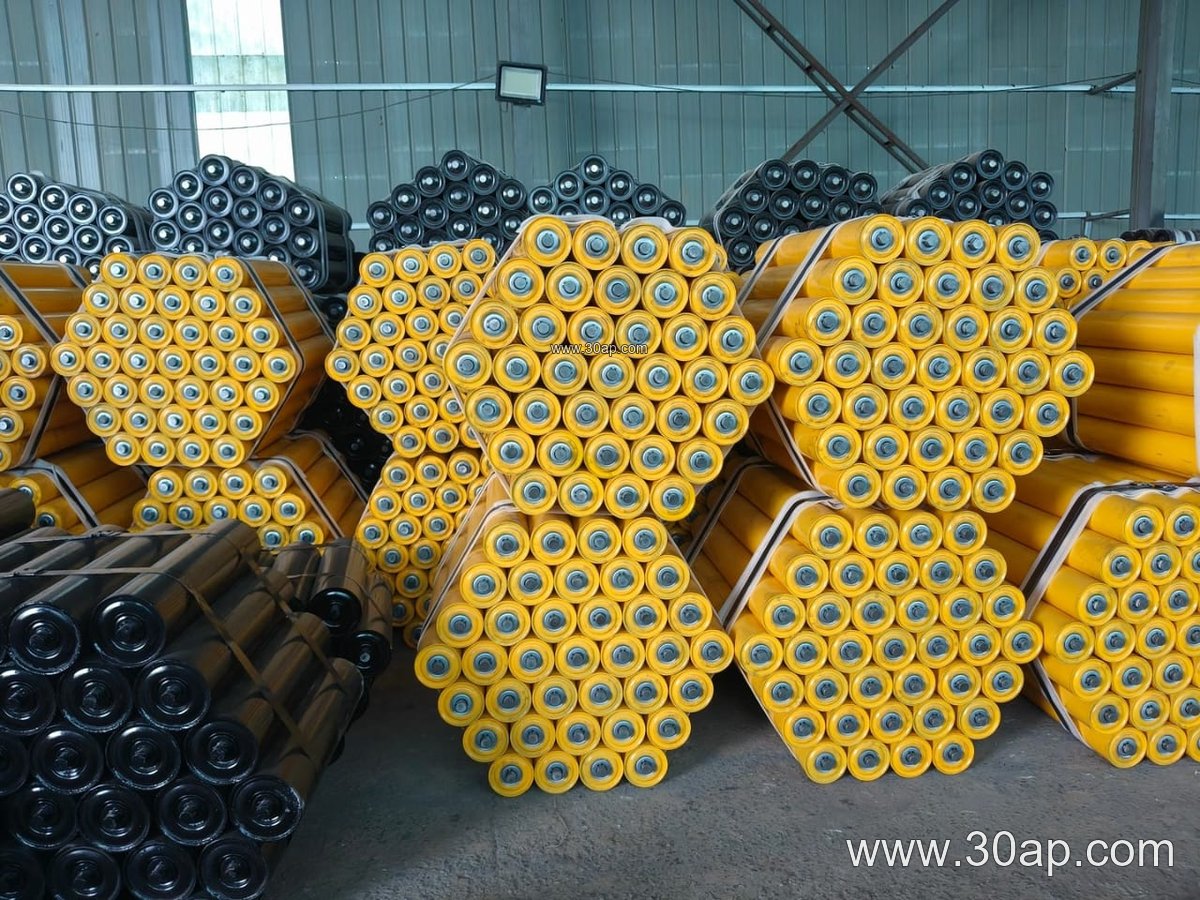
- Shell: steel tube, sometimes with a nylon, ceramic or rubber ring surface
- Bearing housing: pressed or welded, with labyrinth or contact seals
- Shaft: plain carbon steel, often with flats at the ends
- Surface options: bare steel, rubber rings for impact points, ceramic or nylon covers for sticky or abrasive material
Sealing matters more than many buyers expect. Dust from a crusher or a coal yard will find any weak point, and a good labyrinth seal plus the right grease fill will usually outlast a thicker shell with poor sealing.
Where Ø108 Idlers Are Used
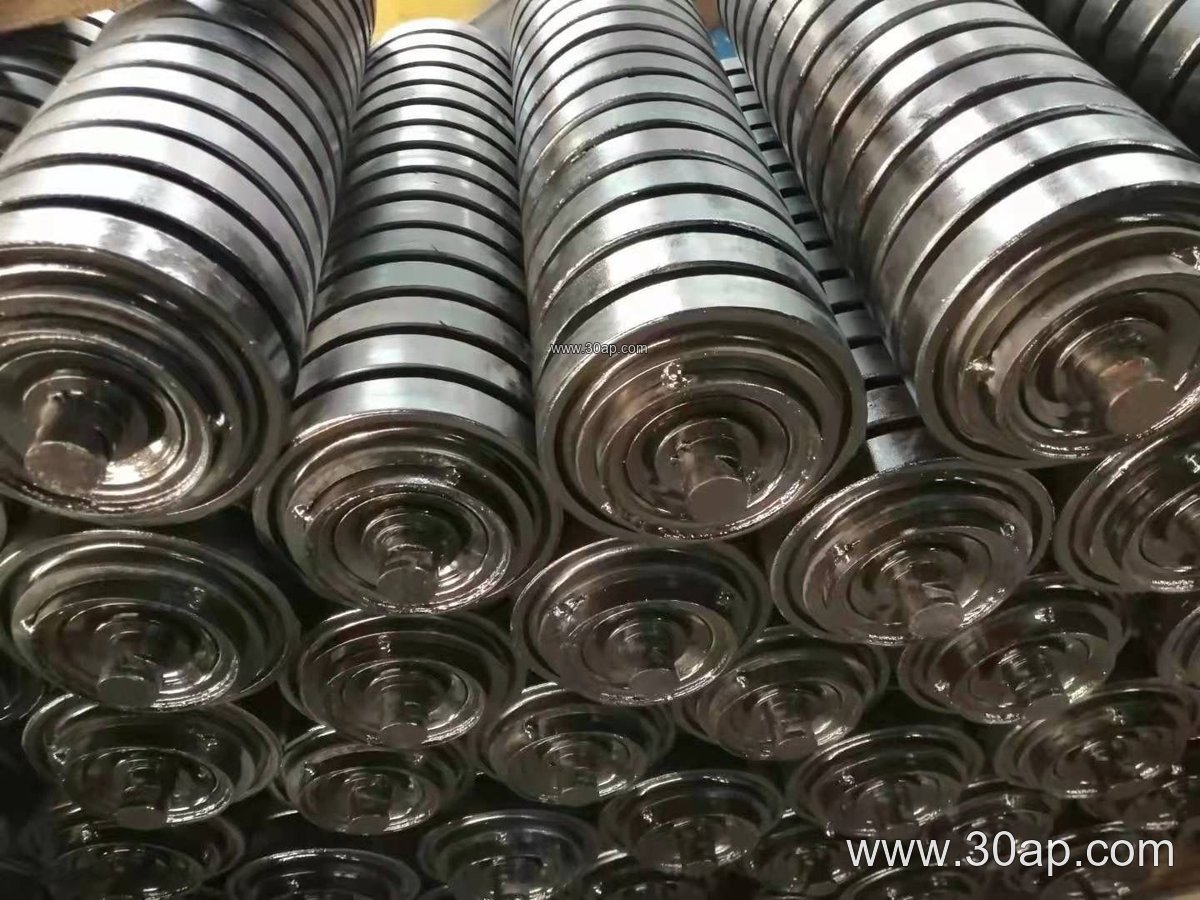
This diameter fits medium-width conveyors. It appears in aggregate plants feeding screens, in cement plants moving clinker and raw meal, and in power plants handling coal on the way to the bunker. A quarry conveyor carrying crushed rock may use a troughing set with three Ø108 rollers at a 35 degree trough angle, while the return side uses flat or V-return rollers of the same diameter.
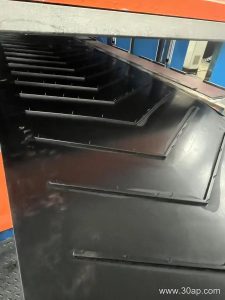
The belt itself is part of the picture. A heavy abrasion resistant conveyor belt on a primary crusher discharge will need a different roller duty from a smooth EP conveyor belt on a transfer house. Where the belt is a thick heavy-duty mining conveyor belt, the idler spacing and roller load rating should be checked rather than assumed. Plants that run a flame retardant conveyor belt underground will also look for rollers with suitable sealing and, where required, antistatic properties.
Sizes and Matching to Belt Width
The roller length is not fixed by the diameter. It follows the belt width, the trough angle and the station type. The table below gives common examples for three-roll troughing sets; side rollers and centre rollers can differ, and final length should always be confirmed against the conveyor design.
| Belt width | Typical roller length, three-roll troughing |
|---|---|
| B500 | about 200 mm |
| B650 | about 250 mm |
| B800 | about 315 mm |
| B1000 | about 380 mm |
| B1200 | about 465 mm |
| B1400 | about 530 mm |
| B1600 | about 600 mm |
Do not read this as a rule that one belt width can only match one pulley diameter or one shaft size. A B800 conveyor may run Ø89 rollers on a light duty line and Ø108 rollers where loads are higher. The shaft diameter is a separate design decision based on load and bracket fit.
Choosing the Right Variant
On the carrying side, a three-roll troughing set at 20, 30, 35 or 45 degrees is the usual choice. A 35 degree trough is common in aggregate and cement service because it centres the load well without over-compressing the belt edges. Transition idlers with a smaller trough angle are placed near the head and tail to ease the belt from flat to troughed.
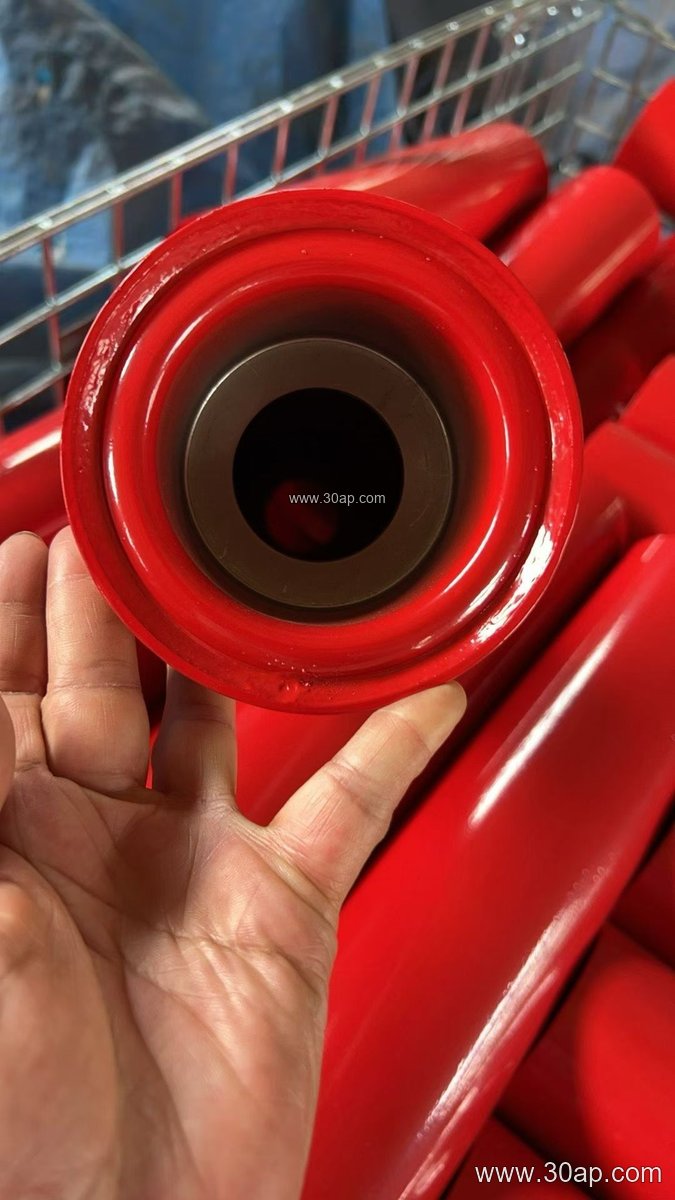
At transfer points, rubber ring impact rollers absorb the drop from a crusher or chute. On the return side, flat rollers, V-return rollers or spiral rollers handle the empty belt. Self-aligning rollers with a slight forward tilt of about 1.5 to 2 degrees help keep a wandering belt on track. The surface form should match the material: bare steel for dry rock, rubber rings for impact, ceramic or nylon where build-up is a problem.
Buyers should confirm the shell diameter, roller length, shaft ends, bearing reference, seal type and surface form before ordering. It also helps to state the belt width, belt type and the position on the conveyor, so the supplier can match the roller to the actual duty rather than to a catalogue line.
Maintenance Notes
Check for seized rollers, worn shells and loose brackets during routine inspections. A failed idler roller can damage the conveyor belt and increase power draw. Keep spare rollers of the common sizes on hand, and record the bearing reference used so replacements stay consistent. For harsh service such as iron ore or copper ore handling, shorter inspection intervals are worth the effort.