What a Self-Aligning Idler Set Does
A self-aligning idler set is a conveyor carrying or return assembly that corrects belt drift by itself. Instead of sitting square to the frame, the idlers are mounted so that a slight belt misalignment produces a small steering action, nudging the belt back toward the center line. This makes the self-aligning idler set a practical answer for long runs where a conveyor belt is prone to wander after loading, on curves, or where the structure is not perfectly straight.
The set is common on bulk handling lines in a quarry, a limestone mine, an iron ore operation, or a coal preparation plant, and it also appears on power plant coal feed conveyors and port ship loading systems. Wherever a fabric core conveyor belt or a steel cord conveyor belt has to stay centered under variable load, this assembly earns its place.
How the Assembly Is Built
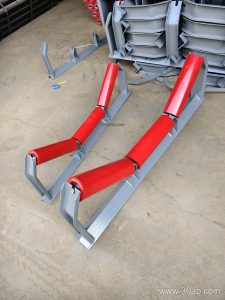
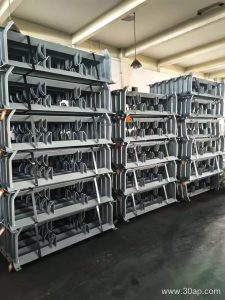
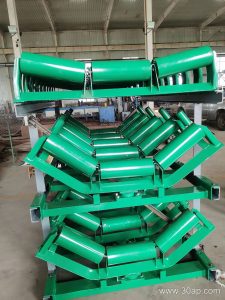
A typical self-aligning idler set combines two or three idler rollers held in a pivoting frame. The frame turns on a vertical pivot or a linkage, and the rollers are often set at a forward tilt of about 1.5 to 2 degrees. When the belt touches one side more heavily, friction pulls that side of the frame slightly downstream, and the resulting skew guides the belt back. A friction self-aligning type relies on this contact effect, while a tapered self-aligning design uses conical rollers to create a similar corrective force.
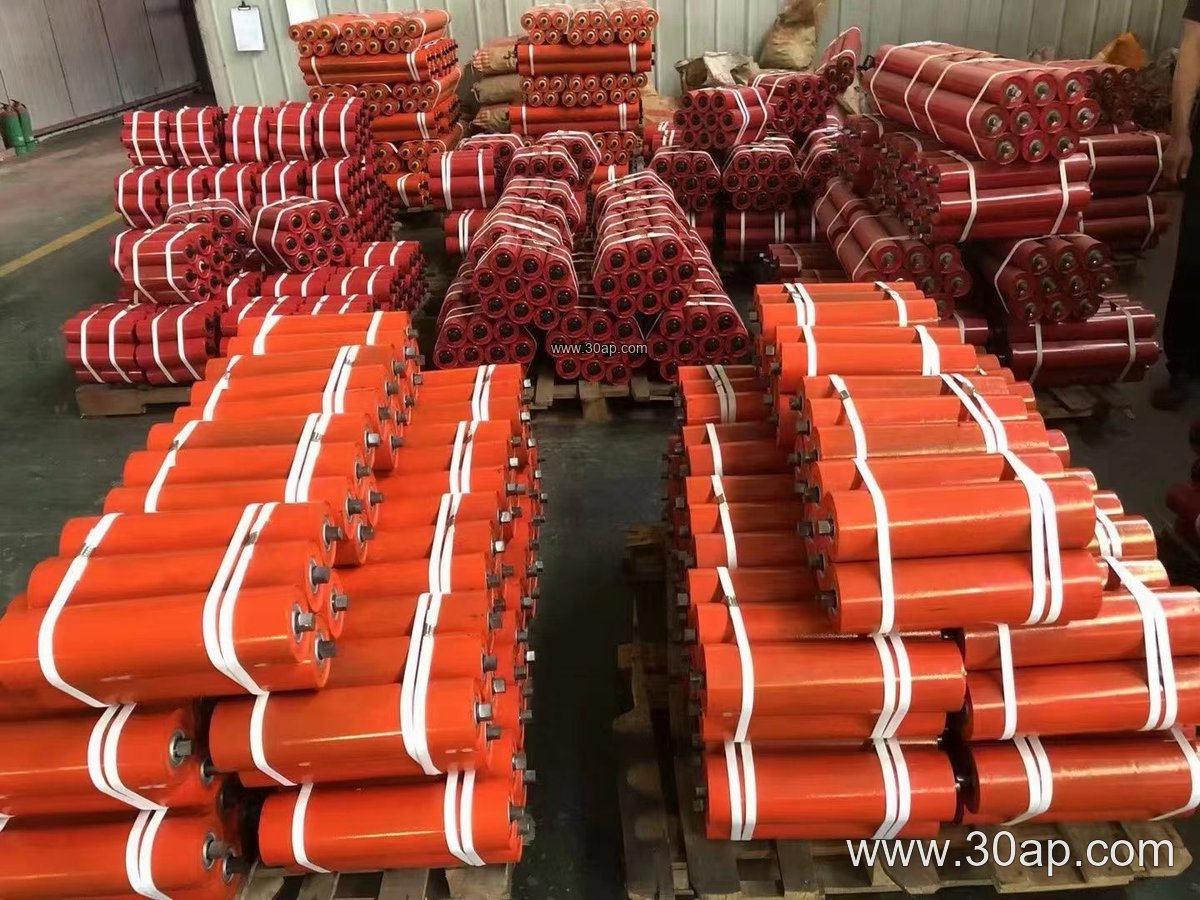
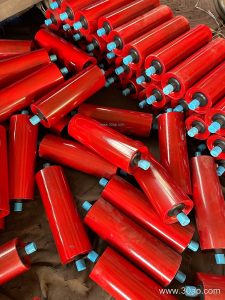
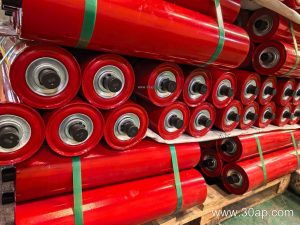
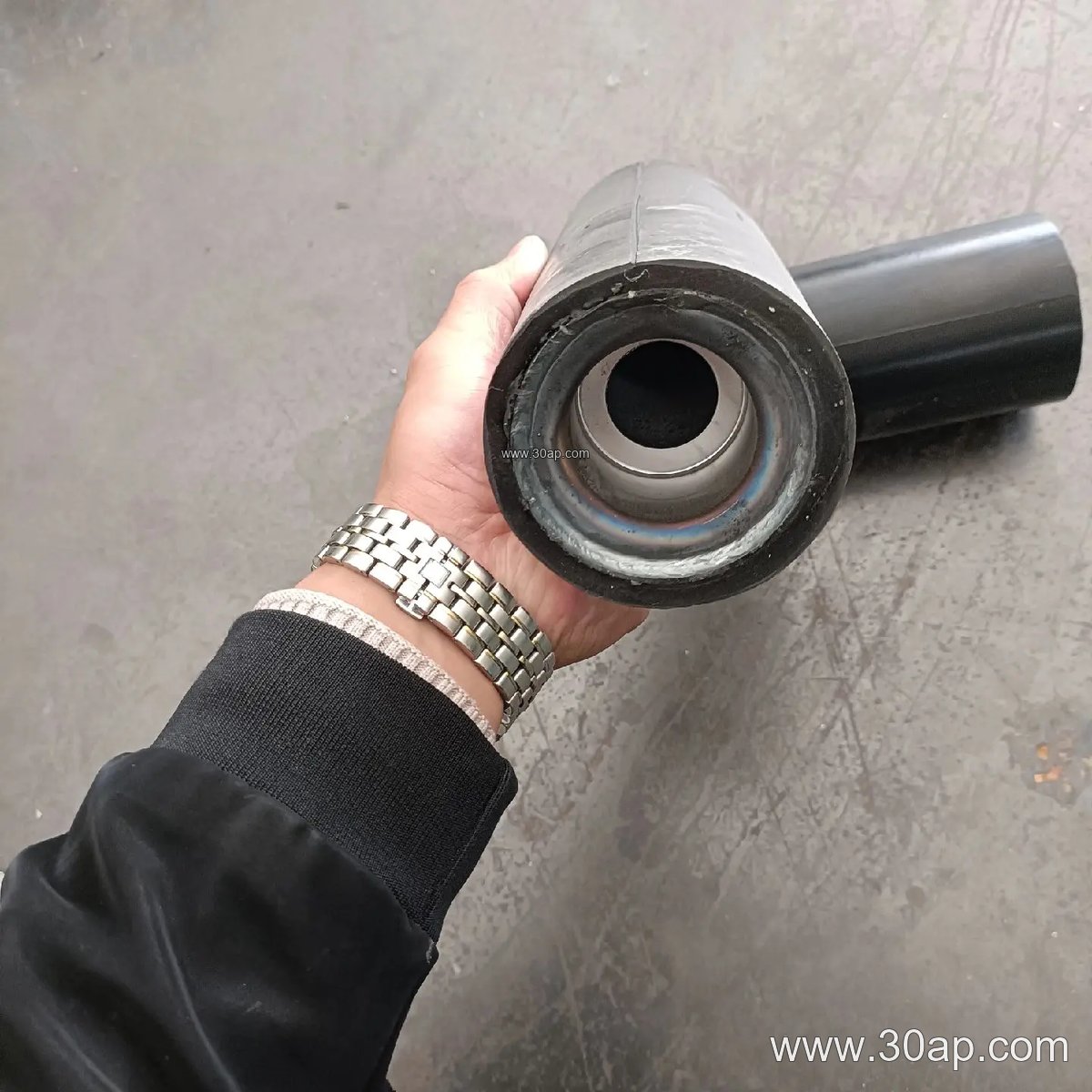
- Roller shell: steel tube, nylon, or rubber rings for grip and wear protection
- Bearing: common sizes include 6204, 6205, 6305, 6306, 6308 and 6310, matched to the shaft and load rather than to belt width alone
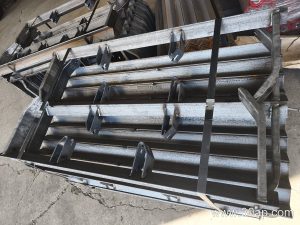
- Frame: welded steel with a pivot, often bolted to a conveyor bracket
- Seal: labyrinth or contact seal to keep dust and water out of the bearing housing
Because the pivot is the heart of the product, the seal and bearing quality matter more here than on a fixed troughing idler. A stiff pivot will not correct anything, and a loose one will hunt.
Where It Fits on the Conveyor
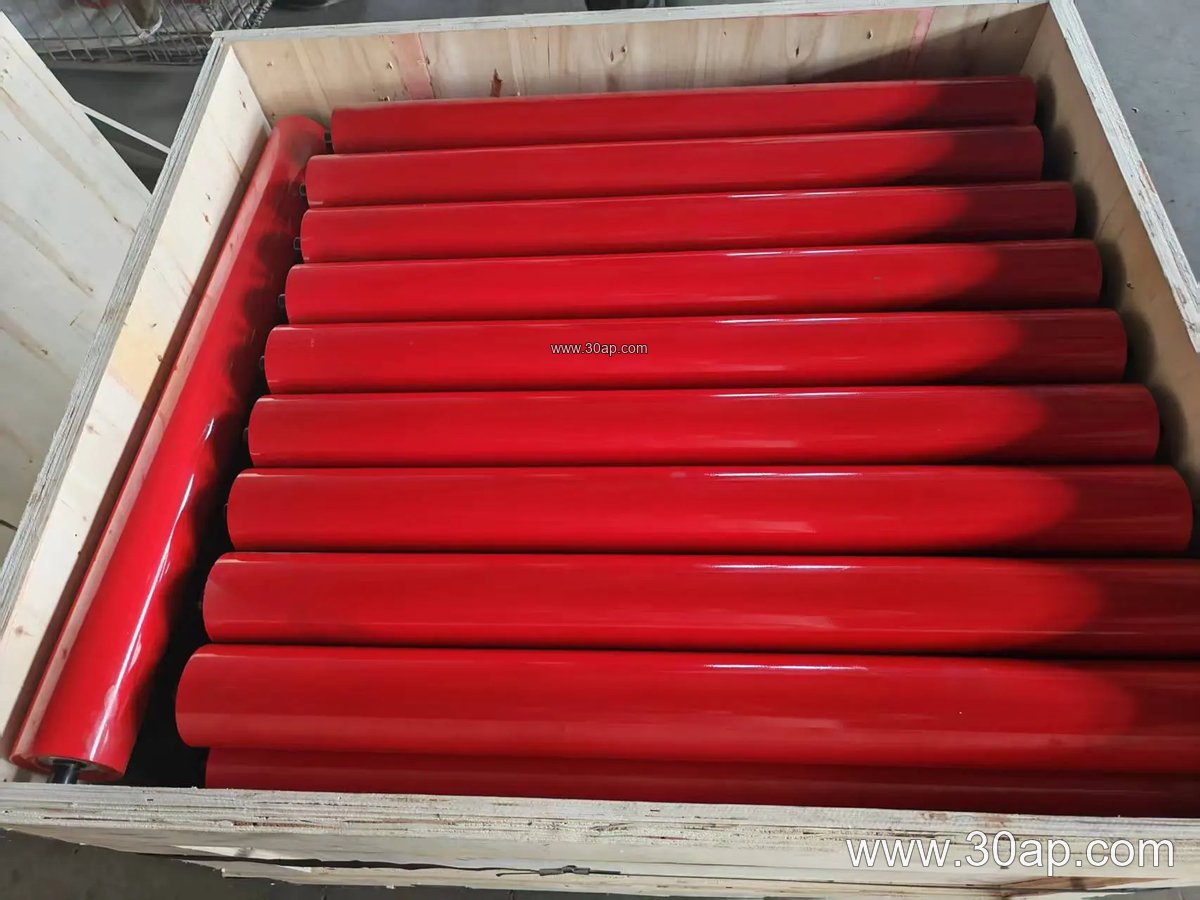
The self-aligning idler set is usually installed on the carrying side at intervals along the run, and a return version is placed under the belt to control the slack strand. On a stone crushing line or an aggregate conveyor, a set is often positioned after the loading point, where off-center material throws the belt sideways. In an underground coal mining conveyor, the return self-aligning set helps keep a flame retardant conveyor belt tracking in a narrow roadway.
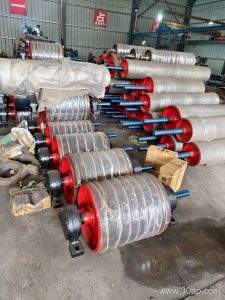
It is not a substitute for a bend pulley or a tail pulley. Those are conveyor pulleys that change belt direction or drive the belt, while the self-aligning idler set only steers the running belt. Similarly, a troughing idler set carries the load but does not correct drift, and a buffer idler absorbs impact but does not align. Each has its own job.
Sizes and Selection Notes
Roller diameter and belt width are chosen together with the conveyor design, not from a single fixed rule. The table below shows common reference values; actual lengths depend on belt width, trough angle and the number of rollers in the set.
| Belt width | Common roller diameter | Typical roller length, three-roll trough |
|---|---|---|
| B500 | Ø76, Ø89 | about 200 mm |
| B650 | Ø89, Ø102 | about 250 mm |
| B800 | Ø89, Ø108 | about 315 mm |
| B1000 | Ø108, Ø127 | about 380 mm |
| B1200 | Ø108, Ø133 | about 465 mm |
| B1400 | Ø133, Ø159 | about 530 mm |
| B1600 | Ø159, Ø178 | about 600 mm |
| B1800 | Ø159, Ø194 | about 670 mm |
| B2000 | Ø178, Ø219 | about 750 mm |
Trough angles of 20, 30, 35 and 45 degrees are all used, and the side rollers of a three-roll set may differ in length from the center roller. A buyer should confirm the shaft diameter, bearing size and mounting hole spacing against the existing conveyor bracket before ordering, because two conveyors of the same belt width can use different frames.
What Buyers Should Check
First, decide whether a carrying or return position is needed, and whether a friction or tapered self-aligning action suits the material. Sticky, wet loads in a cement plant or a fertilizer line may call for rubber ring rollers, while an abrasion resistant conveyor belt carrying sharp ore benefits from a hard, smooth shell. Second, check the pivot clearance and seal, since dust from a crusher or a sand making plant is the main enemy of the bearing. Third, install the set square and at the recommended spacing, because a self-aligning idler set cannot fix a badly loaded belt on its own.
For heavy-duty mining conveyor belts or a high strength conveyor belt under tension, alignment is a wear issue as much as a tracking issue. A belt that rubs the frame loses its edge quickly, so pairing a well-sealed self-aligning idler set with correct pulley alignment and steady loading pays off over the life of the line.