What the Ø180 Conveyor Idler Is
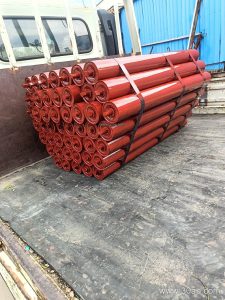
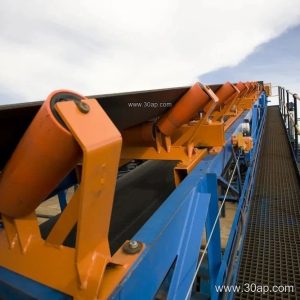
A Ø180 conveyor idler is a load-carrying roller with an outside diameter of roughly 180 mm, built into the troughing or return run of a belt conveyor. It supports the conveyor belt and the material on it, keeps the belt tracking along the frame, and reduces friction between the moving belt and the structure. In practice, plants often call this a 180 mm idler roller or a Ø180 carrying roller, and the name refers to the roller diameter rather than the belt width.
Because of its larger diameter, this idler roller is usually chosen for heavier conveyors where the belt is wide, the load is high, or the material is abrasive. It appears in quarry lines, iron ore and copper ore handling, coal preparation plants, cement plants, power station coal yards, and port bulk terminals. The larger shell gives more room for bearings and seals, which helps in dusty and wet conditions.
How a Ø180 Idler Is Built
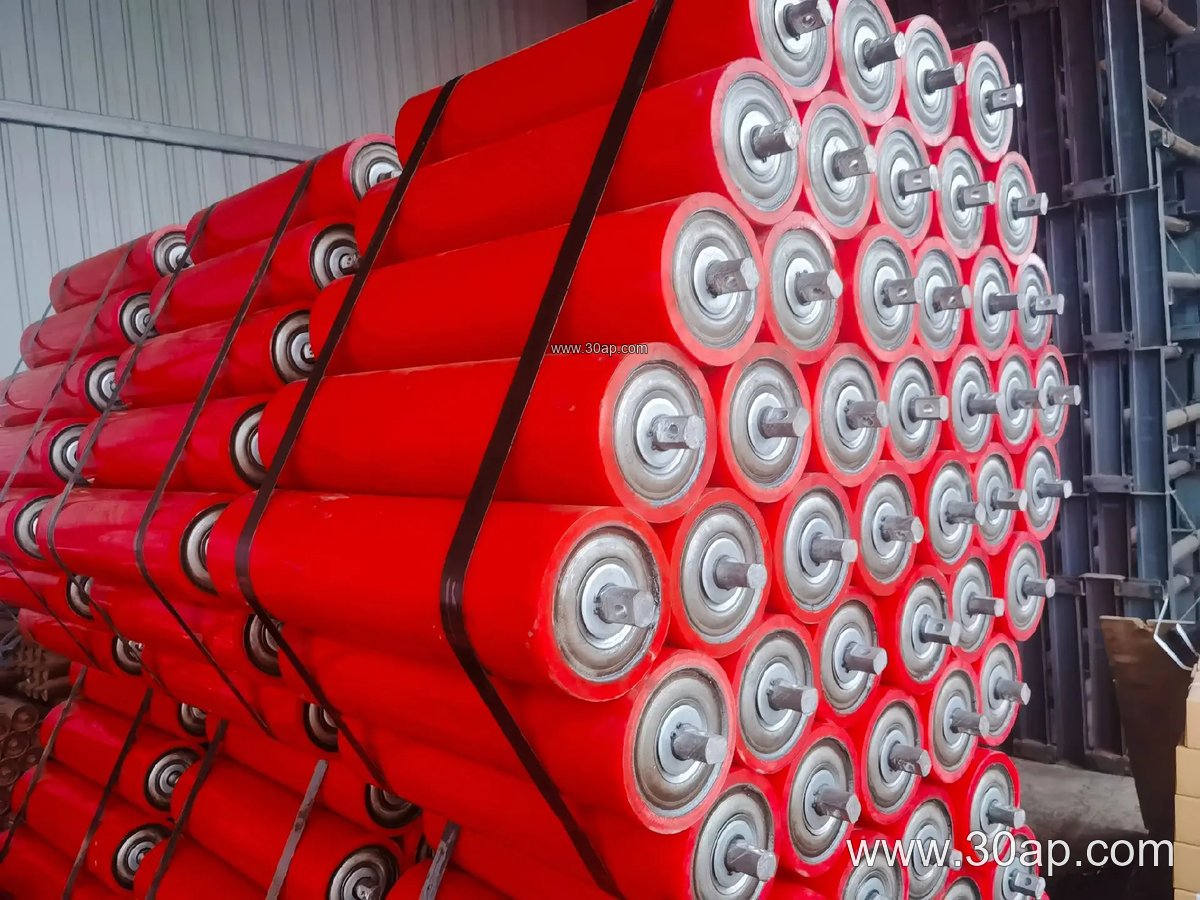
The roller body is normally a steel tube with machined ends, fitted with a shaft, bearing housings, and a sealing arrangement. Common bearing sizes for this class of idler include 6308 and 6310, though the final choice depends on load, speed, and the manufacturer’s design. The shaft is not fixed by belt width alone; it is calculated from the actual load and the bracket arrangement.
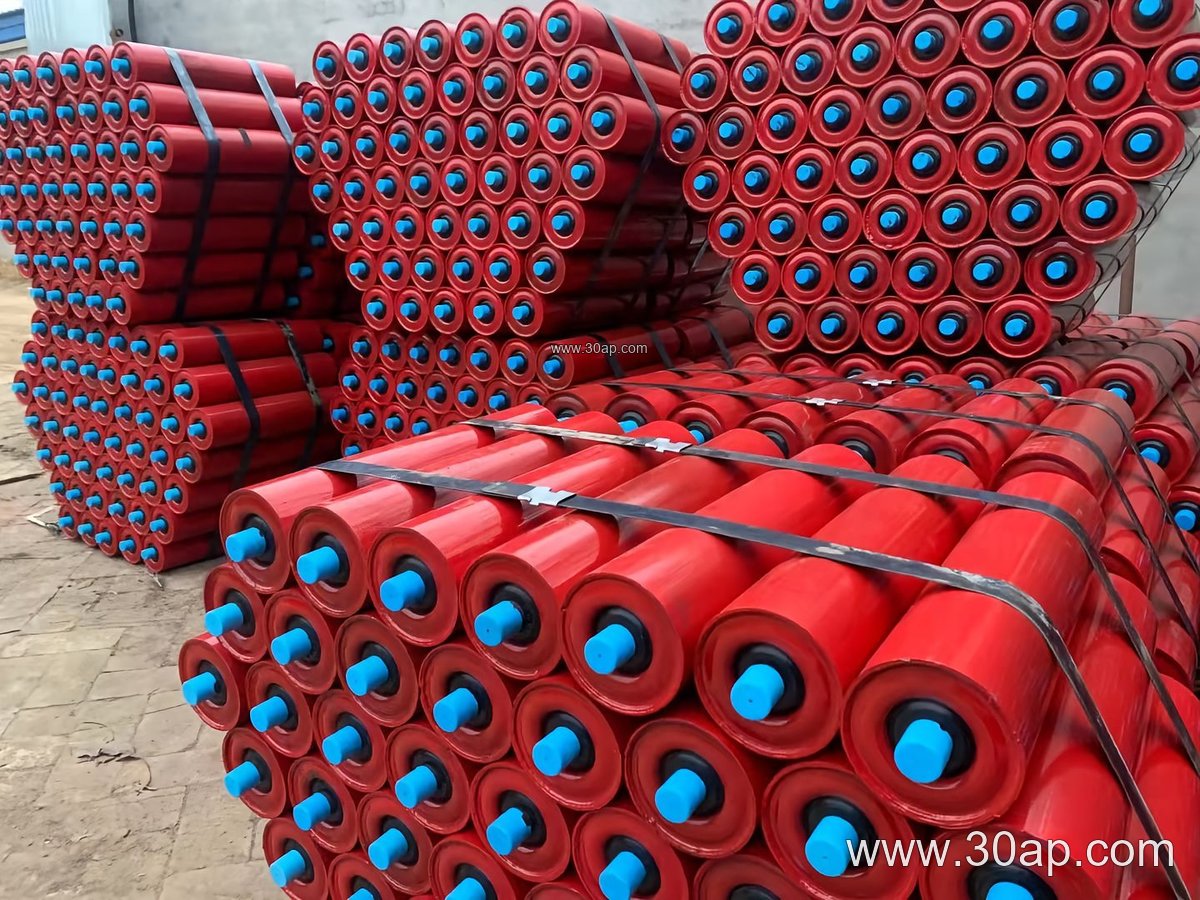
Surface options vary with the duty:
- Plain steel tube for general carrying duty
- Rubber rings for impact zones under a crusher or transfer point
- Nylon or ceramic covering where sticking and wear are concerns
- Spiral or disc forms for cleaning the return side in sticky material
The sealing system matters as much as the shell. Labyrinth seals, contact seals, and grease-filled housings all aim to keep fine dust out. In a coal mining conveyor or a cement plant, a poor seal shortens bearing life quickly, so buyers should ask about the seal design, not only the diameter.
Where It Fits on the Conveyor
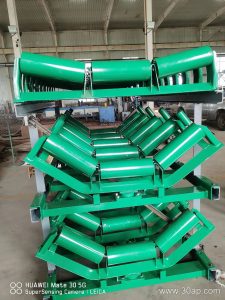
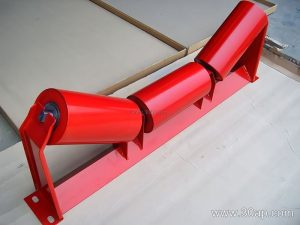
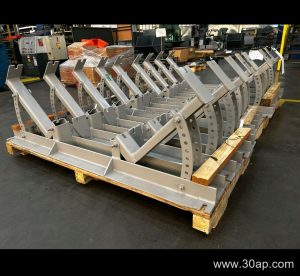
Troughing idlers are arranged in sets of two or three rolls, with trough angles commonly 20, 30, 35, or 45 degrees. A Ø180 roller may serve as a side roll or a center roll depending on the frame design. Return idlers, including flat and V-return forms, may also use this diameter on larger belts.
Typical roll lengths vary with belt width, trough angle, and the idler set form. The table below shows common examples for three-roll troughing sets; side rolls and center rolls can differ, so these are reference values, not fixed matches.
| Belt width | Common roll length (example) |
|---|---|
| B800 | 315 mm |
| B1000 | 380 mm |
| B1200 | 465 mm |
| B1400 | 530 mm |
| B1600 | 600 mm |
| B1800 | 670 mm |
| B2000 | 750 mm |
One belt width does not dictate one pulley diameter, and a 180 mm roller is not mandatory for every conveyor. Selection depends on belt tension, load, speed, and the frame the plant already uses.
Choosing the Right Roller for the Duty
In a sand and gravel line, a crusher discharge belt may need impact idlers with rubber rings, while the long incline may run standard troughing rolls. In a steel plant or sinter plant, heat and abrasive dust affect both the idler and the belt, so a heat resistant conveyor belt may be paired with well-sealed rollers. In a coal yard, a flame retardant conveyor belt is common, and the idler frame should suit the same environment.
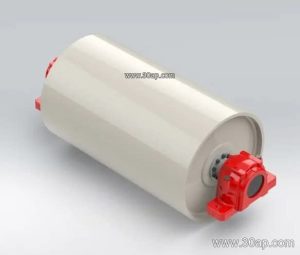
Buyers should confirm the shaft diameter, bearing size, seal type, roll length, and bracket dimensions before ordering. They should also check whether the idler is for carrying, impact, return, or self-aligning duty, because these are different products even when the diameter is the same. A drive pulley, tail pulley, or bend pulley is a separate item and cannot replace an idler in the frame.
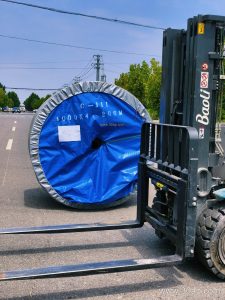
Matching the idler to the belt is part of a wider conveyor design. A heavy-duty mining conveyor belt on a long overland route may use larger rollers, while a short transfer in a concrete mixing plant may use a smaller size. The Ø180 idler sits in the middle-to-heavy range and suits many bulk material conveyor lines where durability and smooth running are priorities.
Maintenance Notes
Check for seized bearings, worn shells, and damaged seals during routine inspections. Keep the belt aligned so the idler does not carry uneven load. Spare rollers should match the original shaft and bracket dimensions, and replacement should follow the conveyor maker’s specification rather than diameter alone.