What a 2400mm Conveyor Belt Is
A 2400mm conveyor belt is an extra-wide belt designed for conveying lines that need to move large tonnages in a single pass. At this width, the belt becomes a structural element in its own right, and the choice of carcass, cover grade and edge construction matters as much as the headline dimension. Buyers in mining, coal, cement, power, quarry and port applications often arrive at this width because a narrower belt would require more lines, more transfer points and more maintenance attention.
This article treats the 2400mm conveyor belt as the main subject throughout. Related equipment such as idler rollers, conveyor pulleys and conveyor brackets appear only where they help explain how the belt is applied.
How the Belt Is Built
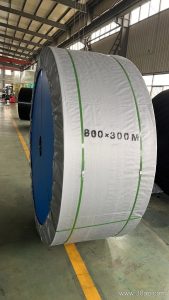
The construction follows the same logic as narrower belts, but the stakes are higher. A fabric core conveyor belt uses multiple plies of EP or NN fabric, while a steel cord conveyor belt uses longitudinal cords for very high tension and long center distances. Cover compounds are selected for abrasion, heat, oil, flame resistance or cold conditions, and edge protection becomes critical because a wide belt carries more load near its edges.
Typical build options for a 2400mm conveyor belt include:
- Multi-ply fabric core, usually 2 to 6 plies depending on tension demand
- Steel cord carcass for long overland and high-tonnage lines
- Cover thickness combinations such as 4+2, 5+2, 6+2 or 8+3 mm, selected for impact and wear
- Special constructions including chevron, corrugated sidewall or pipe conveyor belt where the route demands it
These values are common references, not fixed specifications. Final build is confirmed by the belt designer against the actual conveyor profile.
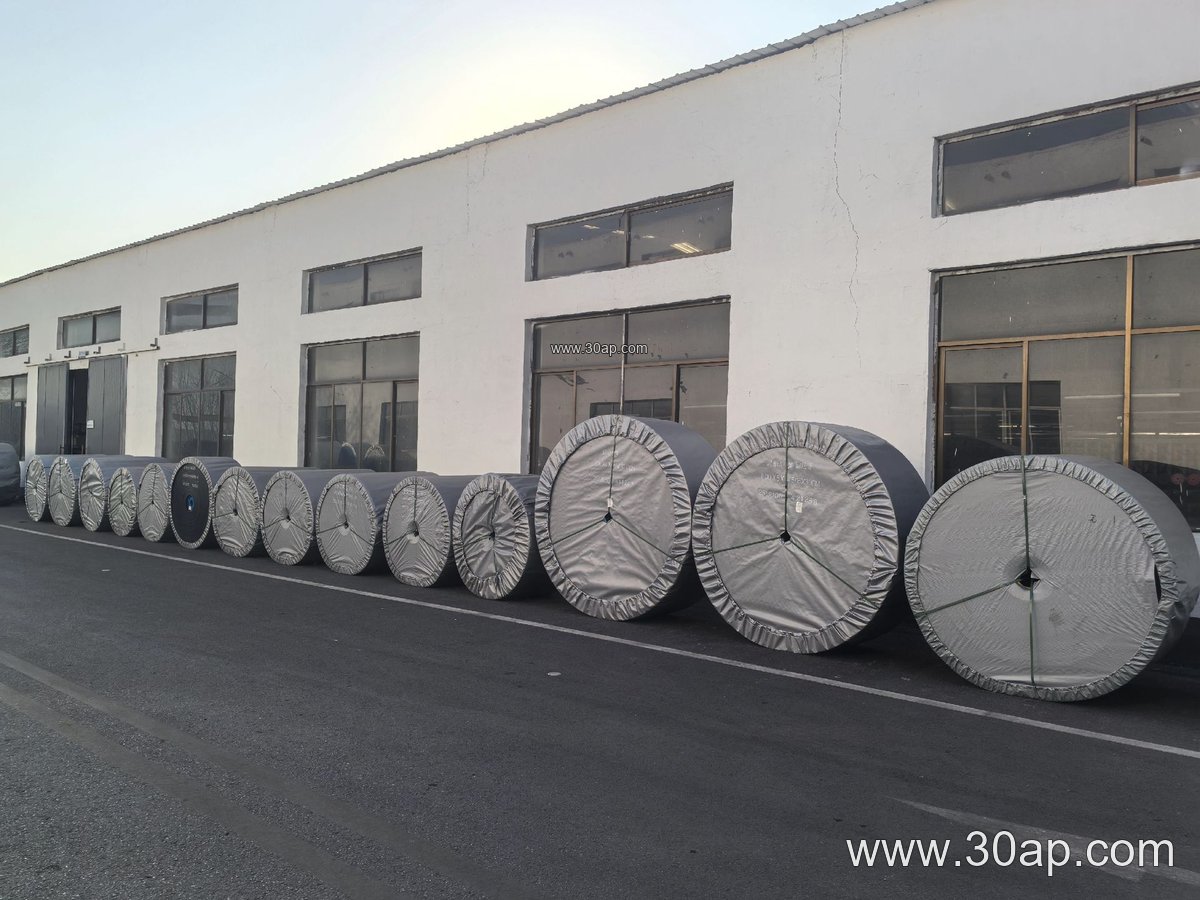
Where a 2400mm Belt Fits
This width is common in bulk material handling where throughput is the priority. In a coal mining conveyor belt system, a wide belt can carry raw coal from a crusher to a stockpile or transfer tower. In cement plants, it may feed clinker or limestone along a main line. Power plants use wide belts for fuel delivery, while quarry conveyor belts and aggregate conveyor belts move crushed stone at high rates. Port and ship loading operations also favor extra-wide belts for fast loading cycles.
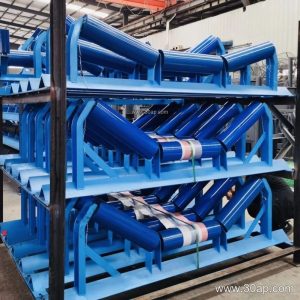
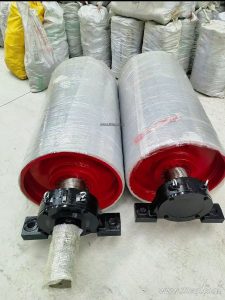
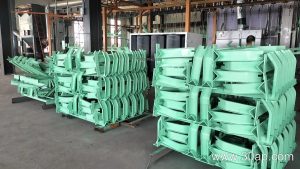
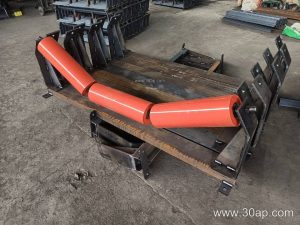
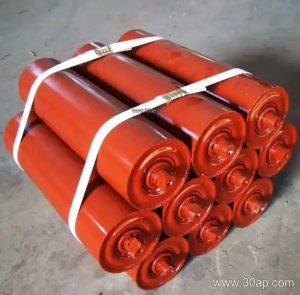
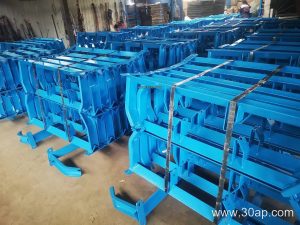
Because the belt is wide, the supporting structure must be matched. Idler rollers should be selected for the load per station, and conveyor pulleys must be sized for the belt tension and wrap angle. Conveyor brackets and frames need enough stiffness to keep the belt tracking correctly across the full 2400mm width.
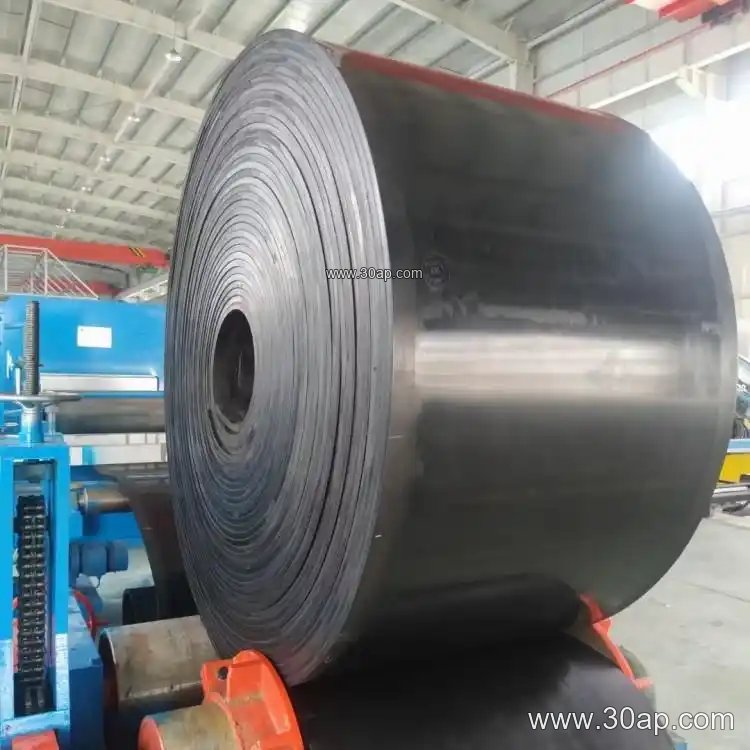
Specification Reference
The table below shows reference values that may appear in a 2400mm conveyor belt enquiry. They are examples, not a universal supply list.
| Parameter | Common reference values |
|---|---|
| Belt width | 2400mm |
| Fabric core types | EP200, EP315, EP400, EP500, EP630, EP800, EP1000, EP1250 |
| Steel cord grades | ST1000, ST1250, ST1600, ST2000, ST2500 |
| Cover thickness | 4+2, 5+2, 6+2, 8+3 mm |
| Ply count | 2 to 6 plies, by design |
| Surface options | Smooth, chevron, corrugated sidewall |
Buyer Checklist
Before ordering, confirm the design tension, the material being carried, the lump size and the operating environment. A heat resistant conveyor belt is not the same as a flame retardant conveyor belt, and an abrasion resistant cover does not automatically solve impact problems at the loading point. For underground coal work, flame retardant and anti-static properties are usually specified together, often in a PVG conveyor belt construction. For long overland routes, a steel cord belt may be the better fit than a heavy multi-ply fabric belt.
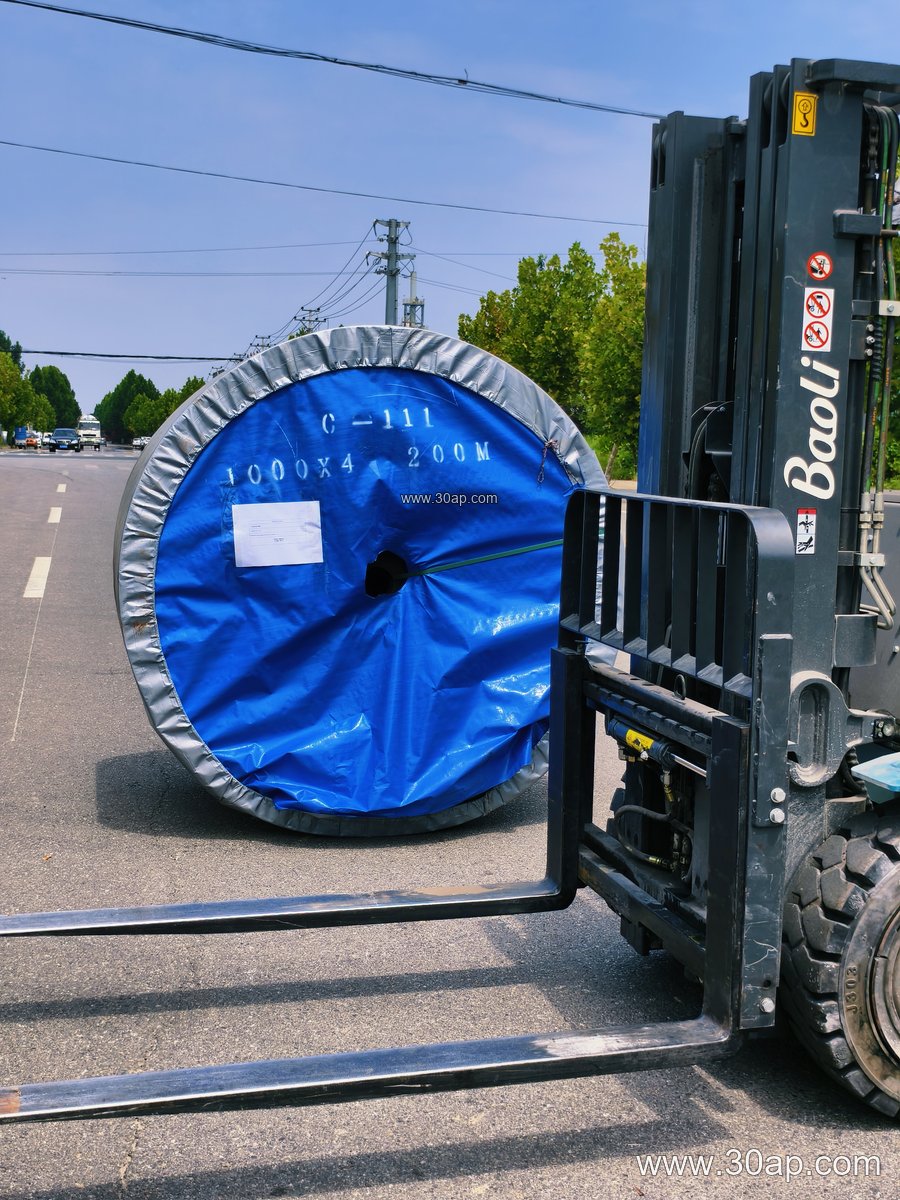
Also check practical details: whether the belt will be supplied as an endless conveyor belt on site or in rolls for splicing, how the edges will be protected, and whether the pulley and idler roller arrangement has been reviewed for the full belt width. A 2400mm belt is not automatically paired with any single pulley diameter; that relationship depends on tension, wrap angle and shaft design.
Maintenance Notes
Wide belts reward good alignment. Check idler rollers for seizing, inspect conveyor pulleys for build-up, and watch the edges for damage from misalignment or skirt rub. Store spare belt in a dry, shaded area and follow the splice procedure recommended for the carcass type. With the right carcass, cover and structure, a 2400mm conveyor belt can serve as the backbone of a high-capacity bulk handling line for many years.