What a 2400mm Conveyor Belt Is
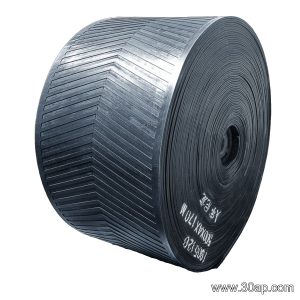
A 2400mm conveyor belt is a wide belting product with a nominal width of 2400 millimeters, often described as a 2400mm wide conveyor belt or an extra-wide belt. It sits at the upper end of common belt widths for bulk handling systems, where a single wide flight can carry large tonnages and reduce the number of parallel lines needed. You will see this width discussed for mine, coal, cement, power plant, port, and quarry conveying projects, especially where large lump sizes and high throughput go together.
Width is only one part of the specification. The same nominal 2400mm width can be supplied in different carcass constructions, cover grades, and strength classes, so buyers should treat width as a starting point rather than a full description of the belt.
Construction and Common Configurations
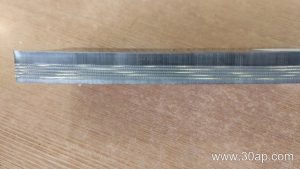
Wide belting is built around a carcass that carries the tension and a rubber cover that protects the carcass from the material being moved. Fabric cores such as EP or NN plies are common in general bulk handling, while steel cord constructions are chosen for long center distances and high tension. Cover compounds can be selected for abrasion, heat, oil, flame resistance, or cold conditions depending on the duty.
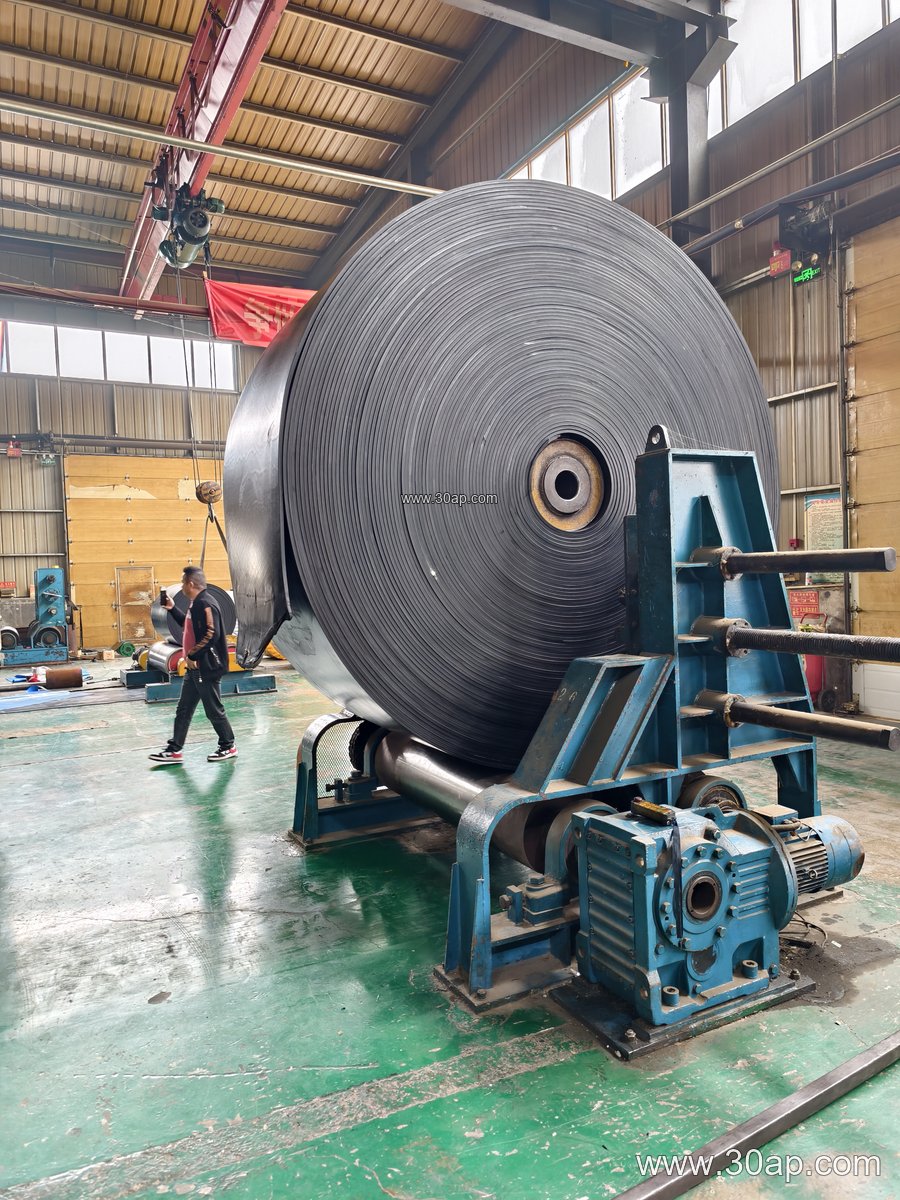
The table below shows typical reference values; actual values are confirmed by the manufacturer for each project.
| Feature | Typical reference data |
|---|---|
| Nominal width | 2400 mm (extra-wide belt) |
| Fabric carcass | 2 to 6 plies, EP or NN |
| Strength grades | EP200, EP315, EP400, EP500, EP630, EP800, EP1000 |
| Cover thickness examples | 4+2 mm, 5+2 mm, 6+2 mm, 8+3 mm |
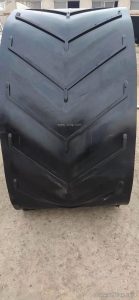
| Surface forms | Plain, chevron, corrugated sidewall, skirted |
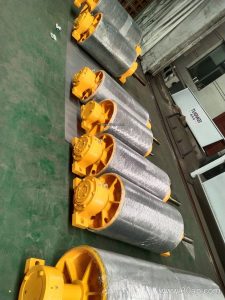
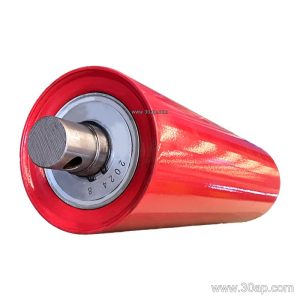
At this width, edge quality and splice planning matter. A heavy-duty mining conveyor belt in 2400mm width may need a vulcanized splice designed for the full tension, and the pulley face width must be wide enough to support the belt properly. A 2400mm belt does not imply a fixed pulley diameter or shaft size; those values follow the belt tension, pulley type, and conveyor design, and must be checked with the pulley supplier.
Where Wide Belts Are Used
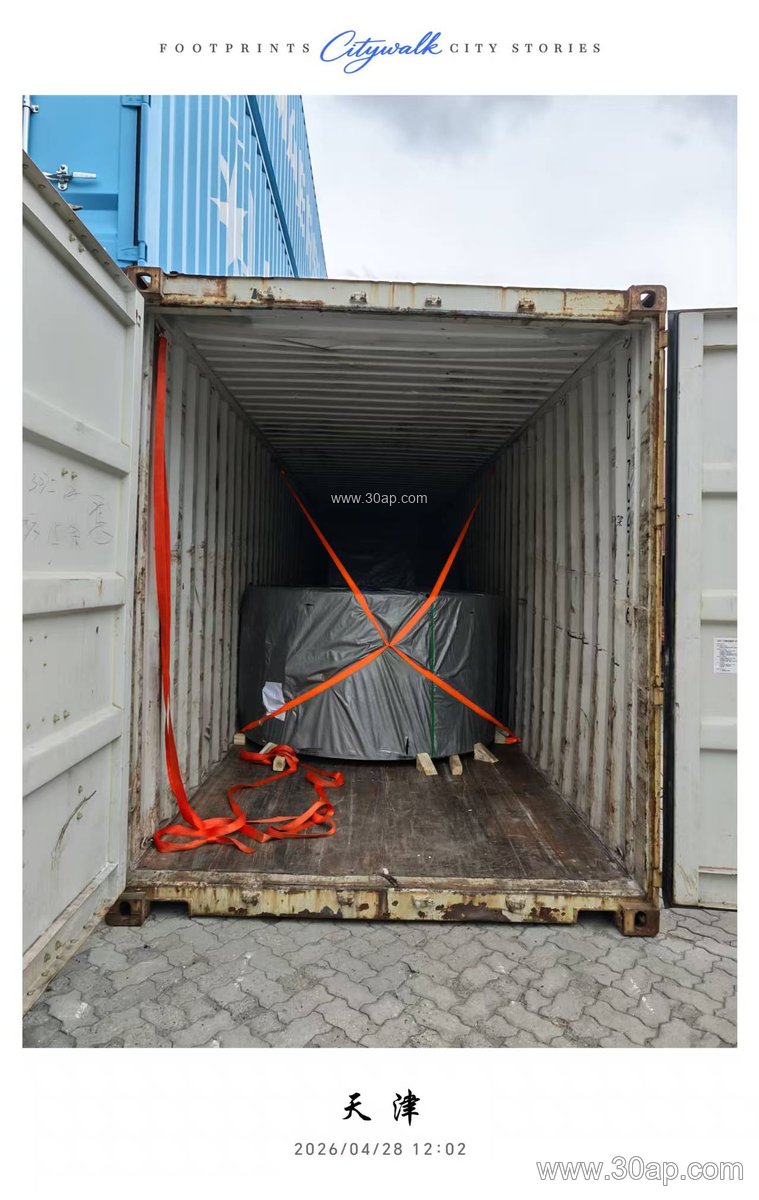
Extra-wide belts are often found in primary crushing circuits, stockyard and ship loading systems, and large bulk material conveyor lines. In a quarry or aggregate plant, a 2400mm conveyor belt may run under a primary crusher to move run-of-mine rock, while a cement plant may use the same width for clinker or raw material transport. Coal mining and underground coal mining conveyors also use wide belting where high tonnage and flame retardant requirements apply.
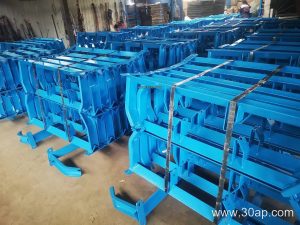
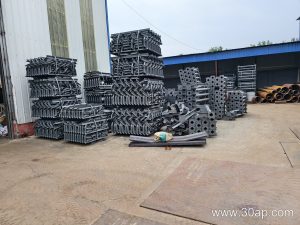
Supporting equipment should be matched to the duty. Idler roller spacing, conveyor pulley lagging, and conveyor bracket design all affect how a wide belt tracks and wears. A poorly aligned frame or uneven loading at this width can cause edge damage quickly, so installation accuracy is important.
Buyer Checklist Before Ordering
- Confirm the actual belt width and the pulley face width; do not assume that 2400mm width determines pulley diameter.
- State the material, lump size, temperature, and any oil or chemical exposure so the correct cover grade can be selected.
- Specify the required tension rating and splice method, such as a vulcanized endless joint.
- Check whether flame retardant or anti-static properties are required for underground mining or coal handling.
- Review the conveyor structure, idler roller alignment, and take-up arrangement before the belt is installed.
Wide belting is not automatically the best choice for every line. A 2000mm or 2200mm belt may suit a smaller system, and a 2400mm belt is generally selected when the conveyor design calls for it. For more information on wide belting and related components, visit conveyorbeltpro.com and review the belt data with your conveyor pulley and idler roller suppliers.