What a Dustproof and Waterproof Idler Does
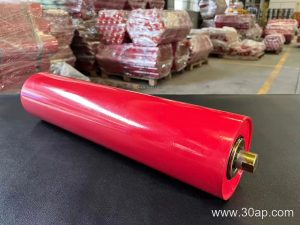
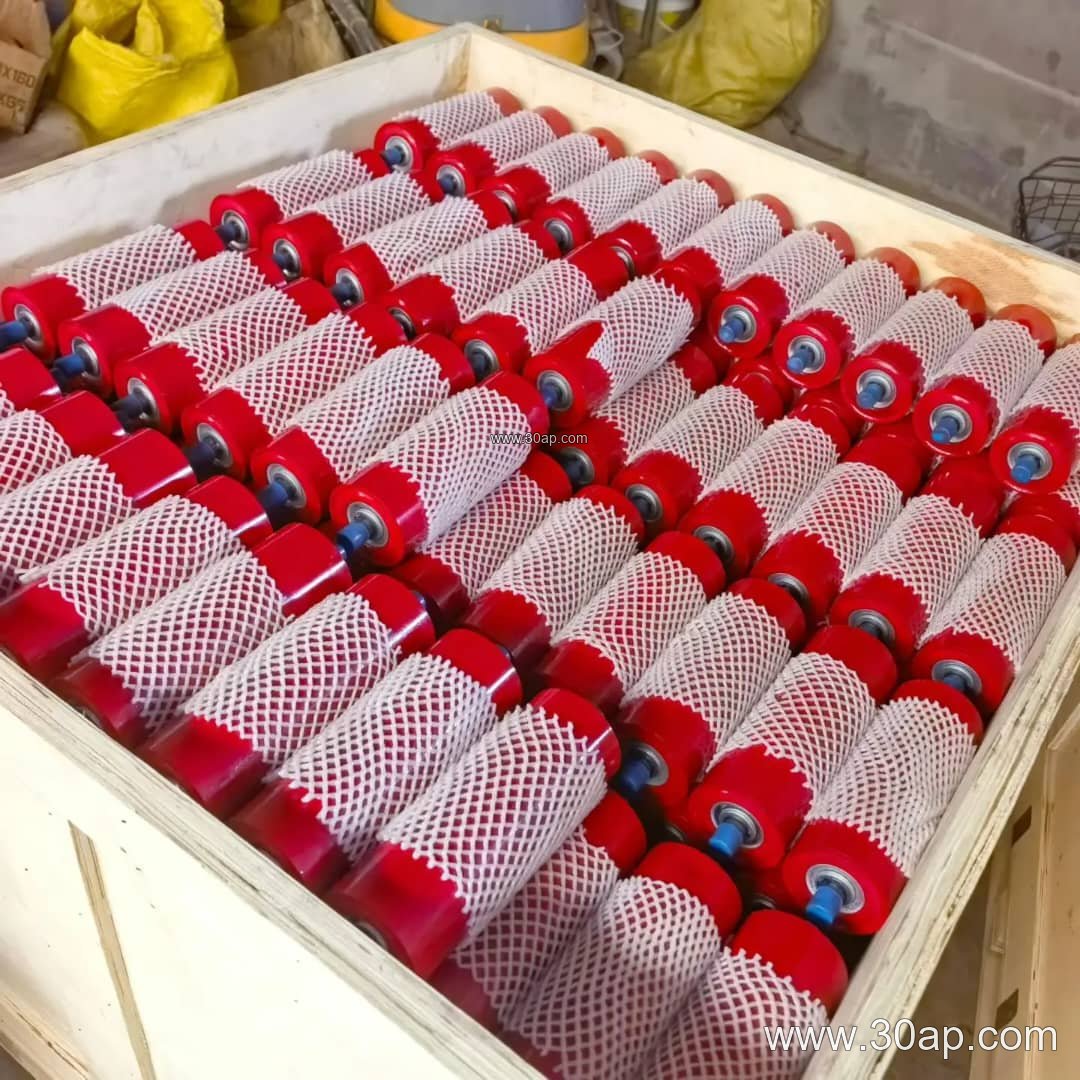
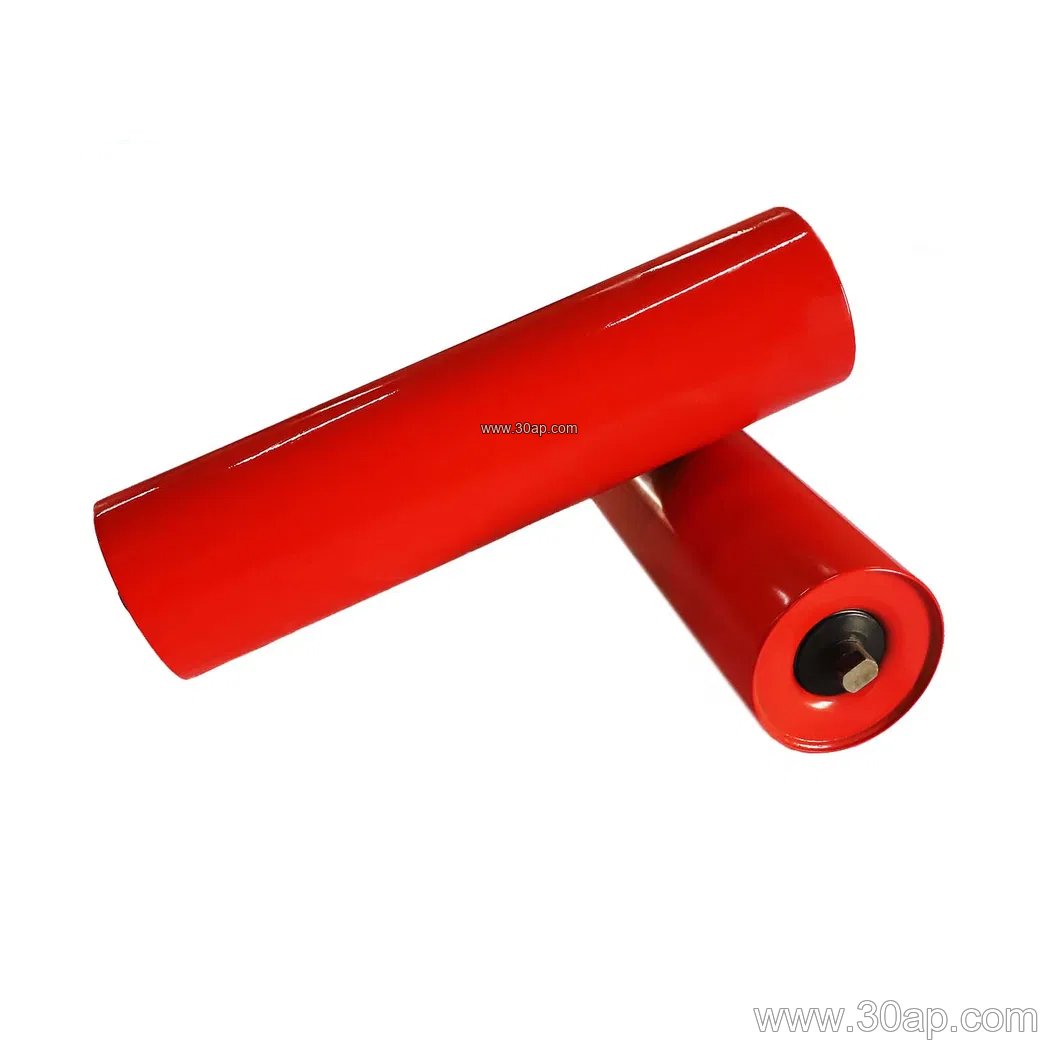
A dustproof and waterproof idler is a sealed conveyor roller designed to keep fine particles and moisture away from the bearing cavity. In dusty operations such as a limestone quarry or a cement plant, ordinary rollers can fail quickly when grit enters the seals. The dustproof and waterproof idler uses a multi-stage sealing arrangement so that the internal bearings stay clean and lubricated, even when the conveyor is washed down or exposed to rain. This idler roller is often specified for outdoor yards, tunnel portals, and wet processing areas where a standard roller would not last.
Construction and Sealing Details
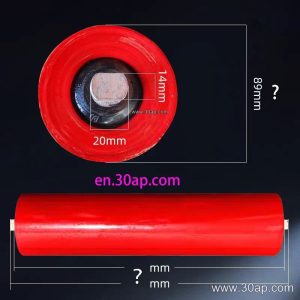
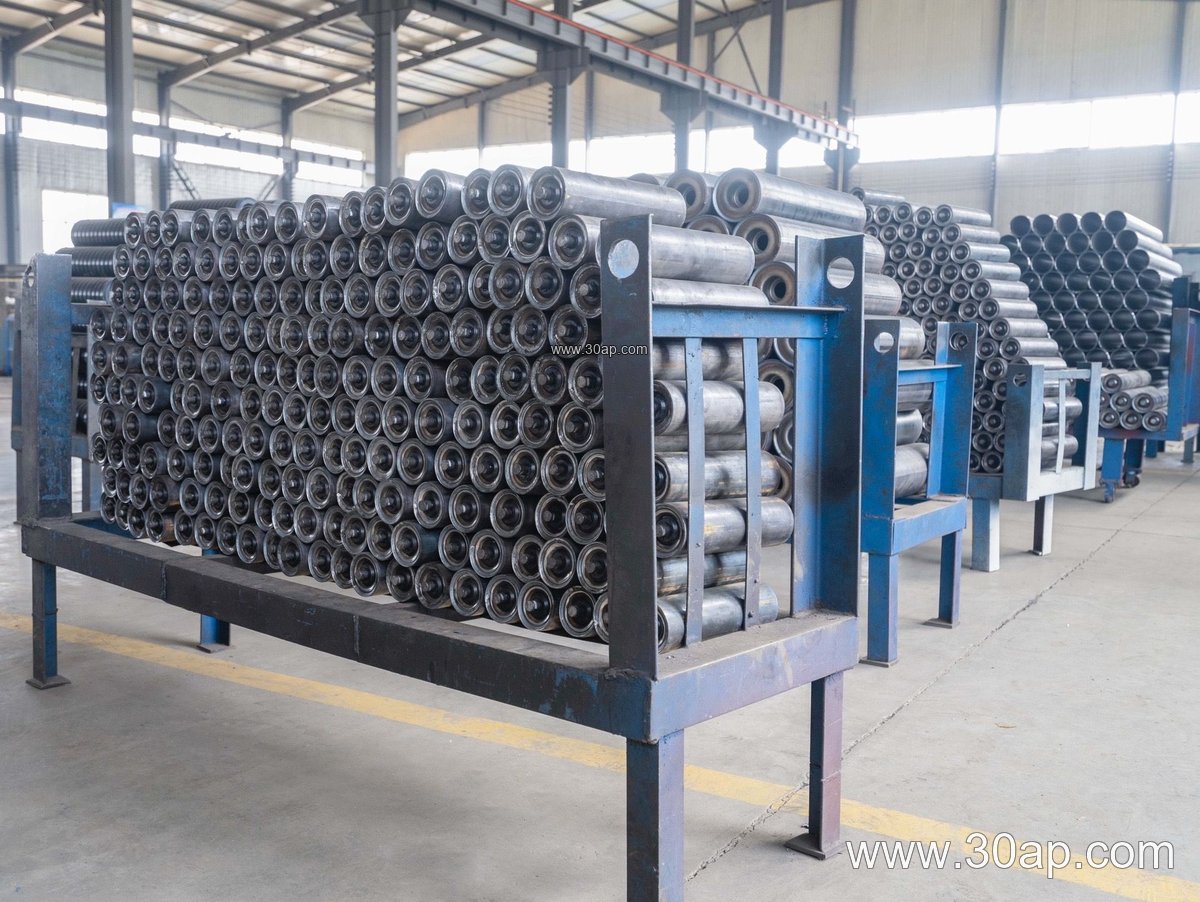
The typical dustproof and waterproof idler combines a steel tube shell, a labyrinth seal, and a contact lip seal. The labyrinth path slows airborne dust, while the lip seal blocks water spray. Bearings such as 6204, 6205, 6305, or 6308 are common, but the bearing size is matched to the roller diameter and load, not chosen in isolation. Roller diameters range from Ø63 to Ø219, and the shell may be plain steel, nylon, or rubber-covered depending on the application. For a dusty aggregate conveyor, a nylon shell can reduce material build-up, while a rubber ring version may be used on impact zones. The sealing system is the key difference from a standard idler roller, and it should be verified for the actual water pressure and dust concentration on site.
Where It Fits on the Conveyor
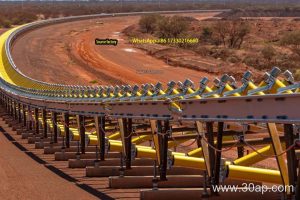
A dustproof and waterproof idler is most often used as a carrying idler on the upper run, but it can also serve as a return roller in wet or dusty conditions. In a coal mining conveyor or a power plant coal yard, these idlers help keep the conveyor belt tracking steady when dust is heavy. They are also found on quarry conveyor belts and aggregate conveyor belts that operate outdoors. The idler roller works together with the conveyor pulley and conveyor bracket, but it is not a substitute for a drive pulley or a tail pulley. For comparison, a bend pulley changes belt direction, while a dustproof idler only supports the belt. The same sealing principle can be applied to a V-type return idler or a troughing idler set when the environment demands it.
Common Sizes and Configurations
Dustproof and waterproof idlers are available in many belt width and roller length combinations. The table below shows typical examples, but final dimensions are determined by the conveyor design and the idler set arrangement.
| Belt Width | Example Roller Length (three-roll troughing) | Common Roller Diameter |
|---|---|---|
| B500 | 200 mm | Ø63–Ø89 |
| B650 | 250 mm | Ø76–Ø102 |
| B800 | 315 mm | Ø89–Ø108 |
| B1000 | 380 mm | Ø102–Ø133 |
| B1200 | 465 mm | Ø108–Ø159 |
| B1400 | 530 mm | Ø127–Ø178 |
| B1600 | 600 mm | Ø133–Ø194 |
| B1800 | 670 mm | Ø159–Ø219 |
Troughing angles of 20, 30, 35, and 45 degrees are common, and the idler set may be two-roll or three-roll. The roller length is not fixed by belt width alone; side rollers and center rollers can differ. A dustproof and waterproof idler for a 1200mm wide conveyor belt might use a different diameter than one for a 650mm belt, but the selection should follow the load and speed calculation.
Buyer Checklist for Dusty and Wet Operations
- Confirm the sealing class: ask for the labyrinth and lip seal arrangement, and whether the idler is suitable for wash-down or only for dust exposure.
- Match the roller diameter to the belt speed and load. A larger diameter such as Ø159 or Ø178 may be needed on a heavy-duty mining conveyor belt, while Ø89 or Ø102 can work on a smaller aggregate line.
- Check the bearing size and lubrication. Bearings 6205 and 6306 are common in medium-duty rollers, but the manufacturer should specify the grease fill and service interval.
- Consider the shell material. A nylon or ceramic surface can help in sticky material, while a rubber ring idler is better for impact zones near a crusher conveyor belt.
- Verify the idler fits the existing conveyor bracket and frame. The shaft end design must match the bracket slot, and the idler must not interfere with the conveyor pulley or belt cleaner.
For a coal mining conveyor belt or an underground mining conveyor belt, flame retardant and anti-static properties may also be required for the belt, but the idler itself should be selected for dust and water ingress protection. A dustproof and waterproof idler is not a replacement for a drive pulley, tail pulley, or bend pulley; it is a supporting component that keeps the belt running smoothly. When specifying, use the actual belt width, trough angle, and load to choose the roller diameter and length, and confirm the seal design with the supplier. This approach helps reduce downtime in quarries, cement plants, power stations, and port conveyor systems where dust and moisture are constant challenges.