What a Self-Aligning Idler Set Does
A self-aligning idler set is a group of rollers mounted on a pivoting frame that automatically corrects belt misalignment on a conveyor. Unlike fixed troughing or return idlers, this set reacts to a belt that drifts sideways by swiveling slightly, which encourages the belt to return to the center of the conveyor. It is a practical solution for longer runs, uneven loading points, or curves where a conveyor belt tends to wander. The set is often installed on the carrying side, but self-aligning return idler sets are also common under the belt to control tracking on the return strand.
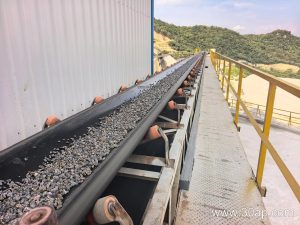
In industries such as coal mining, cement plants, power plant coal handling, and quarry operations, a misaligned belt can cause spillage, edge damage, and premature wear on the conveyor belt and pulleys. A self-aligning idler set helps reduce these issues without constant manual adjustment.
Construction and Key Components
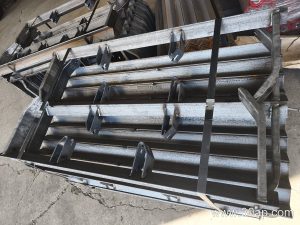
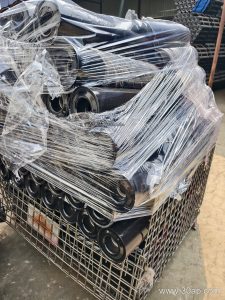
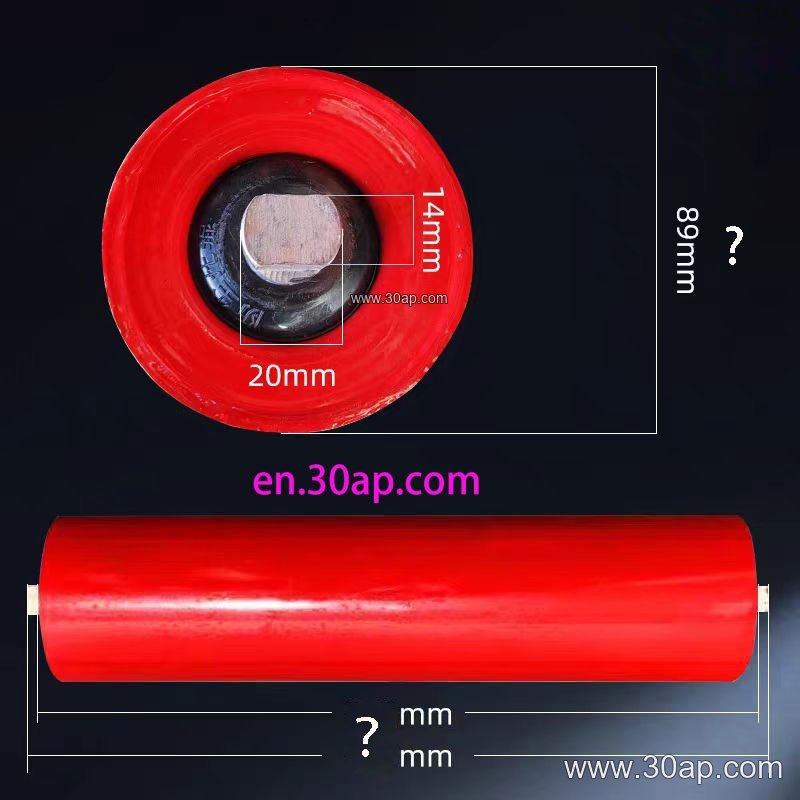
A typical self-aligning idler set consists of two or three idler rollers mounted on a common frame that pivots around a central shaft. The rollers may be steel, nylon, or rubber-covered, depending on the application. The frame is connected to a conveyor bracket that allows rotation. Friction or gravity-based mechanisms provide the corrective force. Common roller diameters for this type include Ø89, Ø108, Ø127, and Ø133 mm, though larger sizes like Ø159 or Ø178 mm may be used on high-capacity lines. Bearings such as 6205, 6305, or 6306 are frequently fitted, but the exact bearing is matched to the roller design and load, not to a single belt width.
Some self-aligning sets use tapered rollers to create a centering effect. The idler roller surface may be plain steel for general bulk materials, or rubber-covered for impact absorption in tough conditions. The pivot mechanism is usually sealed to keep out dust and water, which is important in dusty environments like coal mines and aggregate plants.
Where Self-Aligning Idler Sets Are Used
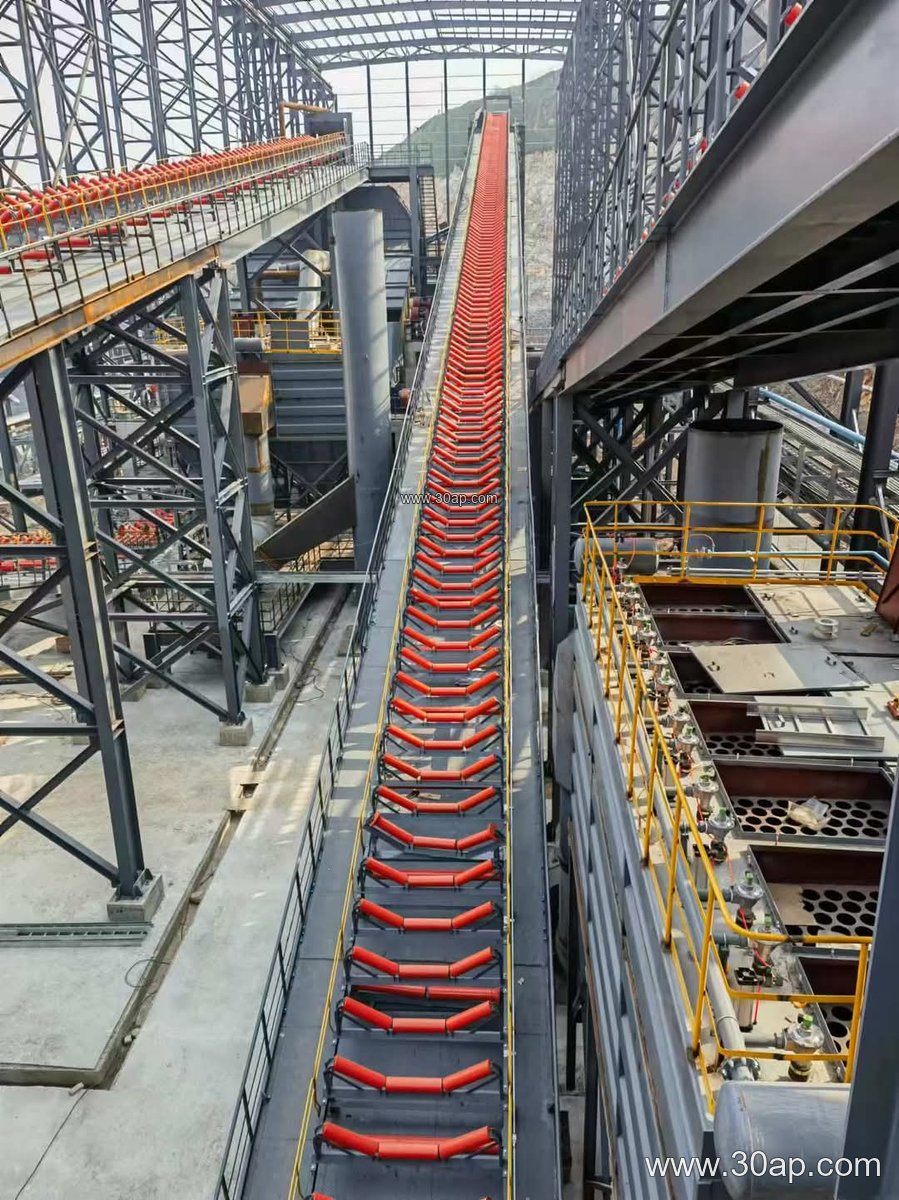
These sets are found on conveyors handling bulk materials in mining, cement, steel, and port facilities. For example, in a coal mining conveyor system, a self-aligning idler set on the return side helps keep the belt centered after the discharge point. In a limestone quarry, the set can be placed before the head pulley to ensure the belt enters the conveyor pulley squarely. They are also useful on shiftable conveyors in open-pit mines and on yard conveyors at power plants.
While troughing idlers support the loaded belt and impact idlers absorb falling material, the self-aligning set specifically addresses tracking. It is not a replacement for proper conveyor pulley alignment or adequate belt tension, but it complements those measures.
Selection and Sizing Notes
Choosing a self-aligning idler set involves matching the roller diameter and length to the conveyor belt width and the troughing angle. Common belt widths range from B500 to B2400, and the idler set should be sized accordingly. For a three-roll set, the roll length varies with belt width and trough angle; for instance, a B800 belt might use rolls around 315 mm long, while a B1200 belt may use 465 mm rolls. These are typical examples, not fixed rules. The trough angle (20°, 30°, 35°, or 45°) affects material containment and should be selected based on the material’s angle of repose and the conveyor design.
Buyers should also consider the operating environment. In dusty or wet conditions, sealed bearings and corrosion-resistant finishes are beneficial. For high-abrasion materials like iron ore or copper ore, rubber-covered rollers can extend service life. The pivot mechanism should be robust enough to handle the belt’s forward speed without excessive wear. It is wise to consult the conveyor designer to confirm the correct set for each location, as the needs of a transfer point differ from those of a long straight run.
Maintenance and Buyer Checklist
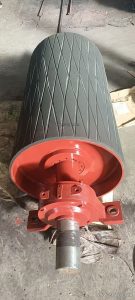
Regular inspection of the self-aligning idler set includes checking for free rotation of the rollers, wear on the pivot bushings, and build-up of material on the frame. A set that no longer pivots freely should be serviced or replaced to avoid belt tracking problems. When ordering, specify the belt width, desired roller diameter, trough angle, and mounting bracket type. Also state the material being conveyed and the ambient conditions, as these influence the choice of roller surface and bearing seals. Remember that a self-aligning idler set is one part of a complete conveyor system, and its performance depends on proper alignment of the drive pulley, tail pulley, and bend pulleys, as well as correct belt tension.
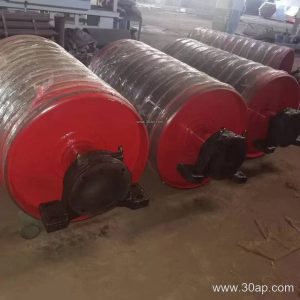
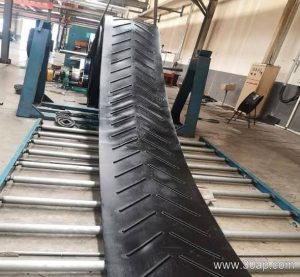
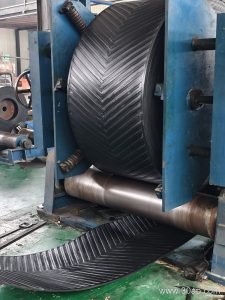
For operations handling abrasive or heavy loads, pairing the set with a high abrasion resistant conveyor belt and well-maintained conveyor pulleys will improve overall reliability. In coal mining, flame retardant and anti-static properties of the belt are also critical, but the idler set itself should be selected for mechanical durability and tracking accuracy.