What a Conveyor Bracket Actually Does
A conveyor bracket is the structural element that holds idler rollers in the correct position under and over the belt. It is not a glamorous component, but it decides whether a conveyor belt tracks straight, whether a trough keeps its shape, and whether maintenance crews can replace rollers without cutting into the frame. Procurement teams at quarries, limestone mines, cement plants, and power plant coal yards often treat brackets as an afterthought, then discover that mismatched hole spacing or a wrong trough angle causes belt edge damage and spillage.
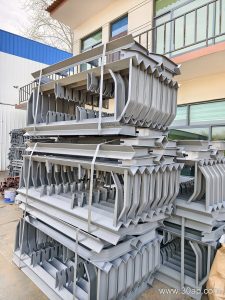
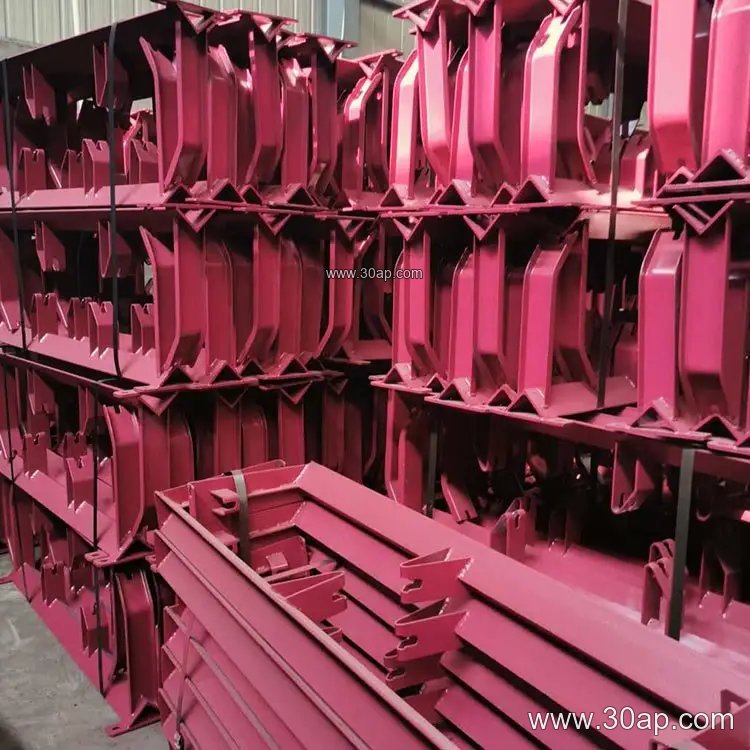
The bracket is usually fabricated from angle steel, channel steel, or folded steel plate. A slotted or bolted design is common because it allows field adjustment. When buyers ask for a conveyor bracket quotation, they should describe the mounting position, the belt width, the intended trough angle, and the roller diameter the bracket must accept.
Common Bracket Types and Where They Sit
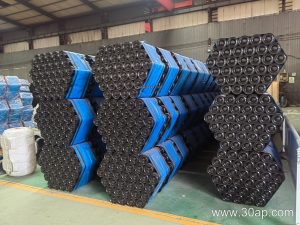
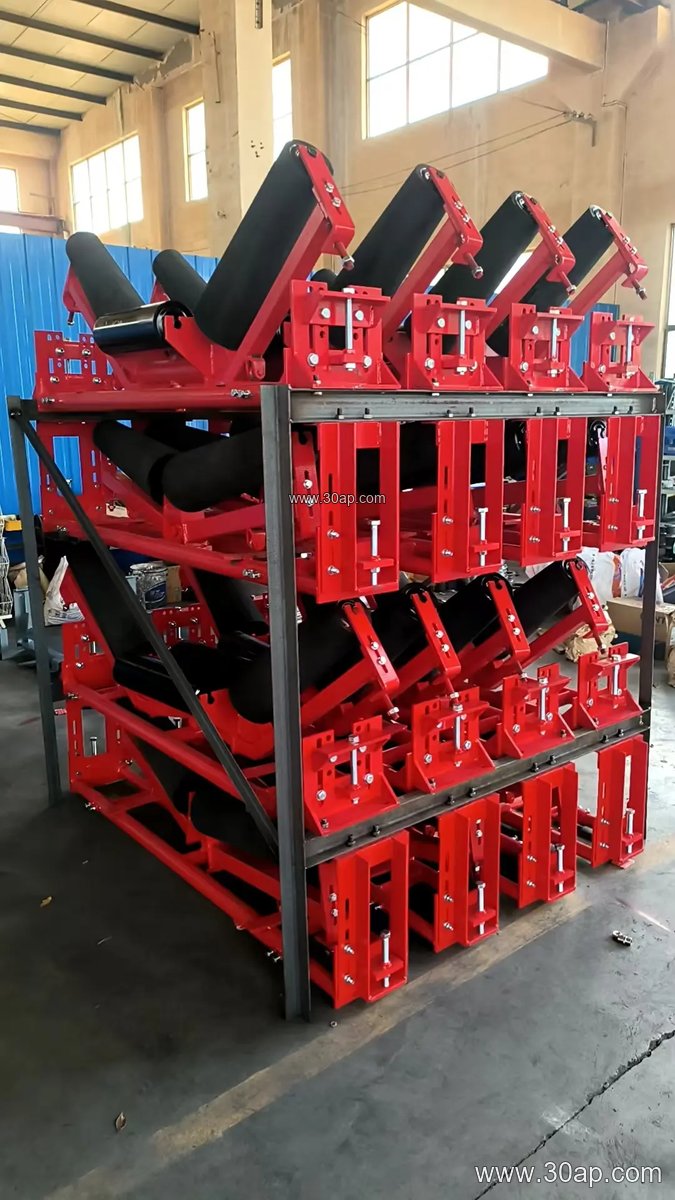
Carrying-side brackets include the standard trough bracket and the transition bracket near pulleys, where the belt gradually changes from flat to troughed. Return-side brackets include the flat return bracket and the V-return bracket, which helps center the belt on the return run. Impact brackets sit under loading points, while self-aligning and forward-leaning brackets address tracking on long runs.
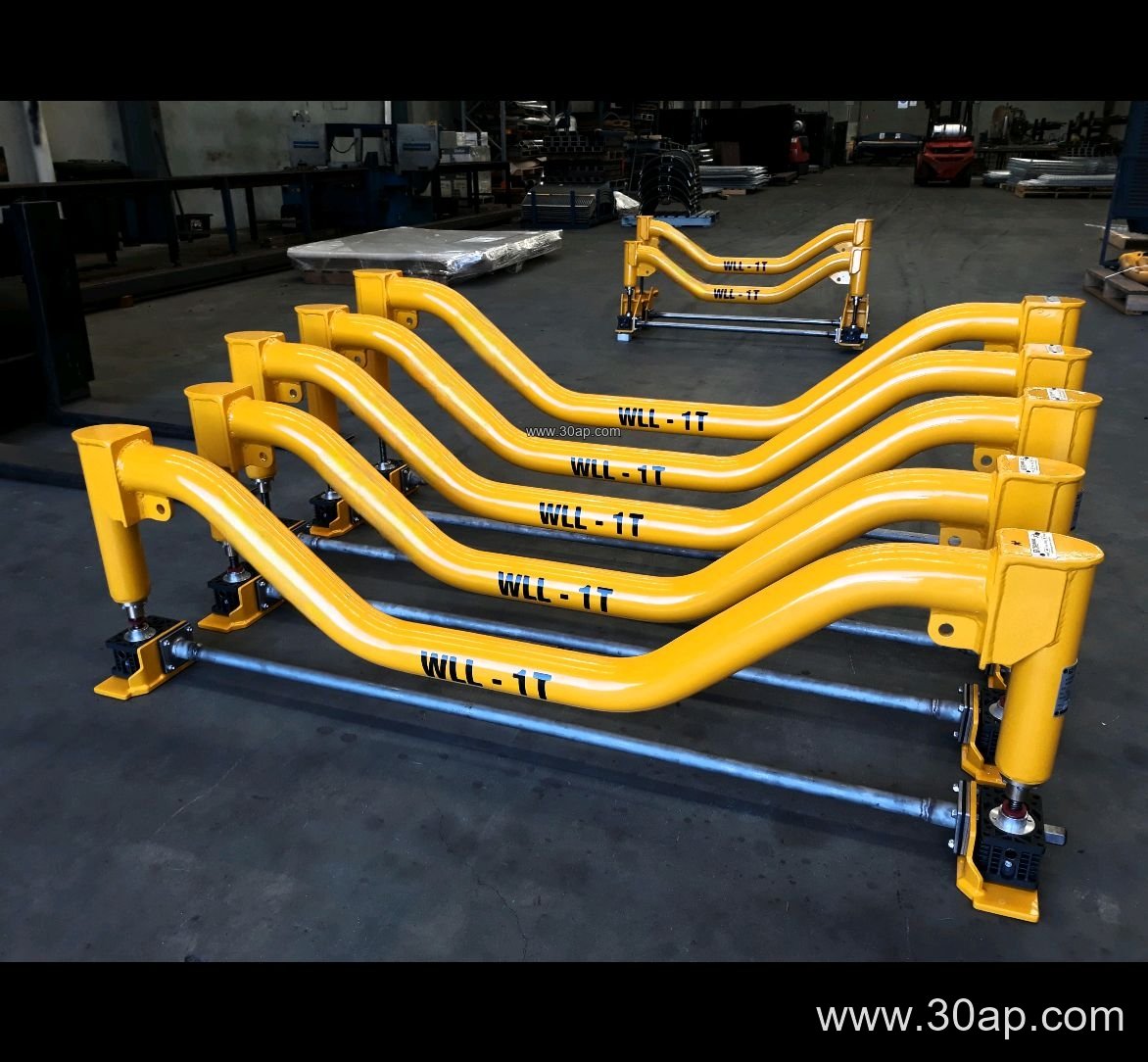
- Trough bracket and upper trough bracket: support three-roller carrying idlers.
- Transition bracket: placed near the head or tail to control belt stress.
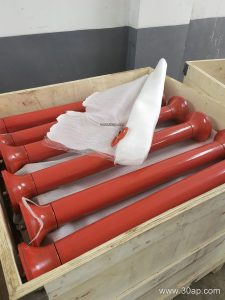
- Return bracket and V-return bracket: support the empty belt.
- Impact bracket: reinforced under chutes and transfer points.
- Self-aligning bracket: corrects minor misalignment.
- Adjustable bracket: allows trough angle changes in the field.
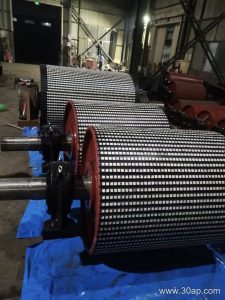
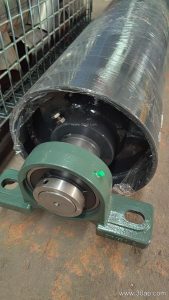
These are not interchangeable. A return bracket cannot replace a trough bracket, and a bend pulley position is a different design question from a carrying bracket. Drive pulleys, tail pulleys, and bend pulleys each have their own support and alignment needs, so bracket procurement should follow the conveyor layout drawing.
Matching Belt Width, Trough Angle, and Roller Diameter
Belt width and roller diameter are related by design, not by a fixed rule. A B800 conveyor might run a 35 degree trough with Ø108 rollers, while a B1200 conveyor in a cement plant may use 45 degrees with Ø133 rollers. A B650 line in a small sand and gravel plant often uses 30 degrees with Ø89 rollers. None of these combinations is mandatory; the engineer confirms them against load, belt stiffness, and transition distance.
| Parameter | Common Reference Values |
|---|---|
| Belt width | B500, B650, B800, B1000, B1200, B1400, B1600, B1800, B2000 |
| Trough angle | 20, 30, 35, 45 degrees |
| Roller diameter | Ø89, Ø108, Ø133, Ø159, Ø194 |
| Material | Angle steel, channel steel, folded plate |
Installation hole spacing and crossbeam length change with belt width and trough angle. Buyers should not assume that one belt width locks in one shaft diameter or one bracket length. Forward-leaning brackets usually sit around 1.5 to 2 degrees, a small detail that matters on high-speed lines.
Procurement Checks Before Ordering
Start with the conveyor drawing and confirm the bracket type, the roller diameter, and the mounting hole pattern. Ask whether the frame is bolted or welded, and whether adjustable slots are needed for future trough angle changes. Confirm the surface treatment, because dusty coal yards and wet aggregate plants punish poorly coated steel.
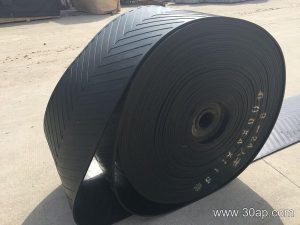
Consider the belt family in service. A heavy-duty mining conveyor belt on an ore conveyor belt line may need stronger brackets than a light food grade conveyor belt. On a pipe conveyor belt or a corrugated sidewall conveyor belt, bracket geometry is governed by the special idler arrangement, so standard trough brackets will not fit. Where a chevron conveyor belt or skirted conveyor belt runs, check clearance around the bracket and roller ends.
Finally, ask for the bracket drawing with dimensions rather than a generic photo. A bracket that matches the idler roller frame and the conveyor pulley centerline reduces installation time and belt mistracking.
Keeping Brackets Serviceable
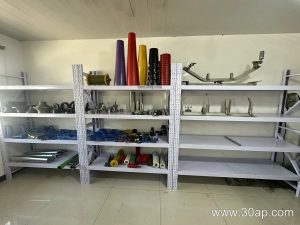
During operation, check for loose bolts, bent crossbeams, and seized rollers that overload the bracket. Replace corroded brackets before they distort the trough profile. Spare brackets stored by type and belt width shorten shutdowns in crusher circuits, ship loading terminals, and sinter plants. Good conveyor bracket procurement is less about the lowest unit cost and more about a bracket that fits the first time.