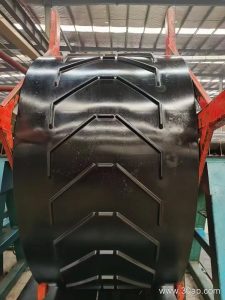
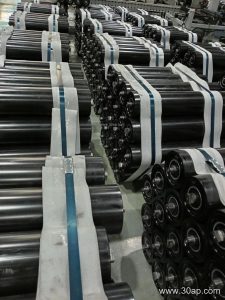
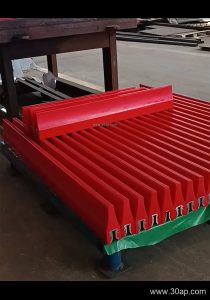
What a Conveyor Belt Pulley Does
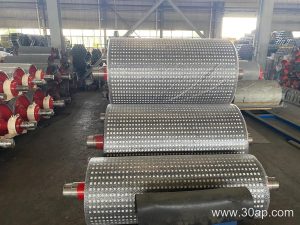
A conveyor belt pulley is the rotating drum that carries and guides the belt at the ends and along the route of a conveyor. It transfers motion, maintains tension and changes belt direction. In a typical system the drive pulley, also called the head pulley, pulls the belt and discharges material; the tail pulley at the loading end supports the return side. Bend pulleys, take-up pulleys and snub pulleys guide the belt through tensioning and transition zones. These roles are distinct and not interchangeable, so matching each pulley to its duty matters more than choosing a single general-purpose drum.
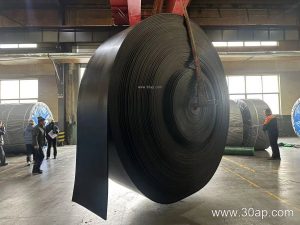
Pulleys work together with the conveyor belt, idler rollers and conveyor brackets. On a quarry conveyor belt line or a cement plant clinker route, a poorly matched drum can cause belt tracking problems, premature cover wear or slip at the drive.
Construction and Surface Options
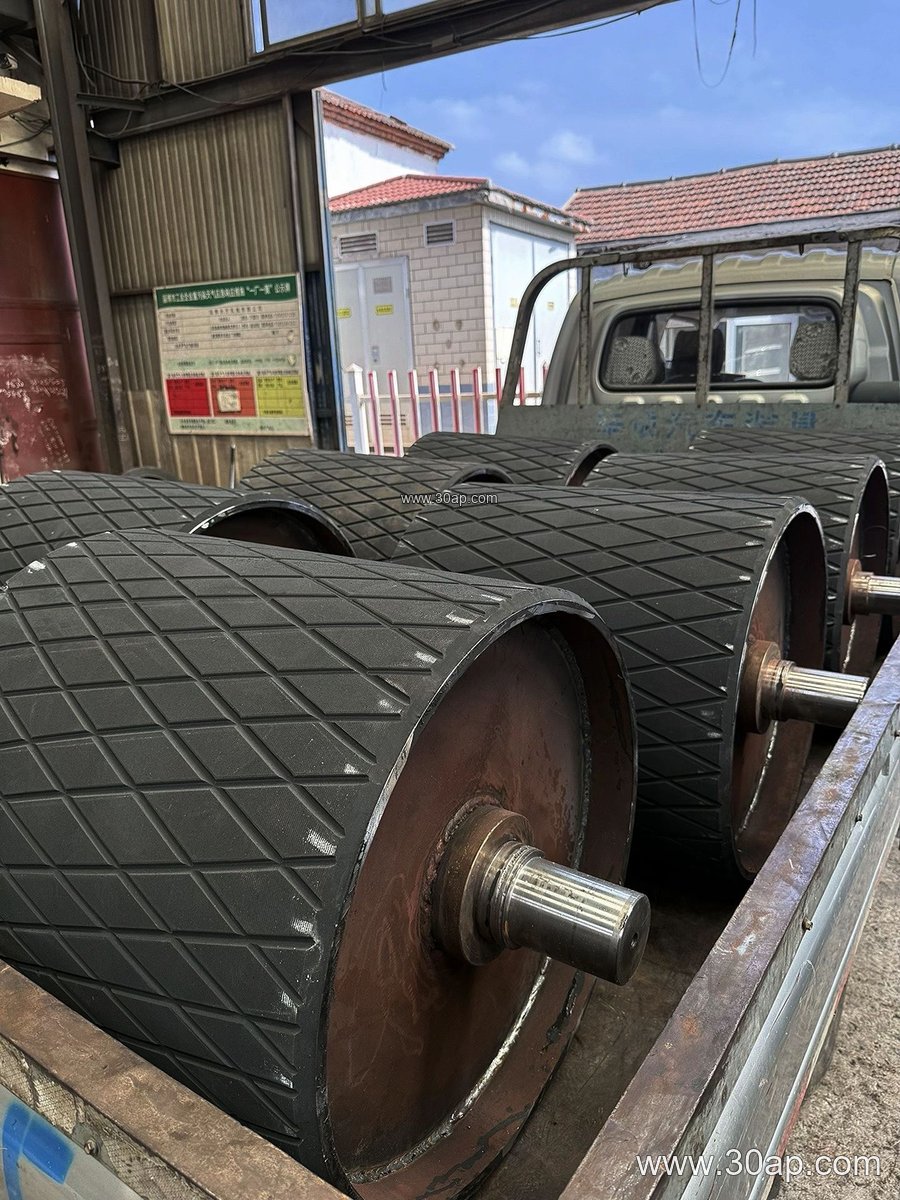
Most industrial pulleys combine a steel shell, end discs, a shaft and bearing housings. The shell may be plain or covered with rubber, ceramic or other lagging to improve grip and protect the belt. Common surface forms include plain, hot-vulcanized rubber, cold-bonded rubber, diamond lagging, herringbone lagging and ceramic lagging. Lagging thickness is often 8, 10, 12, 15 or 20 mm depending on the application. Drive pulleys usually need higher friction, while bend and tail pulleys may use plain or lightly lagged surfaces.
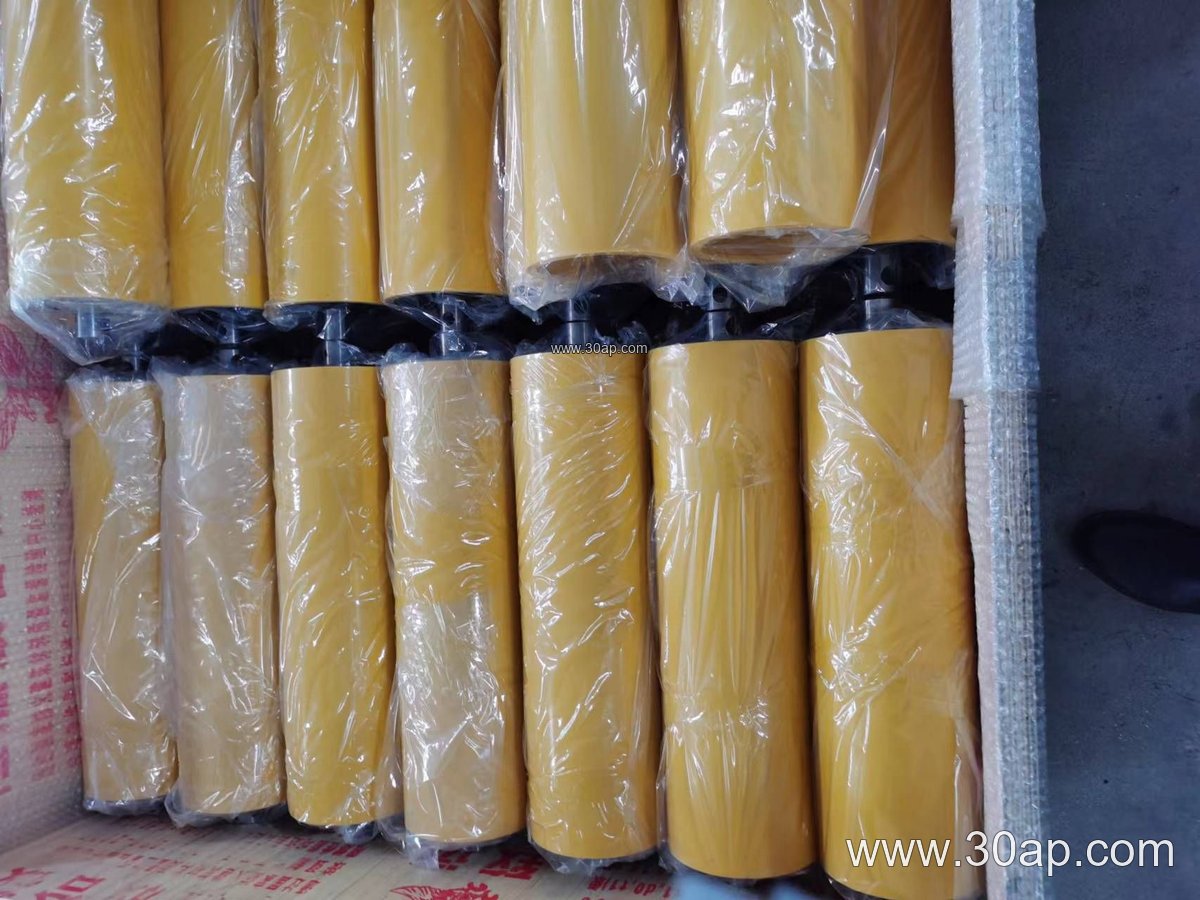
Typical reference dimensions
The values below are common reference ranges, not fixed rules. Final dimensions are determined by belt tension, torque, shaft load and conveyor design.
| Parameter | Common reference values |
|---|---|
| Belt width B | B400, B500, B650, B800, B1000, B1200, B1400, B1600, B1800, B2000, B2200, B2400 |
| Pulley diameter | Ø200, Ø250, Ø315, Ø320, Ø400, Ø500, Ø630, Ø800, Ø1000, Ø1250, Ø1400, Ø1600, Ø1800 |
| Face width | Usually wider than the belt, e.g. B400 about 500 mm, B800 about 950 mm, B1200 about 1400 mm, B1600 about 1800 mm |
| Shaft diameter | Ø50, Ø60, Ø70, Ø80, Ø90, Ø100, Ø120, Ø140, Ø160, Ø180, Ø200 |
| Lagging thickness | 8, 10, 12, 15, 20 mm |
Example combinations such as B800 × Ø500, B1200 × Ø1000 or B1400 × Ø800 appear in project drawings, but one belt width does not dictate one pulley diameter. Shaft size follows calculated torque and load rather than belt width alone.
Where It Is Used
Pulleys appear wherever bulk material moves continuously. In an iron ore or copper ore operation, head and tail pulleys handle abrasive loads and often pair with an abrasion resistant conveyor belt. In a coal washing plant, flame retardant and anti-static belt grades are common, and the drive pulley must maintain grip in wet conditions. Power plant coal handling, port ship loading, aggregate crushing circuits and fertilizer or grain silos all rely on correctly sized drums.
A heavy-duty mining conveyor belt places high tension on the drive pulley, while a pipe conveyor belt or corrugated sidewall belt may need special drum profiles and careful transition geometry. In food and chemical lines, oil resistant or heat resistant belts influence the lagging choice.
Buyer Checklist
- Confirm the pulley role: drive, tail, bend, take-up or snub. Each has different load and friction requirements.
- Match diameter to belt tension and minimum bend radius, not to belt width alone.
- Specify lagging type and thickness for the environment: ceramic for abrasive ore, rubber for general grip, plain for light duty.
- Check shaft diameter against calculated torque and bearing load.
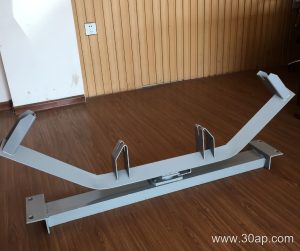
- Verify face width and pulley position relative to the belt and conveyor brackets.
- Consider belt grade compatibility, including EP conveyor belt, steel cord conveyor belt and multi-ply fabric core options.
For more information on matching drums with belting and idler rollers, visit conveyor belt pulley resources at www.example.com/conveyor-belt-pulley. A pulley that fits the belt, the load and the maintenance plan will keep a conveyor running smoothly in quarry, mining, cement or port service.