What a Coal Mining Conveyor Belt Does Underground and Above Ground
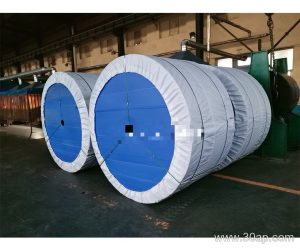
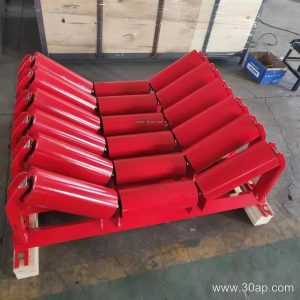
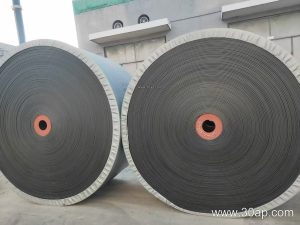
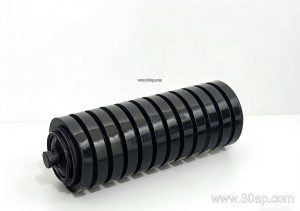
A coal mining conveyor belt is the load-carrying element of a continuous haulage system that moves raw coal from the face, through transfer points, and on to stockpiles, preparation plants, or rail and port loading facilities. Unlike a general-purpose belt in a warehouse, this product works under constant abrasion, variable lump size, dust, moisture, and often restricted ventilation. The belt itself is only one part of the line; conveyor pulleys, idler rollers, and conveyor brackets set the path and support the load, but the belt determines how much material can be carried and how long the system runs between stoppages.
The same product is also described as a coal conveyor belt or a mining conveyor belt, and in underground layouts as an underground coal mining conveyor belt. These are equivalent names for the same article, not different products.
How the Belt Is Built
Most coal haulage belts are fabric-reinforced or steel-reinforced rubber composites. The carcass provides tensile strength and resistance to impact, while the top and bottom covers protect it from cutting, wear, and moisture. Common constructions include:
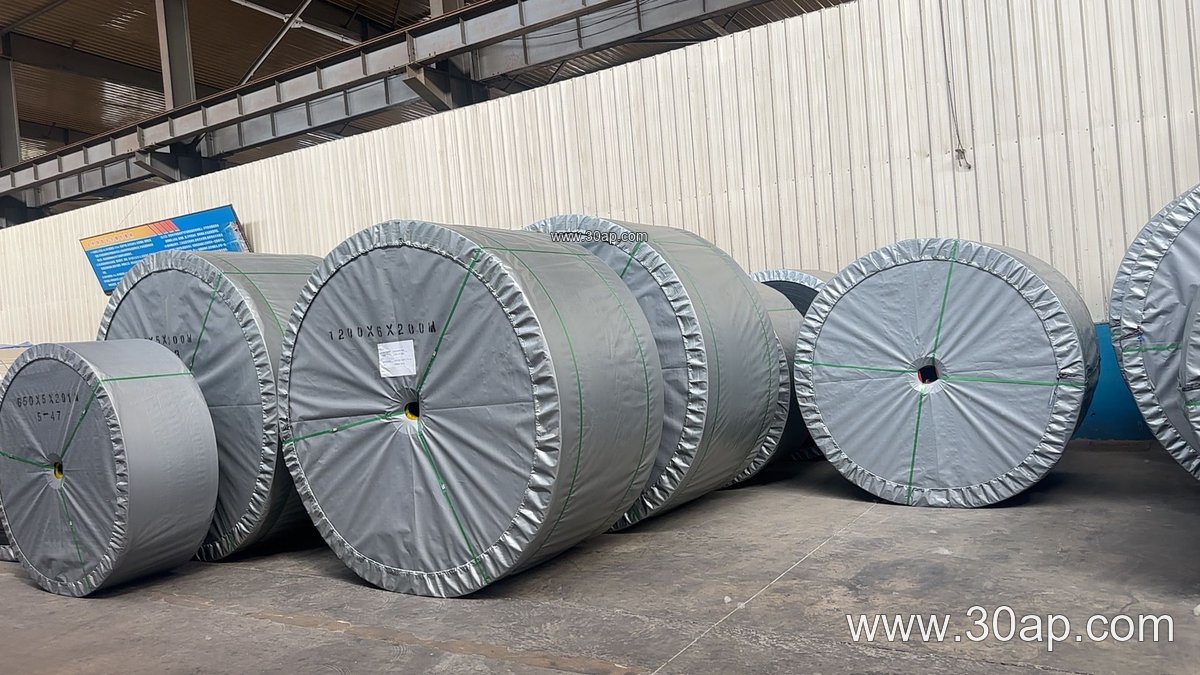
- EP conveyor belt with polyester-polyamide fabric plies, widely used for main haulage and drift conveyors.
- NN conveyor belt with nylon fabric plies, chosen where high flexibility and impact absorption matter.
- Steel cord conveyor belt for long center distances and high tonnage where fabric stretch would be excessive.
- PVG conveyor belt and PVC conveyor belt, which use synthetic covers and are often specified for underground coal mining conveyor belt duties where flame resistance is required.
Cover compounds are matched to the duty. A typical coal line may use an abrasion resistant conveyor belt, a flame retardant conveyor belt, an anti-static conveyor belt, or a combination. Where coal is screened hot or conveyed near dryers, a heat resistant conveyor belt may be needed. In cold climates, a cold resistant conveyor belt keeps flexibility at low temperature. Surface patterns such as a chevron conveyor belt or corrugated sidewall conveyor belt help on inclines or where material must be contained, while a pipe conveyor belt encloses the load for dust control.
Typical Specifications
Values below are common reference points, not fixed universal ratings. Final construction is confirmed by design and by the belt manufacturer.
| Parameter | Common reference values |
|---|---|
| Fabric strength grades | EP200, EP315, EP400, EP500, EP630, EP800, EP1000, EP1250, EP1600, EP2000 |
| Steel cord grades | ST1000, ST1250, ST1600, ST2000, ST2500, ST3150 |
| Belt width | B500, B650, B800, B1000, B1200, B1400, B1600, B1800, B2000 |
| Cover thickness | 3+1.5 mm, 4+2 mm, 5+2 mm, 6+2 mm, 8+3 mm |
| Carcass plies | Usually 2 to 6 fabric layers |
Width and strength are selected together with the conveyor profile. A narrow face conveyor and a wide trunk conveyor will not share the same specification, and belt width does not dictate a single pulley diameter. Drive, tail, and bend pulleys each have their own design rules and are not interchangeable.
Where It Is Used
Coal is the obvious duty, but the same belt family serves adjacent industries. Cement plants, power plants, steel plants, quarries, sand and gravel yards, and port loading terminals all rely on bulk material conveyor belts. A quarry conveyor belt or aggregate conveyor belt handling sharp rock may need heavier covers than a coal line, while a crusher conveyor belt must absorb impact at the feed point. Iron ore, copper ore, and gold mining operations use similar carcass designs with covers matched to ore abrasion and moisture.
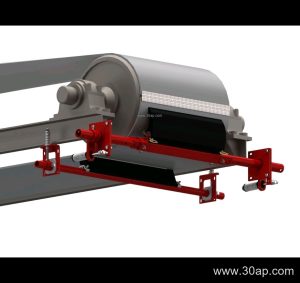
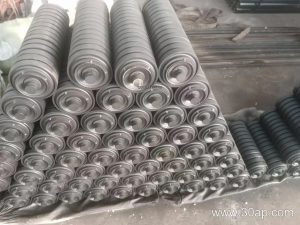
In practice, a coal mining conveyor belt is often part of a system that includes a conveyor pulley at the head and tail, idler rollers spaced along the carry and return sides, and conveyor brackets that hold the structure square. Buyers should treat the belt, rollers, and pulleys as one matched set rather than buying each item in isolation.
What Buyers Should Check
- Confirm the actual duty: lump size, moisture, temperature, oil or chemical exposure, and whether the line runs underground.
- Match cover grade to the dominant wear mode; abrasion, impact, and flame resistance are separate requirements.
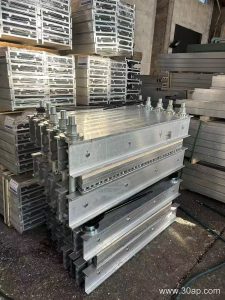
- Check splice method and whether an endless conveyor belt is required for a specific take-up arrangement.
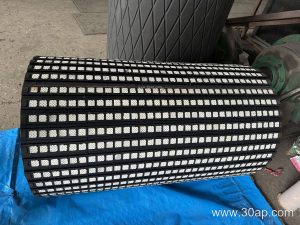
- Review pulley and roller compatibility, including lagging and idler spacing, before ordering.
- Ask for the manufacturer’s own data sheet rather than relying on generic grade names.
For buyers sourcing through a supplier such as www.made-in-china.com or a specialist belt manufacturer, the practical rule is simple: describe the conveyor, not just the belt. A clear duty description returns a better-matched coal mining conveyor belt and fewer surprises at commissioning.