What a Belt Conveyor Bracket Does
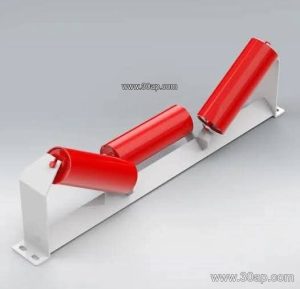
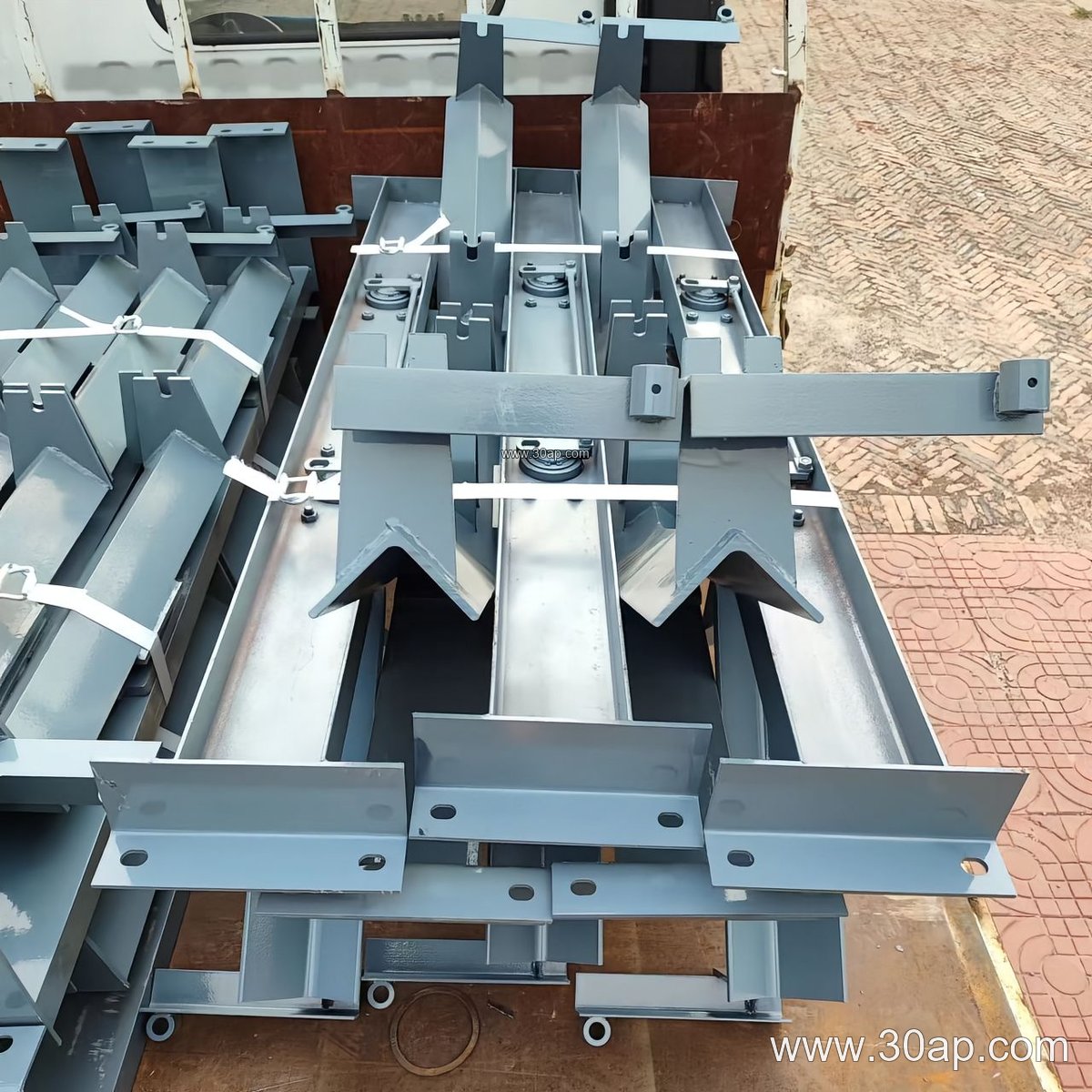
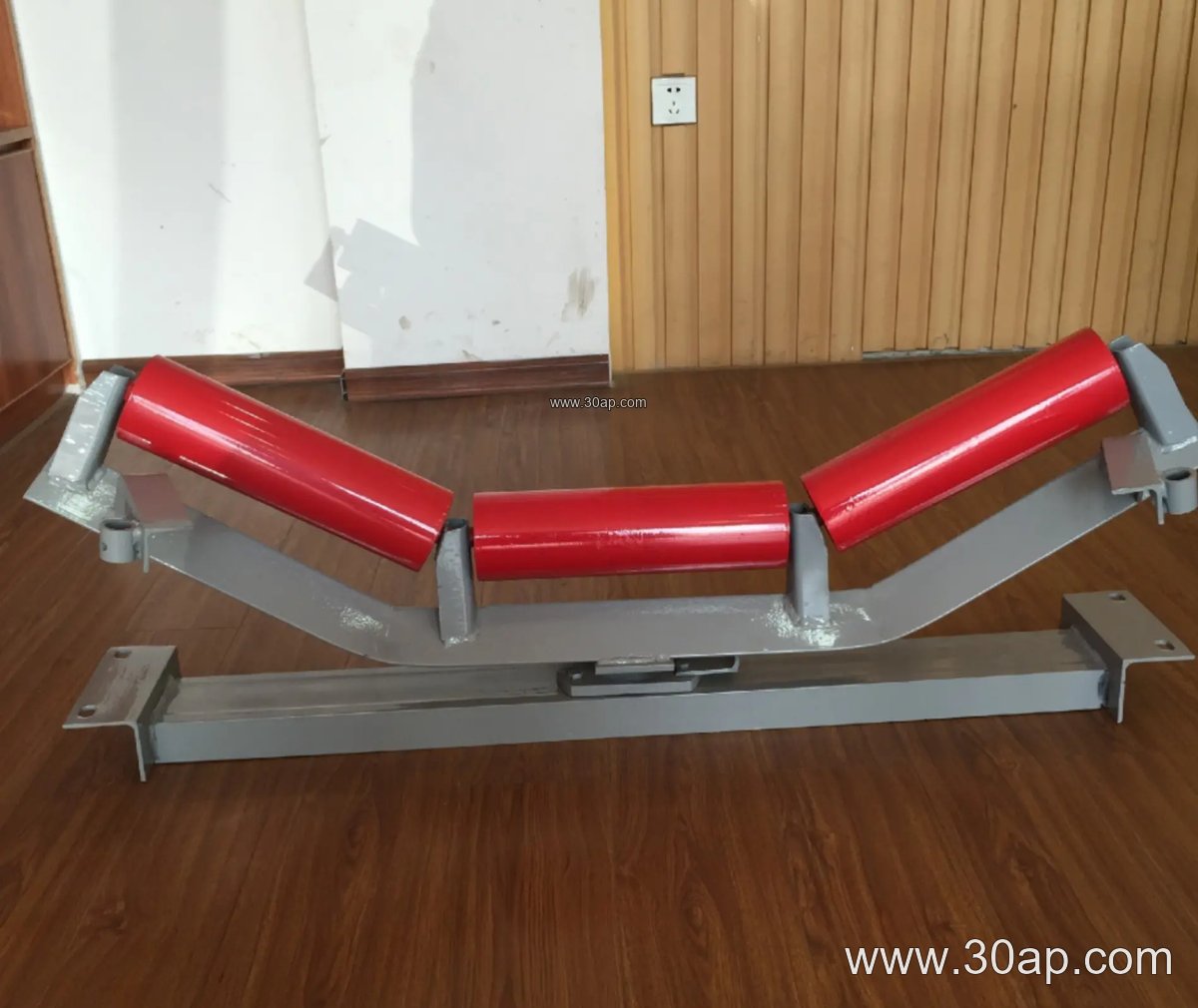
A belt conveyor bracket is the structural support that holds idler rollers in the correct position under or along the conveyor belt. It transfers the load from the belt and material to the conveyor frame. In a typical troughing arrangement, the bracket sets the trough angle and keeps the rollers aligned, so the belt trains properly and material stays centered. This component is often called a conveyor bracket or idler support bracket, and its design directly affects belt life and maintenance frequency.
From a quarry conveyor line to a coal mining conveyor belt system, the bracket must match the belt width, roller diameter, and load profile. A poorly matched bracket can cause belt edge damage, spillage, or premature roller failure.
Construction and Common Types
Most brackets are fabricated from angle steel, channel steel, or folded steel plate. The material thickness and welding quality determine how well the bracket resists vibration and impact. Common configurations include:
- Troughing bracket (carrying side) – sets the trough angle, often 20°, 30°, 35°, or 45°.
- Return bracket (flat or V-return) – supports the belt on the return run.
- Impact bracket – used at load points to absorb material impact.
- Transition bracket – gradually changes belt shape near pulleys.
- Self-aligning bracket – helps correct belt misalignment.
- Adjustable bracket – allows trough angle changes on site.
For a B800 belt with 35° trough and Ø108 rollers, the bracket length and mounting hole spacing are determined by the belt width and roller frame dimensions. A B1200 system with 45° trough and Ø133 rollers will use a different bracket geometry. These are common examples, not fixed rules; final dimensions are set by the conveyor design.
Where It Is Used
Belt conveyor brackets appear in almost every bulk handling industry. In a limestone quarry or sand and gravel line, troughing brackets support the belt through the crushing and screening circuit. In a coal washing plant, flame retardant conveyor belt and anti-static belt grades are common, and the brackets must resist dust and moisture. Cement plants use brackets on clinker and raw meal conveyors, while power plant coal handling systems rely on robust brackets for continuous operation.
In port ship loading, long overland conveyors use many brackets to keep the belt stable. Steel plants, fertilizer plants, and grain silos also use these components. The bracket is always part of a system that includes conveyor pulleys, idler rollers, and the belt itself.
Matching Bracket to Belt and Roller
Selection starts with belt width and roller diameter. Common belt widths include B500, B650, B800, B1000, B1200, B1400, B1600, B1800, and B2000. Roller diameters are often Ø89, Ø108, Ø133, Ø159, or Ø194. The bracket must provide the correct mounting height so the belt sits properly on the rollers.
Trough angle affects material capacity and belt stress. A 30° trough is common for general bulk material, while 35° or 45° may be used for higher capacity or to prevent spillage. Adjustable brackets allow changing the trough angle between these values. Forward tilt of about 1.5° to 2° is sometimes used on carrying idlers to help belt tracking.
When specifying, note that one belt width can match several roller diameters and trough angles. For example, EP conveyor belt and NN conveyor belt systems may use different bracket designs depending on load and speed. Heavy-duty mining conveyor belt applications often require reinforced brackets and larger roller diameters.
What Buyers Should Check
- Confirm the bracket type matches the conveyor station (carrying, return, impact, transition).
- Verify belt width and roller diameter compatibility.
- Check material and finish for the environment (dust, moisture, corrosive atmosphere).
- Review mounting dimensions with the conveyor frame drawing.
- Consider adjustable brackets if future changes in trough angle are expected.
For more information on related components such as conveyor belt, idler roller, and conveyor pulley, visit our site at www.example.com/conveyor-bracket. A well-chosen belt conveyor bracket reduces downtime and keeps the belt running true in demanding industries from mining to power generation.