What a Cold Resistant Conveyor Belt Is
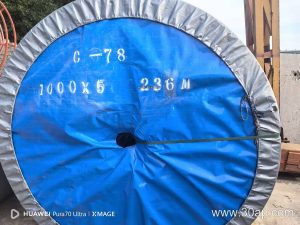
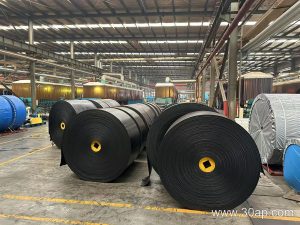
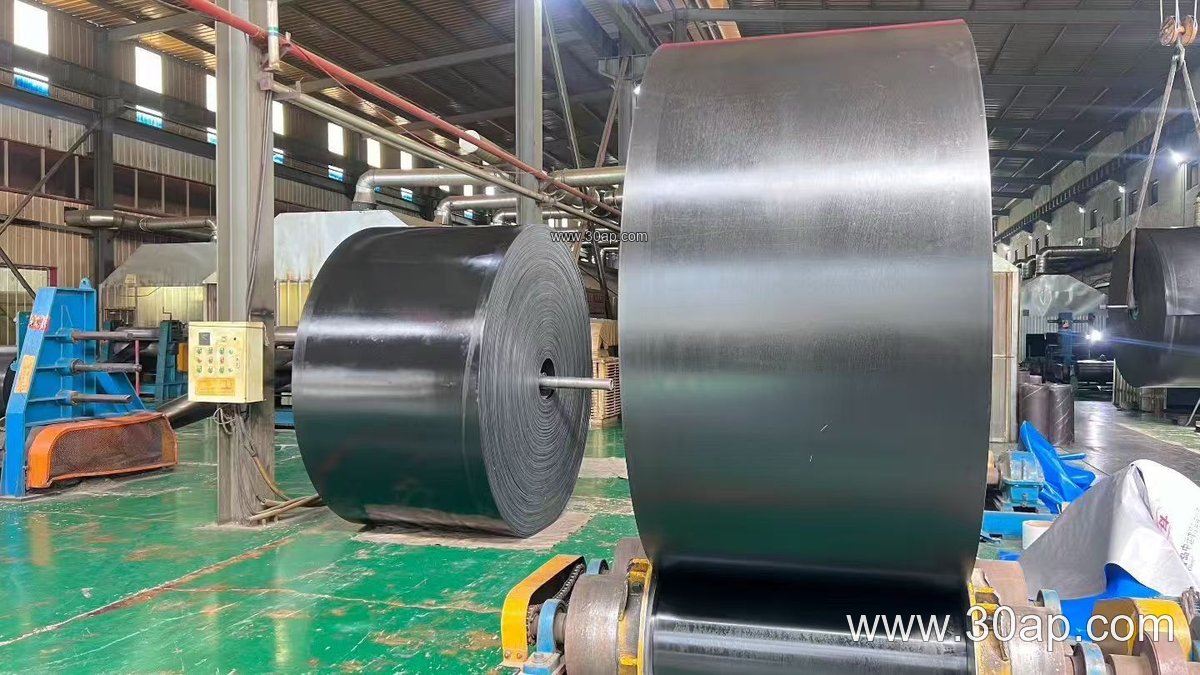
A cold resistant conveyor belt is a fabric-reinforced rubber belt engineered to stay flexible when ambient temperatures drop below the range where standard belting becomes stiff and brittle. In practice, this usually means a rubber compound that keeps a low glass transition point, combined with a carcass that tolerates repeated flexing around pulleys without cracking. Buyers often refer to the same product as a low-temperature conveyor belt or arctic-grade belt. The purpose is simple: keep the belt troughing, tracking and running smoothly on conveyors that operate in cold climates, unheated transfer houses, or refrigerated processing areas.
How the Belt Is Built
The construction follows the same layered logic as other fabric belts, but each layer is adjusted for cold duty. The carcass is typically an EP conveyor belt or NN conveyor belt design with multiple plies, and the rubber covers use polymers and plasticizers selected to remain elastic at low temperature. Cover thickness is often expressed as top plus bottom, for example 4+2 mm or 6+2 mm, and the number of plies is commonly 2 to 6 depending on tension. A cold resistant conveyor belt is not the same as a heat resistant conveyor belt or an oil resistant conveyor belt, and it should not be substituted for those duties. Likewise, a flame retardant conveyor belt used underground may also need cold resistance, which is why compound and carcass are usually specified together rather than separately.
Where It Fits in Cold Duty
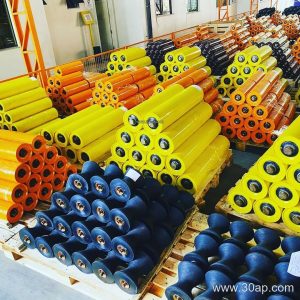
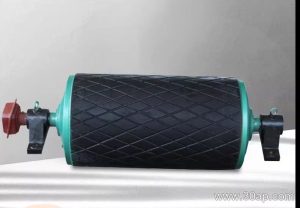
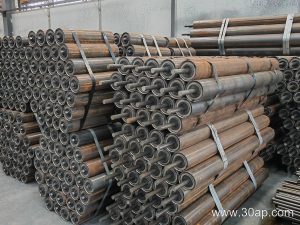
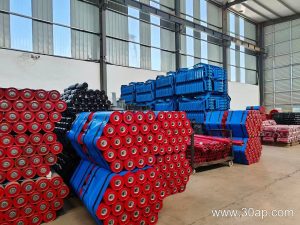
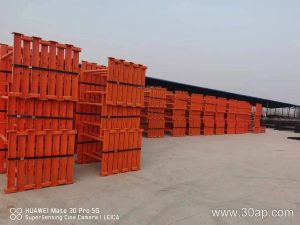
Typical users include mines and quarries in cold regions, cement plants and power plants with outdoor coal yards, sand and gravel operations that run through winter, and port or ship loading systems exposed to freezing wind. In these plants the belt works alongside conveyor pulleys, idler rollers and conveyor brackets that are also chosen for low temperature, because a flexible belt on a stiff roller still causes tracking problems. Underground mining conveyors in cold shafts and surface coal handling lines frequently pair a cold resistant conveyor belt with anti-static and flame retardant properties. A pipe conveyor belt or corrugated sidewall belt may also be ordered in a cold-resistant compound when the route is exposed and the material must be contained.
Common Specification Reference
The values below are typical reference points, not universal guarantees. Actual construction is set by the conveyor design and confirmed with the supplier.
Typical cold resistant belt data
| Item | Common reference values |
|---|---|
| Strength grades | EP200, EP315, EP400, EP500, EP630, EP800, EP1000, EP1250, EP1600 |
| Belt widths | B500, B650, B800, B1000, B1200, B1400, B1600, B1800, B2000 |
| Cover thickness (top + bottom) | 3+1.5 mm, 4+2 mm, 5+2 mm, 6+2 mm, 8+3 mm |
| Carcass plies | 2 to 6 layers, by design |
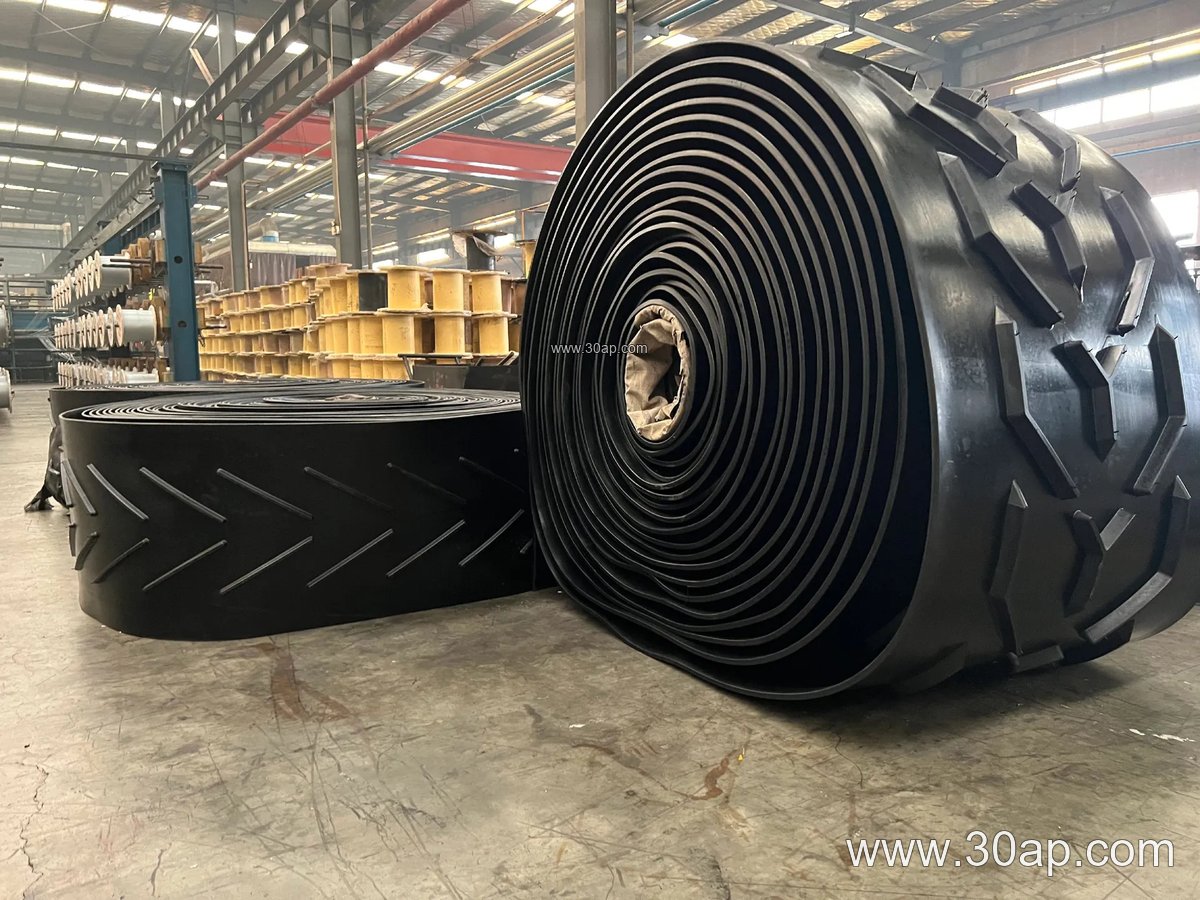
| Available variants | EP fabric core, NN fabric core, steel cord, chevron, skirted |
For a heavy-duty mining conveyor belt carrying ore at high tension, a steel cord conveyor belt may be the better structural choice, while a multi-ply fabric core conveyor belt suits medium-duty aggregate conveyor belt lines. A 1200mm wide conveyor belt and a 1800mm wide conveyor belt are both common in bulk material handling, and belt width does not fix pulley diameter on its own; drive, tail and bend pulleys are each sized from tension and wrap angle, not from width alone.
Buyer Checklist
- State the lowest expected ambient temperature and whether the belt starts loaded or empty.
- Give the material, lump size and abrasion level, since a high abrasion resistant conveyor belt compound may be needed alongside cold flexibility.
- Confirm strength grade and ply count from the actual tension calculation, not from habit.
- Ask how the belt behaves during cold start, because flex fatigue at the tail pulley and bend pulleys is where cracks first appear.
- Check that idler roller spacing and conveyor pulley lagging are compatible with the belt’s cold flexibility.
- For underground coal mining conveyor belt applications, combine cold resistance with flame retardant and anti-static requirements.
Handling and Maintenance Notes
Store cold resistant belting indoors where possible, and avoid sharp folds during installation in freezing conditions. Tension should be checked after the first cold start, because rubber stiffness changes the running behavior. Inspect splices and cover edges regularly; small cold cracks grow quickly if water enters the carcass. Keep conveyor pulleys and idler rollers free of ice build-up, and verify that conveyor brackets remain aligned so the belt is not forced to run against structure. For harsh quarry conveyor belt or crusher conveyor belt circuits, a slightly thicker cover usually extends service life, but the compound must still meet the cold-flex requirement.