What a Return Idler Bracket Does
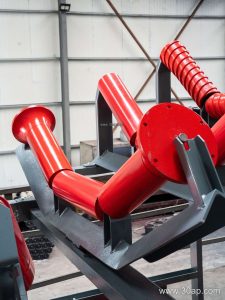
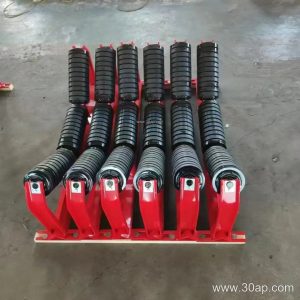
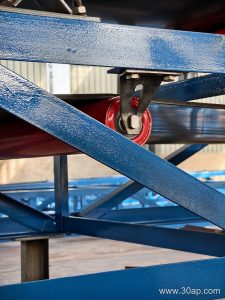
A return idler bracket is the mounting component that holds the return-side idler rollers beneath a conveyor belt. While the carrying side gets most of the attention, the return strand also needs steady support so the belt does not sag, rub against the frame, or track poorly. The return idler bracket, sometimes called a return roller bracket or lower idler support, connects the return idler roller to the conveyor stringer and keeps it at the correct height and angle.
In a quarry or a cement plant, a loose or misaligned return bracket is often the quiet cause of belt edge wear and material spillage. The bracket itself is simple, but its fit matters as much as the roller it carries.
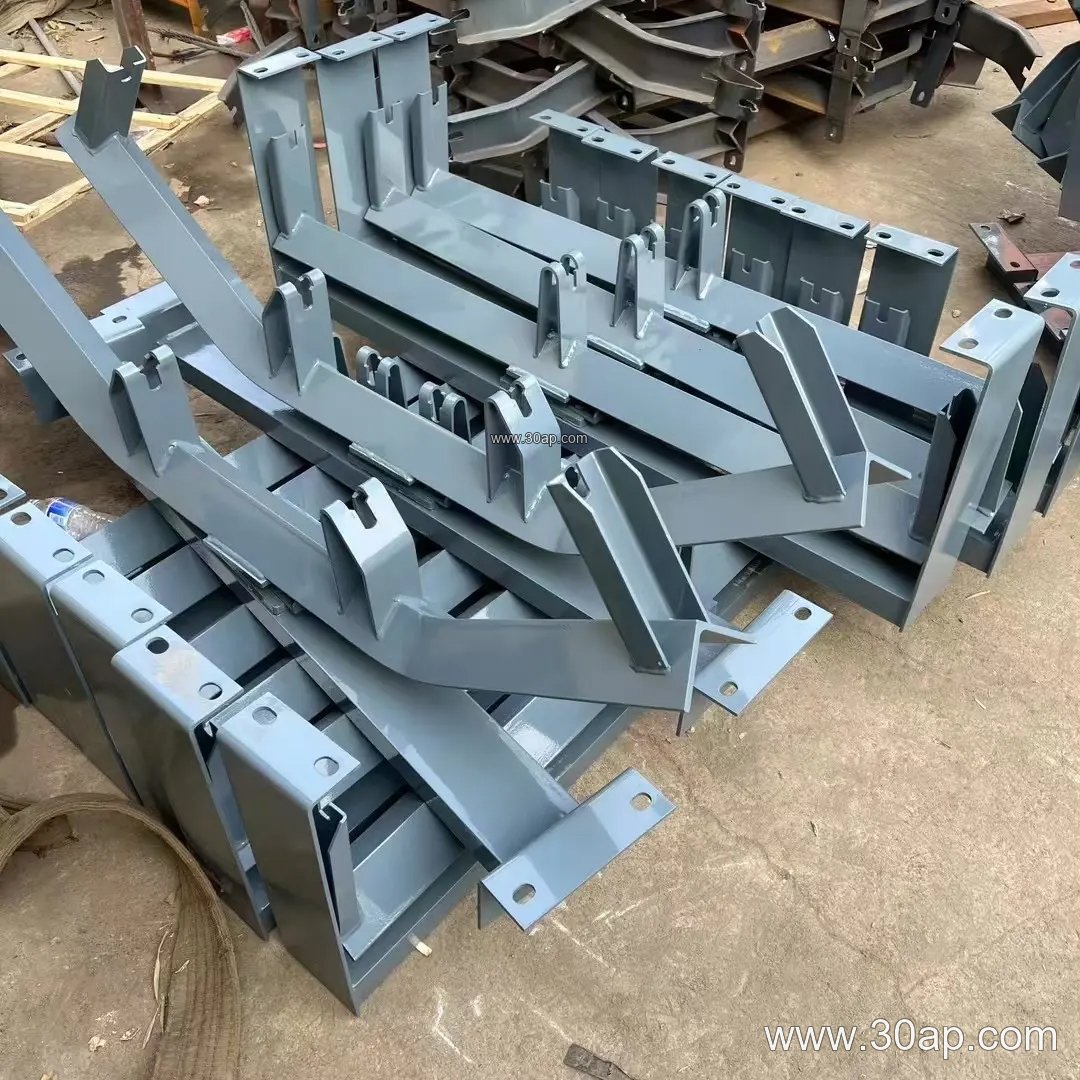
How the Bracket Is Built
Most return idler brackets are fabricated from angle steel, channel steel, or folded steel plate. The choice depends on load and frame style. A typical bracket includes mounting holes for the stringer, a cradle or slot for the idler shaft, and often a notch or stop that fixes the roller position.
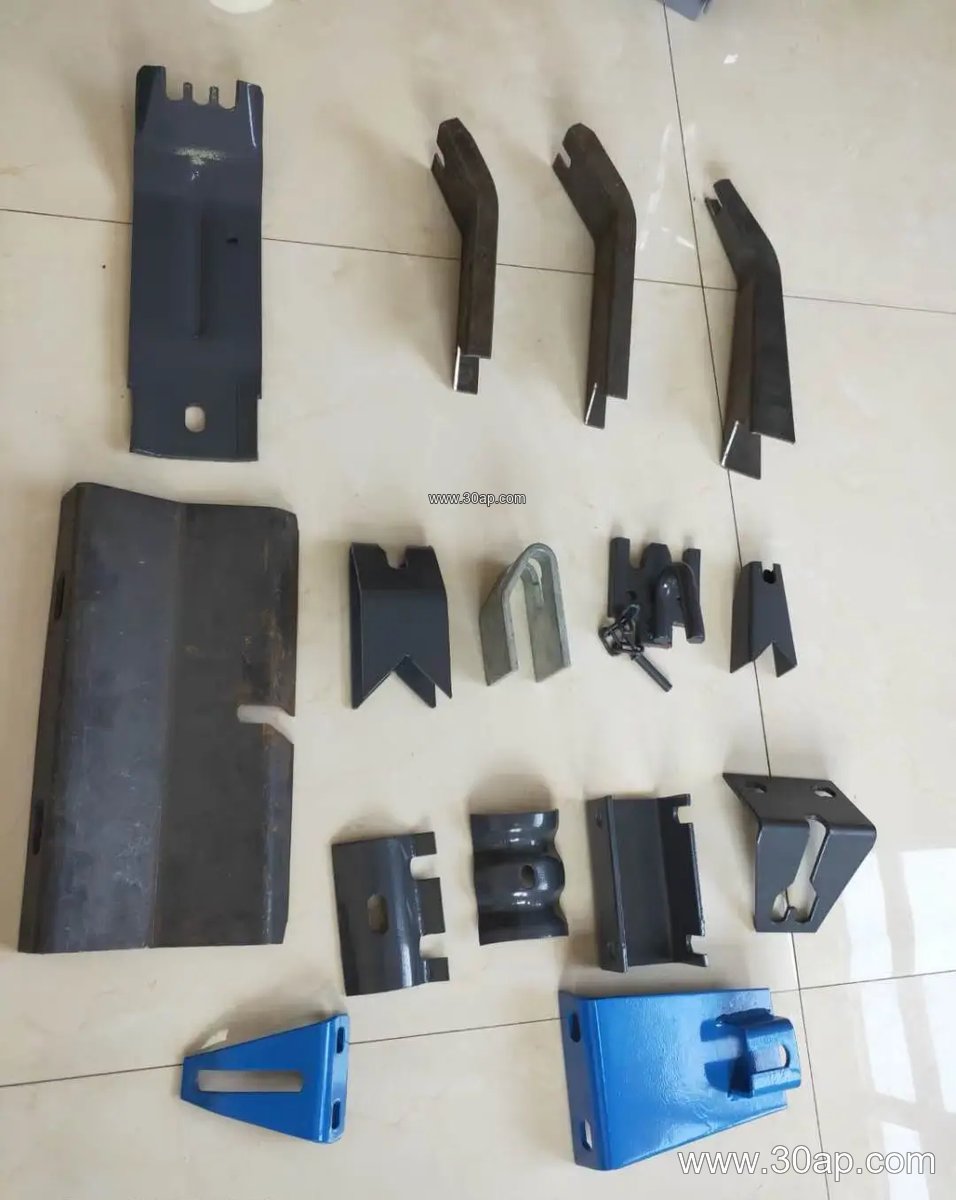
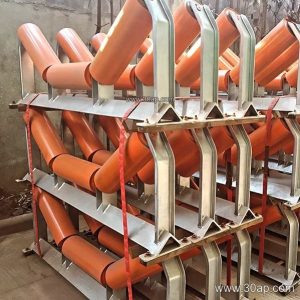
Common forms include flat return brackets, V-type return brackets, and adjustable brackets that allow height or angle correction. Materials are usually carbon steel with a painted or galvanized finish. Heavier frames in iron ore or coal mining duty may use thicker channel sections to resist vibration and impact.
Common bracket reference data
| Item | Typical options |
|---|---|
| Bracket type | Flat return, V-return, adjustable |
| Material | Angle steel, channel steel, folded plate |
| Belt width range | B500 to B2200 |
| Return roller diameter | Ø89, Ø108, Ø133, Ø159, Ø194 |
Mounting hole spacing and crossbeam length are determined by belt width and frame design, not by a single fixed number. Buyers should confirm dimensions against the existing stringer rather than assuming a standard fit.
Where Return Idler Brackets Are Used
These brackets appear wherever a conveyor has a return strand. In a coal washing plant, they support the belt under the discharge zone and along the return run. In a power plant coal handling line, they help keep the belt aligned before it enters the tail pulley area. In sand and gravel operations, flat and V-return brackets are common because they shed loose material and reduce buildup.
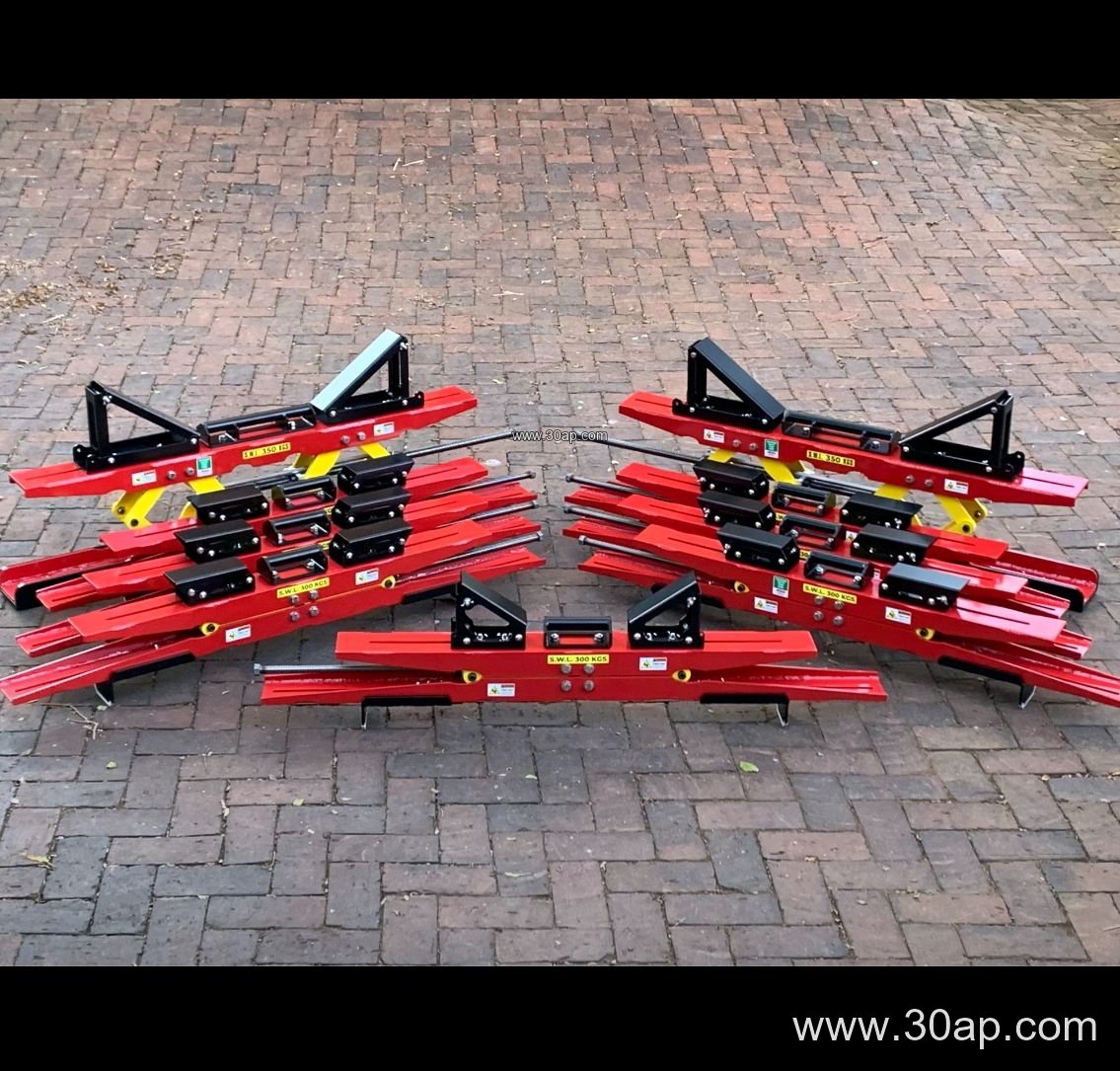
They work together with the conveyor belt, idler roller, and conveyor pulley. A well-supported return side reduces friction and helps extend belt life, whether the line runs an abrasion resistant conveyor belt or a heat resistant conveyor belt in a cement kiln area.
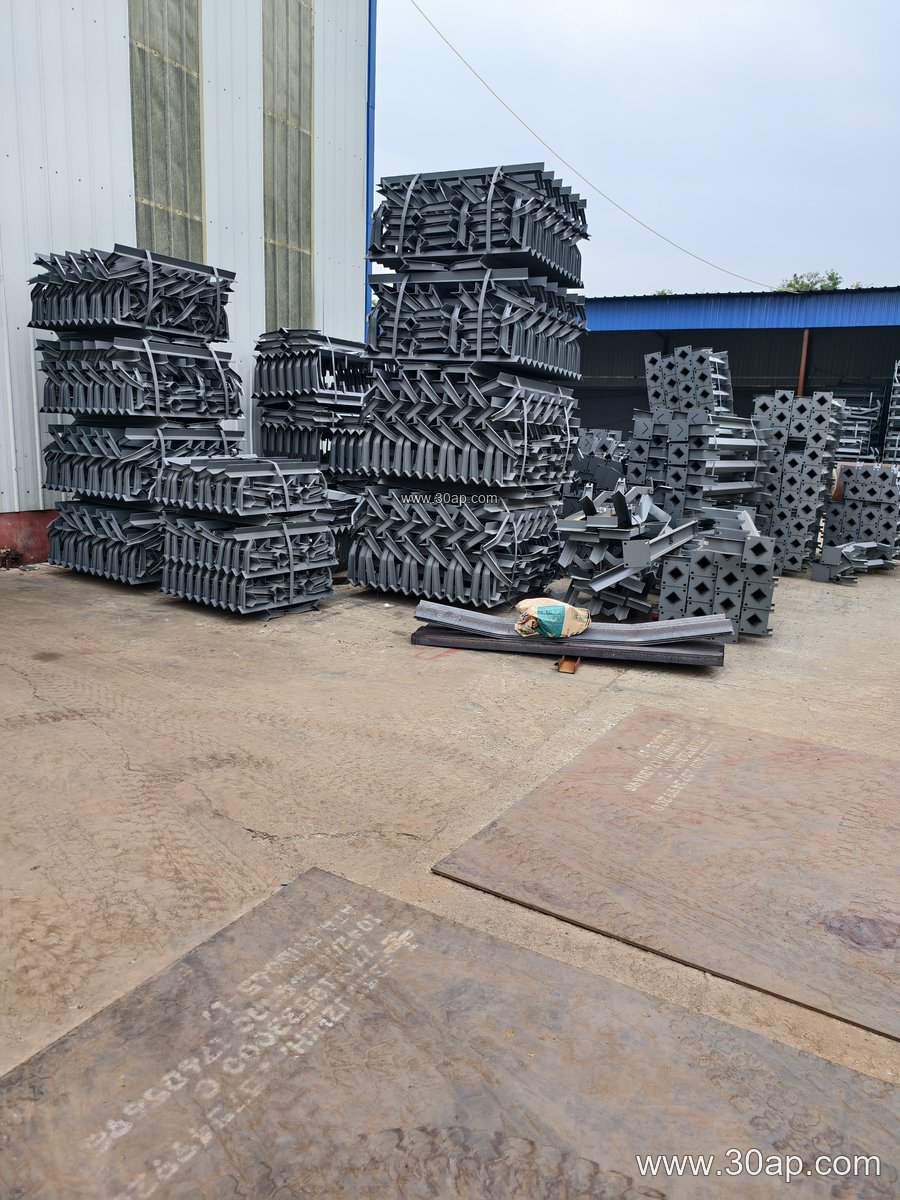
Selecting the Right Bracket
Selection starts with the conveyor frame, not the catalog. Check the stringer type, the return roller diameter, and the belt width. A B800 frame with Ø108 rollers will not use the same bracket as a B1400 frame with Ø133 rollers. V-return brackets suit wider belts and help center the belt, while flat brackets are simpler and common on narrower lines.
Adjustable brackets are useful where field alignment is needed after installation. Fixed brackets are cheaper and stiffer but leave less room for correction. For dusty sites such as a lime kiln or fertilizer plant, choose a bracket design that does not trap material.
Installation and Maintenance Notes
- Align brackets square to the frame before tightening bolts.
- Check that the return roller turns freely after mounting.
- Retighten fasteners after the first weeks of operation.
- Inspect for corrosion, bent ears, or oval mounting holes.
- Replace brackets that no longer hold the roller at the correct height.
A return idler bracket is a small part, but it keeps the return run stable. Matching it to the frame, roller, and belt width is the practical way to avoid tracking problems and premature wear. For related conveyor components, visit www.beltconveyorparts.com return idler bracket pages and review idler roller and conveyor bracket options together.