What a Quarry Conveyor Belt Has to Handle
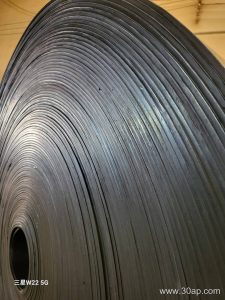
A quarry conveyor belt is the load-carrying element that links blasting, crushing, screening and stockpiling. Unlike a belt in a clean warehouse, it sees sharp-edged rock, wet fines, dust, and frequent starts under load. The belt is only one part of the line, but it sets the pace: if it tracks poorly or wears through, the whole circuit stops. This article looks at how these belts are built, where they work, and what to check before ordering.
Construction of the Belt
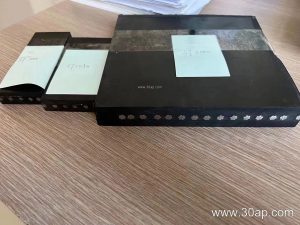
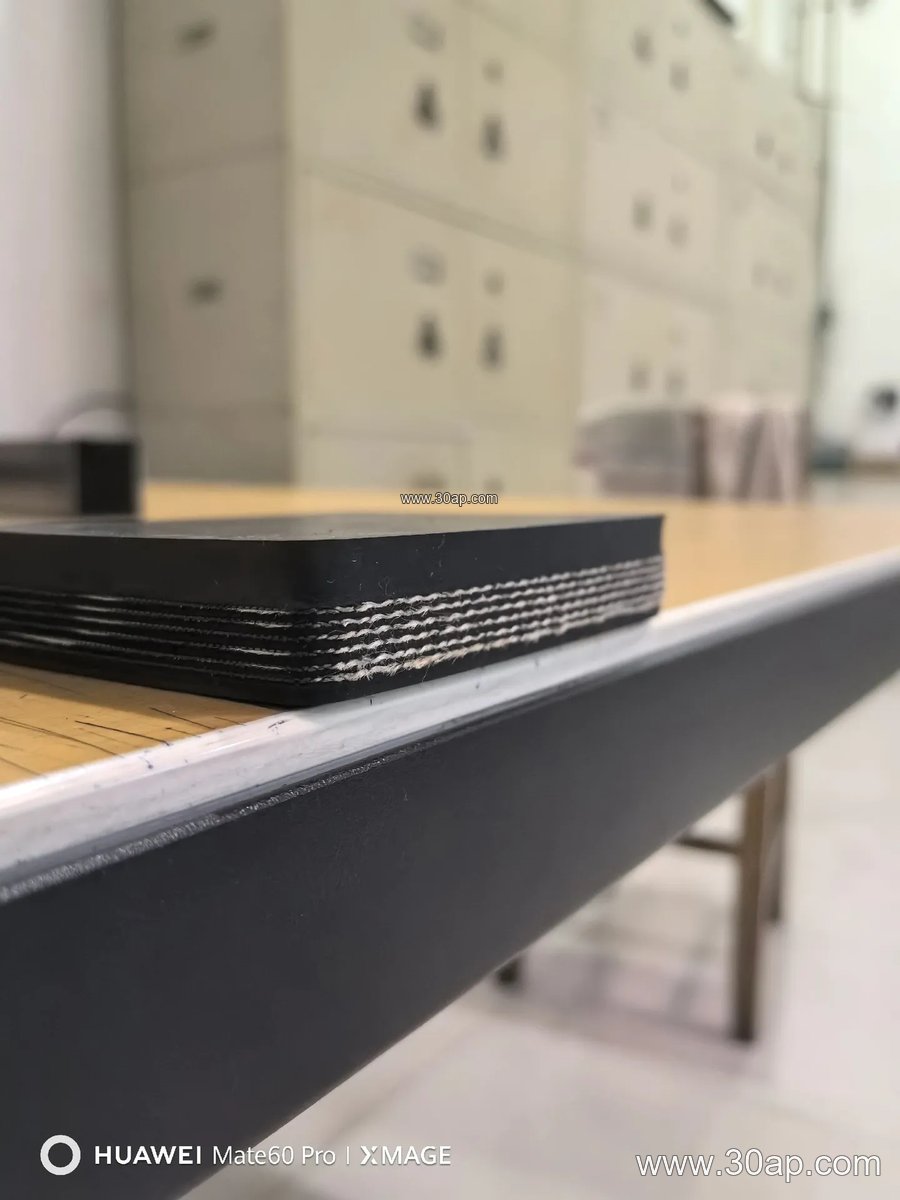
Most belts used in aggregates and hard-rock operations are fabric-core or steel-cord constructions. The carcass provides tensile strength, while the rubber covers protect it from cutting and abrasion. A typical build includes:
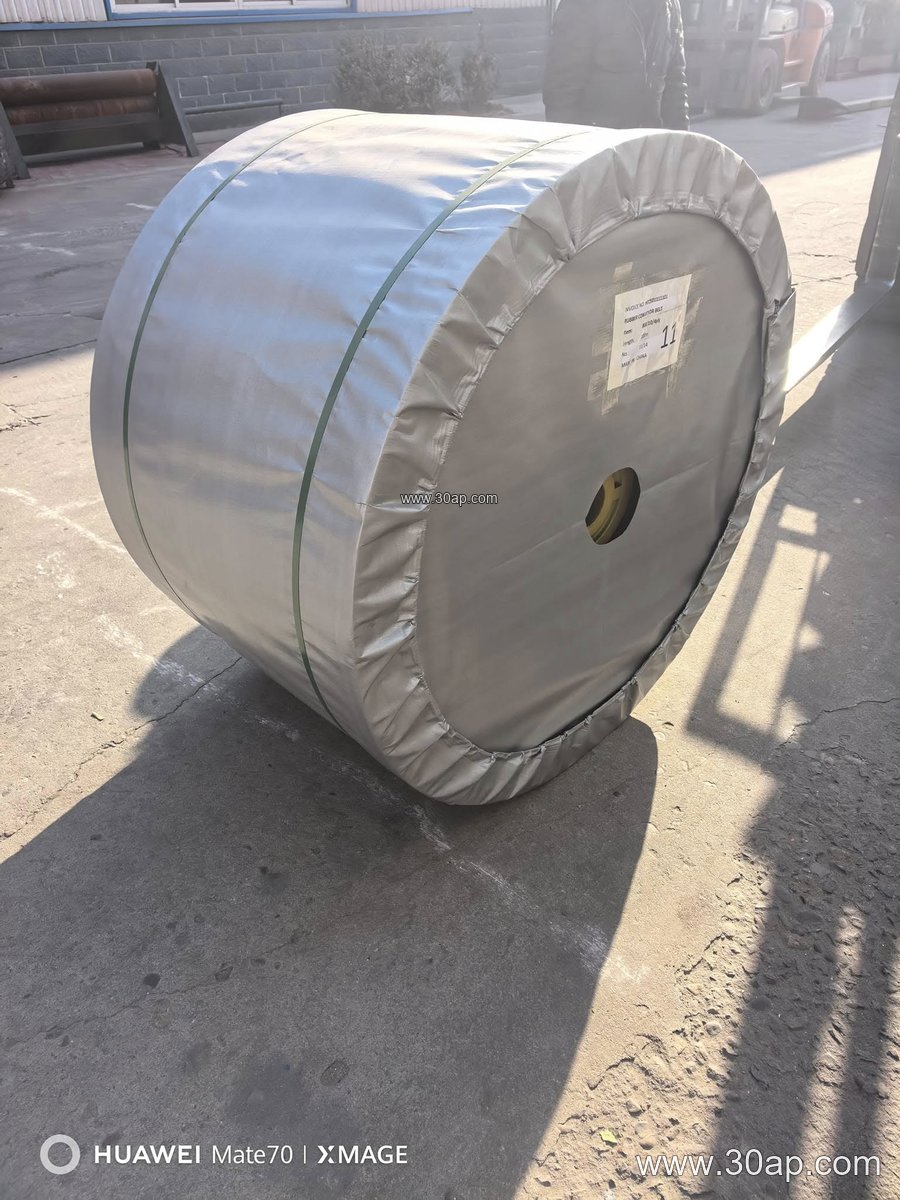
- A top cover for impact and abrasion resistance.
- One or more fabric plies, or steel cords, as the strength layer.
- A bottom cover for pulley contact and return-side wear.
- Edge protection to limit fraying at the skirt line.
For a primary crusher discharge, a heavy-duty belt with thick covers is common; for a screened product line, a lighter EP or NN belt may be enough. The table below shows typical reference values, not fixed rules.
Reference Parameters
| Item | Common Range | Notes |
|---|---|---|
| Belt width | B500, B650, B800, B1000, B1200, B1400, B1600 | Selected by capacity and lump size |
| Strength grade | EP200 to EP2000; ST1000 to ST3150 | Depends on length, lift and load |
| Cover thickness | 4+2, 5+2, 6+2, 8+3 mm | Thicker top cover for impact points |
| Ply count | 2 to 6 layers | Fabric-core designs |
Where It Is Used
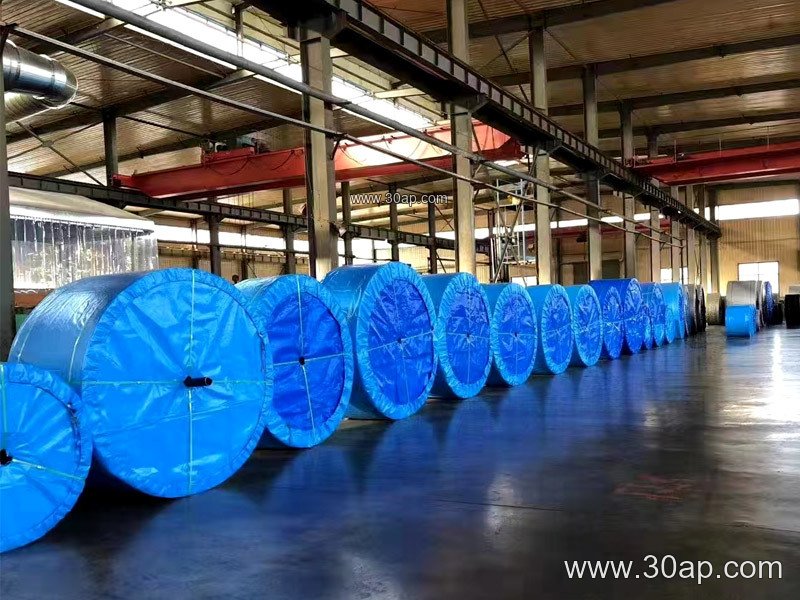
These belts appear across mining, cement, power and construction supply chains. In a sand and gravel plant, an aggregate conveyor belt moves screened stone from a screen deck to a stockpile. At a crusher, a crusher conveyor belt carries feed or discharge, often with a chevron or cleated profile to hold the slope. Underground operations may use a flame retardant conveyor belt or PVG belt where fire safety rules apply. Cement plants and power plants use heat resistant and oil resistant grades near kilns or coal handling. Port and ship loading terminals may run wide belts, sometimes up to B2000 or B2400, to move bulk material quickly.
The environment decides the cover compound. A quarry face with wet, abrasive rock favors an abrasion resistant conveyor belt. A coal yard may need anti-static and fire resistant properties. Cold climates call for a cold resistant grade, and fertilizer or chemical lines may need acid or oil resistance.
Matching the Belt to the Conveyor
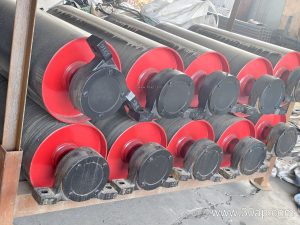
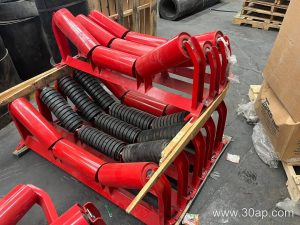
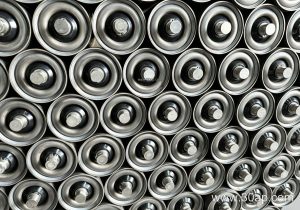
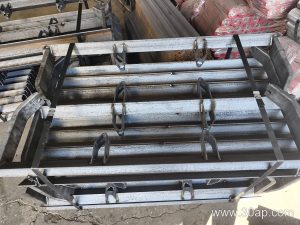
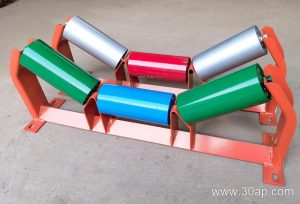
The belt does not work alone. It runs over a drive pulley, a tail pulley and bend pulleys, and it is supported by idler rollers and held in line by conveyor brackets and frames. When specifying, share the center distance, lift, capacity and maximum lump size. The pulley diameters and shaft sizes are set by the conveyor designer, not by belt width alone, so avoid assuming a fixed pulley size for a given belt. A wider belt may still run on the same pulley if the design allows it.
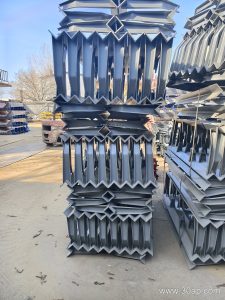
Profile matters too. A corrugated sidewall belt suits steep inclines; a pipe conveyor belt encloses the material for dust control; an endless belt reduces splice risk on short, high-cycle lines. Each is a distinct design, and a sidewall belt should not be treated as a substitute for a flat belt in every layout.
Buyer Checklist
- Confirm the material type, lump size and moisture level.
- State the duty: hours per day and start-stop frequency.
- Ask for the cover grade and carcass type, such as EP or steel cord.
- Check splice method and whether an endless belt is preferred.
- Review pulley and idler details with the conveyor designer.
- Plan a spare belt or repair kit for critical lines.
Quarry belts are consumables, but the right specification extends service life and reduces downtime. Buyers who share real operating data, rather than only a width and a strength grade, usually get a better match for their crusher, screen and stockpile layout.