What an Impact Resistant Conveyor Belt Is
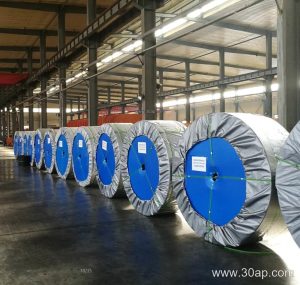
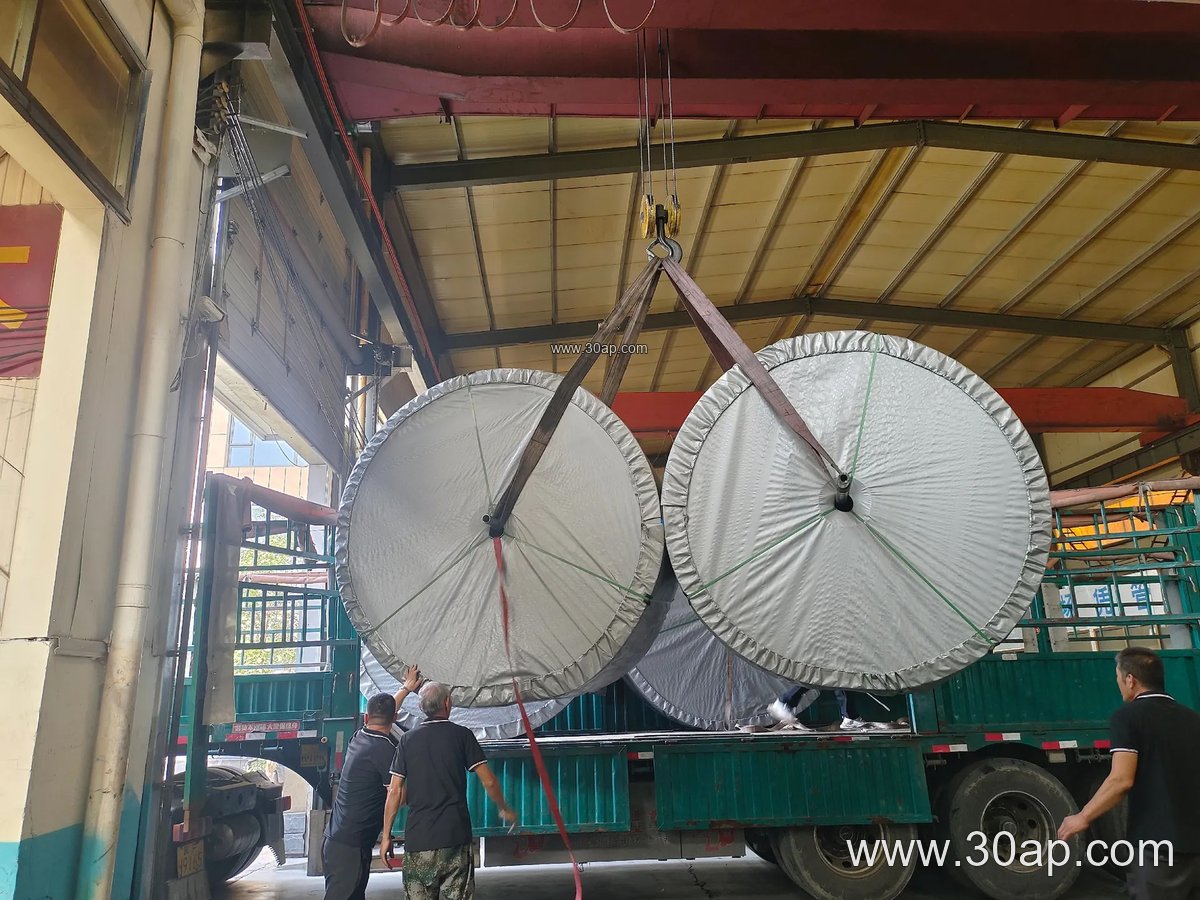
An impact resistant conveyor belt is a heavy-duty rubber belt engineered to absorb the shock of large, sharp or fast-falling material at loading points. Instead of letting lumps of ore, crushed stone or clinker punch through the carcass, the belt distributes that energy across a reinforced top cover and a strong fabric or steel cord body. In practice it is a high impact resistant conveyor belt built for primary crushing stations, transfer chutes and any place where the drop height or lump size would quickly destroy a standard belt.
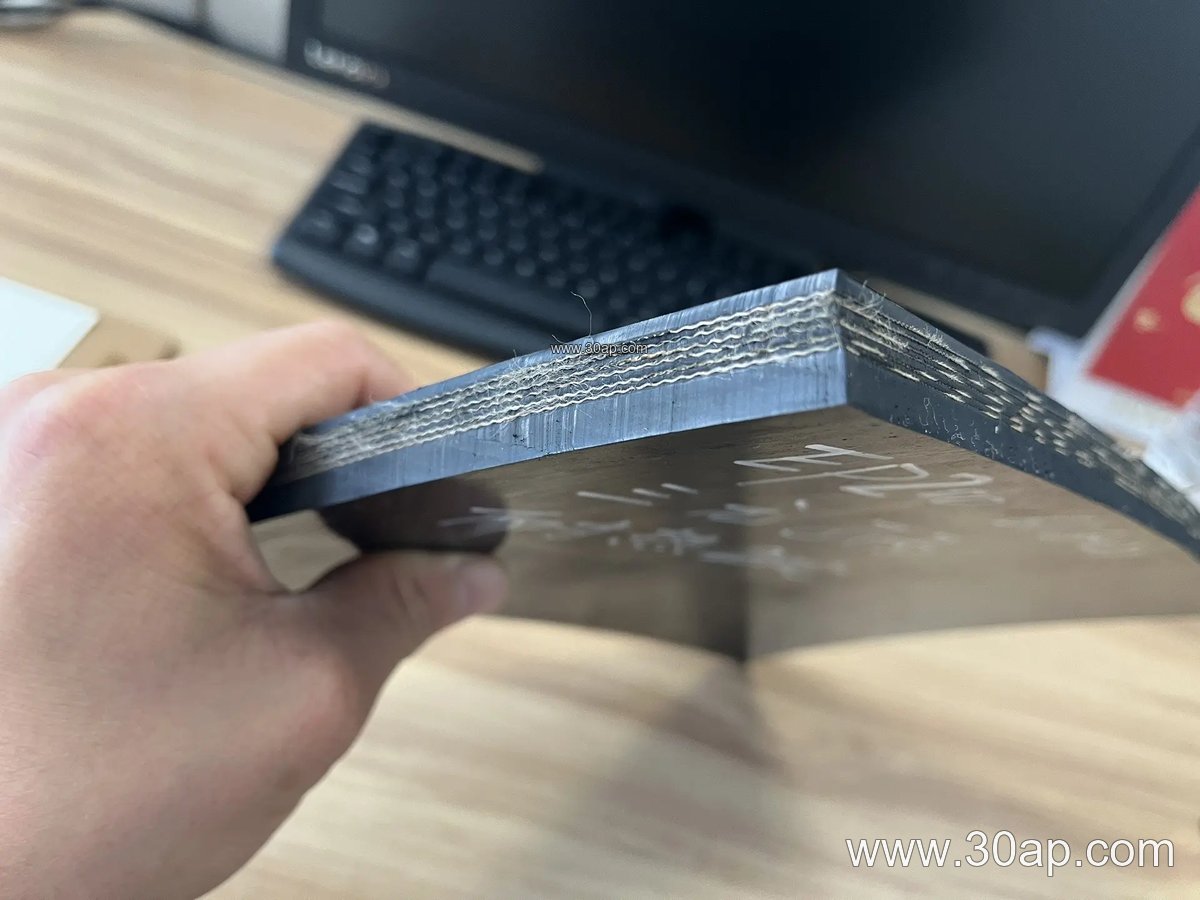
How the Belt Is Built
The impact resistance comes from the combination of cover compound and carcass design, not from a single layer.
- Top cover: a thick, tough rubber layer, often with high abrasion resistance, that spreads point loads from falling rock.
- Carcass: multi-ply fabric core (EP or NN) or steel cord, depending on tension and belt width.
- Buffer layer: some designs add a cushion layer or breaker fabric under the cover at the loading zone.
- Bottom cover: a thinner abrasion resistant layer that runs against the idler roller and pulleys.
Cover thickness is usually quoted as top plus bottom, for example 6+2 mm or 8+3 mm for severe duty, while the carcass may run from 2 to 6 plies in fabric constructions. These are common reference values; final thickness and ply count are set by the conveyor design.
Where It Fits in the Plant
Impact damage is concentrated where material is loaded, so this belt type is most often found at the head of a crusher conveyor belt line, under a primary screen, at truck or wagon dump points, and at transfer towers in a quarry conveyor belt or aggregate conveyor belt circuit. It also suits cement plant conveyor belt streams handling clinker and limestone, power plant conveyor belt systems moving coal, and port conveyor belt installations with high drop heights. In mining, a heavy-duty mining conveyor belt with impact-resistant covers is common on ore conveyor belt and rock conveyor belt sections that receive run-of-mine feed.
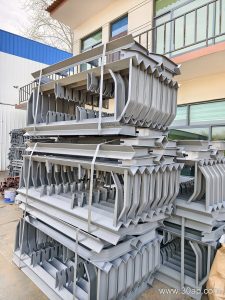
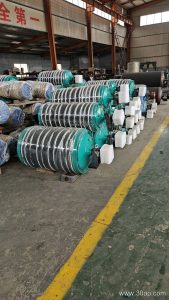
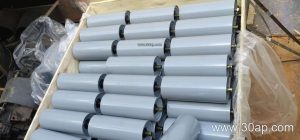
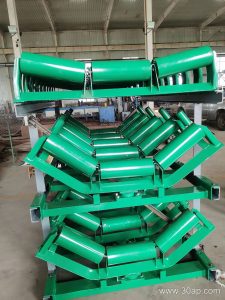
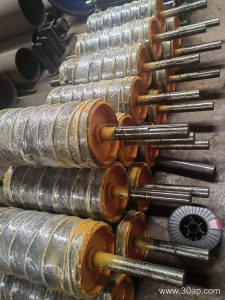
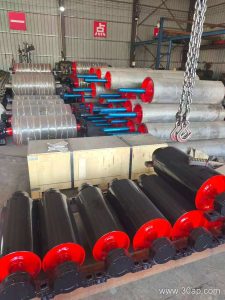
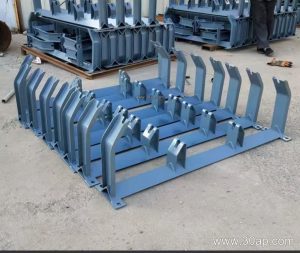
Related hardware matters too. A closely spaced idler roller set under the loading zone, properly aligned conveyor pulley and rigid conveyor bracket all reduce the chance of belt sag and edge damage at the impact point.
Common Constructions and Reference Data
Buyers usually choose between fabric core and steel cord reinforcement. The table below shows typical options used to describe an impact resistant belt; actual supply is confirmed per order.
| Item | Common Options |
|---|---|
| Reinforcement | EP fabric core, NN fabric core, steel cord |
| Strength grade (fabric) | EP200, EP315, EP400, EP500, EP630, EP800, EP1000 |
| Strength grade (steel cord) | ST1000, ST1250, ST1600, ST2000 |
| Belt width | B650, B800, B1000, B1200, B1400, B1600, B1800 |
| Cover thickness | 4+2, 5+2, 6+2, 8+3 mm |
| Ply count | 2 to 6 plies, by design |
Width and strength are independent choices: a 1200 mm belt can be paired with different pulley diameters and shaft sizes according to the conveyor calculation, so no fixed belt-to-pulley match should be assumed.
Selection and Use Notes
Start with the material: lump size, drop height, density and sharpness decide how much impact protection is needed. Then check tension to choose between an EP conveyor belt, an NN conveyor belt and a steel cord conveyor belt. Where the environment adds risk, combine impact resistance with other properties, such as a flame retardant conveyor belt for underground coal mining conveyor belt duty, a heat resistant conveyor belt near hot clinker, or an abrasion resistant conveyor belt on long abrasive runs.
Other constructions solve different problems and should not be treated as substitutes: a chevron conveyor belt handles incline, a corrugated sidewall conveyor belt or skirted conveyor belt contains material at steep angles, and a pipe conveyor belt encloses the load. Each has its own place, but none replaces impact protection at the loading point.
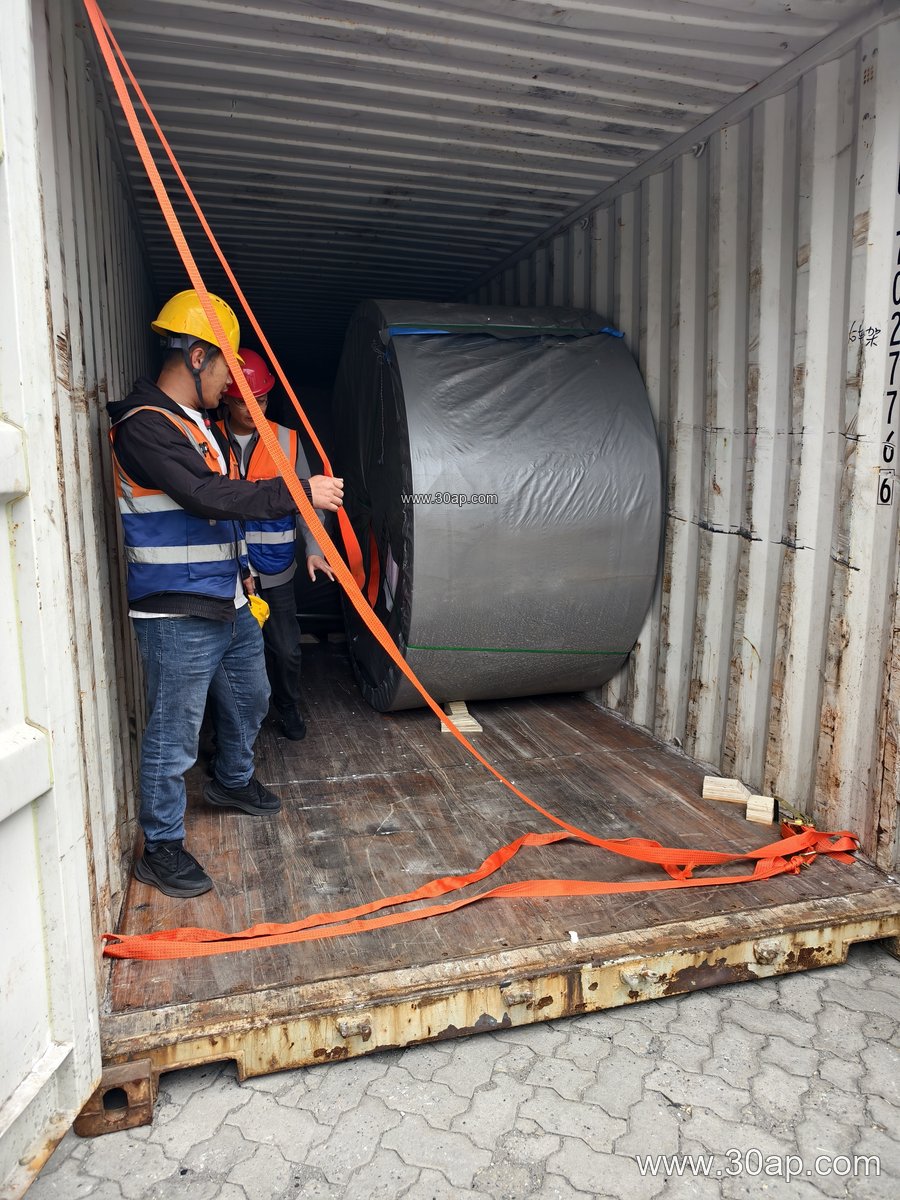
On site, keep impact idlers in good condition, avoid gaps between chute and belt, and check cover wear at the loading zone during routine inspections. A thick cover can be replaced before the carcass is exposed, which extends service life.