What a Vertical Idler Bracket Does
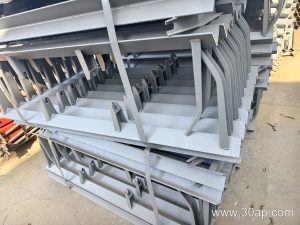
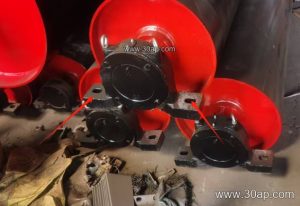
A vertical idler bracket is the mounting component that holds a conveyor idler roller in a fixed upright position relative to the conveyor frame. Instead of tilting the roller to form a trough, this bracket keeps the roller axis vertical or near vertical, so the idler supports the belt edge or a specific section of the belt path without adding a troughing angle. In practice, the part is often simply called a vertical bracket or an upright idler bracket, and it belongs to the wider family of conveyor brackets that position idlers along the structure.
It is not a substitute for a troughing bracket, a return bracket, or a self-aligning bracket. Each type does a different job. Where a troughing set shapes the belt into a trough, the vertical bracket controls position and clearance at the point where it is installed.
Construction and Mounting Details
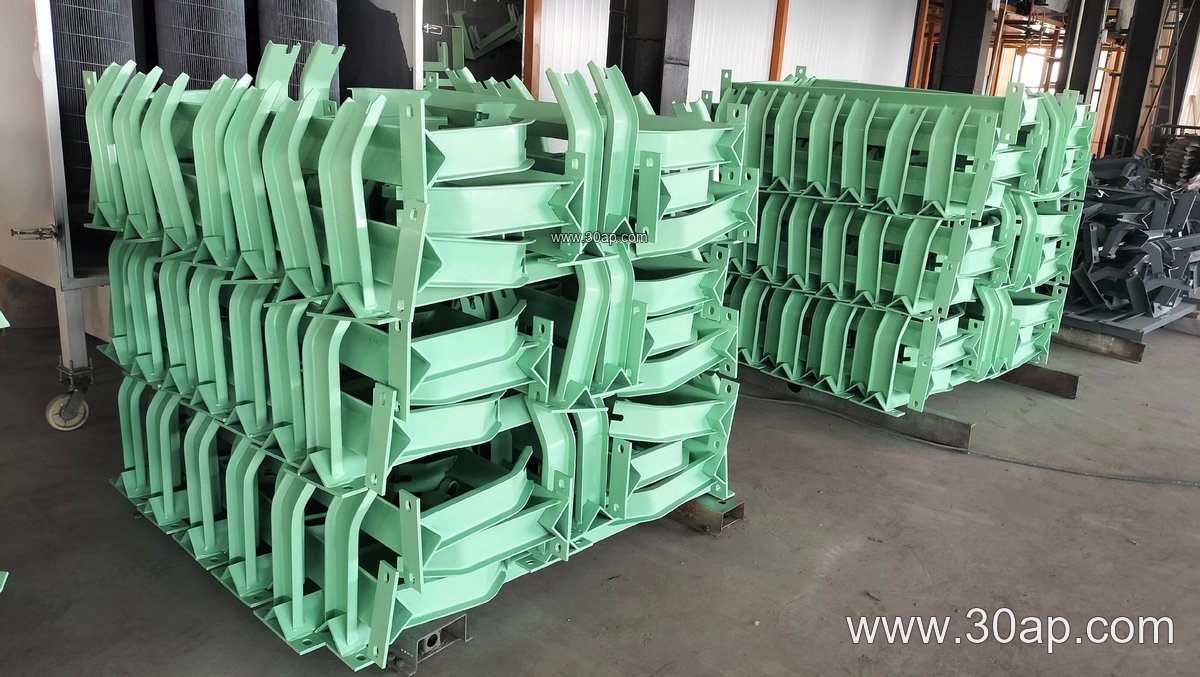
Most vertical idler brackets are fabricated from angle steel, channel steel, or folded steel plate, then drilled for mounting bolts and for the idler shaft. The bracket usually carries a slot or a set of holes that let maintenance staff adjust the roller position slightly during alignment. Welded joints are common, and the surface may be painted or galvanized depending on the working environment.
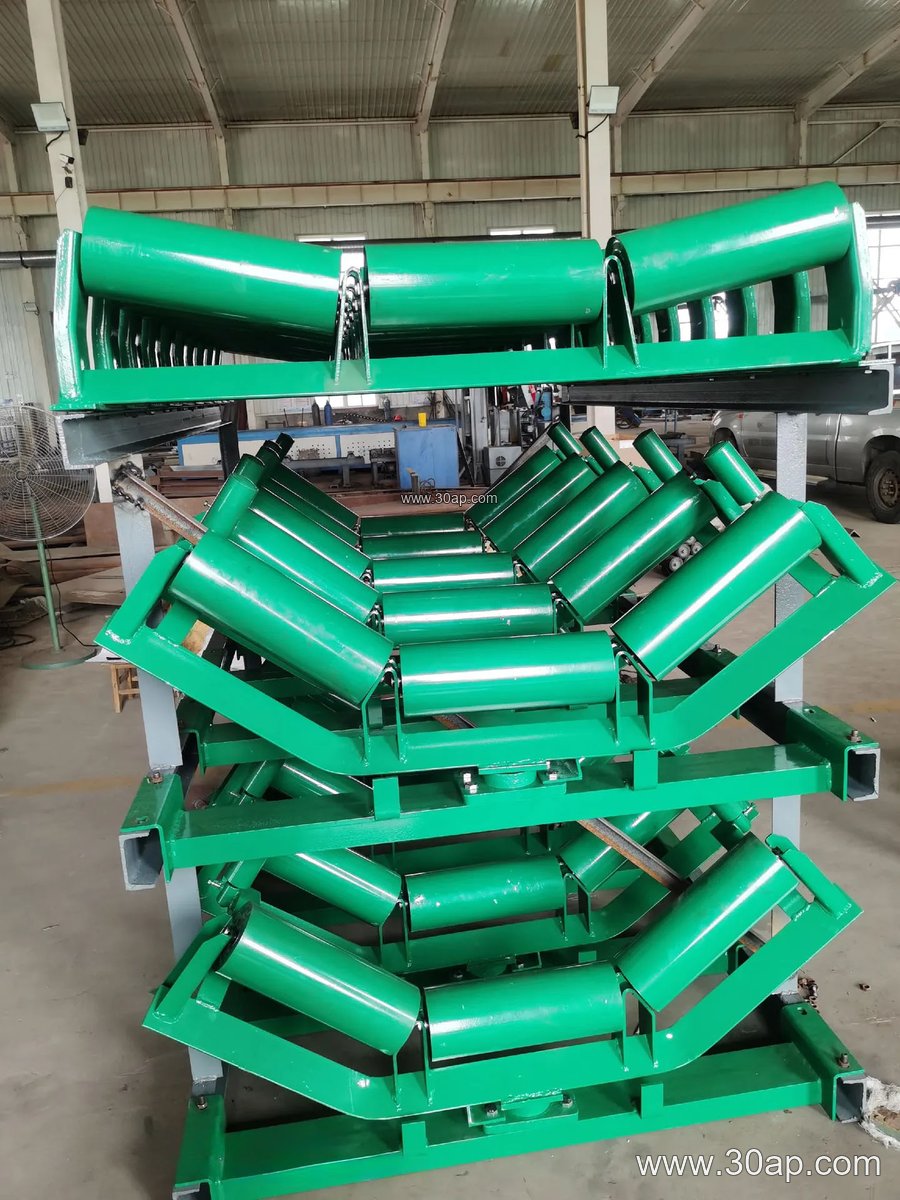
Key dimensions to confirm before ordering include the belt width, the idler diameter, the mounting hole spacing, and the crossbeam length. These values follow the conveyor design rather than a single universal rule. A bracket that fits a B800 frame with Ø108 idlers will not fit a B1400 frame with Ø159 idlers, and the hole pattern changes with the frame style as well.
Where It Fits in the Conveyor Line
Vertical brackets appear in places where the belt needs side guidance rather than full troughing support. Typical positions include the transition zone near a conveyor pulley, the edge of a loading area, and sections where a skirted conveyor belt runs between guide structures. In a quarry or sand and gravel line, they may hold edge rollers that keep an abrasive resistant conveyor belt centered on the frame. In a coal handling plant or power plant coal yard, they help manage belt tracking where a flame retardant conveyor belt passes close to chute walls.
They are also used in cement plants, steel plants, and port bulk terminals, especially where a heavy-duty conveyor belt carries lump material and the frame needs extra lateral control. The bracket works together with the conveyor pulley, the idler roller, and the belt, so the whole assembly should be checked as a unit rather than as isolated parts.
Common Reference Dimensions
The table below lists typical reference values used when specifying a vertical idler bracket. Treat these as design references, not as guaranteed stock sizes or fixed combinations.
| Parameter | Common Reference Values |
|---|---|
| Belt width | B500, B650, B800, B1000, B1200, B1400, B1600, B1800, B2000 |
| Idler diameter | Ø89, Ø108, Ø133, Ø159, Ø194 |
| Trough angle (where relevant) | 20°, 30°, 35°, 45° |
| Material | Angle steel, channel steel, folded steel plate |
| Mounting | Bolted; hole spacing and beam length by design |
For example, a B800 frame with 35° troughing and Ø108 idlers may use a matching vertical bracket at the transition, while a B1200 line with 45° troughing and Ø133 idlers needs a different bracket size. The bracket itself does not set the trough angle; that belongs to the troughing bracket. The vertical bracket only holds its idler in the position the design requires.
Buyer Checklist
- Confirm the belt width and the actual frame crossbeam, not just the nominal model.
- Match the bracket bore and slot to the idler shaft diameter.
- Check whether the frame is bolted or welded, and whether adjustment is needed on site.
- Choose the steel grade and finish for the environment, such as wet washing areas or dusty transfer points.
- Ask for a drawing showing hole spacing, since these values change with belt width and bracket style.
A vertical idler bracket is a small part, but it affects belt tracking, idler life, and maintenance access. Getting the mounting details right at the ordering stage is usually cheaper than correcting a misaligned frame later.