What a Construction Industry Conveyor Belt Does
A construction industry conveyor belt is the load-carrying element of a bulk handling line on a construction site, quarry, aggregate yard, cement plant, or concrete batching facility. It moves crushed stone, sand, gravel, recycled concrete, cement clinker, and similar abrasive materials between crushers, screens, stockpiles, and mixing stations. The belt itself is only one part of the conveyor, but it is the part that touches the material, so its construction, cover quality, and carcass strength largely decide how long the line runs between stoppages.
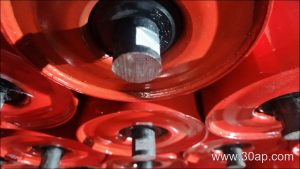
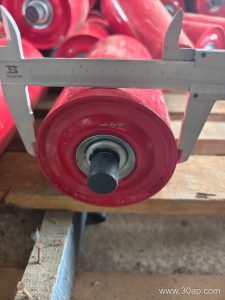
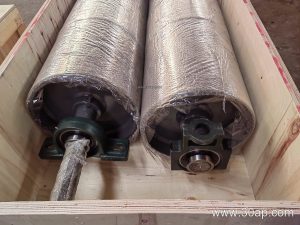
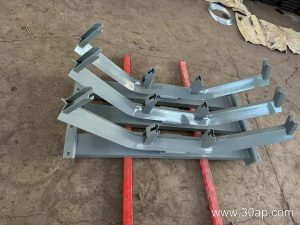
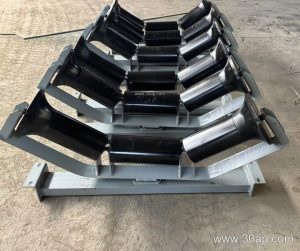
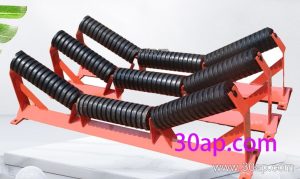
On a typical site the belt runs over a series of idler rollers, wraps around a head or drive pulley, returns through a tail pulley, and is held in line by conveyor brackets and frame sections. The belt, pulleys, idlers, and brackets must be matched as a system. A heavy, stiff belt on undersized idlers will wear quickly, while a light belt on a long, high-tonnage line may not carry the load.
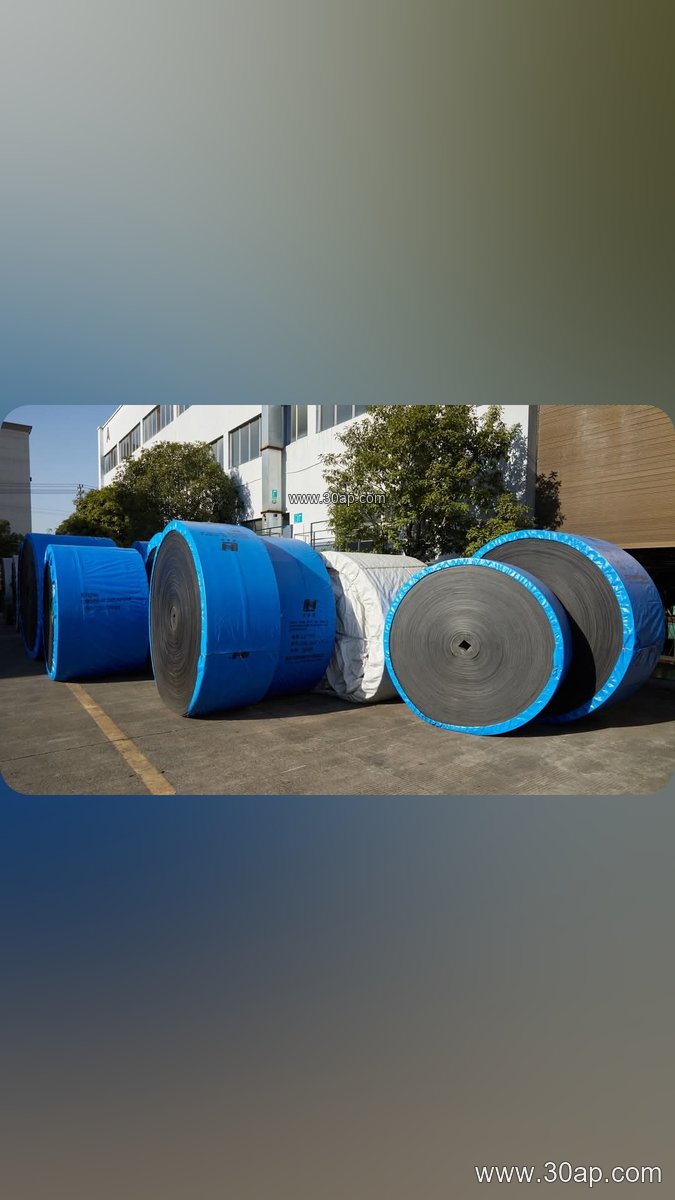
How the Belt Is Built
Most construction belts are fabric-core or steel-cord reinforced. The carcass provides tensile strength and resistance to stretching, while the rubber covers protect the carcass from abrasion, impact, moisture, and in some cases heat or oil.
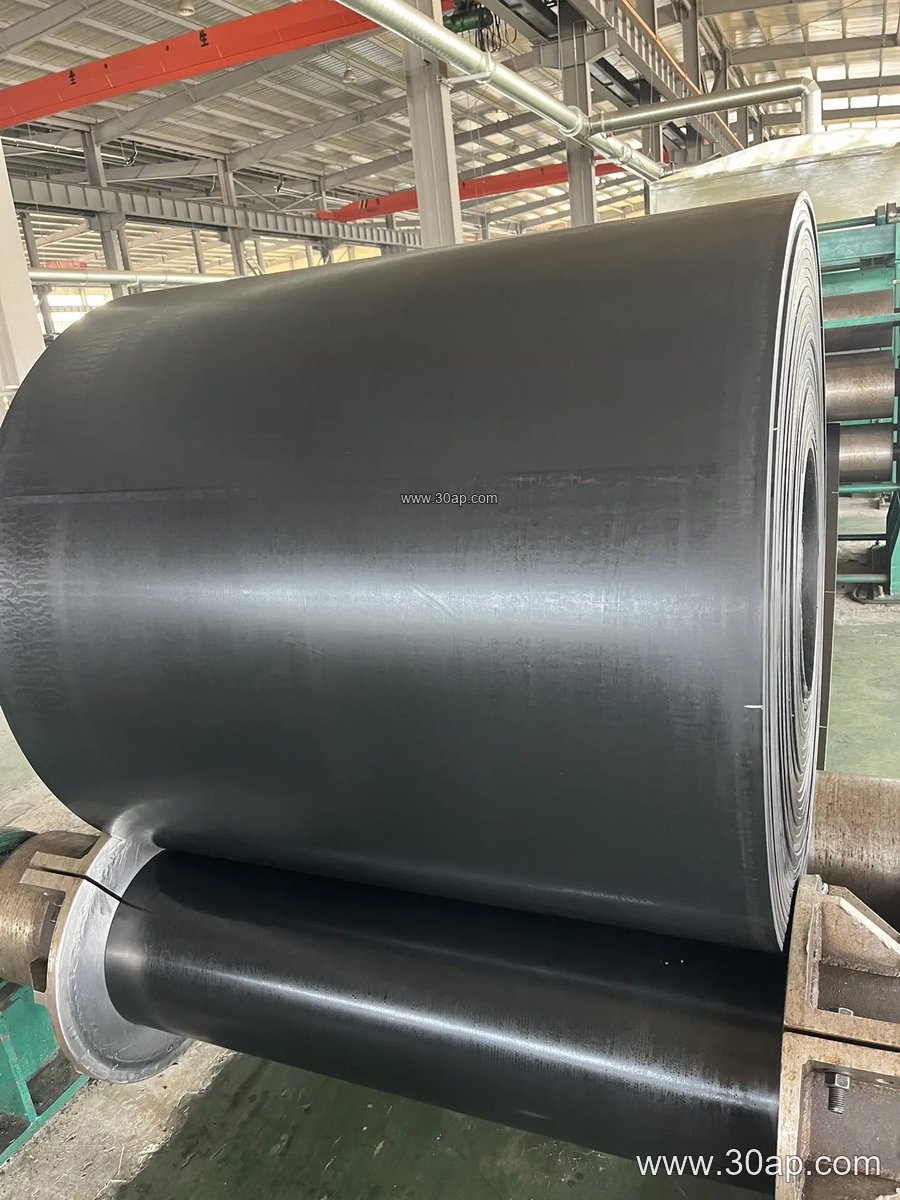
- Fabric core: EP Conveyor Belt (polyester warp, nylon weft) and NN Conveyor Belt (nylon warp and weft) are common. Multi-ply fabric core belts use several plies to build strength.
- Steel cord: Steel Cord Conveyor Belt is chosen for long distances and high tension, such as main haulage from a crusher to a stockyard.
- Solid woven: PVC and PVG belts are widely used where flame resistance and flexibility matter, for example in some underground or enclosed transfer routes.
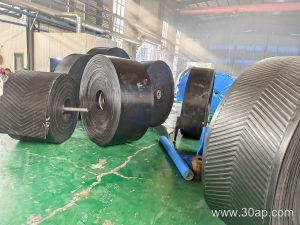
- Surface forms: Chevron Conveyor Belt and other patterned belts reduce rollback on inclines, while Corrugated Sidewall Conveyor Belt and Skirted Conveyor Belt help contain material on steep or confined paths.
Cover compounds are selected by duty. An Abrasion Resistant Conveyor Belt suits crushed rock and gravel, a Heat Resistant Conveyor Belt suits hot clinker or ash, and an Oil Resistant Conveyor Belt suits asphalt or oily recycled material. Flame Retardant Conveyor Belt and Anti-Static Conveyor Belt grades are used where fire or static risk must be controlled.
Common Specifications and How They Are Written
Buyers usually specify strength grade, belt width, cover thickness, and carcass layers together. The values below are common reference points, not fixed universal rules; actual selection depends on the conveyor design, material density, incline, and duty cycle.
Strength Grades
- EP grades: EP200, EP315, EP400, EP500, EP630, EP800, EP1000, EP1250, EP1600, EP2000
- NN grades: NN100, NN200, NN300, NN400
- Steel cord grades: ST1000, ST1250, ST1600, ST2000, ST2500, ST3150
- Solid woven grades include PVG800 and PVG800S
Widths and Cover Thickness
Common widths are B500, B650, B800, B1000, B1200, B1400, B1600, B1800, and B2000 mm. Cover combinations are often written as top plus bottom, such as 3+1.5, 4+2, 5+2, 6+2, or 8+3 mm. Carcass plies usually range from 2 to 6 layers in fabric belts.
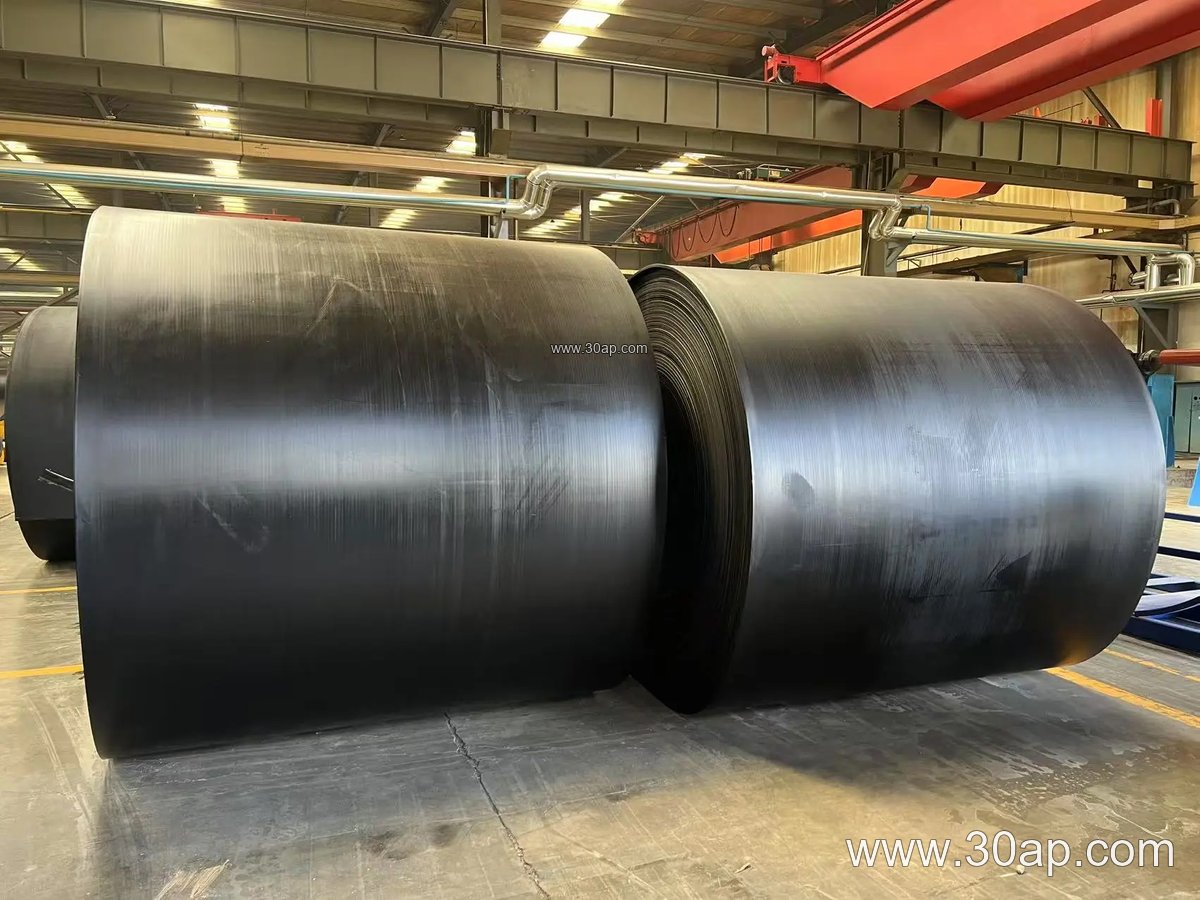
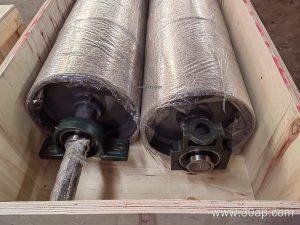
A belt designation might look like EP1000 1200mm or EP1250 1800mm, but these are examples of how a spec is written, not a rule that one width fits one pulley. Belt width, pulley diameter, shaft size, and idler spacing are separate design decisions. Always confirm the drive pulley, tail pulley, and bend pulley dimensions with the conveyor designer rather than assuming them from belt width.
Where Construction Belts Are Used
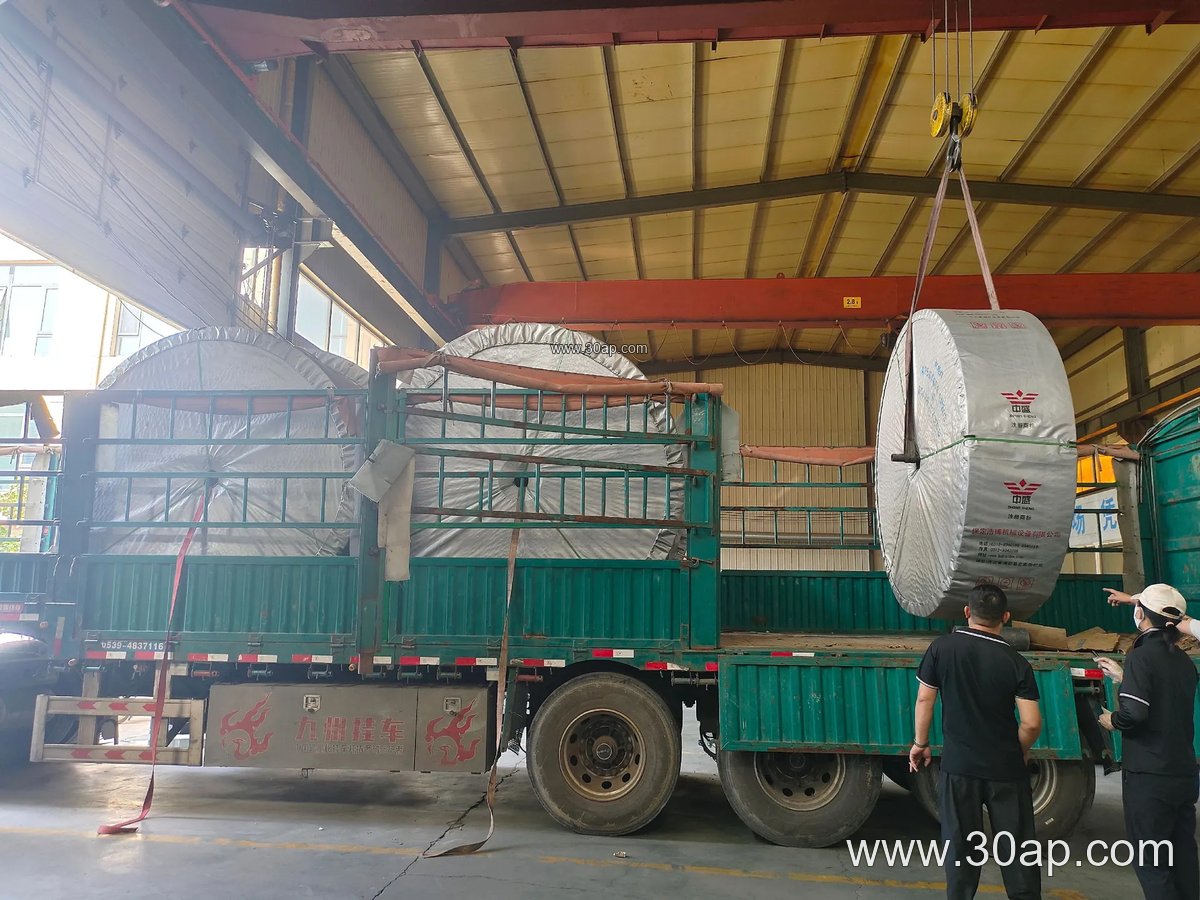
The same product family appears across many industries. In a quarry or sand making plant, an Aggregate Conveyor Belt or Crusher Conveyor Belt handles sharp, heavy rock. In cement production, a Cement Conveyor Belt moves clinker and raw meal, sometimes with heat-resistant covers. Power plants use coal and ash belts, while ports and ship loading facilities rely on wide, high-strength belts. Recycling lines use belts that tolerate mixed and oily waste. Mining operations, from open pit to underground coal, select flame retardant and anti-static grades where regulations require them.
For heavy abrasive duty, a Heavy-Duty Conveyor Belt with thicker covers and a strong EP or steel cord carcass is often the practical choice. For long overland runs, Steel Cord Conveyor Belt reduces the number of splices and keeps tension stable. For steep inclines, a Chevron Conveyor Belt or a belt with cleats may be needed, but the choice should follow the actual incline angle and material behavior.
What a Buyer Should Check Before Ordering
- Material type, lump size, moisture, and temperature range
- Required strength grade and safety factor for the conveyor length and incline
- Belt width and cover thickness that match the troughing idlers and pulley face
- Flame retardant, anti-static, oil, heat, or cold resistance requirements
- Splice method and whether an Endless Conveyor Belt is preferred for the application
- Compatibility with idler roller spacing, conveyor pulley diameters, and conveyor bracket layout
Ask for the cover compound, carcass construction, and test reports that apply to the offered belt. Keep spare belt, idlers, and pulley lagging on hand, because a small failure on a construction site can stop the whole material flow. A well-specified construction industry conveyor belt, matched to its pulleys and idlers, is one of the simplest ways to keep aggregate and cement lines productive.