What an 1800mm Conveyor Belt Is
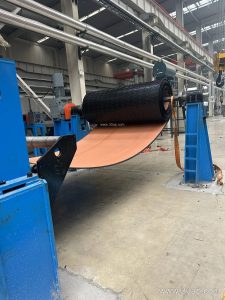
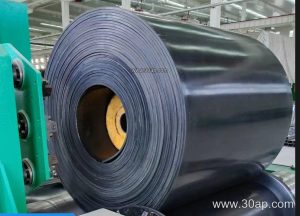
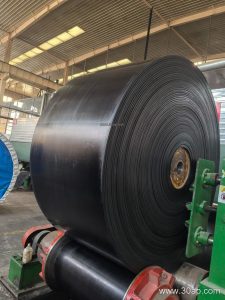
A 1800mm conveyor belt is a wide belt format built for conveying machines that must move large tonnages or bulky, coarse material in a single pass. At this width, the belt is usually a heavy-duty product rather than a light general-purpose item, and it is commonly supplied as an EP conveyor belt, an NN conveyor belt, or a steel cord conveyor belt depending on the load and the center distance of the conveyor. In practice, many plants simply call it a 1800mm wide conveyor belt when ordering replacements, and the figure refers to the finished belt width rather than the carcass width before edge trimming.
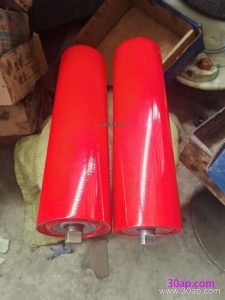
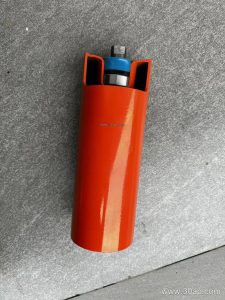
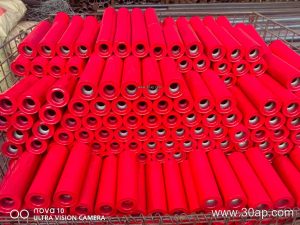
Because the belt is wide, the whole conveyor structure around it matters. The conveyor pulley, idler roller, and conveyor bracket must be matched to the belt load and the troughing angle, and the belt itself must be thick and stiff enough to keep a stable profile across the full width. On a 1800mm conveyor belt, small errors in tracking or loading become large problems quickly.
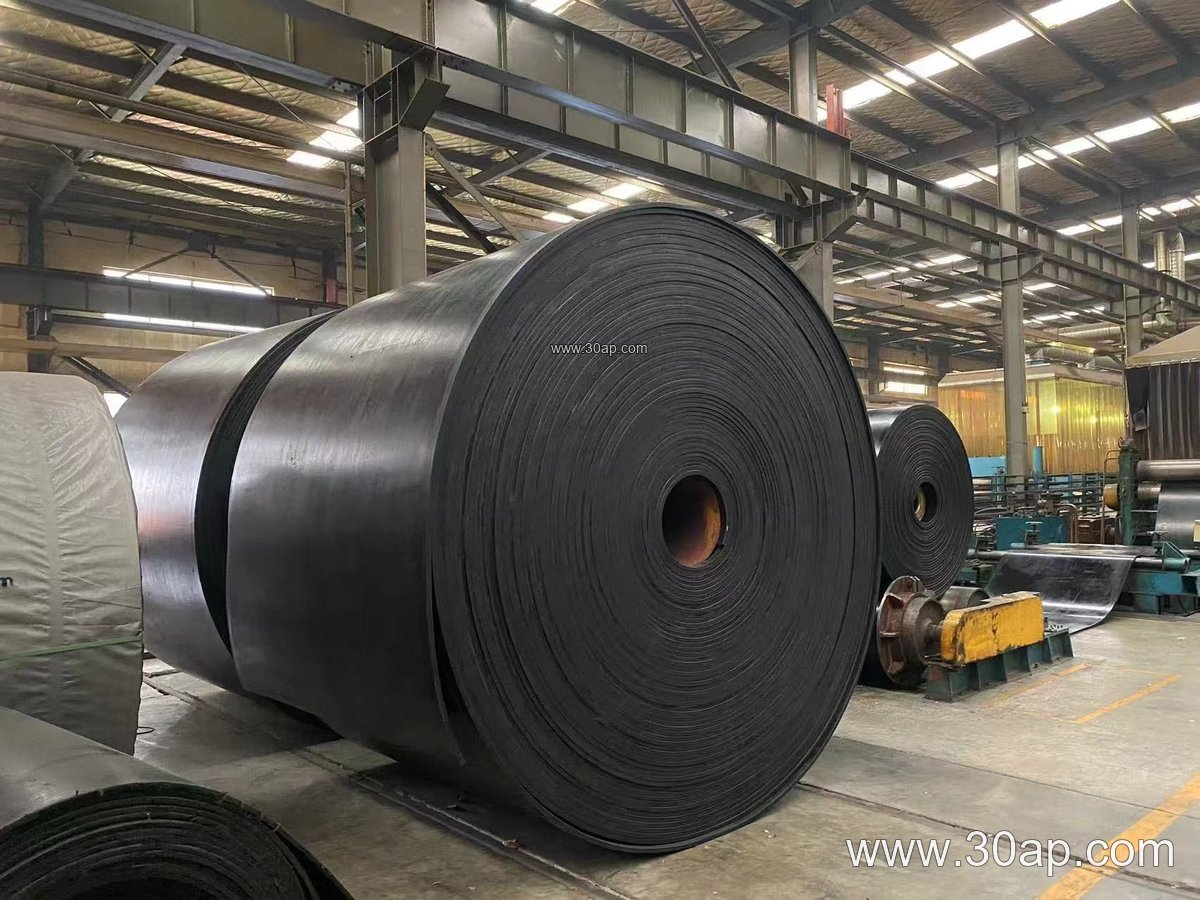
Construction and Typical Specifications
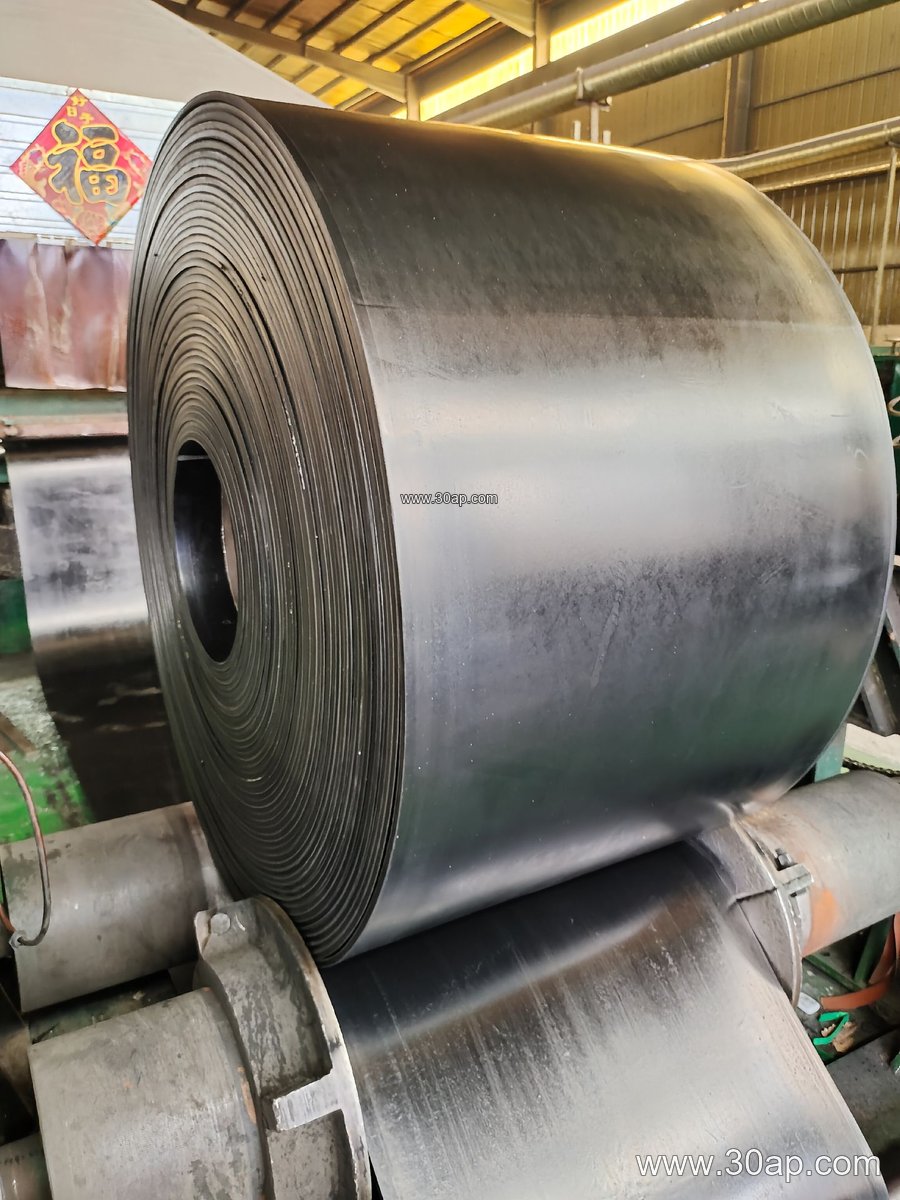
The carcass carries the tension, while the cover rubber protects it from the material and the environment. Fabric-core designs are common for medium and long conveyors, and steel cord designs are used where very high strength or long center distances are required. Cover grade is chosen for the duty: abrasion resistant conveyor belt for sand and stone, heat resistant conveyor belt for clinker and sinter, flame retardant conveyor belt or fire resistant conveyor belt for coal and underground work, and oil resistant conveyor belt for oily feedstock.
Reference data below is typical of what buyers see in catalogs; actual values are confirmed by the manufacturer for each order.
| Item | Common reference values |
|---|---|
| Belt width | 1800 mm (B1800) |
| Fabric carcass grades | EP200, EP315, EP400, EP500, EP630, EP800, EP1000, EP1250, EP1600 |
| Nylon carcass grades | NN100, NN200, NN300, NN400 |
| Steel cord grades | ST1000, ST1250, ST1600, ST2000, ST2500 |
| Cover thickness (top + bottom) | 4+2, 5+2, 6+2, 8+3 mm |
| Ply count | 2 to 6 plies, by design |
| Special forms | Chevron conveyor belt, corrugated sidewall conveyor belt, skirted conveyor belt, pipe conveyor belt |
For a given 1800mm belt, the ply count and cover thickness are selected together with the pulley diameters and the maximum lump size. A wider belt does not automatically mean a thicker cover, and a 1800mm belt can run on several pulley sizes depending on the carcass grade and the required tension.
Where This Width Is Used
Mining, coal preparation, cement plants, power stations, and large sand and gravel yards are the usual homes for this format. A quarry conveyor belt or crusher conveyor belt at 1800mm can take the discharge from a primary crusher without excessive spillage at the edges. In a coal mining conveyor belt installation, the same width is often specified with flame retardant and anti-static properties, and PVG conveyor belt or PVC conveyor belt constructions may be chosen for underground coal mining conveyor belt duty.
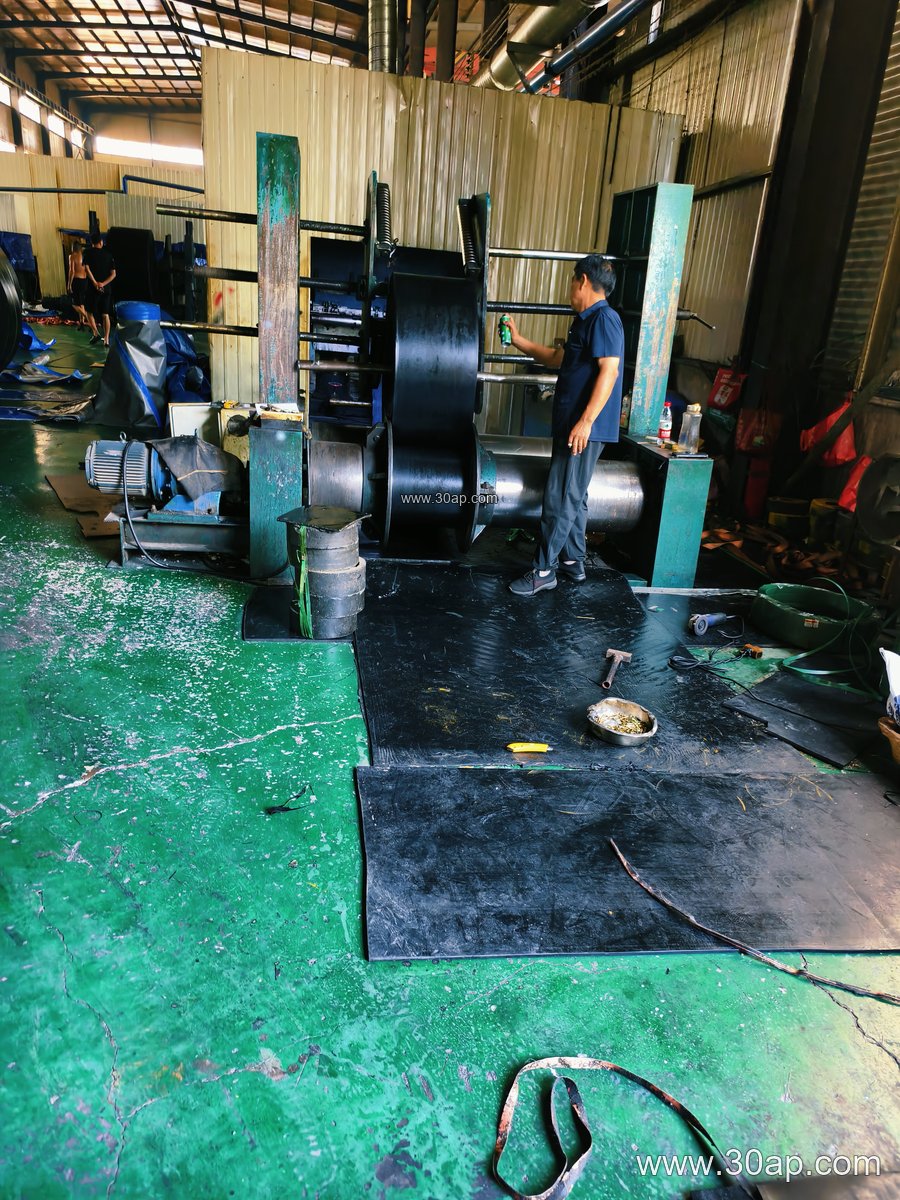
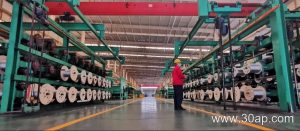
Ports and ship loading systems also use this width for bulk material conveyor belt lines that must handle high throughput with low belt speed. Steel plant conveyor belt routes carrying hot material may use a heat resistant grade, while a cement conveyor belt line handling clinker benefits from a high abrasion resistant cover. For long overland routes, a steel cord conveyor belt is frequently preferred, and an endless conveyor belt splice reduces the number of mechanical joints.
Buyer Checklist Before Ordering
- Confirm the actual belt width, carcass grade, and cover thickness, not just the 1800mm figure.
- State the material, lump size, temperature, and whether oil, acid, or flame exposure applies.
- Check that the conveyor pulley, idler roller, and conveyor bracket are rated for the belt load and trough angle.
- Decide between fabric core and steel cord based on tension and center distance, not on width alone.
- Ask how the belt will be joined: vulcanized splice, mechanical fastener, or supplied as an endless belt.
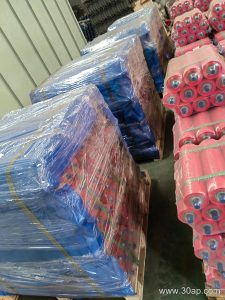
- Review storage and handling plans, since wide belts are heavy and easily damaged at the edges.
Maintenance attention should focus on edge wear, cover gouging at the load point, and tracking across the full width. Inspecting the conveyor pulley lagging and the idler roller alignment regularly helps a 1800mm conveyor belt run centered and avoids uneven cover wear. Tension settings, splice condition, and skirt rubber clearance all deserve a place on the inspection route.
For anyone sourcing a wide belt for a mine, cement works, power plant, or aggregate operation, the key is to treat 1800mm as the starting dimension and then match carcass, cover, and splice to the real duty. Further details on rubber conveyor belt grades and related conveyor components are available from the supplier.