What a Guide Idler Bracket Does
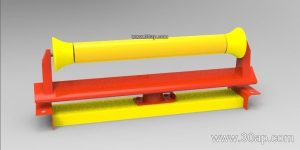
A guide idler bracket is a structural component that positions and supports idler rollers on a conveyor. It holds the idler in the correct orientation so the belt runs true, especially on the carrying side where material load and belt tension push sideways. In practice, this bracket is often a welded steel assembly made from angle, channel, or folded plate. It mounts to the conveyor frame and carries one or more idlers at a set trough angle. While the name suggests guidance, the bracket itself does not steer the belt; it provides a stable, correctly angled base for the idler that does the guiding. This distinction matters when specifying replacement parts, because a guide idler bracket must match the frame hole pattern and the idler end type.
Construction and Mounting
Most guide idler brackets are fabricated from low-carbon steel. Common forms include a single-piece folded plate with punched holes, or a welded channel section with gussets for stiffness. The bracket usually has slotted or drilled mounting holes so minor frame variations can be accommodated. On adjustable versions, the bracket includes a pivoting or sliding connection that lets maintenance staff change the trough angle or the idler position without cutting the frame. Fixed brackets are simpler and more rigid, often used where the belt path is stable and adjustment is not expected.
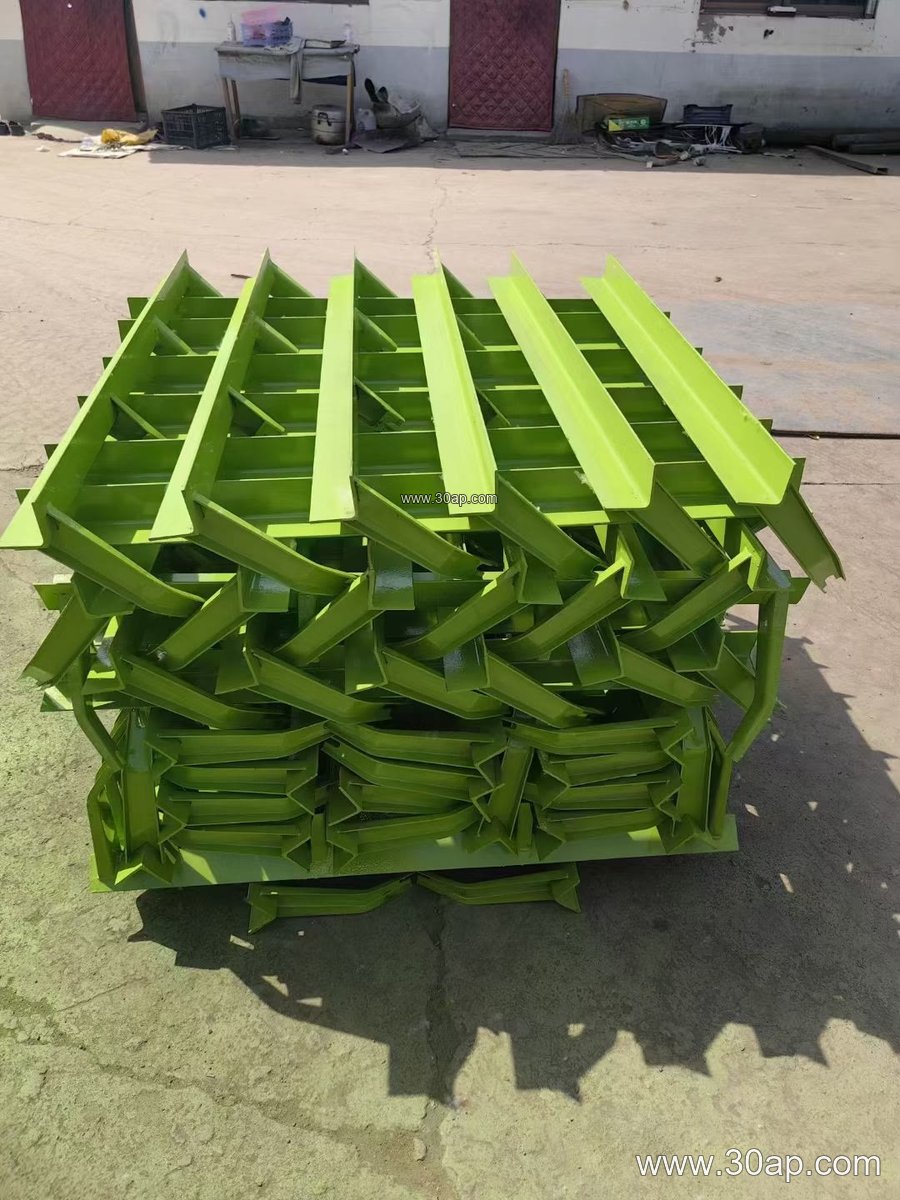
Mounting position depends on the conveyor layout. On the carrying side, guide idler brackets are typically installed at the transition zone after the tail pulley, at curves, and at intervals along long runs to keep the belt centered. On the return side, a different bracket type such as a V-return or flat return bracket is used, and these are not interchangeable with the carrying-side guide bracket. The bracket must align with the conveyor frame stringers, and the mounting hole spacing is determined by belt width, trough angle, and idler diameter—not by a single universal dimension.
Where It Fits in Bulk Handling
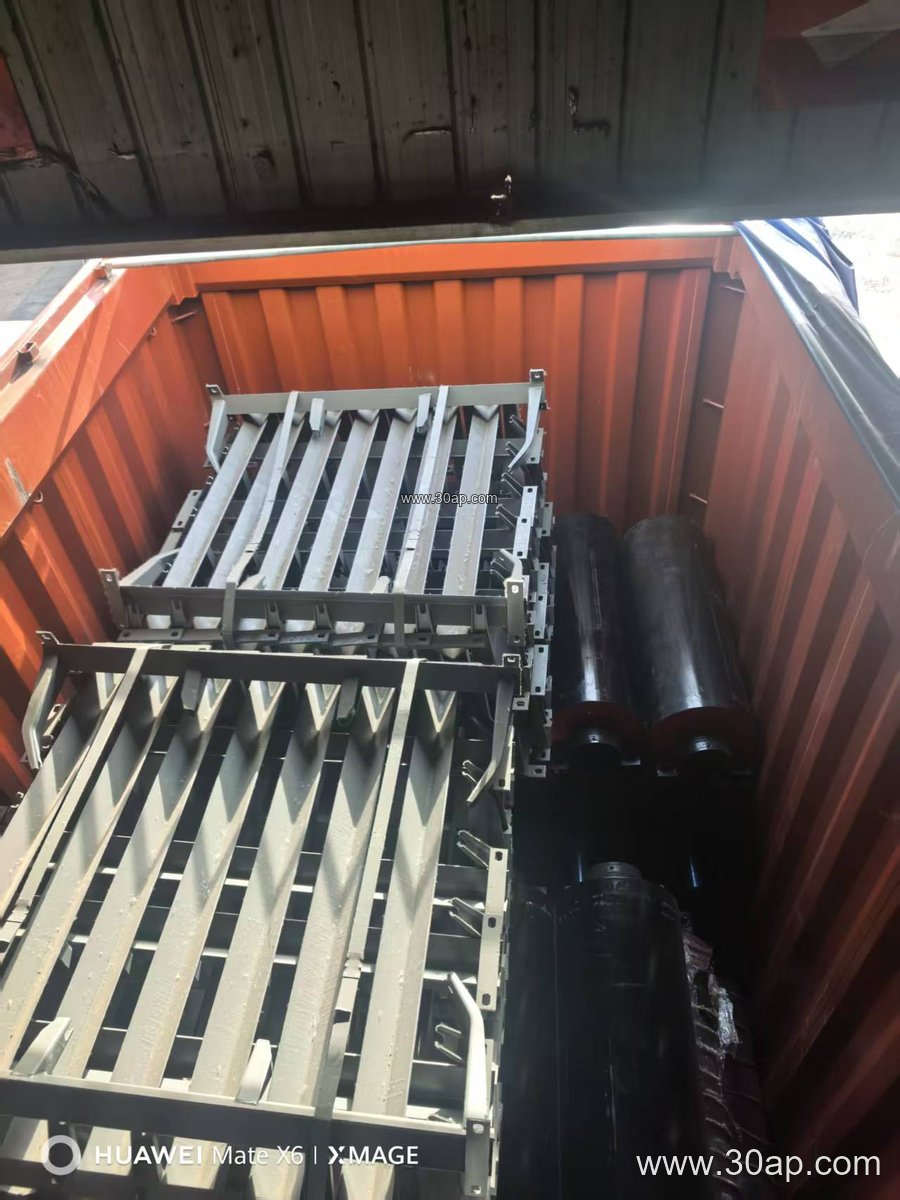
Guide idler brackets appear in many bulk material systems. In a limestone quarry, they support idlers under a 1200mm wide abrasion resistant conveyor belt carrying crushed rock. At a coal-fired power plant, they help keep a flame retardant conveyor belt centered on the coal handling line. In a cement plant, the bracket may sit under a heat resistant conveyor belt on the clinker path, where thermal expansion of the frame is a consideration. Sand and gravel plants use them on aggregate conveyor belts that experience frequent load changes. The bracket is also found in iron ore and copper ore operations, where heavy-duty mining conveyor belts demand robust support. In each case, the bracket works with the idler roller and the conveyor belt as a system; a poorly aligned bracket can cause edge wear even on a high-quality belt.
Matching Bracket to Belt Width and Idler Size
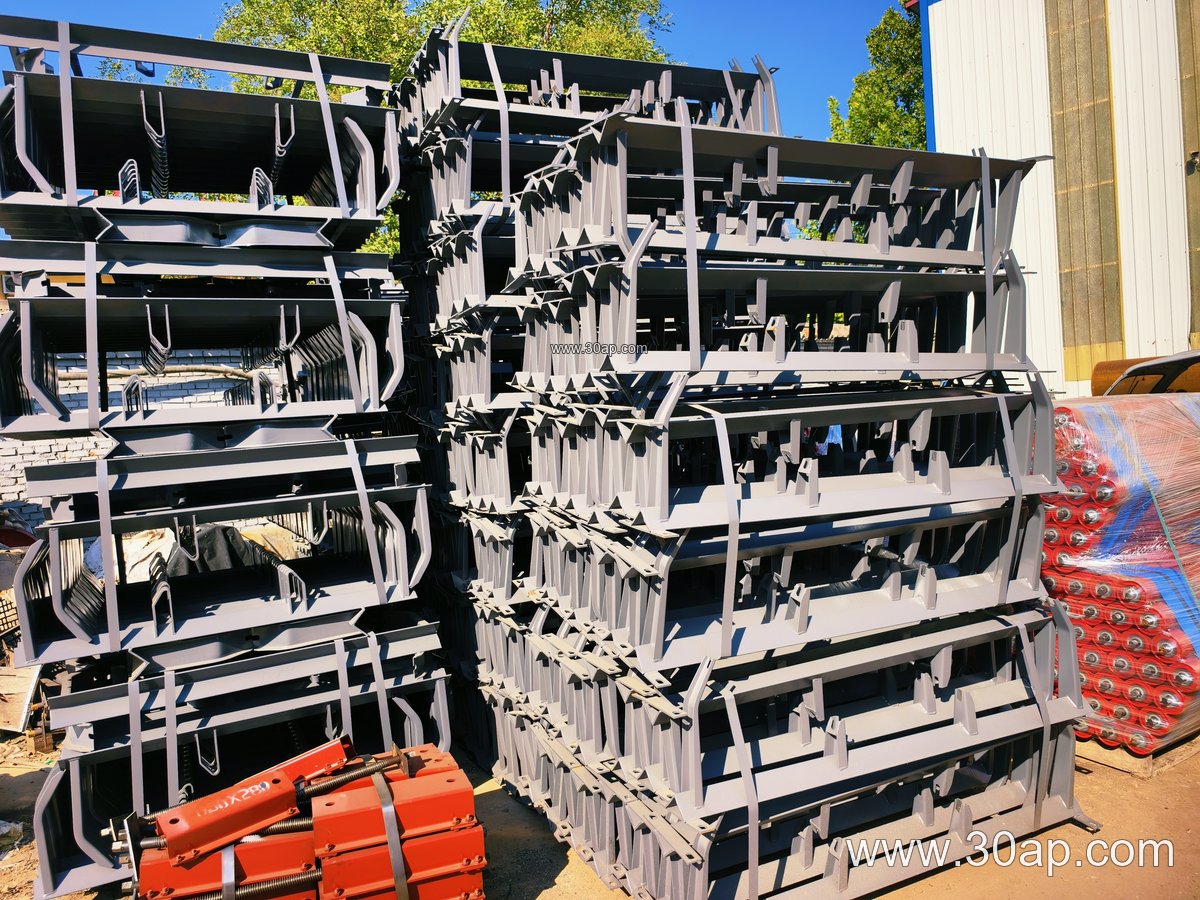
Belt width and idler diameter are the first variables to confirm. Common belt widths include B500, B650, B800, B1000, B1200, B1400, B1600, B1800, B2000, B2200, and wider. Idler diameters are commonly Ø89, Ø108, Ø133, Ø159, and Ø194. Trough angles are usually 20, 30, 35, or 45 degrees, and adjustable brackets can move between these angles. Forward tilt of about 1.5 to 2 degrees is sometimes used on training idlers, but the bracket must be designed for that tilt. The table below shows reference combinations; these are examples, not fixed rules.
| Belt Width | Trough Angle | Idler Diameter | Typical Bracket Note |
|---|---|---|---|
| B650 | 30° | Ø89 | Light-duty fixed bracket |
| B800 | 35° | Ø108 | Adjustable bracket common |
| B1000 | 35° | Ø133 | Heavy frame, slotted holes |
| B1200 | 45° | Ø133 | Deep trough, reinforced gusset |
| B1400 | 35° | Ø159 | Mining-duty bracket |
| B1600 | 45° | Ø159 | Wide belt, high load |
| B1800 | 35° | Ø194 | Extra-wide support |
Do not assume that one belt width can only use one trough angle or one idler diameter. The conveyor design, material lump size, and belt stiffness all influence the choice. Mounting hole spacing and crossbeam length change with belt width and trough angle, so the bracket drawing should be checked against the frame before ordering. A bracket intended for a 800mm belt will not fit a 1200mm frame without modification.
Buyer Checklist
- Confirm the conveyor frame hole pattern and stringer spacing.
- State belt width, trough angle, and idler diameter together.
- Specify fixed or adjustable bracket, and whether forward tilt is required.
- Match bracket material and finish to the environment—dust, moisture, or heat.
- Ask for the bracket drawing, not just a part number, to verify fit.
For replacement or new projects, a guide idler bracket is a small but critical link between the conveyor frame and the idler roller. Getting the bracket right protects the conveyor belt, reduces tracking problems, and keeps the material stream moving in quarry, power, cement, and mining operations. Related components such as the conveyor pulley and conveyor bracket should be reviewed at the same time to ensure a consistent support system.