What a Comb Idler Does on a Conveyor
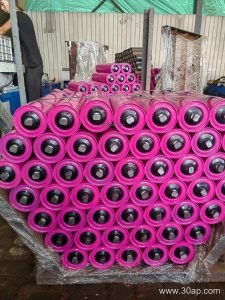
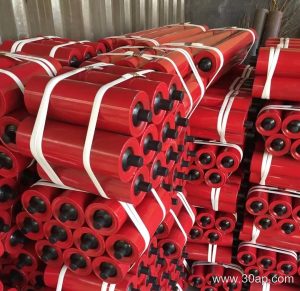
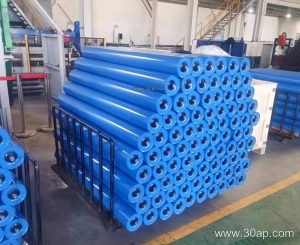
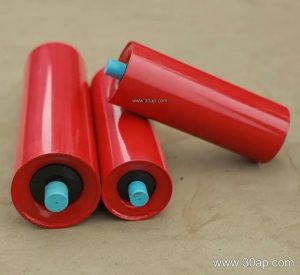
A comb idler is a return-side roller fitted with a series of rubber or polymer discs that look like the teeth of a comb. It is mounted under the carrying belt, usually just behind the head pulley, so the discs press against the dirty surface of the belt and flick off sticky fines before they reach the tail pulley. In a quarry, a crusher discharge line, or a cement plant transfer point, this small component is often the difference between a clean return strand and a build-up problem that slowly misaligns the whole conveyor.
Although it belongs to the idler family, the comb idler has a specific job that a plain return roller cannot do. A standard flat return roller only supports the belt; a comb idler supports and cleans at the same time. That dual function makes it a common choice in sand and aggregate plants, limestone mines, and coal handling systems where wet or clay-rich material clings to the belt cover.
How the Comb Idler Is Built
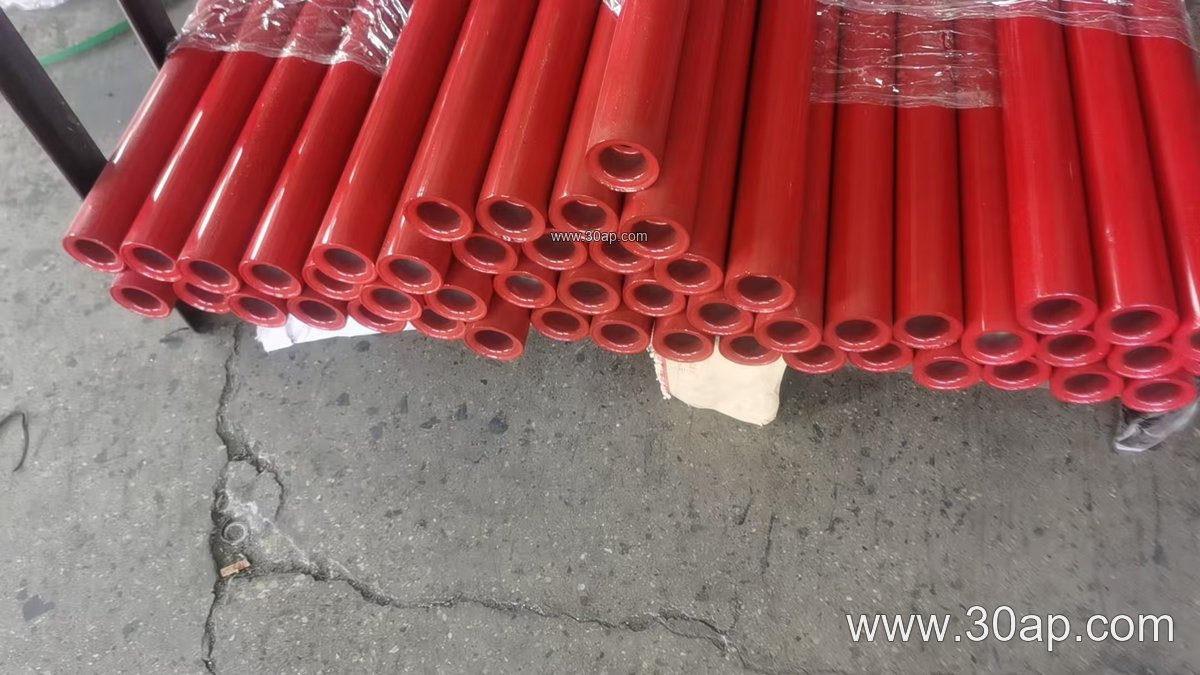
The body is normally a steel tube with welded end caps, machined bearing housings, and a through shaft. Around the tube sit a number of flexible discs, spaced so that each disc contacts a different track of the belt. The gaps between discs let loose material fall away instead of packing. Shaft ends are seated in bearing blocks that bolt to the conveyor bracket, and the whole unit is sized to match the belt width and the return strand height.
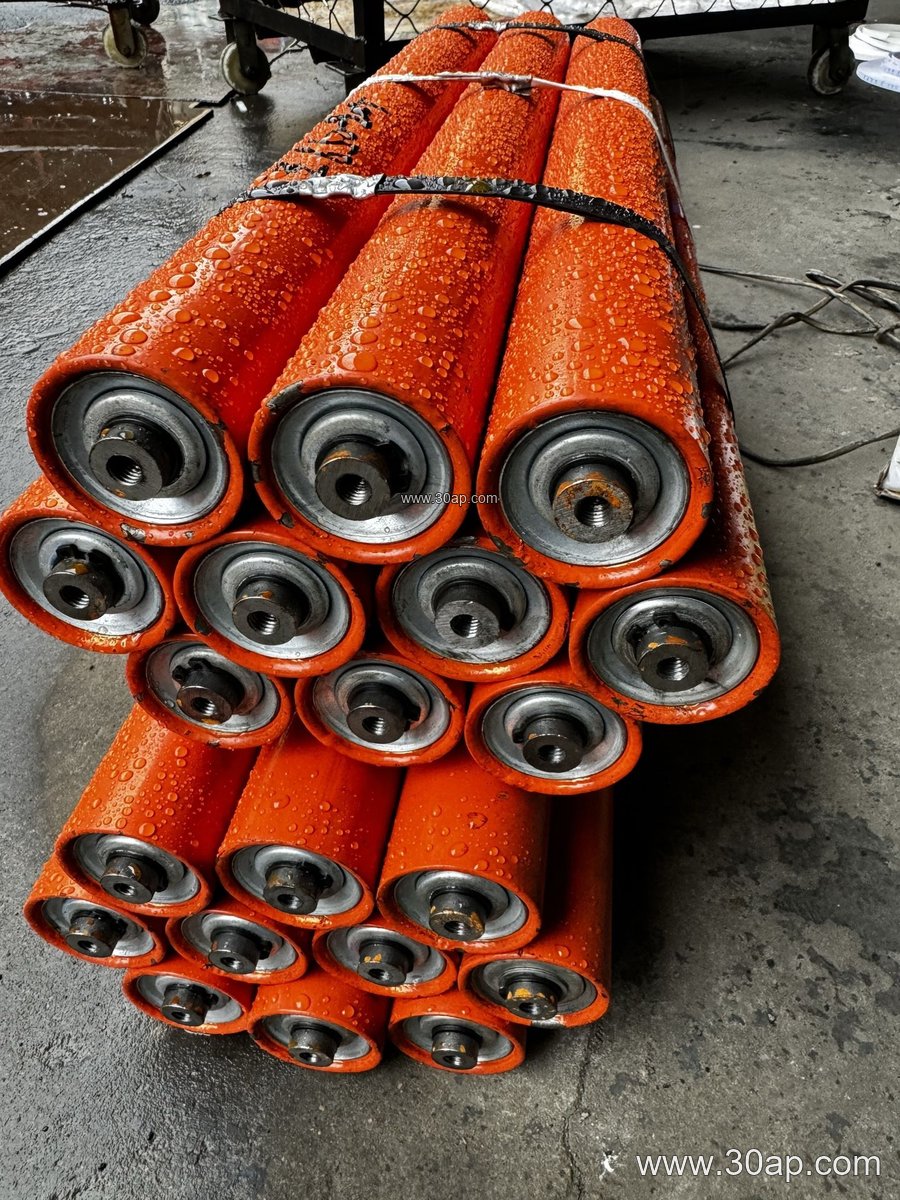
- Tube and shaft in carbon steel, sometimes with a corrosion-resistant finish
- Discs in wear-resistant rubber, polyurethane, or a comparable elastomer
- Sealed bearings, often 6205, 6305, or 6306 depending on load and shaft size
- Bearing housings with grease points for periodic lubrication
Disc hardness matters. A softer disc conforms better to a rough belt surface and cleans fines more effectively, while a harder disc lasts longer in abrasive service. Buyers should ask for the disc material and hardness rather than assuming all comb idlers are the same.
Where It Fits in the Conveyor Layout
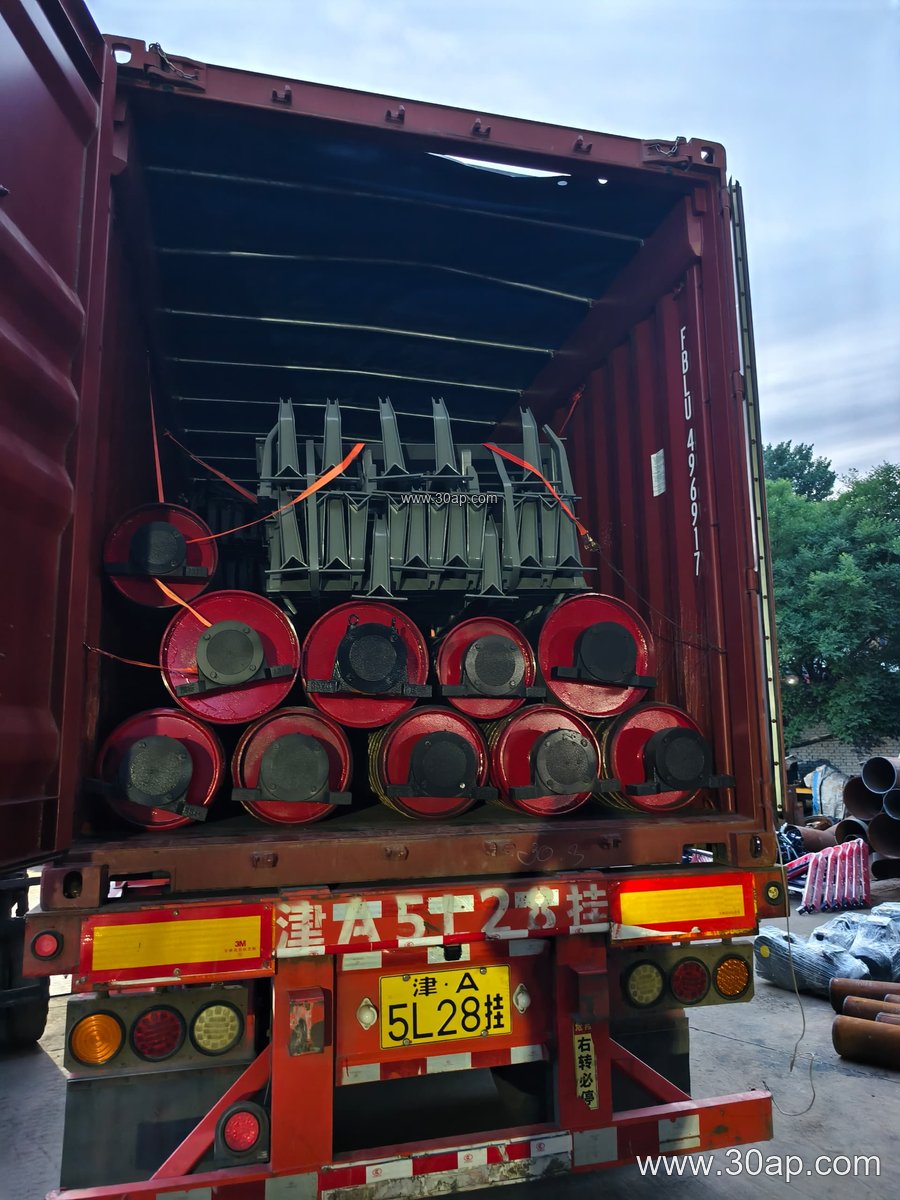
The usual position is on the return run, a short distance after the discharge point. In a coal mining conveyor or an underground coal mining conveyor, the comb idler is often paired with a V-return idler or a flat return roller to keep the belt stable. In a power plant coal yard, it helps control dust carry-back. In a copper ore or iron ore line, it reduces the amount of material that drops into the tail area and causes belt tracking problems.
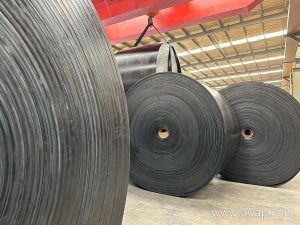
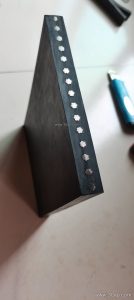
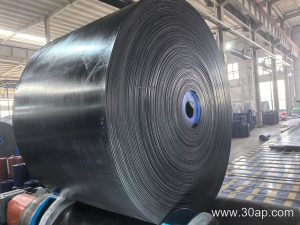
It also works well ahead of a conveyor pulley where belt wander is a concern, because a cleaner return surface gives the pulley better contact. On a steel cord conveyor belt with a smooth cover, the comb action is gentle enough to avoid cover damage, while on a fabric core conveyor belt with a rougher surface, the discs can be set slightly closer together.
Choosing the Right Comb Idler
Selection starts with the belt width and the return strand geometry. A belt 800 mm wide and a belt 1400 mm wide need different roller lengths, and the disc pattern should cover the full belt path. The roller diameter should be chosen to suit the shaft, bearing, and frame height, not simply copied from a neighbouring roller.
Common reference values are shown below. These are typical ranges, not fixed pairings, and the final size should be confirmed by the conveyor designer.
| Belt width | Typical reference | Disc material option |
|---|---|---|
| B650 | Roller dia. Ø89 to Ø108 | Rubber or PU |
| B800 | Roller dia. Ø102 to Ø127 | Rubber or PU |
| B1000 | Roller dia. Ø108 to Ø133 | Rubber, PU, or ceramic-faced |
| B1200 | Roller dia. Ø127 to Ø159 | Rubber or PU |
| B1400 | Roller dia. Ø133 to Ø178 | Rubber or PU |
| B1600 | Roller dia. Ø159 to Ø194 | Rubber or PU |
Bearing choice follows the load and the shaft diameter. A 6204 bearing may suit a light idler, while a 6308 or 6310 is more typical on heavy-duty mining conveyor belt service. Do not assume that one bearing size fits every roller diameter, and do not assume that one belt width dictates a single pulley diameter.
Installation and Maintenance Notes
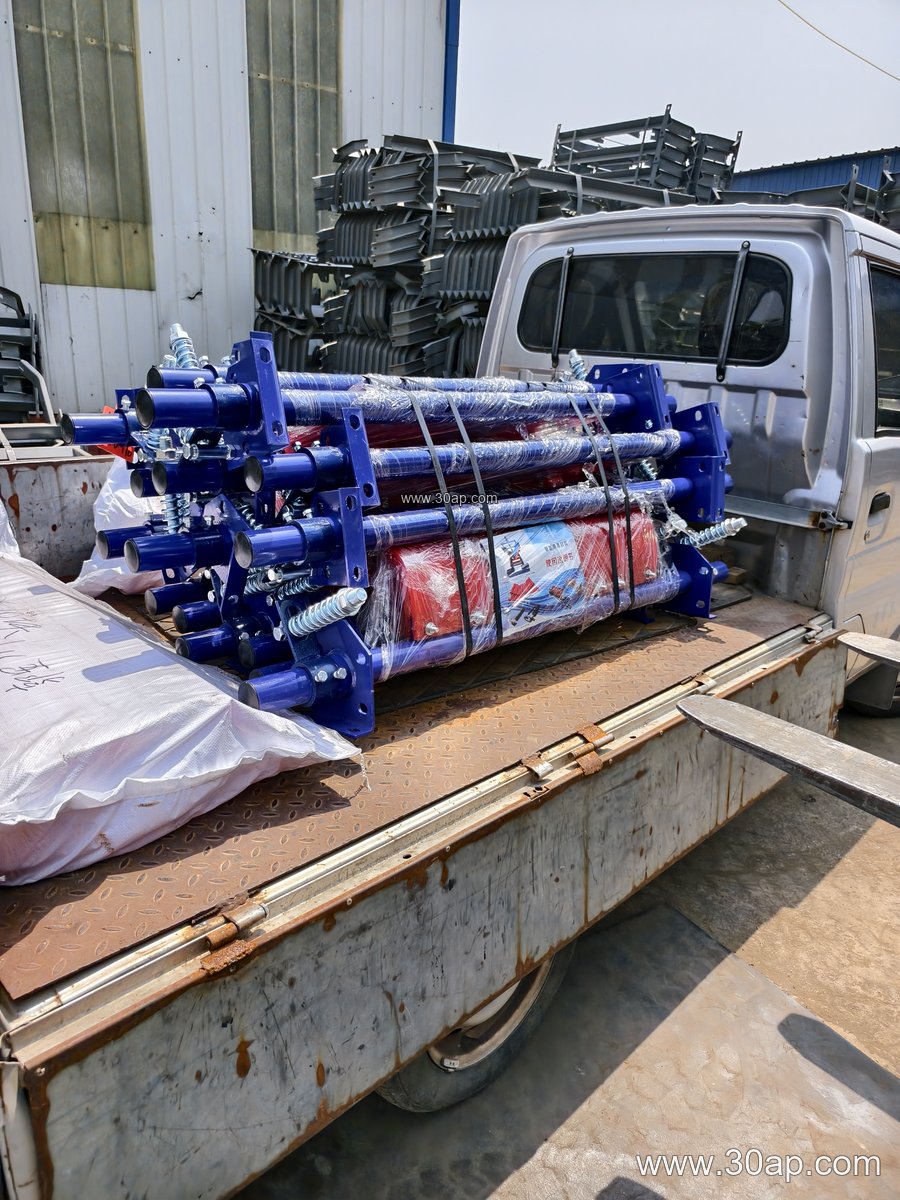
Mount the comb idler square to the belt centreline and at the correct height so the discs touch the belt lightly. Too much pressure wears the discs and the belt cover; too little leaves the return strand dirty. Check the fasteners on the conveyor bracket after the first week of operation, then follow the plant’s normal inspection interval.
Inspect the discs for flat spots, cuts, and embedded stones. Worn discs can be replaced individually on many designs, which keeps the shaft and bearings in service. Grease the bearings according to the supplier’s schedule, and keep the return area free of spilled material so the unit is not buried.
For plants handling heat resistant conveyor belt or oil resistant conveyor belt grades, confirm that the disc compound is compatible with the belt cover and the local conditions. In cold climates, a cold resistant conveyor belt may need a disc material that stays flexible at low temperature. A flame retardant conveyor belt used in a coal mining conveyor should be matched with non-sparking, static-safe components where the site requires it.
Buyer Checklist
- Belt width and return strand height
- Roller diameter, shaft diameter, and bearing size
- Disc material, hardness, and spacing
- Mounting bracket dimensions and bolt pattern
- Belt grade and environmental conditions
- Availability of replacement discs
A comb idler is a small investment compared with the cost of a misaligned belt or a blocked tail pulley. Matching it to the belt width, the material, and the conveyor layout is the practical way to get long service in quarry, cement, power, and mining duty.