What an EP Rubber Conveyor Belt Is
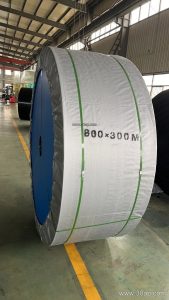
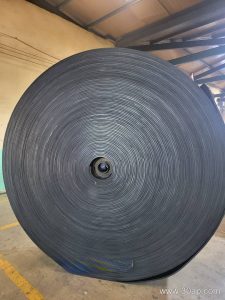
An EP Rubber Conveyor Belt is a fabric-cored rubber belt built around polyester and nylon yarns. The warp yarns are polyester (E) and the weft yarns are nylon (N), which is why the carcass is often called EP fabric. This combination gives the belt low elongation under load, good troughability, and strong resistance to fatigue compared with all-nylon constructions. In practice, the product is also described as an EP fabric core conveyor belt, and the two names refer to the same belt.
Buyers meet this belt on long overland lines, plant-to-plant transfer conveyors, and stockyard systems where a steel cord belt would be overkill and a light PVC belt would not survive. It sits in the middle ground of fabric-reinforced belting and is widely used across mining, cement, power generation, quarries, ports, and sand and gravel plants.
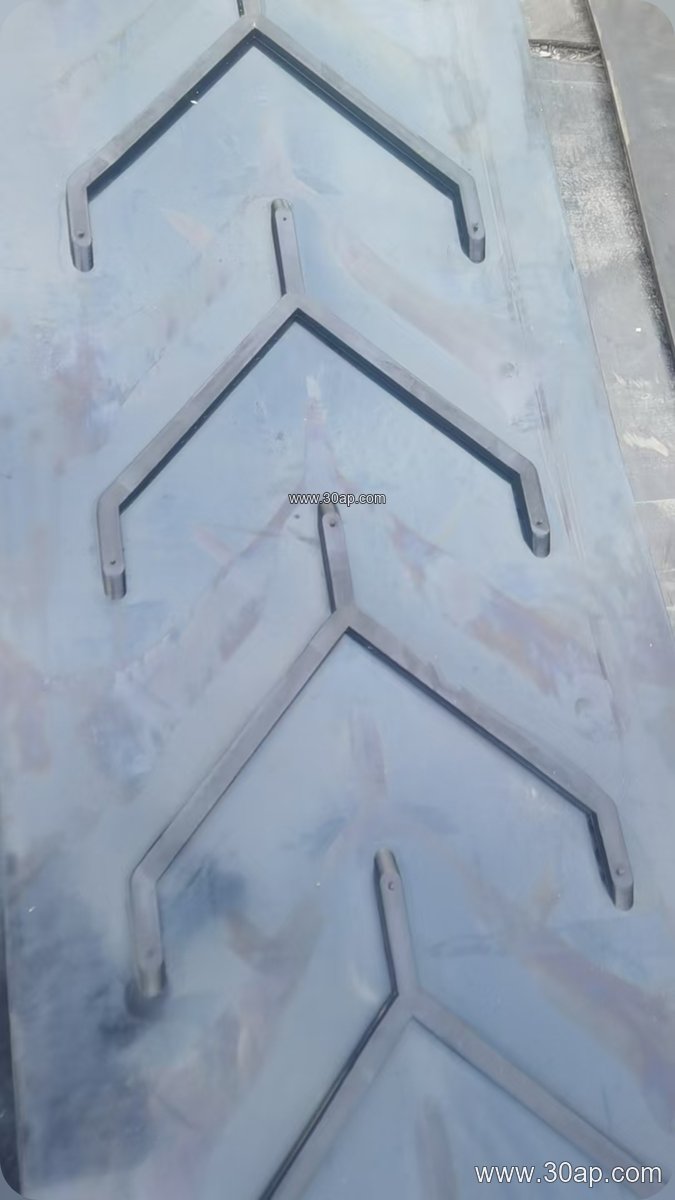
How the Belt Is Built
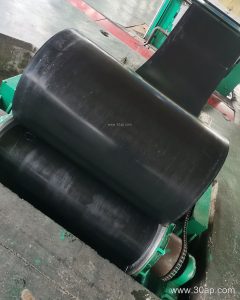
The carcass is made of two to six plies of EP fabric, bonded with rubber skim between the layers. A top cover and a bottom cover protect the fabric from abrasion, impact, moisture, and the material being carried. Cover thickness is usually written as a pair of figures such as 4+2 mm, 5+2 mm, 6+2 mm, or 8+3 mm, where the first number is the carrying-side cover and the second is the pulley-side cover.
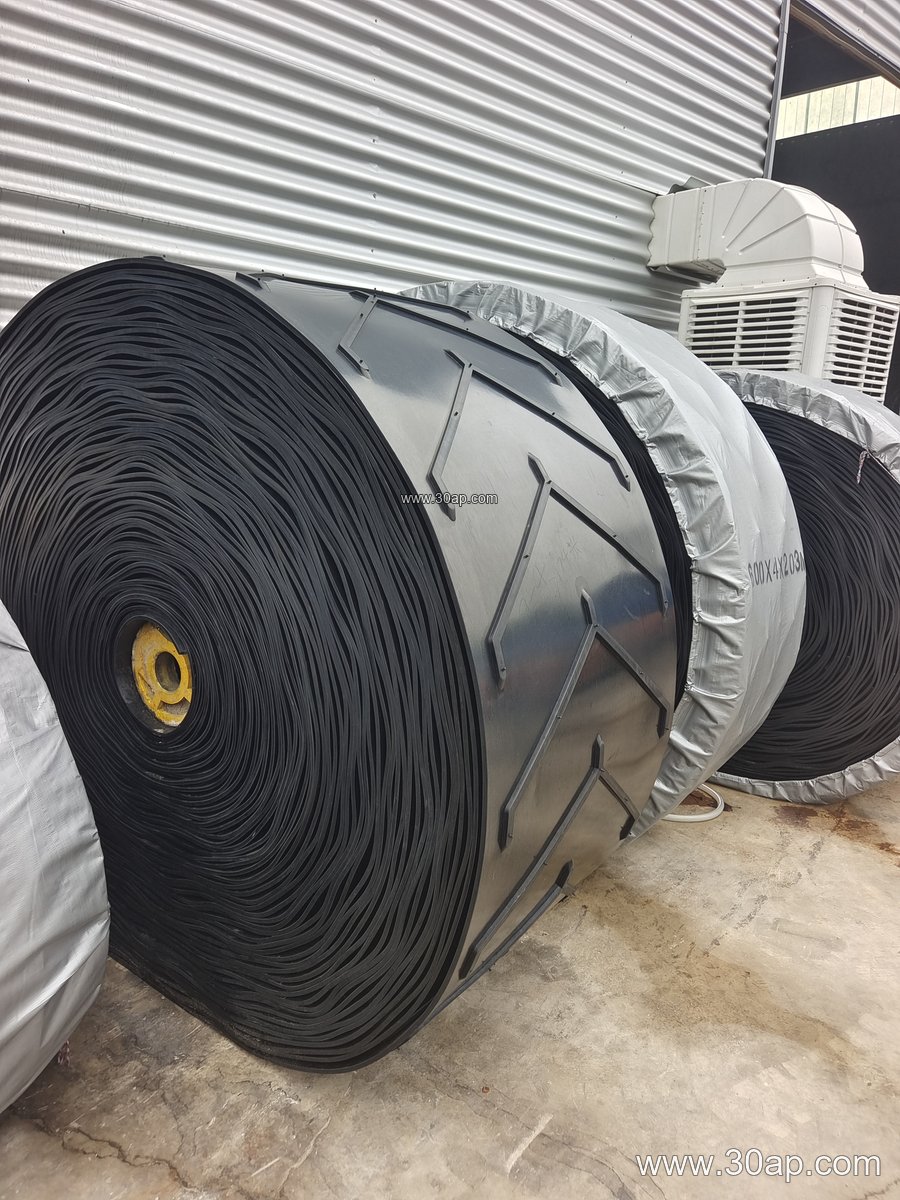
The rubber compound determines how the belt behaves in service. Standard abrasion resistant conveyor belt grades suit crushed stone, aggregate, and ore. Heat resistant conveyor belt compounds are chosen for cement clinker, sinter, and ash. Flame retardant conveyor belt and fire resistant conveyor belt constructions are used in coal mining conveyor belt systems and underground mining conveyor belt installations. Oil resistant, acid resistant, and cold resistant grades cover special cases. Anti-static conveyor belt properties matter where dust and static build-up are concerns.
Strength Grades and Common Sizes
EP belts are rated by tensile strength per unit width, written as EP followed by a number. The table below lists grades that appear in catalogues; the figures are reference values, not a supply promise, and actual construction varies by manufacturer and design.
| Strength grade | Typical application note |
|---|---|
| EP200 | Light to medium duty, short conveyors |
| EP315 | General plant transfer |
| EP400 | Aggregate and quarry lines |
| EP500 | Medium duty bulk material |
| EP630 | Cement and power plant service |
| EP800 | Heavier mining loads |
| EP1000 | Long distance, high tension |
| EP1250 | Heavy-duty mining conveyor belt duty |
| EP1600 | High strength conveyor belt duty |
| EP2000 | Very high tension, selected by design |
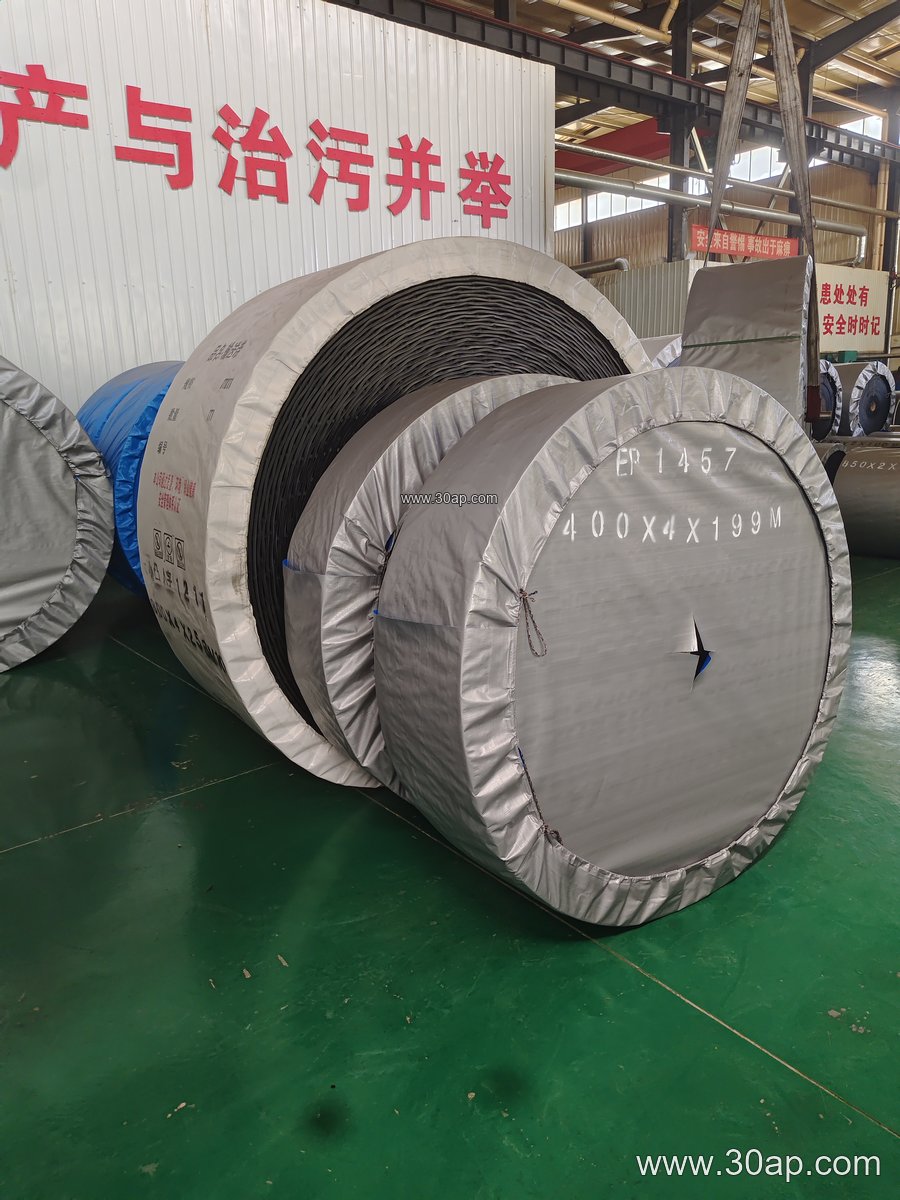
Widths commonly range from 500 mm to 2000 mm, with 650 mm, 800 mm, 1000 mm, 1200 mm, 1400 mm, and 1600 mm among the most requested. A 1200 mm wide conveyor belt and a 1500 mm wide conveyor belt are common on main haulage lines. Belt width is matched to the conveyor design, the lump size, and the required capacity; it is not fixed by any single pulley diameter.
Where It Fits in the Plant
In a quarry or stone crushing plant, the belt runs between the crusher, screens, and stockpiles, often as a crusher conveyor belt or aggregate conveyor belt. In a cement plant it moves limestone, clinker, and additives. In a power plant it handles coal and ash. In iron ore, copper ore, and gold mining operations it carries ore from the pit or stockpile to the processing circuit. Ports use it for ship loading and bulk material transfer.
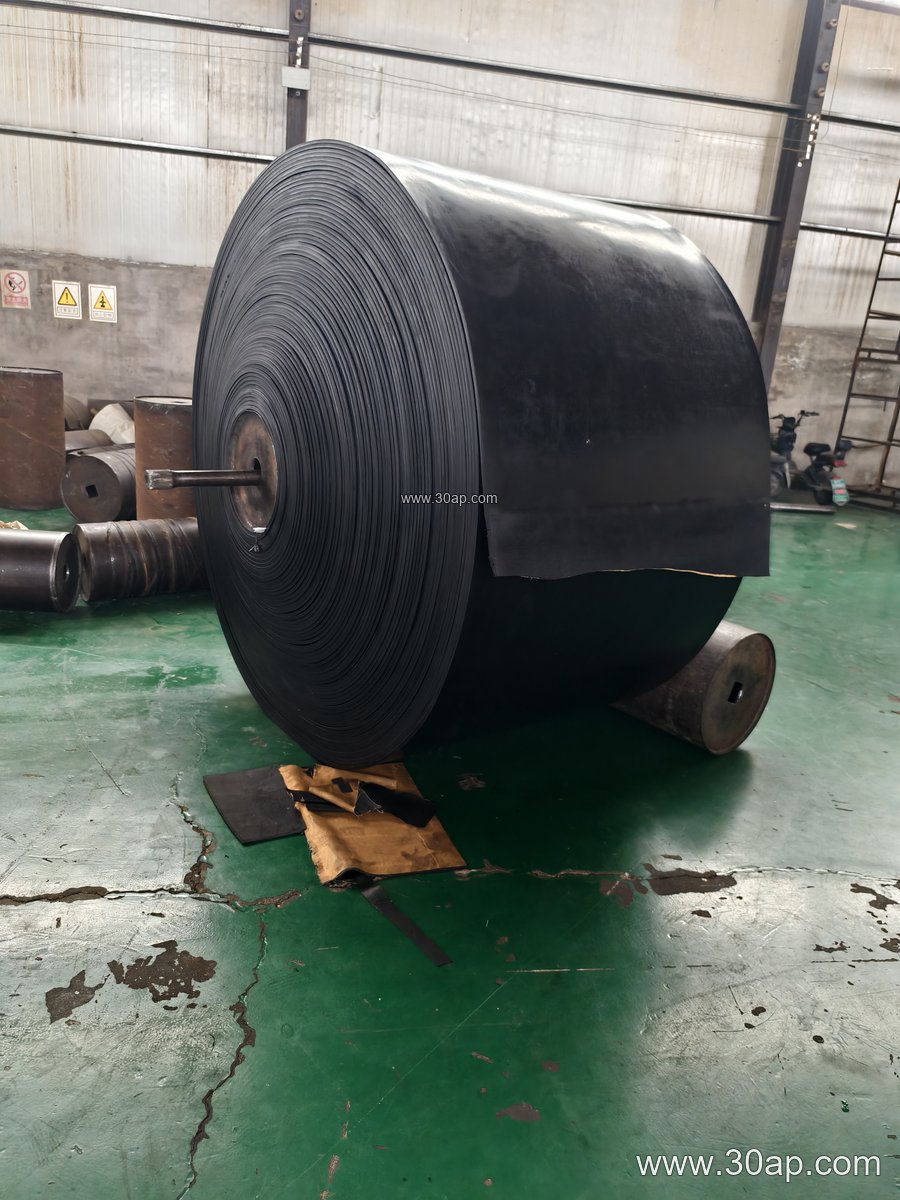
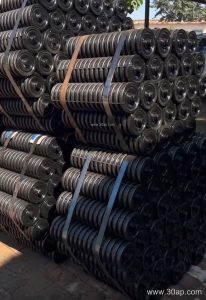
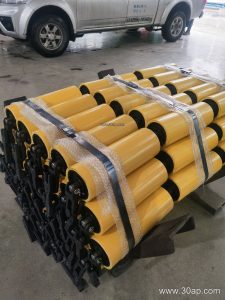
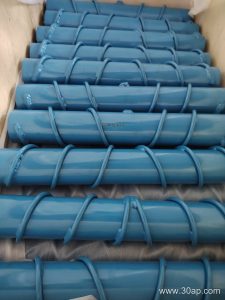
On the conveyor itself, the belt works with idler rollers, conveyor pulleys, and conveyor brackets. Drive pulleys, tail pulleys, and bend pulleys each do a different job, and none of them can be swapped for another type without a design review. The belt also interacts with skirt rubber, belt cleaners, and loading chutes, so the belt specification should be read together with the whole conveyor layout.
Selection and Maintenance Notes
- Confirm the required tensile grade from the calculated belt tension, not from habit.
- Choose cover thickness and compound for the actual material: sharp rock needs abrasion resistance, hot clinker needs heat resistance.
- For underground coal work, specify flame retardant and anti-static properties together and check them against the site rules.
- Keep the belt tracking well; misalignment damages edges and shortens cover life.
- Inspect splices, cover wear, and edge condition at regular intervals.
- Store belts away from sunlight, oil, and heat, and support coils so they do not deform.
Where a comparison helps, a steel cord conveyor belt offers higher tension capacity for very long or high-lift routes, while an NN conveyor belt uses all-nylon fabric and is common in medium-duty service. These are alternatives for different duties, not replacements for an EP rubber conveyor belt.
For buyers checking a specification, the practical checklist is strength grade, number of plies, cover thickness and compound, belt width, and the splice method. Those five items, matched to the conveyor design and the site conditions, decide whether the belt performs as expected in a mine, cement works, power station, quarry, or port.