What the EP1250 1800mm Conveyor Belt Is
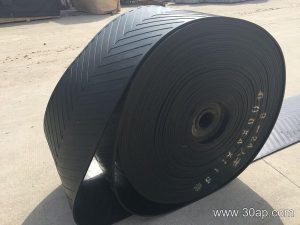
The EP1250 1800mm conveyor belt is a wide, multi-ply fabric core belt built around polyester-polyamide (EP) carcass plies and a nominal 1800 mm width. In this designation, EP1250 refers to the belt’s tensile strength class, typically expressed in newtons per millimetre of width, while 1800 mm defines the cut width of the finished belt. Together they describe a heavy-duty belt intended for high-tonnage conveying lines where both load capacity and longitudinal strength matter. Buyers will also see the same product described as an EP1250 1800mm wide conveyor belt or an EP fabric core belt in 1800 mm width, and these names refer to the same construction.
The EP carcass is the reason this belt is common in demanding duties. Polyester provides low elongation and good dimensional stability, while polyamide adds fatigue resistance and impact tolerance. A belt of this class is often chosen where a steel cord belt would be overkill but a light NN belt would run out of strength margin, particularly on long centre distances in mines, cement works and port terminals.
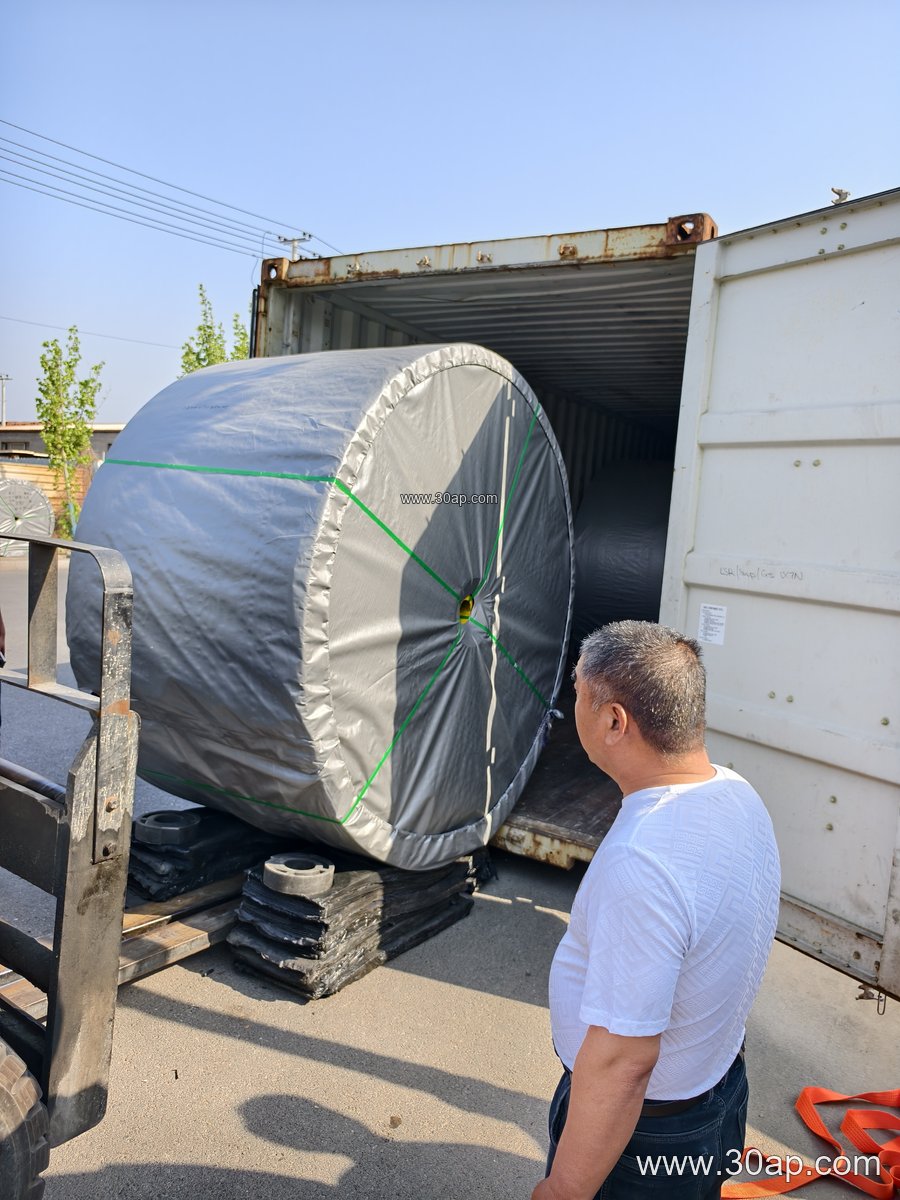
Construction and Typical Build
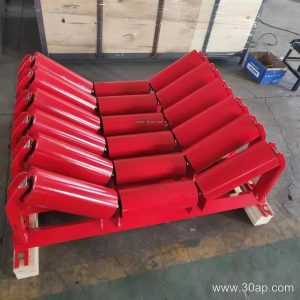
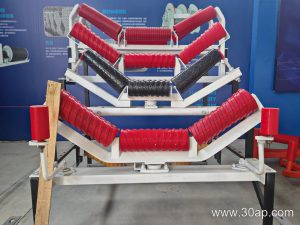
An EP1250 belt usually contains multiple fabric plies, commonly two to six depending on the manufacturer’s design and the required safety factor. The plies are bonded with rubber skim compounds and protected by top and bottom cover rubber. Cover thickness is specified by the application, with common combinations such as 4+2 mm, 5+2 mm, 6+2 mm and 8+3 mm used in heavy-duty service. The 1800 mm width gives a large carrying cross-section, so the belt is often paired with deep troughing idler roller sets and robust conveyor pulley assemblies at the drive and tail ends.
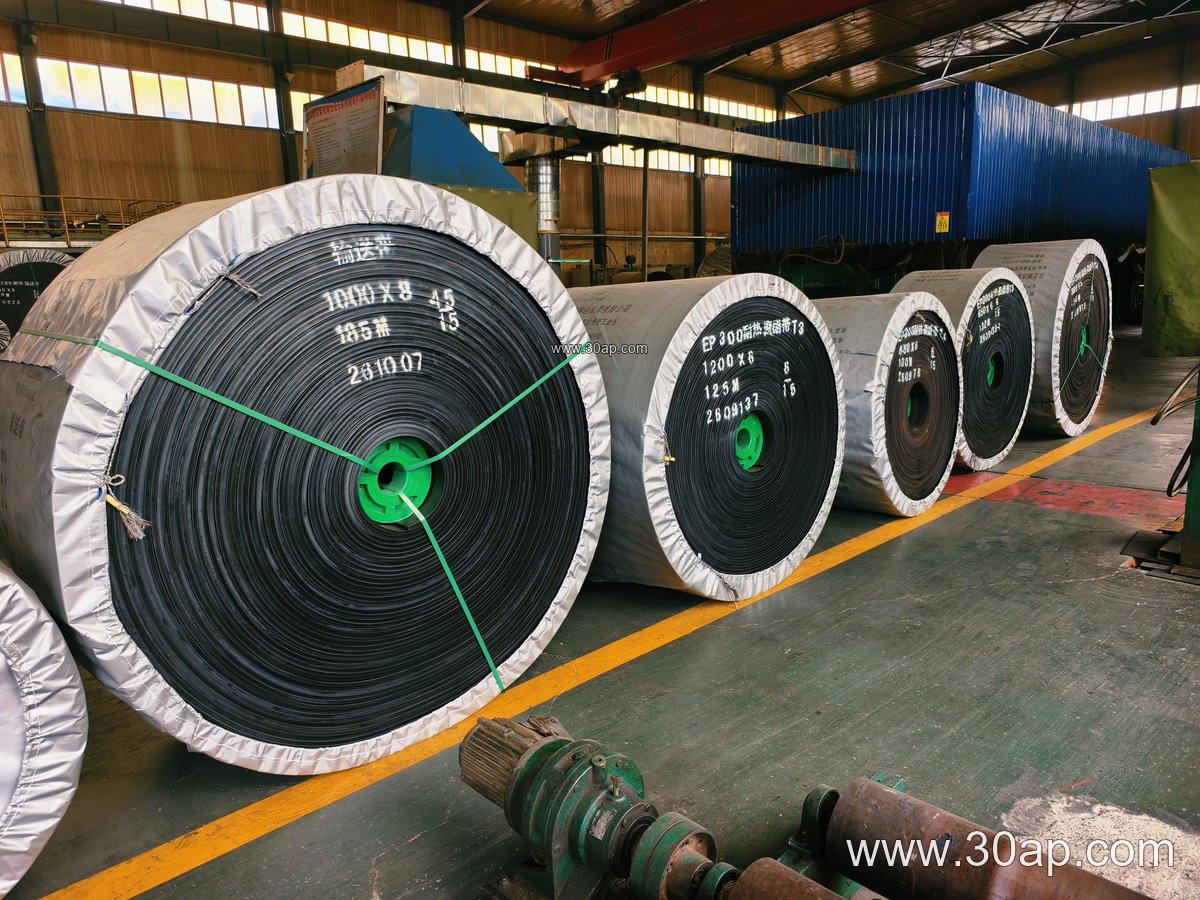
Edge construction, splice type and cover grade are usually agreed at ordering. For hot clinker or sinter duties a heat resistant conveyor belt grade may be specified; for coal handling in underground or enclosed galleries a flame retardant conveyor belt compound is often requested; and for abrasive rock or ore an abrasion resistant conveyor belt cover helps extend service life.
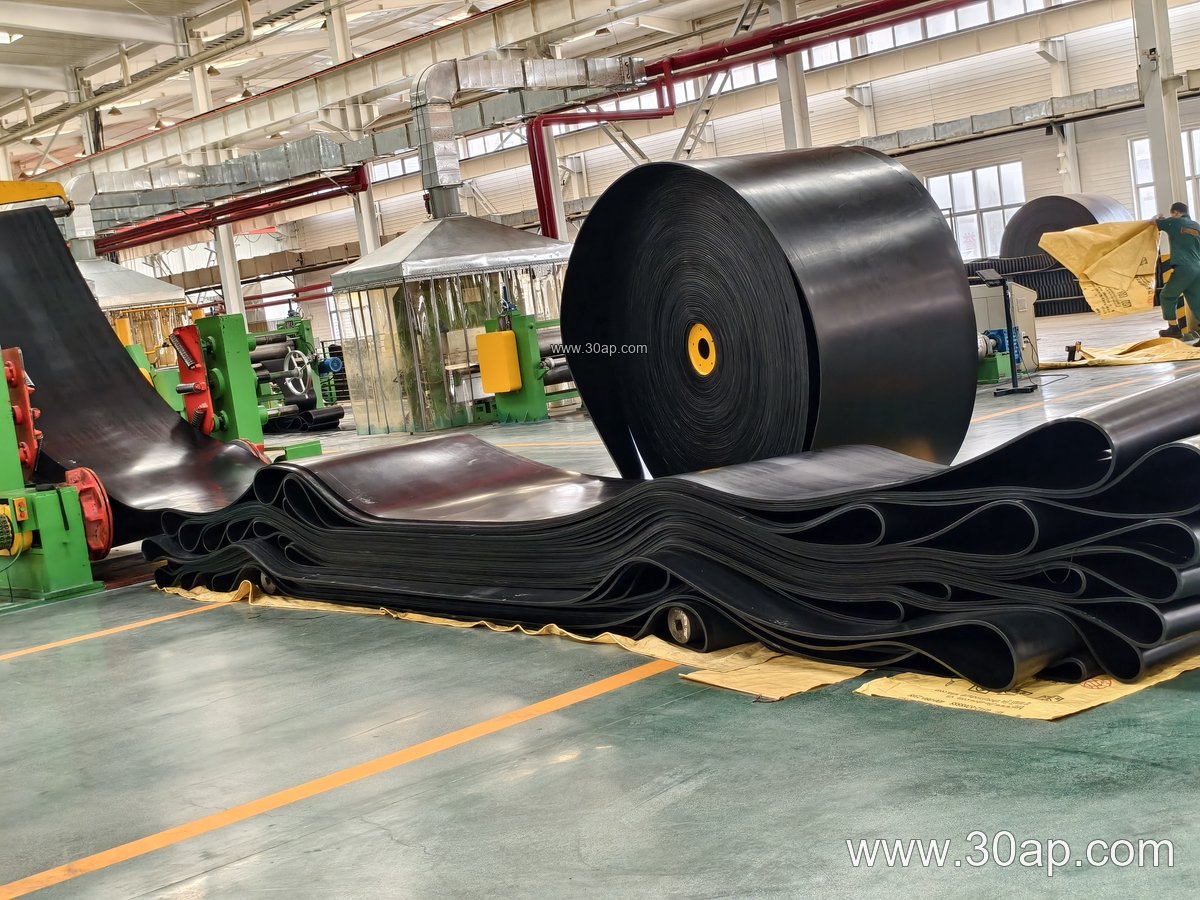
Common Reference Data
The values below are typical reference points only. Actual specifications are confirmed by the manufacturer for each order.
| Parameter | Typical Reference |
|---|---|
| Strength class | EP1250 |
| Belt width | 1800 mm |
| Carcass | Multi-ply EP fabric, usually 2 to 6 plies |
| Cover thickness examples | 4+2 mm, 5+2 mm, 6+2 mm, 8+3 mm |
| Related strength classes in the EP range | EP1000, EP1250, EP1600, EP2000 |
| Related widths in the same family | B1600, B1800, B2000 |
Note that belt width and pulley diameter are separate design decisions. An 1800 mm belt may run on different conveyor pulley sizes depending on tension, wrap angle and shaft load, so no fixed pulley diameter should be assumed from width alone.
Where It Fits in the Plant
This belt class appears in primary and secondary crushing circuits, stockyard feed lines and transfer conveyors. In a quarry or sand making plant it may carry blasted rock from a crusher conveyor belt discharge to screening towers. In coal mining and underground coal mining operations, flame retardant variants handle raw coal, while anti-static properties are often requested for safety. Cement plants use it on clinker and limestone lines, power plants on coal yard conveyors, and steel plants on ore and coke handling routes. Port and ship loading systems also use wide belts to move bulk material at high rates.
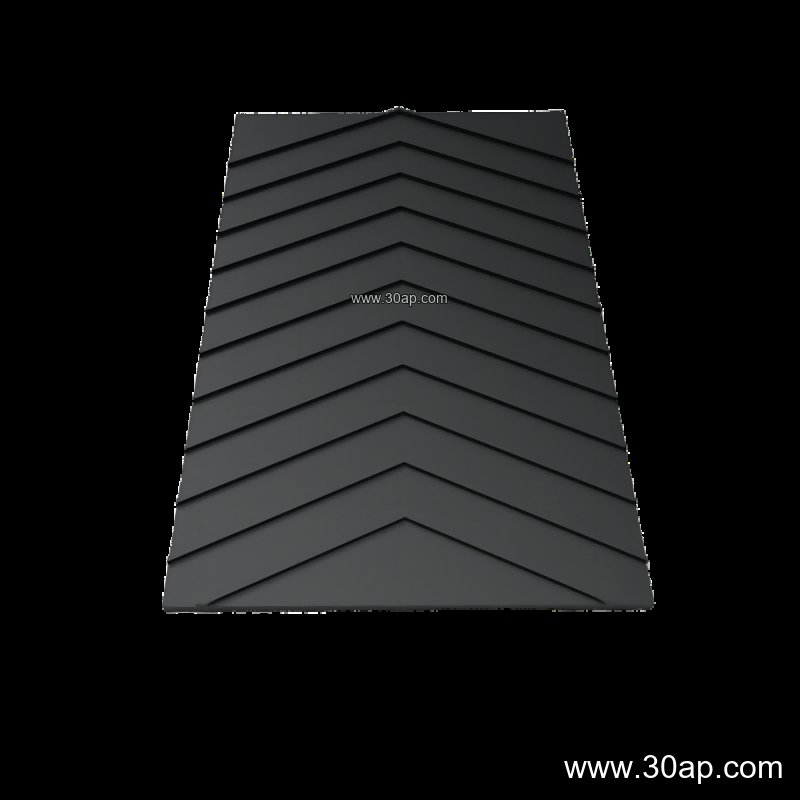
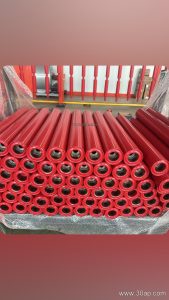
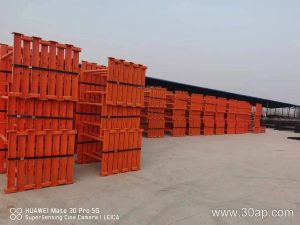
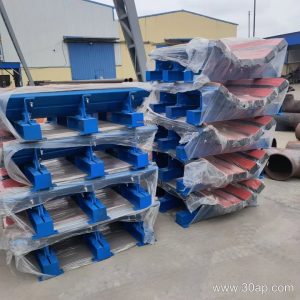
On these lines, the belt works with troughing and return idler rollers, a drive pulley, a tail pulley and bend pulleys, all carried on a steel conveyor bracket framework. Correct alignment of the idler roller frames and pulley faces protects the belt edges, which is especially important on a wide belt where edge stress can concentrate.
Selection and Maintenance Notes
- Check the actual duty: material lump size, density, moisture, temperature and any oil or chemical exposure, then match the cover grade and thickness.
- Confirm the required strength class from the conveyor’s calculated maximum tension, not from the previous belt on the line.
- Decide the splice method early, since vulcanised splices and mechanical fasteners demand different preparation and lead times.
- Review pulley and idler roller loading with the conveyor designer when changing to a heavier or wider belt.
- During operation, inspect cover wear, edge damage and splice condition at regular intervals, and keep the belt tracking correctly to avoid premature failure.
For related equipment, buyers often source conveyor pulley assemblies, idler roller sets and conveyor bracket steelwork alongside the belt so that widths and trough angles match. Whether the final choice is an EP1250 1800mm belt or a comparable fabric core belt, the specification should be written around the conveyor’s real duty and confirmed against the supplier’s current data sheet.