What the EP1000 1200mm Conveyor Belt Is
The EP1000 1200mm conveyor belt is a fabric core belt built around a 1000 N/mm tensile strength rating and a 1200 mm wide carcass. In this designation, EP stands for polyester warp and polyamide weft, a combination that gives the belt low elongation under load and good resistance to fatigue. The 1200 mm width suits main haulage lines and transfer conveyors that move large tonnages without excessive belt speed. Buyers often meet this specification in mining, coal preparation, cement plants, power stations, quarries and aggregate yards, where a wide, strong belt keeps a steady flow between crushers, screens and stockpiles.
It belongs to the broader family of EP conveyor belts, also called EP rubber conveyor belts or EP fabric core conveyor belts. Within that family, the EP1000 grade sits above EP800 and below EP1250, so it is a common choice for medium to heavy duty circuits where a steel cord belt would be more than the duty requires.
Construction and Layer Build
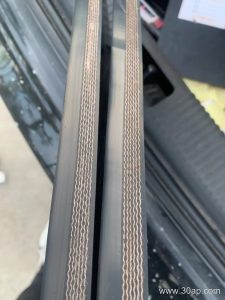
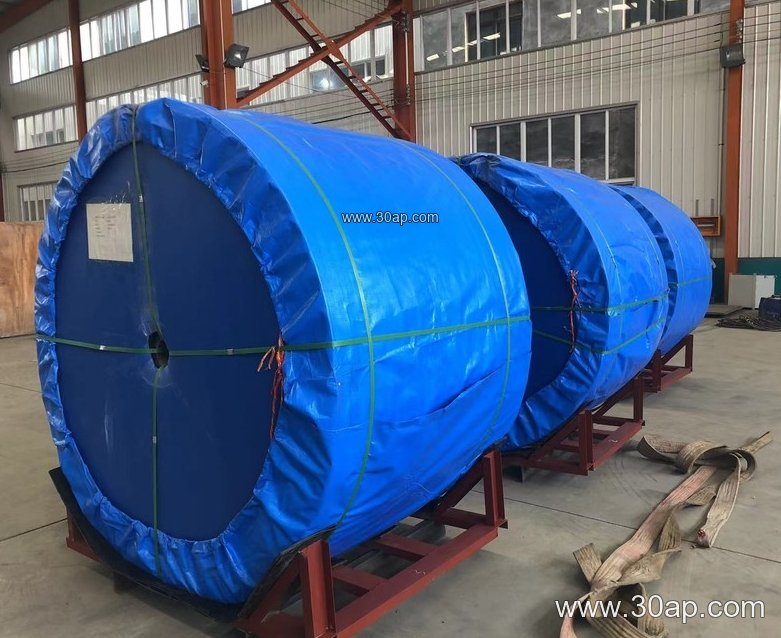
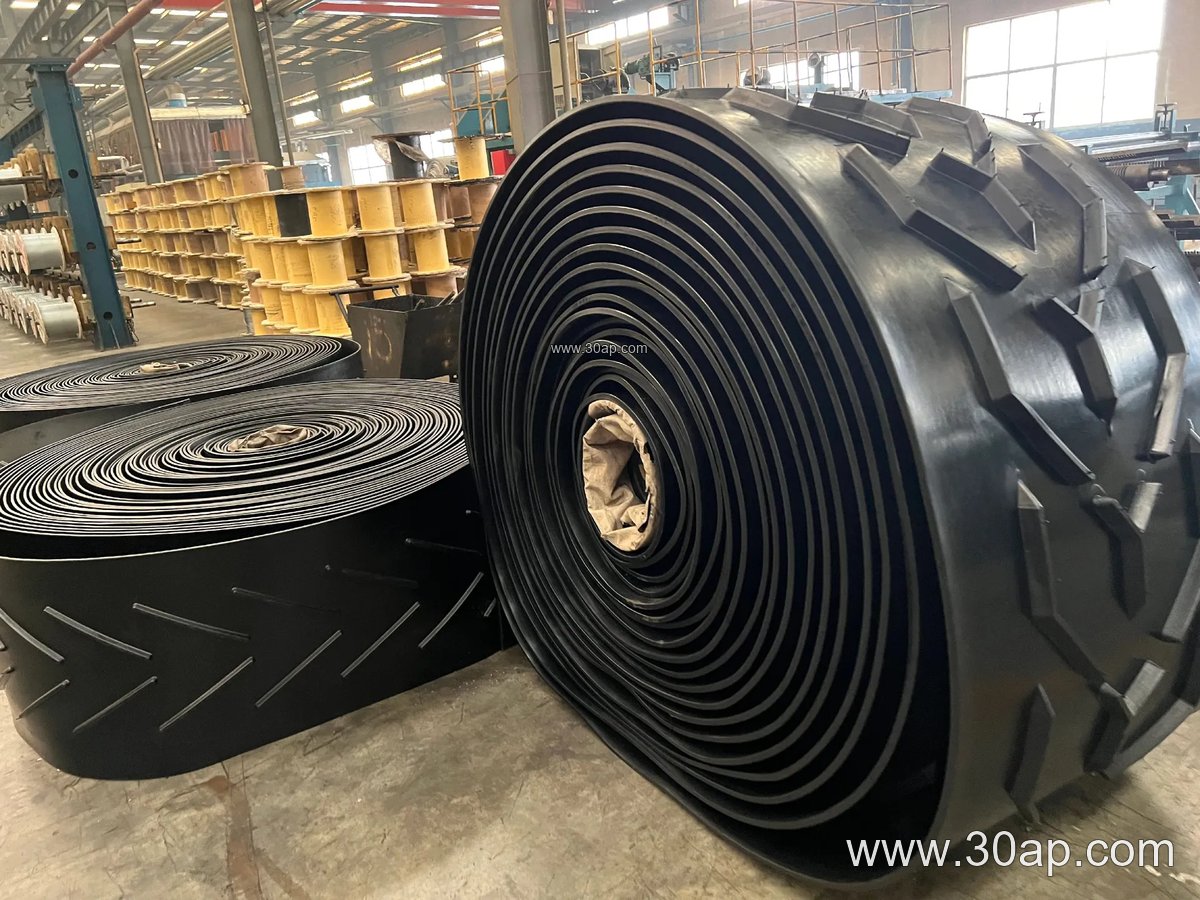
The carcass is normally made from multiple plies of EP fabric, commonly two to six layers depending on the required strength and the pulley arrangement. Rubber skim coats bond the plies, and top and bottom cover rubber protect the carcass from abrasion, impact and moisture. Cover thickness is usually stated as a pair, for example 5+2 mm or 6+2 mm, with the first figure being the carrying side. A 1200mm wide conveyor belt of this class may also be supplied with a thicker top cover for primary crushed rock or sinter.
| Parameter | Typical Reference |
|---|---|
| Belt type | EP fabric core, multi-ply |
| Strength grade | EP1000, 1000 N/mm |
| Belt width | 1200 mm |
| Carcass plies | Usually 3 to 5, by design |
| Cover combinations | 4+2 mm, 5+2 mm, 6+2 mm, 8+3 mm |
| Surface options | Plain, abrasion resistant, flame retardant, heat resistant |
These figures are reference values. Actual ply count, cover gauge and rubber compound are confirmed against the conveyor design, the material carried and the site conditions.
Where It Fits in the Plant
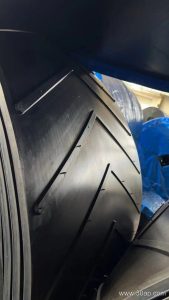
A 1200 mm belt is wide enough for high capacity without demanding the structure of an 1800mm or 2000mm line. It appears in iron ore and copper ore handling, gold mining plants, coal mining conveyor systems, cement kiln feed lines and power plant coal yards. In a quarry conveyor or crusher conveyor duty, the belt may run with chevron or corrugated sidewall profiles if the incline is steep, while a plain EP1000 belt handles long horizontal runs.
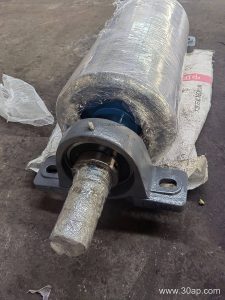
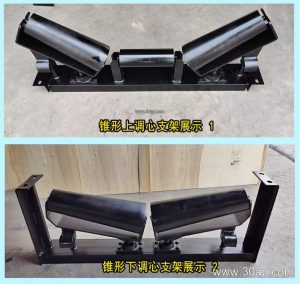
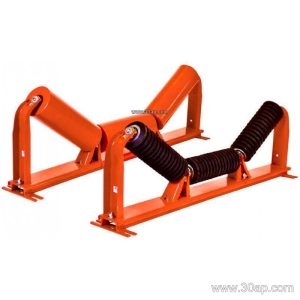
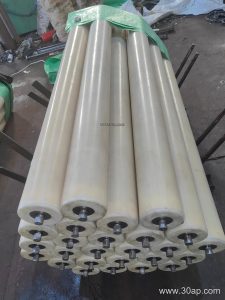
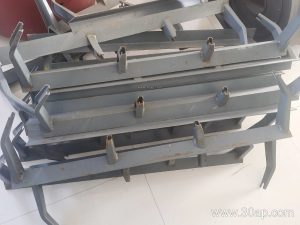
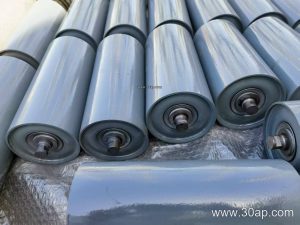
The belt does not work alone. It runs over conveyor pulleys, most often a drive pulley at the head and a tail pulley at the return end, with bend pulleys guiding the return strand. Troughed idler rollers support the loaded side, return rollers carry the empty side, and conveyor brackets hold the idlers and pulleys in line. Correct alignment of these components matters as much as belt quality.
Choosing the Right Variant
Grade alone does not define a belt. For abrasive stone and sand, an abrasion resistant conveyor belt or high abrasion resistant conveyor belt cover extends service life. Underground coal work usually calls for a flame retardant conveyor belt or fire resistant conveyor belt, and a PVC or PVG belt may be preferred where antistatic and fire safety rules are strict. Hot clinker, cement and ash need a heat resistant conveyor belt; oily scrap and recycled material suit an oil resistant conveyor belt; cold climates may call for a cold resistant conveyor belt.
- Confirm the calculated belt tension before fixing the EP1000 grade.
- Match cover thickness to lump size and drop height, not to belt width.
- Check pulley diameters and idler spacing for the selected ply count.
- Specify edge condition and splicing method, such as endless or mechanical.
Width and pulley size are separate design decisions. A 1200 mm belt can run on different pulley diameters depending on tension, ply count and wrap angle, so shaft size should come from the conveyor designer, never from belt width alone. For lighter duties, an EP630 or EP800 belt may be enough; for very high tension or long overland routes, a steel cord conveyor belt such as ST1250 or ST1600 may be the better comparison.
Installation and Maintenance Notes
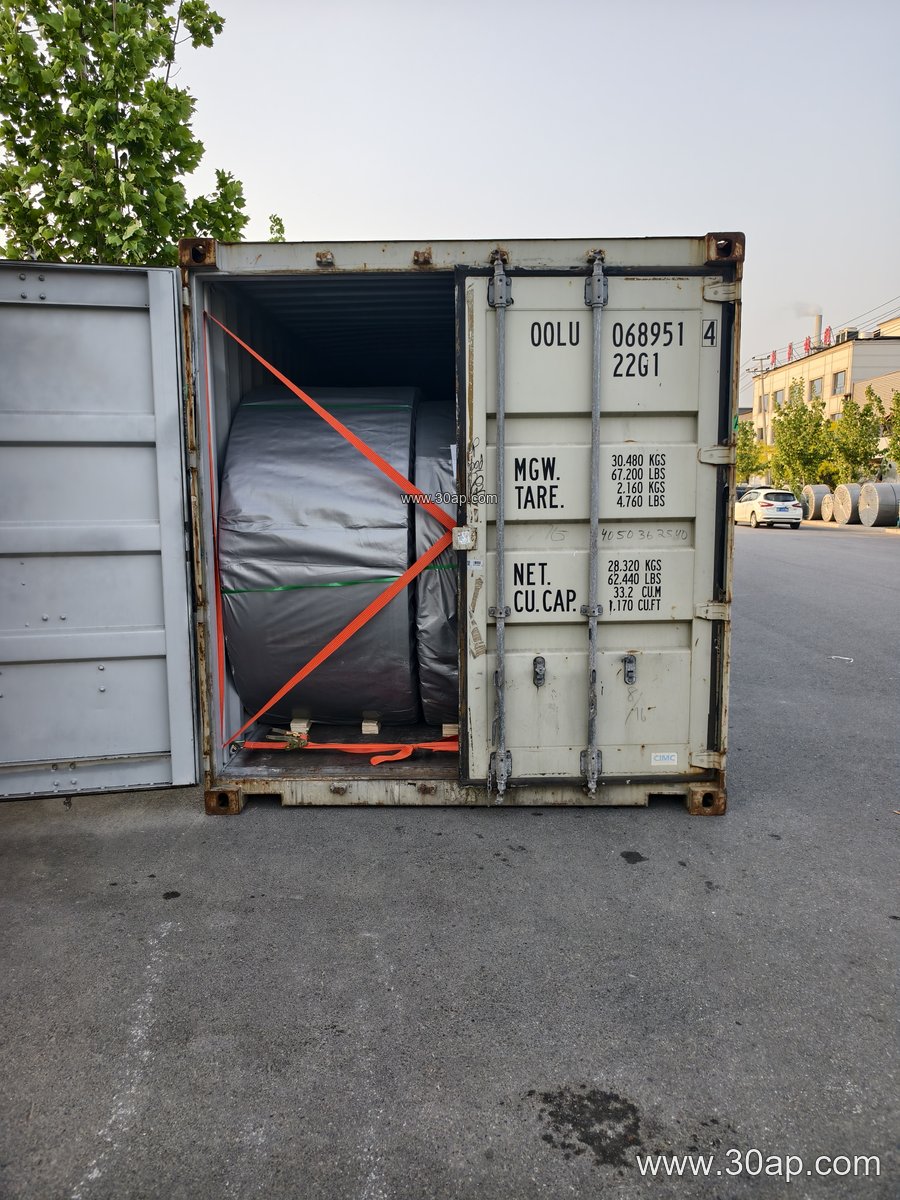
Store the roll on a dry surface, keep it shaded, and avoid sharp bends during lifting. During installation, check that the belt is square to the pulleys and that idler frames are level. Track the belt at low speed first, then load gradually. Inspect edges, splice joints and cover wear at regular intervals; small cover damage on a heavy-duty conveyor belt can be repaired before moisture reaches the fabric plies. Keep pulleys clean and idlers turning freely, since a seized roller can damage a wide belt quickly.
For buyers comparing suppliers of EP1000 1200mm conveyor belt, ask for the carcass construction, cover compound data, adhesion values and splice recommendation in writing. www.morningbelt.com and www.beltconveyorparts.com list related conveyor belt, idler roller and conveyor pulley options for plant engineers. A well matched belt, pulley and idler set keeps the line running through the toughest mining and cement duty.