What a Multi-Ply Fabric Core Conveyor Belt Is
A Multi-Ply Fabric Core Conveyor Belt is a heavy-duty rubber belt built around several layers of woven fabric, known as plies, bonded together with rubber and protected by top and bottom cover compounds. The plies carry the tension, while the covers shield the carcass from abrasion, impact, moisture and heat. This construction sits between light single-ply belting and very high-tension steel cord designs, which makes it a practical workhorse for long conveying lines in mining, cement, power and aggregate operations.
Buyers often meet the same product under the name multi-ply fabric conveyor belt or simply fabric core conveyor belt. The terms describe the same carcass concept. The ply count and fabric type are what change, not the basic idea.
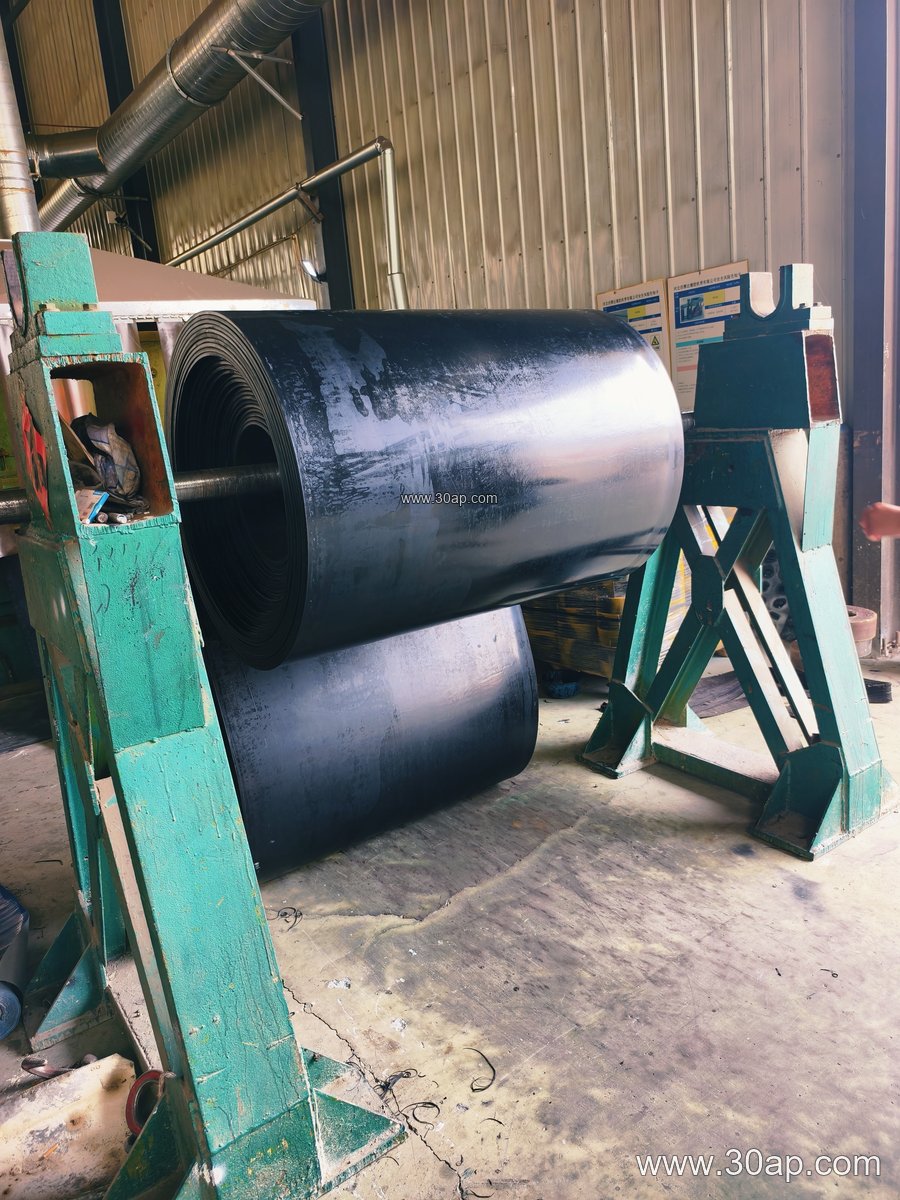
How the Carcass and Covers Are Built
The carcass is the structural heart. Each ply is a woven fabric, usually polyester warp with nylon weft in EP belting, or all-nylon in NN belting. EP fabric offers low stretch and good moisture resistance, while NN fabric gives high impact strength and excellent flex fatigue. Plies are commonly 2 to 6, and the finished belt is vulcanized so the rubber penetrates the fabric and bonds the layers into one body.
Covers are specified as top plus bottom thickness, for example 4+2 mm, 5+2 mm or 6+2 mm. The top cover takes the material impact and abrasion; the bottom cover runs against idler rollers and drive pulleys. A thicker cover suits sharp rock, ore and clinker, while a thinner cover keeps weight and cost down on cleaner duties.
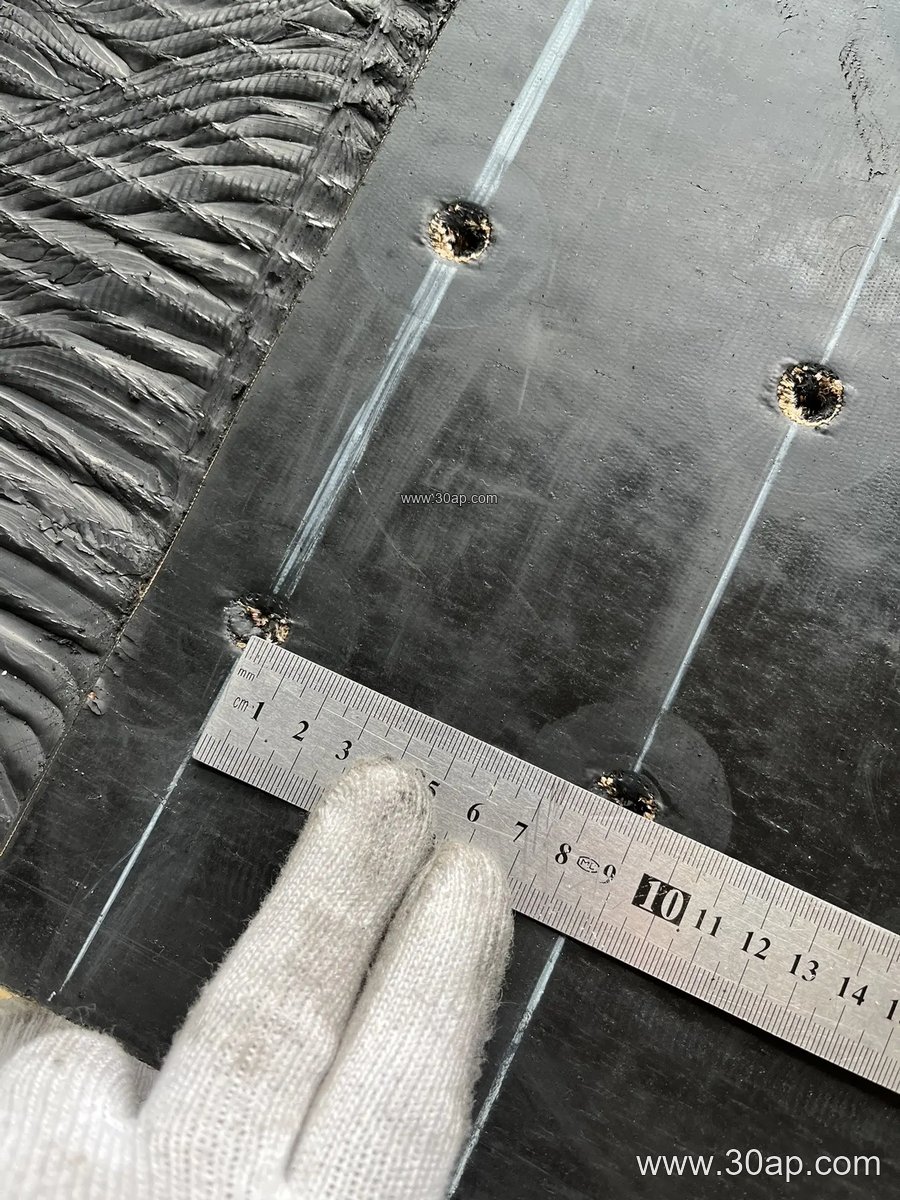
Common strength grades and widths
Fabric core belts are rated by nominal tensile strength per unit width. EP grades such as EP200, EP400, EP630, EP1000 and EP1600 are typical references; NN grades follow a similar pattern. Widths commonly range from B500 to B2000, and the right combination depends on the conveyor design, not on a fixed rule linking one belt width to one pulley diameter.
| Parameter | Typical reference range |
|---|---|
| Carcass type | EP fabric, NN fabric |
| Ply count | 2 to 6 plies, sometimes more |
| Strength grade | EP200 to EP2000 class references |
| Belt width | B500, B650, B800, B1000, B1200, B1400, B1600, B1800, B2000 |
| Cover thickness | 3+1.5, 4+2, 5+2, 6+2, 8+3 mm |
These values are reference data. Actual construction is confirmed by the manufacturer against the conveyor layout, duty and environment.
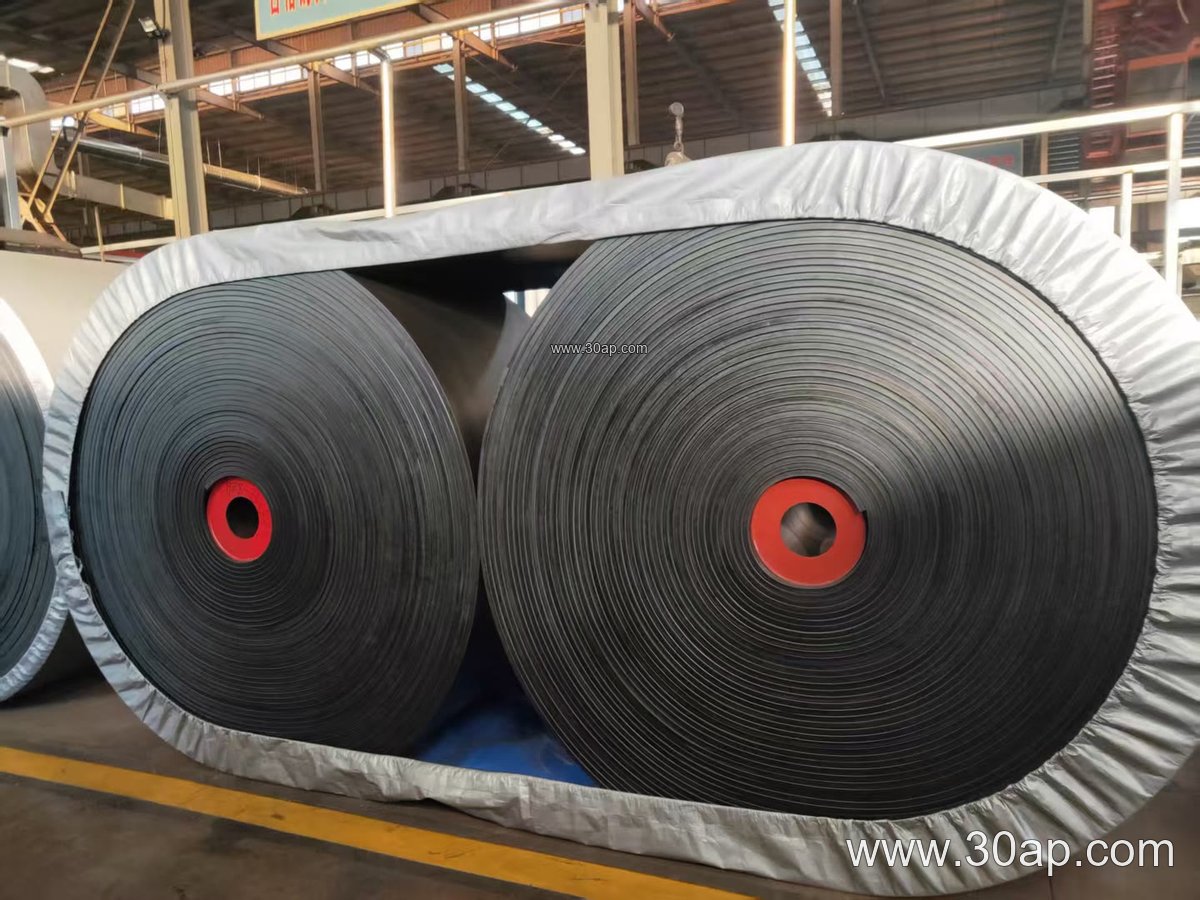
Where It Fits in the Plant
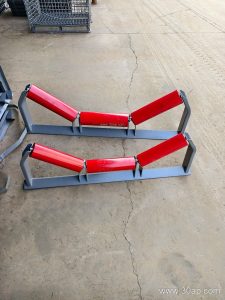
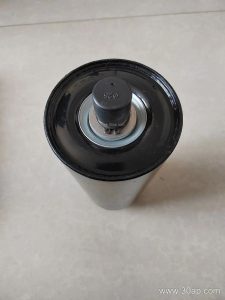
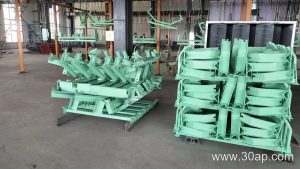
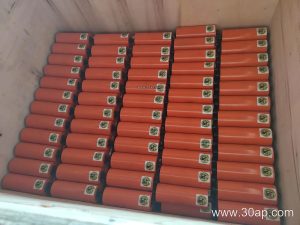
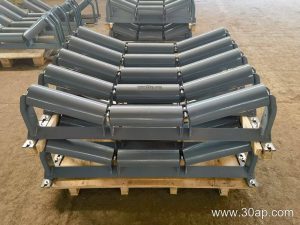
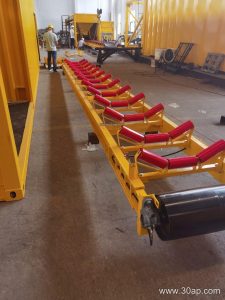
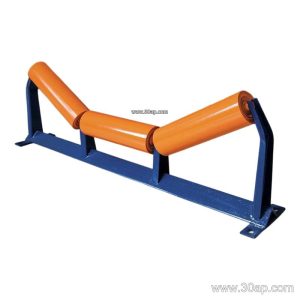
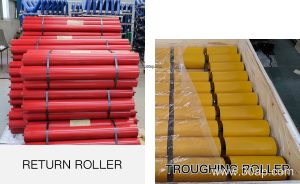
The belt runs over a conveyor pulley at the drive and tail ends, supported by idler rollers and held in line by conveyor brackets and frames. In a coal mining conveyor line, a flame retardant and anti-static cover is usually required for underground mining conveyor duty. In a cement plant, heat resistant grades handle clinker and kiln discharge, while abrasion resistant compounds suit limestone and raw meal. Power plants use them for coal and ash, quarries and sand making plants for crushed stone, and ports for ship loading of bulk material.
Special covers extend the range further: oil resistant for oily scrap and grain, cold resistant for winter operation, acid and chemical resistant for fertilizer and mineral processing, and food grade for hygienic lines. Chevron, skirted and corrugated sidewall forms are separate belt types used where incline or material containment demands them; they are useful comparisons but not substitutes for a flat multi-ply belt on a standard troughed conveyor.
Selection and Maintenance Notes
- Match the strength grade to the calculated maximum belt tension with a sensible safety margin.
- Choose cover compound by the dominant wear mode: abrasion, impact, heat, oil or fire risk.
- Keep pulley diameters and idler spacing within the belt manufacturer’s flex recommendations for the ply count.
- Check splice quality, tracking and skirt rubber alignment; most premature failures start at the joint or edge.
- Store belts away from sunlight, ozone sources and sharp edges, and rotate stock where possible.
For a reliable quote, provide belt width, ply count and fabric type, strength grade, cover thickness, intended material, ambient and material temperature, and whether flame retardant or anti-static properties are needed. A well-specified Multi-Ply Fabric Core Conveyor Belt can serve for years across mining, cement, steel, power and aggregate operations when it is matched to the conveyor and maintained with care.