What the Ø180 Conveyor Idler Is
An Ø180 conveyor idler is a carrying or return roller with a nominal shell diameter of 180 mm. In practice, this size is often grouped with the Ø178 and Ø194 rollers used in medium to heavy-duty belt conveyors. It is a rotating component that supports the conveyor belt and the material load, helping the belt run smoothly along the conveyor structure. Unlike a conveyor pulley, which drives or redirects the belt at the ends of the system, the idler roller works along the carrying and return strands. The Ø180 size is chosen when the belt width, load, and operating conditions call for a robust roller with good load capacity and stable rotation.
Construction and Common Variations
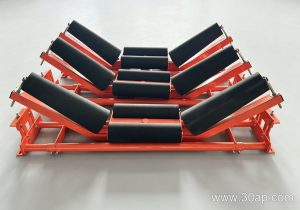
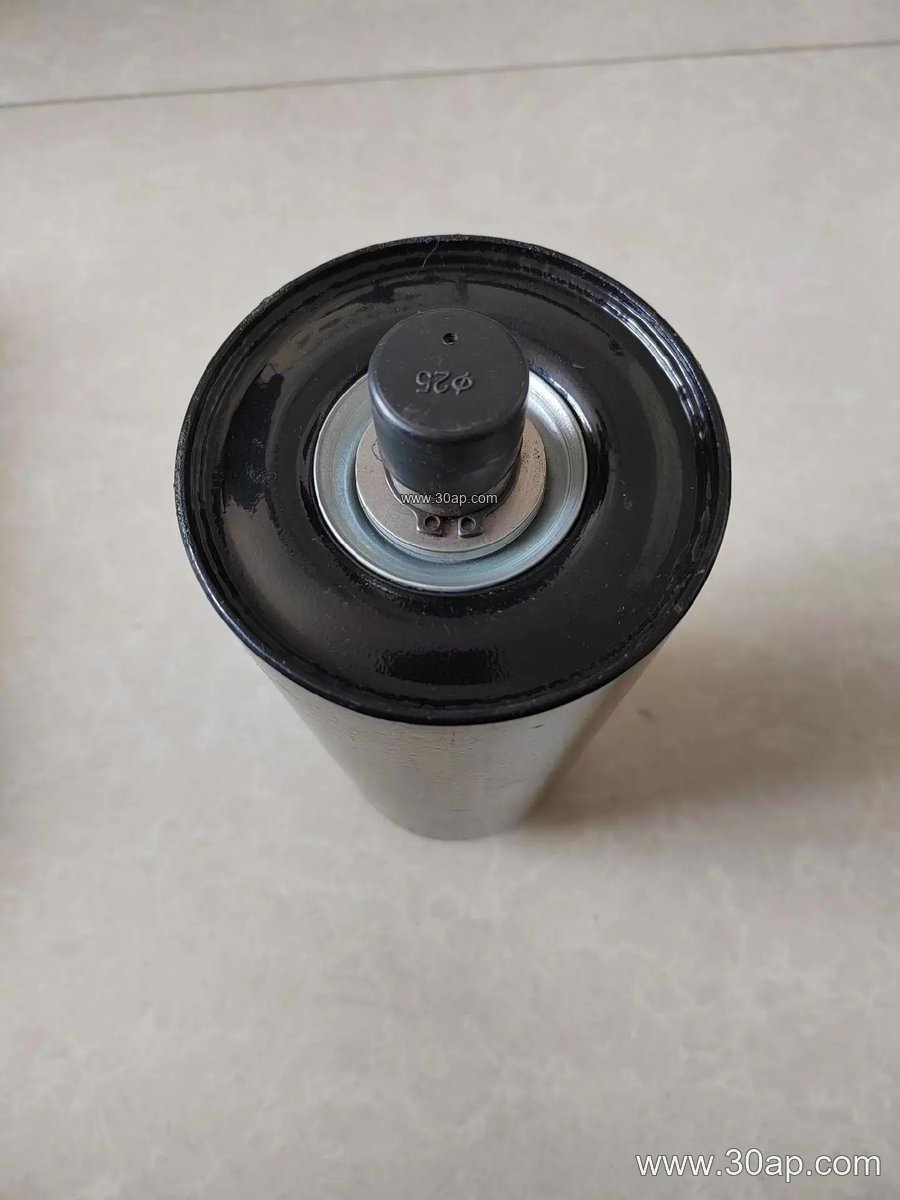
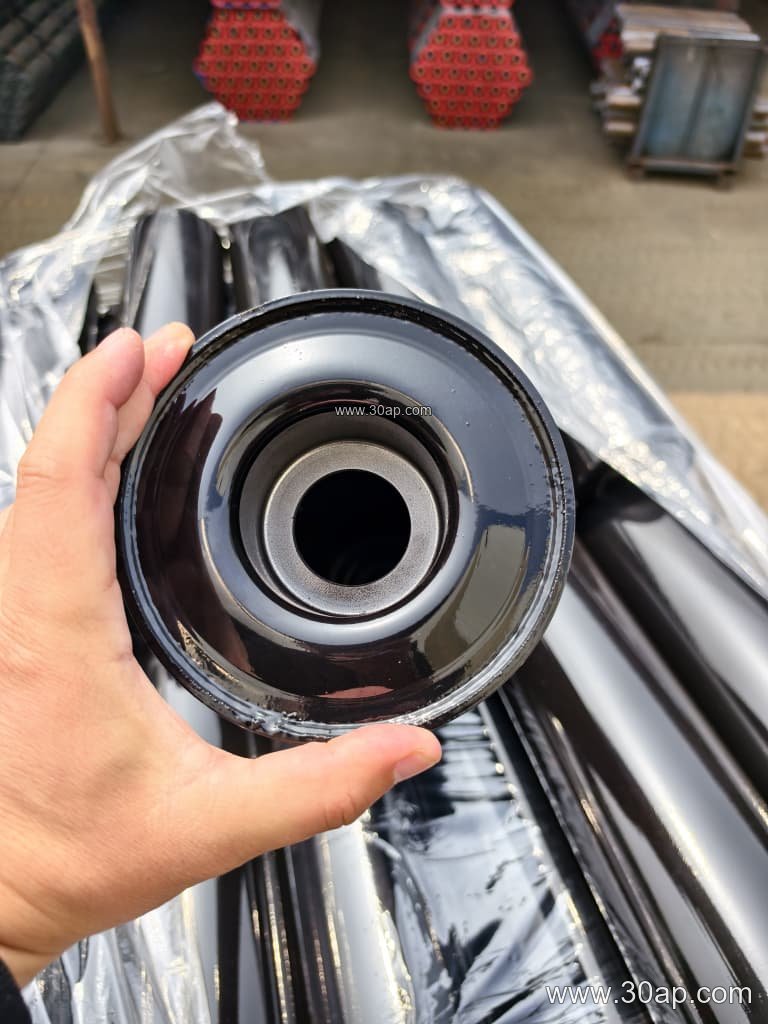
A typical Ø180 conveyor idler consists of a steel tube shell, bearing housings, a shaft, and seals. The roller surface may be plain steel, nylon, ceramic, or rubber-covered depending on the application. For example, rubber disc impact rollers are used at transfer points to absorb shock from falling material, while plain steel rollers are common on standard carrying runs. Bearing sizes such as 6206, 6306, or 6308 may be used, but the exact bearing selection depends on the idler design and load rating, not on the diameter alone. The shaft diameter is determined by the idler series and load requirements, so it should never be assumed from belt width.
Where It Fits on the Conveyor
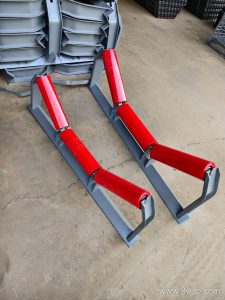
The Ø180 idler can appear in several positions. In a three-roll troughing set, it may be used as the center roll or side roll on wider belts. It is also found in return roller arrangements, including flat return and V-return sets. The trough angle affects how the belt is supported; common angles are 20, 30, 35, and 45 degrees. A larger roll diameter like 180 mm can help reduce belt indentation and improve rotation in dusty or high-load conditions. This is relevant in coal mining conveyors, cement plant raw material lines, and power plant coal handling systems where the belt carries abrasive bulk material.
Matching Idler to Belt and Application
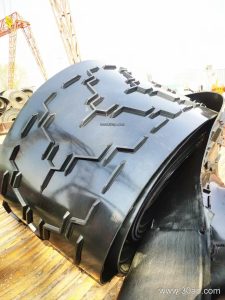
Belt width is one factor among several. A Ø180 idler might be considered for belts in the range of B1000 to B1800, but the final choice depends on the conveyor design, load, speed, and idler spacing. Roll length varies with belt width and trough configuration; for a three-roll troughing set, common roll lengths are approximately 380 mm for B1000, 465 mm for B1200, 530 mm for B1400, 600 mm for B1600, and 670 mm for B1800. These are reference examples, not fixed rules, and side rolls may differ from center rolls. The conveyor belt itself also matters: a heavy-duty mining conveyor belt or abrasion resistant conveyor belt may require more robust idler support than a lighter fabric core conveyor belt.
Buyer Checklist
- Confirm the required idler type: troughing, return, impact, or training.
- Check the belt width and trough angle to determine roll length and set arrangement.
- Verify the load rating and bearing selection with the idler manufacturer.
- Consider the environment: dust, moisture, temperature, and material abrasiveness.
- Ensure the idler fits the existing conveyor bracket and shaft connection.
For harsh duty, such as iron ore or quarry conveyor lines, buyers often look for sealed bearings and wear-resistant shells. In coal mining and underground mining conveyors, flame retardant and anti-static properties of the belt are critical, and the idler should be selected to match the belt and structure. The Ø180 conveyor idler is one part of a complete conveyor system that includes the conveyor belt, pulleys, and brackets, so it should be specified as part of the whole design rather than in isolation.
Maintenance Notes
Regular inspection helps detect seized bearings, worn shells, or misalignment. A worn idler can damage the belt edge and increase power demand. When replacing an idler, check that the new roller matches the original mounting dimensions and that the belt tracking remains correct. Keeping spare idlers on hand for critical conveyors in cement plants, ports, and aggregate operations reduces downtime. The Ø180 size should be confirmed against the actual conveyor drawing, because nominal diameters and roll lengths can vary between idler series.