What a V-Type Return Idler Does
A V-type return idler is a two-roll assembly mounted under the carrying side of a conveyor belt. The rolls are set at an angle to form a shallow V, so the belt rests in the trough and tends to stay centered as it travels back to the tail. This return idler roller is common on bulk handling lines where spillage, misalignment, or belt wander would otherwise shorten belt life. It is not a drive pulley, tail pulley, or bend pulley; those components transmit power or change belt direction, while the V-type return idler supports the empty return strand.
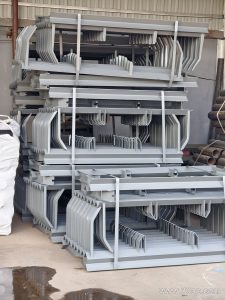
In quarry conveyors, coal mining conveyors, and cement plant belt lines, the V-type return idler helps control the belt’s return path. It also works alongside conveyor brackets that fix the idler frame to the conveyor stringer.
Construction and Common Features
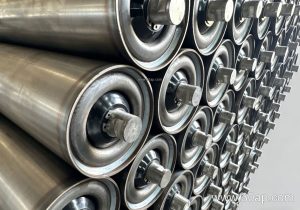
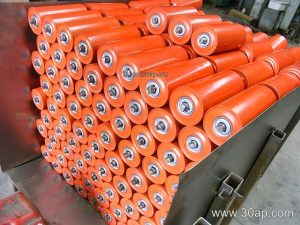
A typical V-type return idler uses two steel idler rollers joined by a central hinge or fixed frame. The roll shell may be plain steel, nylon, or rubber-covered, depending on the duty. Bearings are usually sealed for dusty environments; common bearing sizes include 6204, 6205, 6305, 6306, 6308, and 6310, but the bearing is selected by load and speed, not by belt width alone.
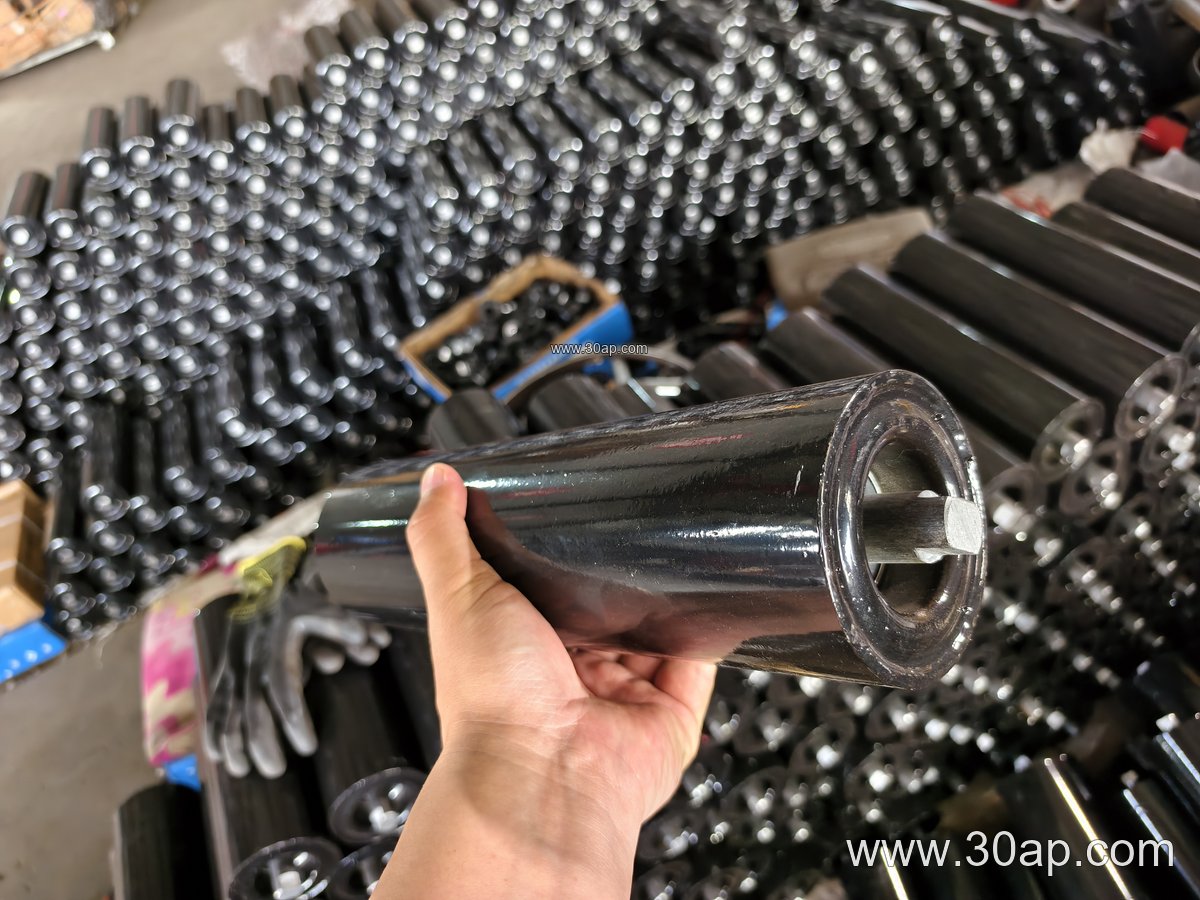
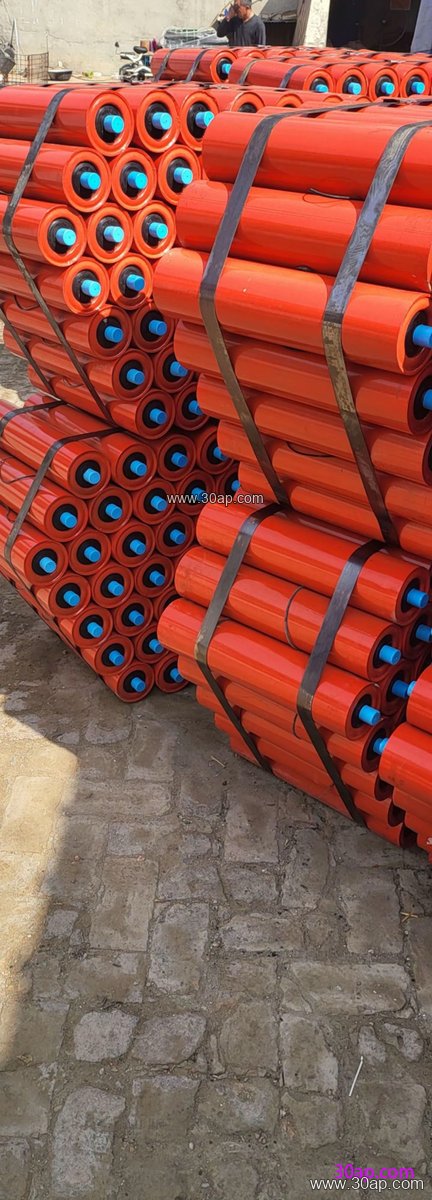
The V angle is usually modest, often around 10 to 20 degrees per side, so the belt is guided without excessive edge pressure. Roll diameter and length should follow the conveyor design. For reference, common return idler diameters include Ø89, Ø102, Ø108, Ø127, Ø133, Ø159, and Ø178 mm, while belt widths range from B400 to B2400. These are reference values, not fixed matches.
Where It Fits on the Conveyor
The V-type return idler sits on the return strand, usually spaced between plain flat return rollers. It is especially useful on long overland conveyors, underground mining conveyors, and plant conveyors where the belt is exposed to wind, uneven loading, or sticky material. In a coal mining conveyor or a power plant coal handling line, a slight V shape can reduce the chance of the belt rubbing the structure.
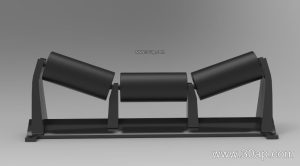
It is not a replacement for a troughing idler on the carrying side, nor for a impact idler at the load point. A troughing idler supports the loaded belt in a deep trough, while the V-type return idler supports the empty belt with light centering action. Similarly, a training idler may be used where serious misalignment occurs, but the V-type return idler is a simpler return support.
Selection Points for Buyers
Buyers should confirm belt width, return strand load, roll diameter, and mounting dimensions. The idler frame must match the conveyor bracket spacing and the existing return idler height. For abrasive conditions, a rubber-covered roll can reduce shell wear. For sticky material, a plain steel roll may be easier to clean. In cold climates, check that the bearing grease and seal materials suit low temperatures.
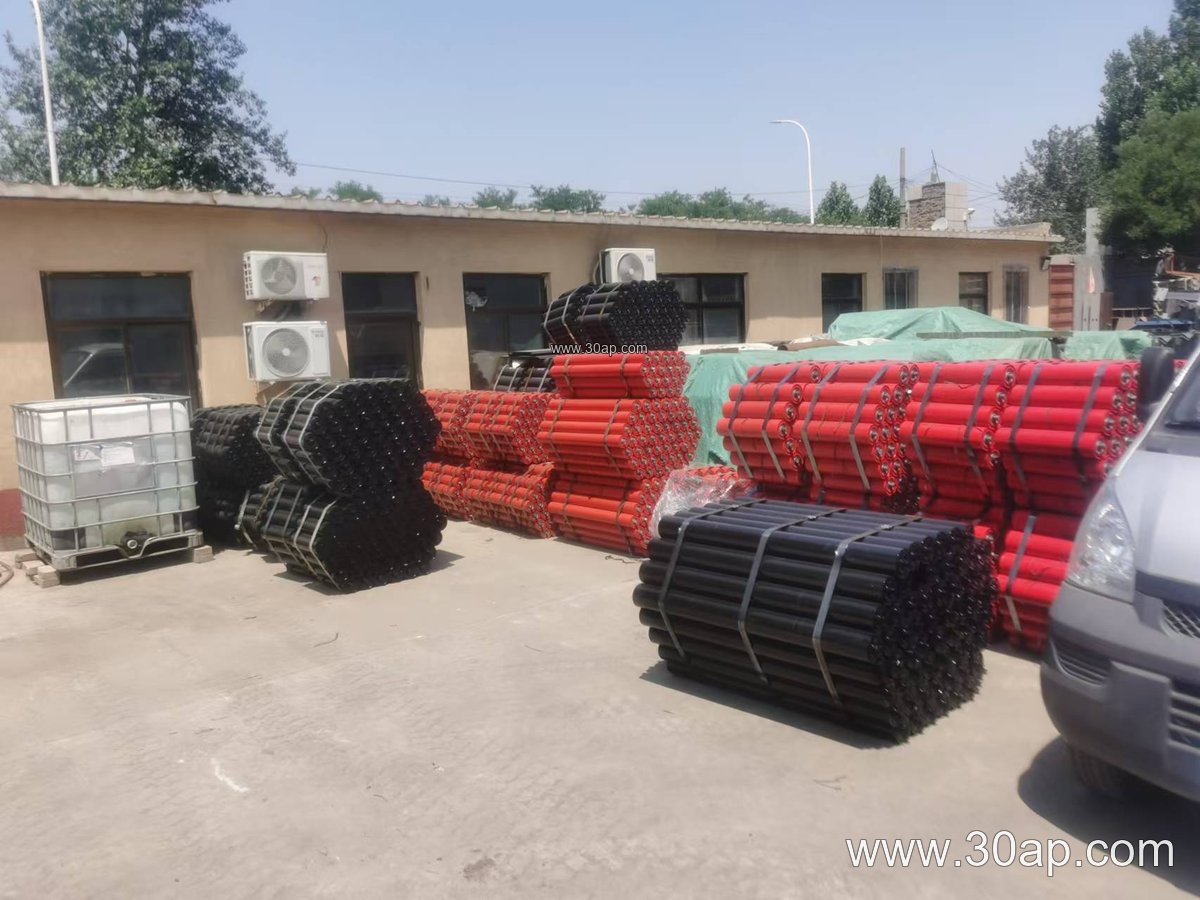
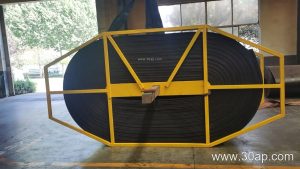
Related conveyor components such as the conveyor pulley, conveyor belt, and idler roller should be reviewed together. A heavy-duty mining conveyor belt may need heavier return idlers, while a lightweight aggregate conveyor belt may use standard rolls. The belt type, whether an EP conveyor belt, NN conveyor belt, or steel cord conveyor belt, affects the required support but does not by itself dictate one idler size.
Installation and Maintenance Notes
Mount the V-type return idler square to the belt centerline. Check that both rolls turn freely and that the V is centered under the belt. Inspect for seized bearings, worn roll shells, and material buildup. In dusty plants, keep the seal area clean and replace damaged rolls before they damage the belt edge. Proper spacing and alignment help the return idler do its job without overloading the conveyor bracket.
For a complete conveyor review, compare the return idler with the conveyor pulley arrangement and the belt tracking system. The V-type return idler is a small component, but it contributes to steady belt travel in mines, quarries, cement plants, and bulk material handling operations.