What a Fixed Conveyor Bracket Does
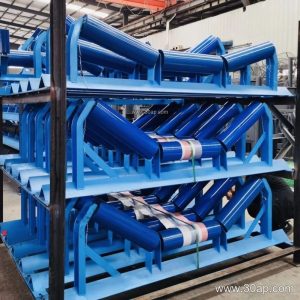
A fixed conveyor bracket is the rigid support that holds idler rollers at a set position along a conveyor frame. Unlike adjustable designs, its geometry is locked in at the factory or at installation, so the trough angle, roller spacing, and mounting height stay constant through the life of the structure. In a quarry, a cement plant, or a power plant coal yard, this predictability is exactly what maintenance teams want: fewer parts to re-set, fewer variables to check, and a belt line that tracks the same way shift after shift.
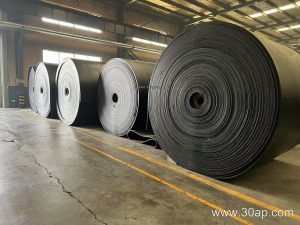
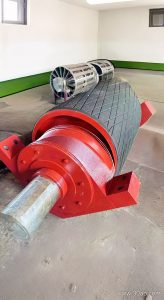
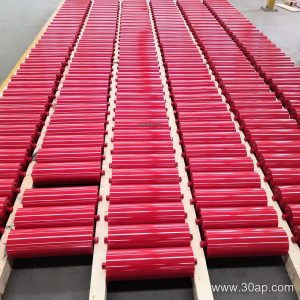
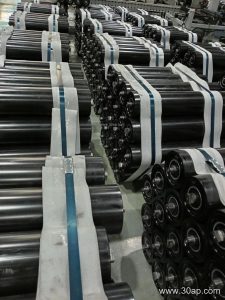
The bracket works together with the conveyor belt, the idler roller, and the conveyor pulley. The pulley drives or redirects the belt, the rollers carry it, and the bracket is the quiet component that keeps everything aligned. When a fixed bracket is correctly matched to the frame, a Fabric Core Conveyor Belt or a Steel Cord Conveyor Belt runs with less edge wear and less spillage.
How the Bracket Is Built
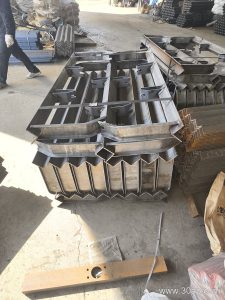
Most fixed brackets are fabricated from angle steel, channel steel, or folded steel plate. The material choice follows the load: light aggregate lines often use folded plate, while heavy-duty mining conveyor brackets tend to use channel or thick angle sections. Bolt holes, crossbeam length, and the angle of the roller seats are determined by belt width and trough angle, so they vary from project to project rather than following one universal number.
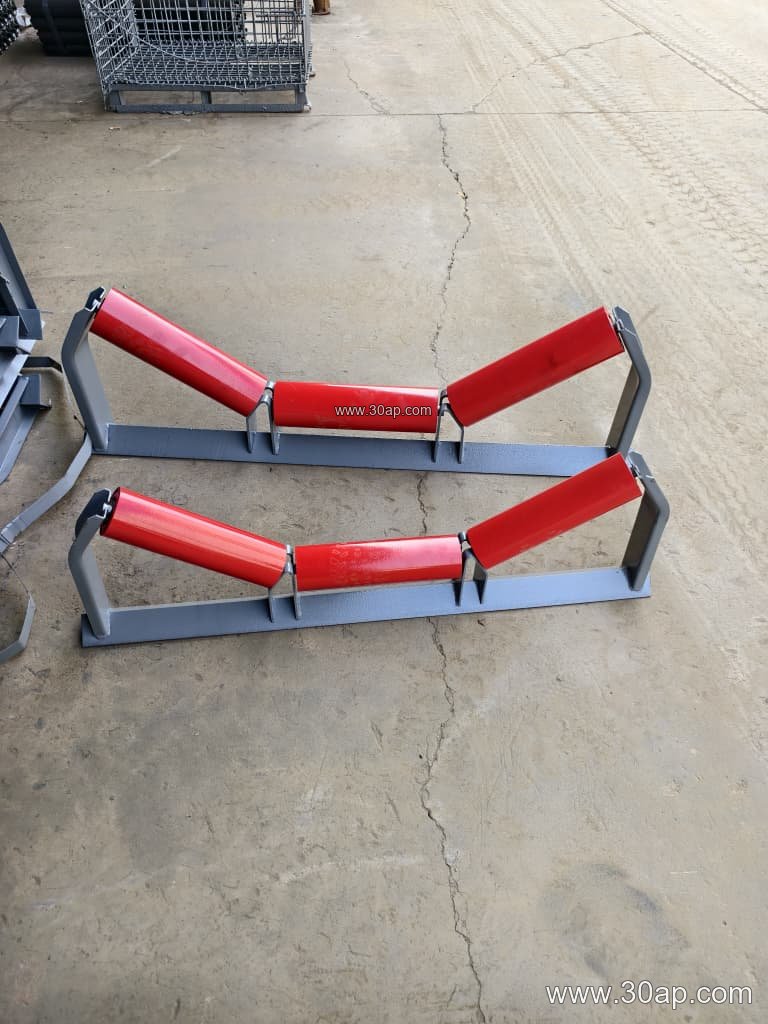
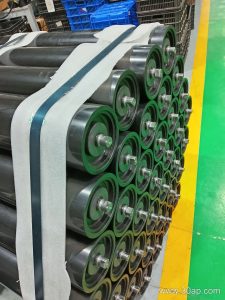
Common forms include the trough bracket for the carrying side, the return bracket and V-return bracket for the lower run, and the impact bracket placed under loading points. Fixed versions of the self-aligning and transition brackets also exist, where the geometry is preset rather than field-adjustable.
Typical Reference Combinations
The values below are common reference points, not fixed rules. A given belt width can work with more than one trough angle or roller diameter depending on the duty and the frame design.
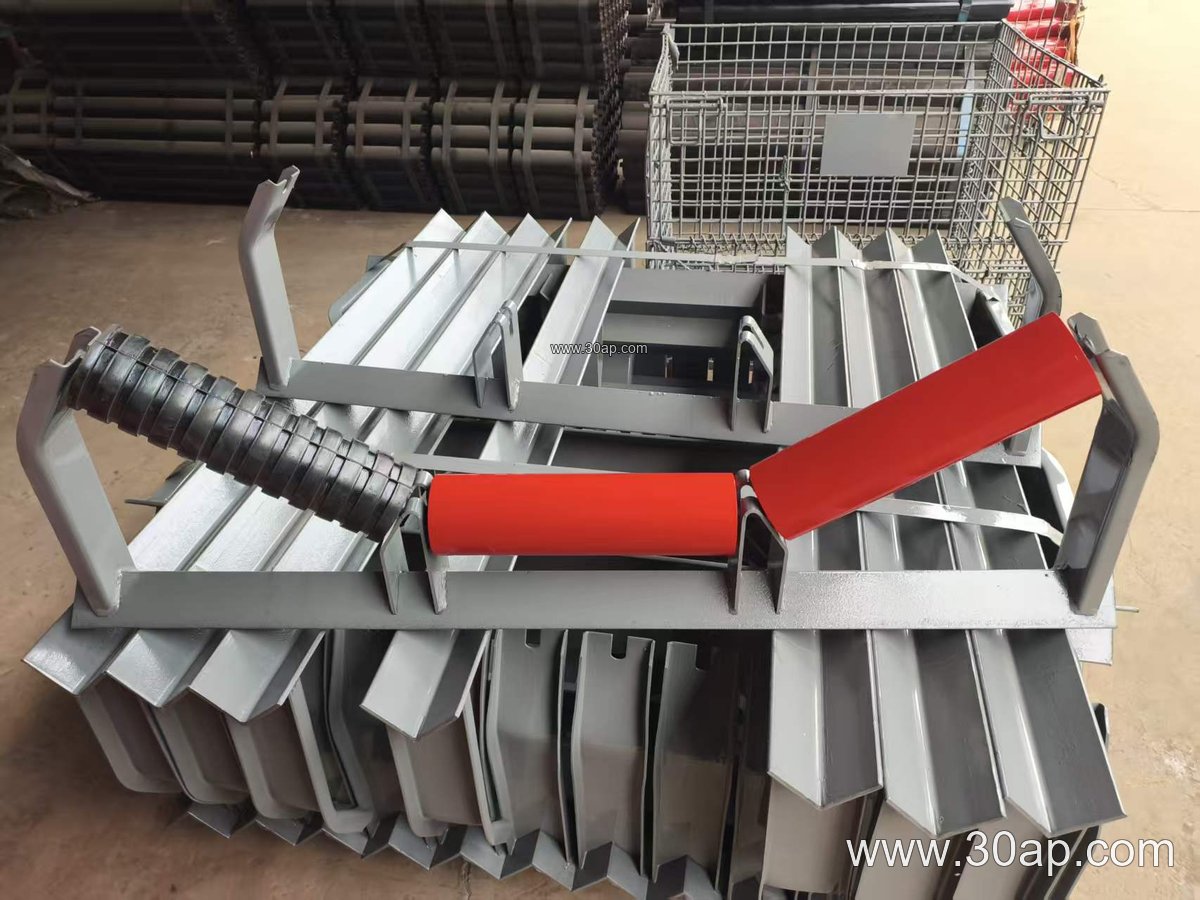
- B650 with 30 degree trough and Ø89 rollers
- B800 with 35 degree trough and Ø108 rollers
- B1000 with 35 degree trough and Ø133 rollers
- B1200 with 45 degree trough and Ø133 rollers
- B1400 with 35 degree trough and Ø159 rollers
- B1600 with 45 degree trough and Ø159 rollers
- B1800 with 35 degree trough and Ø194 rollers
Installation hole spacing and crossbeam length usually change with belt width and trough angle, and should be confirmed against the drawing rather than assumed.
Where Fixed Brackets Fit Best
Fixed brackets suit lines with a steady profile. In a limestone mine or a sand and gravel plant, the frame is built once and the belt path rarely changes, so there is little reason to pay for adjustment. The same applies to a crusher discharge line or a screening deck feed, where a consistent trough keeps material centered.
In a coal preparation plant or a port ship-loading system, fixed brackets are often paired with a Flame Retardant Conveyor Belt or an Abrasion Resistant Conveyor Belt to handle continuous duty. Where the load is heavy and the drop height is significant, an impact bracket with rubber buffers under the chute protects both the roller and the belt carcass.
Choosing the Right Bracket
Start from the belt width and the required trough angle, then match the roller diameter to the load and belt speed. A fixed bracket at 20 degrees gives a flatter profile for wide, fragile material, while 45 degrees deepens the trough for high-capacity ore or aggregate. Confirm the frame hole pattern, the crossbeam length, and the finish before ordering.
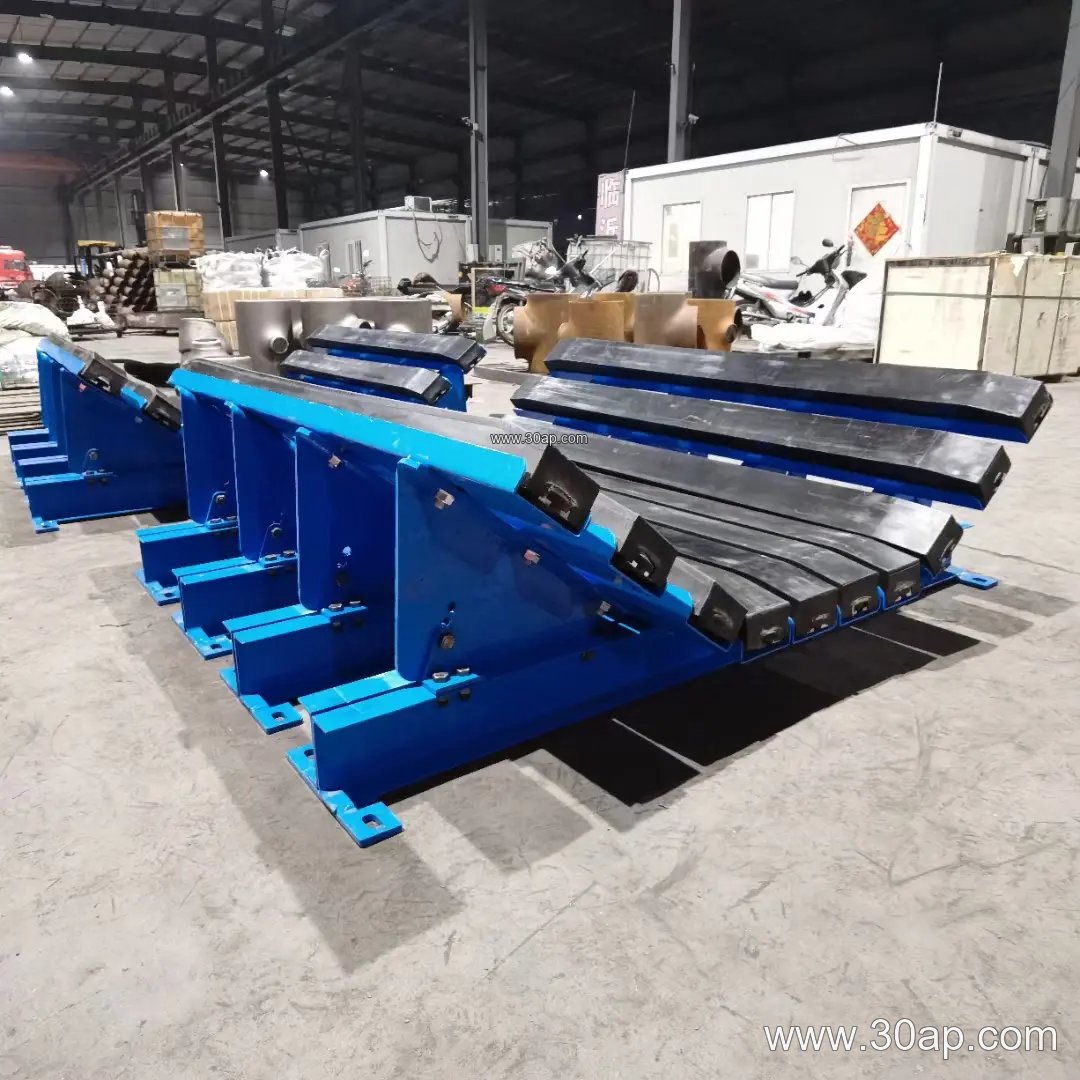
Buyers should also check how the bracket connects to the stringer, whether the roller seats are welded or bolted, and whether the design allows later replacement of a single roller without cutting the frame. For dusty sites such as a cement plant or a lime kiln feed, a powder-coated or hot-dip galvanized finish helps, though the exact coating should be agreed with the supplier.
Installation and Maintenance Notes
Align the bracket to the centerline before tightening bolts, and check the trough after the first few hours of running. A loose fixed bracket can shift and cause the belt to wander, which then loads the edges and shortens belt life. During routine inspection, look for bent seats, corrosion at the bolt holes, and worn contact points under the roller shaft. Replacing a damaged bracket early is cheaper than replacing a torn conveyor belt later.
Because the bracket is fixed, it rewards accurate initial setup. Measure the diagonal of the frame, confirm the roller axis is square to the belt, and keep spare brackets on hand for the loading zone, where impact and spillage cause the most wear. Used this way, a fixed conveyor bracket becomes a low-maintenance anchor for the whole conveyor line.