What a Heavy-Duty Conveyor Belt Is Built For
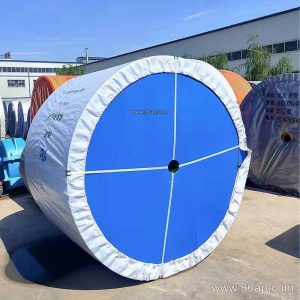
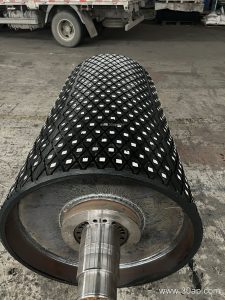
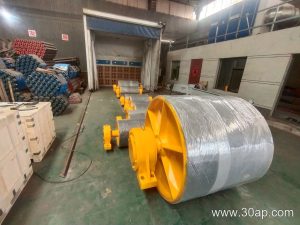
A heavy-duty conveyor belt is the load-carrying element in high-capacity bulk handling systems where tonnage, lump size and operating hours put constant stress on the carcass and covers. In a mine, quarry, cement plant, power plant or sand and gravel yard, this belt runs over drive pulleys, tail pulleys, bend pulleys and idler rollers for long shifts, so its construction has to resist cutting, abrasion, impact and fatigue at the same time. Buyers often search for it as a heavy duty rubber conveyor belt, and it is frequently supplied as an abrasion resistant conveyor belt or high abrasion resistant conveyor belt for abrasive ore and rock.
Carcass and Cover Construction
The strength of the belt comes from its carcass. Fabric core designs use multiple plies of EP or NN fabric, while steel cord designs use brass-plated steel cables for very long, high-tension routes. Cover compounds and thickness are selected for the duty: a high abrasion resistant conveyor belt for iron ore and copper ore, a heat resistant conveyor belt near clinker or sinter, a flame retardant conveyor belt or fire resistant conveyor belt in coal mining, an oil resistant conveyor belt for oily feedstock, and a cold resistant conveyor belt for winter operations. Anti-static and acid resistant versions are available where the environment demands them.
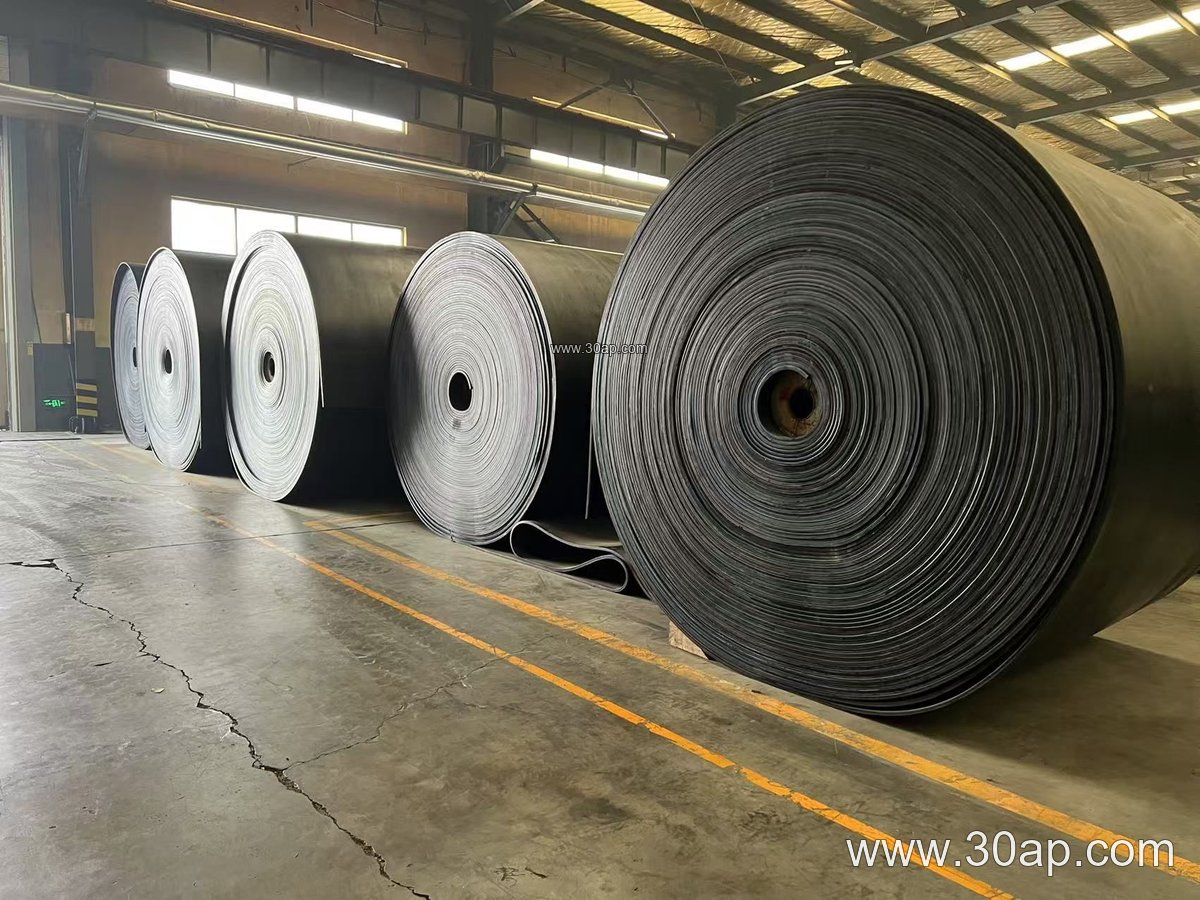
Common reference data for fabric core belts
| Item | Typical range (reference only) |
|---|---|
| Strength grades | EP200, EP315, EP400, EP500, EP630, EP800, EP1000, EP1250, EP1600, EP2000 |
| Belt width | B500, B650, B800, B1000, B1200, B1400, B1600, B1800, B2000 |
| Cover thickness | 3+1.5, 4+2, 5+2, 6+2, 8+3 mm |
| Carcass plies | Usually 2 to 6 plies |
These values are common reference figures; actual construction is confirmed by design for each conveyor. Belt width and pulley diameter are matched through tension and shaft load calculations, not by a single fixed rule.
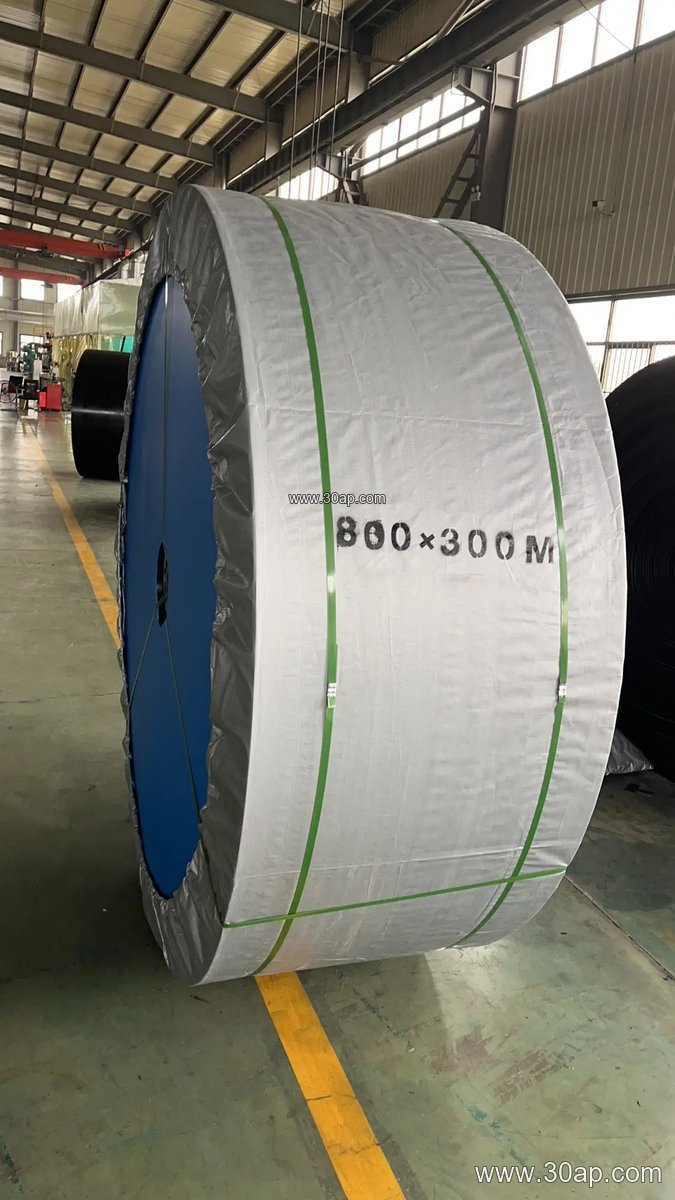
Where It Works
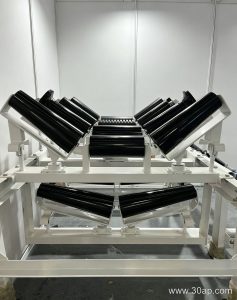
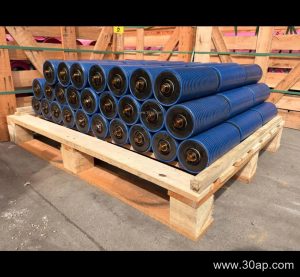
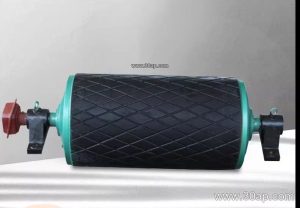
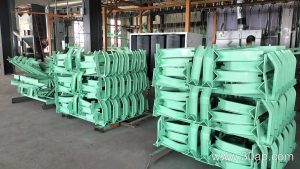
Heavy-duty belts are standard in underground coal mining, open-pit metal mines, cement plants, steel plants, power plants, port ship loading, crusher discharge lines and aggregate plants. A typical circuit includes a conveyor pulley at the head, idler rollers along the carrying side, and conveyor brackets supporting the frame. In long overland or inclined routes, a steel cord conveyor belt may be preferred, while a multi-ply fabric core conveyor belt suits medium-duty transfers. Chevron or corrugated sidewall belts handle steep inclines, and pipe conveyor belts enclose the material on curved paths.
What to Check Before Ordering
- Material data: bulk density, lump size, moisture, temperature and chemical exposure.
- System data: capacity, belt speed, incline, centre distance and pulley arrangement.
- Safety class: flame retardant and anti-static requirements for underground coal mining.
- Cover grade: abrasion, heat, oil or cold resistance matched to the actual duty.
- Width and thickness: confirm the required belt width and cover gauge with the conveyor designer.
Maintenance matters as much as the initial specification. Check splice condition, edge wear, cover gouging and idler roller rotation at regular intervals, and keep the tail pulley and bend pulleys clean so the belt tracks correctly. For more technical data on heavy duty conveyor belt options, visit conveyorbeltpro.com and review the product pages before finalizing a specification.