What the NN300 Conveyor Belt Is
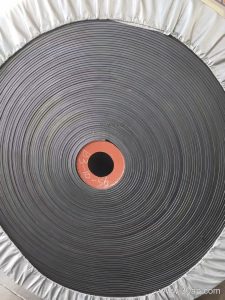
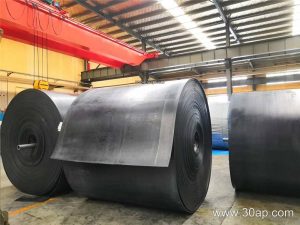
The NN300 Conveyor Belt is a fabric core conveyor belt built on nylon (polyamide) warp and weft cords. In the naming system used across the conveyor industry, the number indicates the nominal breaking strength of the carcass, so NN300 sits in the middle-to-high range of the nylon belt family, above NN100 and NN200 but below NN400. Buyers will also see this product described as an NN Conveyor Belt, a nylon fabric core belt, or simply an NN300 belt. All of these refer to the same article; they are not different products.
Because the carcass is all-nylon, the belt combines high tensile strength with excellent fatigue resistance and good flexibility. It absorbs shock loads well, resists repeated flexing over pulleys, and keeps splices reasonably efficient. That balance makes it a popular choice wherever a Fabric Core Conveyor Belt is preferred over a heavier Steel Cord Conveyor Belt.
Construction and Typical Build
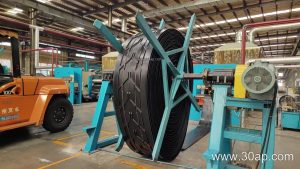
A typical NN300 belt consists of two to six plies of nylon fabric, bonded with rubber skim compound, and protected by top and bottom cover rubber. Cover thickness is normally quoted as a pair of figures such as 4+2 mm or 6+2 mm, where the first number is the carrying-side cover and the second is the pulley side. The carcass plies carry the tension; the covers protect against abrasion, impact, and moisture.
Common reference values, which vary by manufacturer and should be confirmed against the actual datasheet, include:
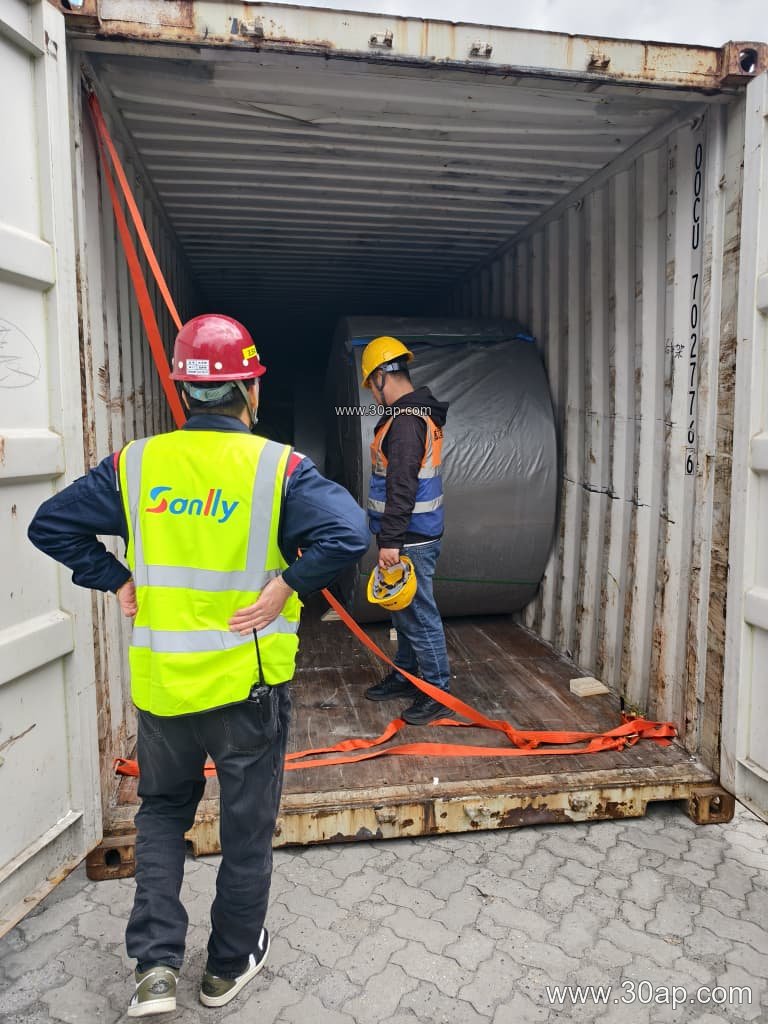
- Carcass: 2 to 6 plies of nylon fabric
- Nominal strength class: NN300
- Common cover combinations: 4+2 mm, 5+2 mm, 6+2 mm
- Common belt widths: B650, B800, B1000, B1200, B1400, B1600
Where the duty calls for more than abrasion protection, the same carcass can be supplied with special cover compounds, producing variants such as a Heat Resistant Conveyor Belt, an Oil Resistant Conveyor Belt, or a Flame Retardant Conveyor Belt for underground service. These are cover or compound choices layered onto the same nylon core concept, not separate product families.
Where NN300 Belts Are Used
The strength and flexibility of the NN300 make it suitable for main haulage and medium-to-heavy duty lines. Typical installations include:
- Mining and quarry duty, including ore and rock transport on primary and secondary circuits
- Coal handling and preparation plants, often with flame retardant covers
- Cement plants moving clinker, limestone, and raw meal
- Power plant coal yards and biomass fuel lines
- Sand and aggregate plants, crusher discharge, and stockpile feed conveyors
- Port and ship loading systems handling bulk material
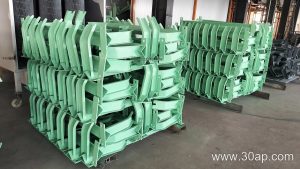
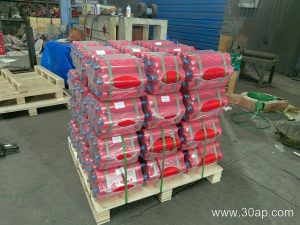
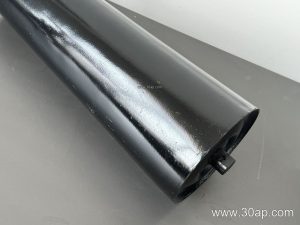
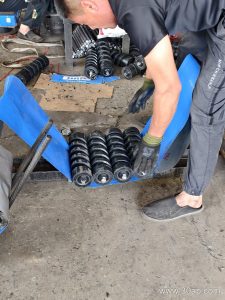
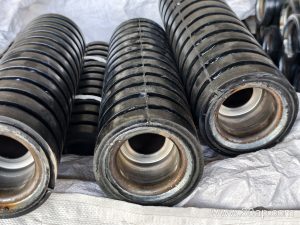
In these circuits the belt usually runs over a sequence of conveyor pulleys and idler rollers mounted on conveyor brackets. The drive pulley, tail pulley, and bend pulleys each perform different functions, and the belt must be specified to suit the whole layout, not just the head end.
Selection Points for Buyers
Specifying an NN300 belt starts with the duty. The required tension depends on the load, the incline, the length of the run, and the starting conditions. From there, the number of plies and the cover thickness are chosen. A long, high-lift line may need the full six-ply build with thicker covers, while a shorter secondary conveyor might use a lighter build.
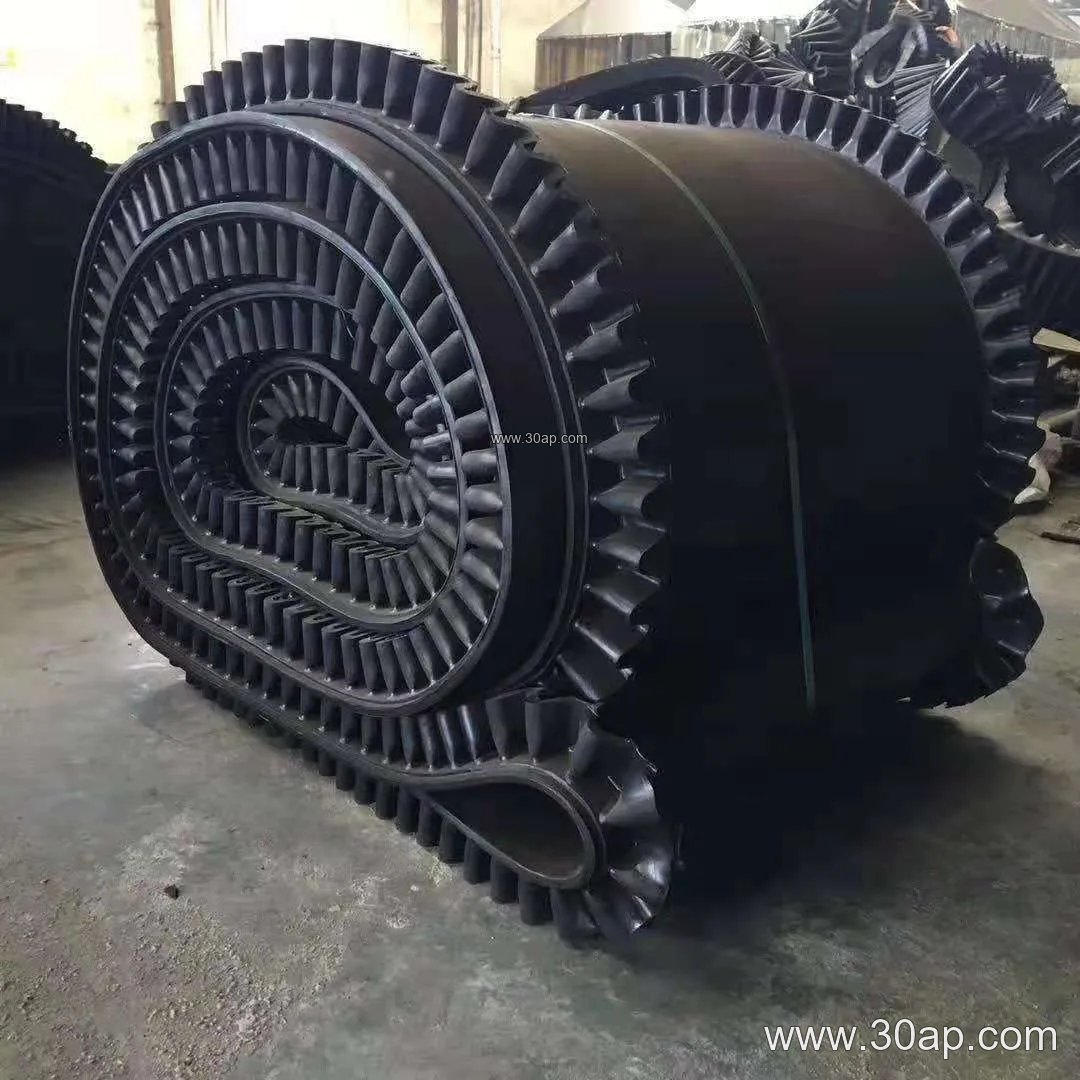
Environmental factors matter too. Wet, abrasive rock calls for a high abrasion resistant cover. Hot clinker or sinter demands heat resistant rubber. Underground coal work generally requires flame retardant and anti-static properties. Cold climates may justify a cold resistant compound. Buyers should also confirm the pulley diameters on the existing conveyor, since a stiffer belt needs larger pulleys to avoid ply fatigue.
Finally, check the splice method and belt edges. Vulcanized splices are common for long runs; mechanical fasteners suit shorter or temporary lines. Edge condition, cover finish, and roll length should all be agreed before order.
Care and Service Life
Most NN300 belt failures begin at the edges or at the splice. Regular inspection of the conveyor pulleys for build-up, alignment of idler rollers, and belt tracking will extend service life considerably. Keeping the belt centered, avoiding overload, and repairing small cover damage early are simple habits that pay back in uptime.
For a full specification, request the manufacturer’s data sheet for the exact NN300 Conveyor Belt build you intend to order, and match it to the conveyor’s design calculations.