What a Conveyor Bracket Assembly Does
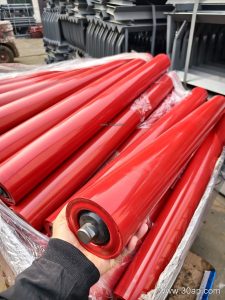
A conveyor bracket assembly is the structural interface between the idler roller and the conveyor frame. It holds the roller at the correct height, angle, and spacing so the conveyor belt runs smoothly under load. In a quarry, cement plant, or power plant coal yard, these assemblies are mounted along the entire length of the conveyor, and their alignment directly affects belt tracking and wear. The assembly is not a single part but a set of brackets, mounting plates, and fasteners that work together to support the idler roller and, in turn, the belt.
How the Assembly Is Built
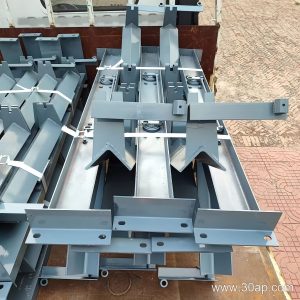
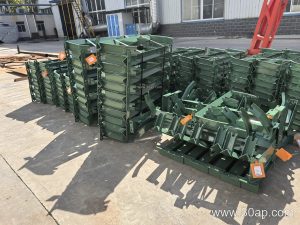
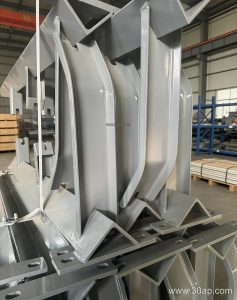
Most assemblies are fabricated from angle steel, channel steel, or folded steel plate. The bracket arms are punched or drilled to match the idler roller shaft, and the base is slotted or bolted to the conveyor stringer. A typical troughing bracket assembly includes two or three arms that set the trough angle, while a return bracket holds a single flat or V-shaped roller. The material thickness and weld quality determine how well the assembly resists vibration and impact from falling material.
Key structural details include:
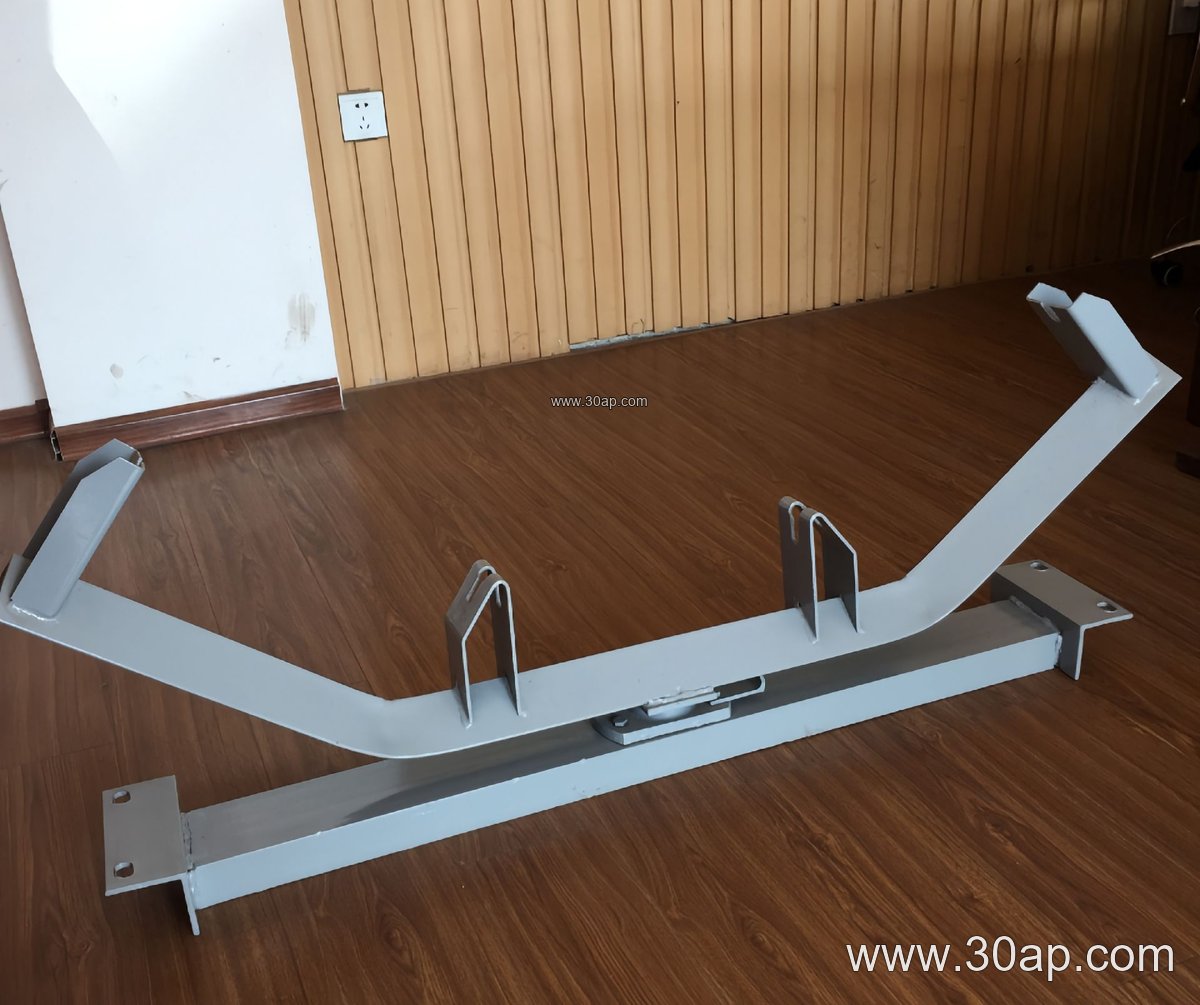
- Mounting hole spacing that matches the conveyor frame and idler shaft
- Trough angle formed by the bracket arms, commonly 20°, 30°, 35°, or 45°
- Adjustable or fixed design for belt training and roller replacement
- Corrosion protection such as painting or galvanizing for outdoor use
Where It Fits in the Conveyor System
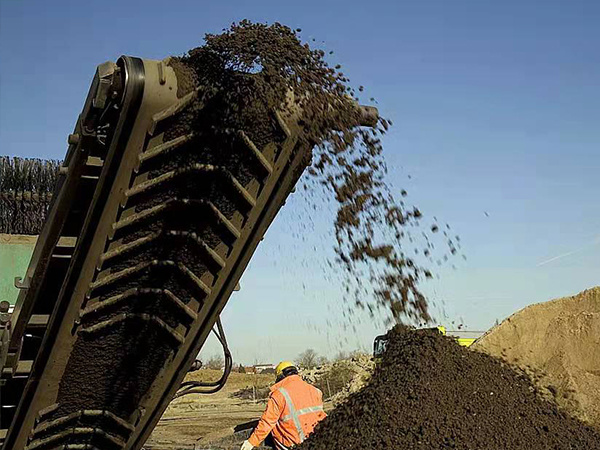
In a stone crushing line, conveyor bracket assemblies are installed on the load-carrying side to support troughing idlers and on the return side for flat or V-return rollers. The transition bracket near the head and tail pulleys gradually changes the belt from flat to troughed, reducing edge stress. In a coal mining conveyor, impact brackets with rubber or spring cushions are used under the loading point to absorb the shock of large lumps. The same assembly style appears in port bulk terminals and steel plant sinter lines, where dust and heavy loads demand robust brackets.
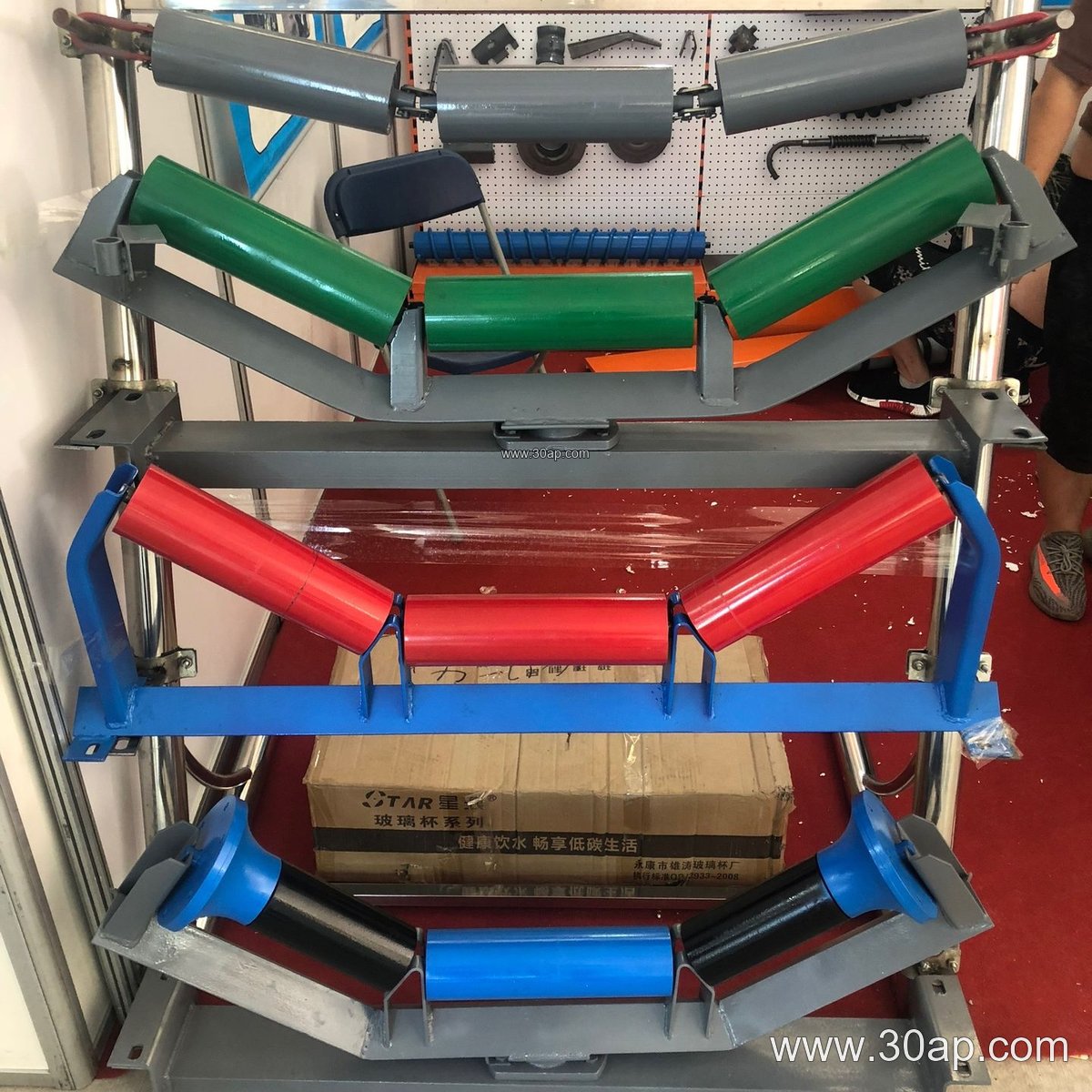
For a belt width of B800 with a 35° trough, a common roller diameter is Ø108, but the bracket hole spacing and crossbeam length are determined by the frame design, not by the belt width alone. Similarly, a B1200 conveyor might use a 45° trough with Ø133 rollers, or a different combination depending on the material and capacity.
Matching Brackets to Belt and Roller
Buyers should consider the belt type and loading conditions. An abrasion resistant conveyor belt in a gravel pit may need impact brackets at transfer points, while a heat resistant conveyor belt in a cement kiln area requires brackets that can tolerate thermal expansion. For a steel cord conveyor belt carrying high tension, the bracket assembly must be rigid enough to keep the idlers aligned under heavy load. In underground coal mining, flame retardant conveyor belt and anti-static conveyor belt are common, and the brackets should be easy to inspect and replace in confined spaces.
Typical bracket reference data:
| Belt Width | Common Trough Angle | Roller Diameter | Bracket Type |
|---|---|---|---|
| B500 | 20°–30° | Ø89 | Troughing, return |
| B650 | 30° | Ø89–Ø108 | Troughing, transition |
| B800 | 35° | Ø108 | Troughing, impact |
| B1000 | 35°–45° | Ø108–Ø133 | Troughing, self-aligning |
| B1200 | 45° | Ø133 | Troughing, return |
| B1400 | 35°–45° | Ø133–Ø159 | Troughing, transition |
| B1600 | 45° | Ø159 | Troughing, impact |
| B1800 | 35°–45° | Ø159–Ø194 | Troughing, return |
These values are for reference only; actual selection depends on conveyor design, material lump size, and loading conditions.
Installation and Maintenance Notes
Proper installation starts with aligning the bracket base to the conveyor centerline. Bolts should be tightened to the recommended torque, and the bracket should be checked for squareness. Adjustable brackets allow the trough angle to be fine-tuned, which helps correct belt misalignment. During maintenance, worn or bent brackets should be replaced promptly, as a loose bracket can cause the idler roller to shift and damage the conveyor belt. In dusty environments such as a cement plant or coal yard, keeping the bracket slots clean ensures easy roller changes.
For more information on conveyor components, visit our site at www.example.com/conveyor-bracket-assembly or contact our team for assistance with rubber conveyor belt and idler roller selection.