What a Steel Cord Conveyor Belt Is
A steel cord conveyor belt is a heavy-duty rubber belt in which the tension-bearing skeleton is made of parallel steel wires instead of woven fabric plies. The cords run longitudinally through the belt, carry the pull of long or steep conveying lines, and are protected by top and bottom rubber covers. In practice, buyers often call it an ST belt or steel reinforced conveyor belt. It is a different product from fabric-based constructions such as an EP Conveyor Belt or NN Conveyor Belt, where textile plies provide the strength.
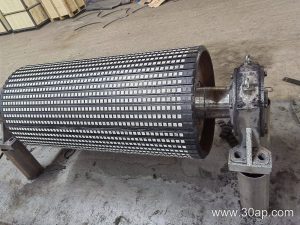
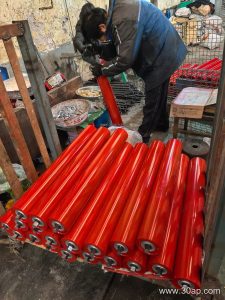
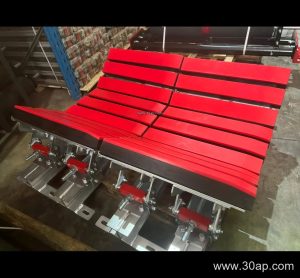
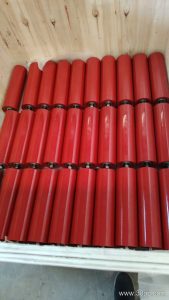
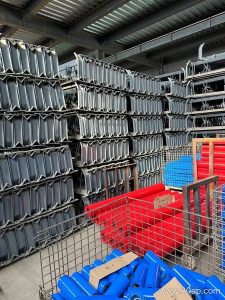
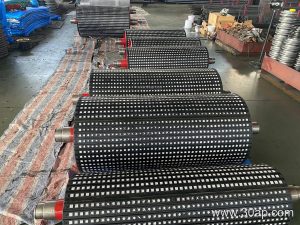
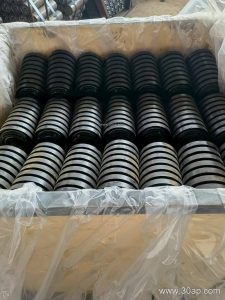
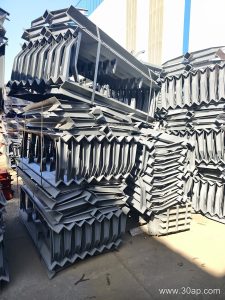
Because the steel cords handle high tension with little stretch, this belt type suits main haulage lines in mines, cement works, power plants, ports and large crushing plants. A typical installation still depends on the whole conveyor: idler roller frames, conveyor pulley alignment and conveyor bracket rigidity all influence how well the belt performs.
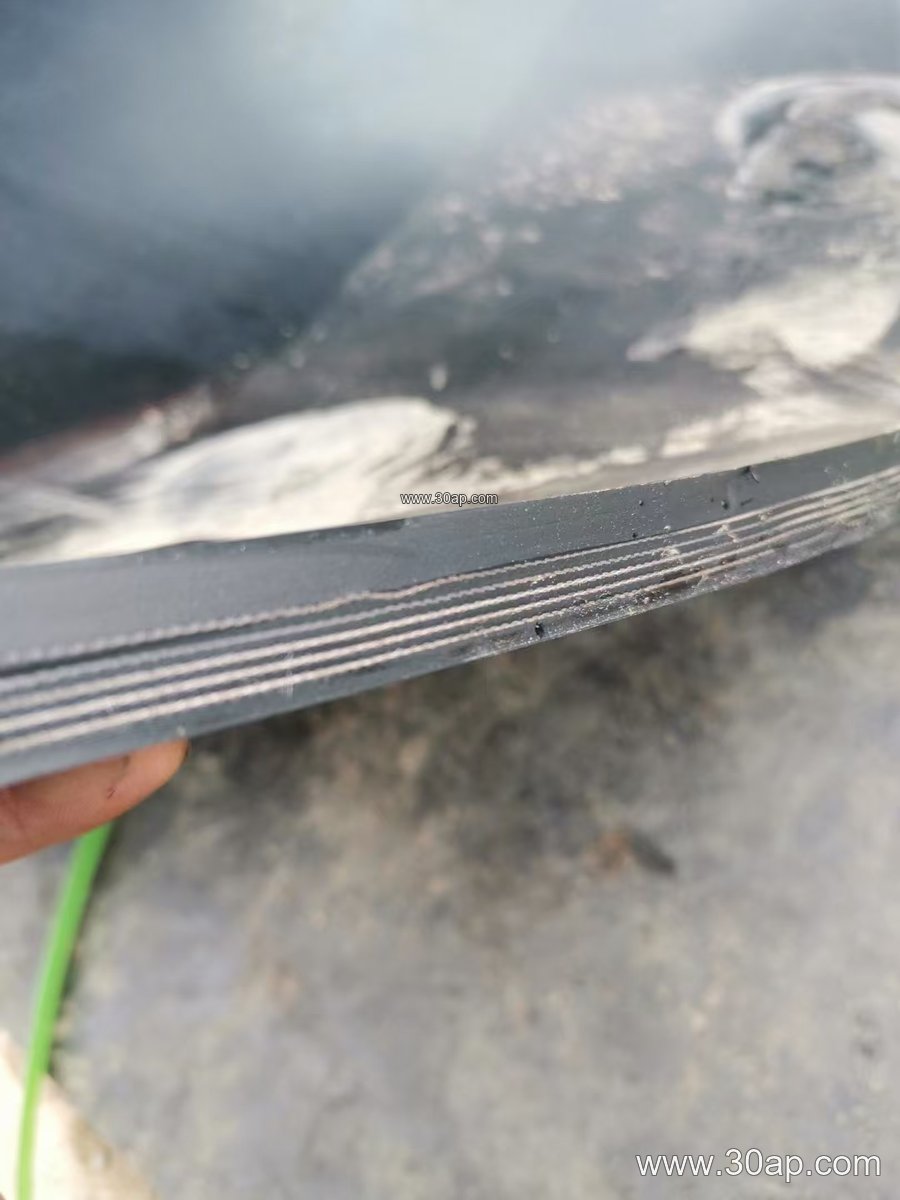
How the Belt Is Built
The core is a layer of high-strength steel cords spaced at a controlled pitch. Rubber compounds surround the cords and bond them to the covers. The top cover takes the abrasion and impact of the material, while the bottom cover runs over the idlers. Cover thickness is selected for the duty, and common cover combinations include 5+2, 6+2 and 8+3 mm, with other builds available by design.
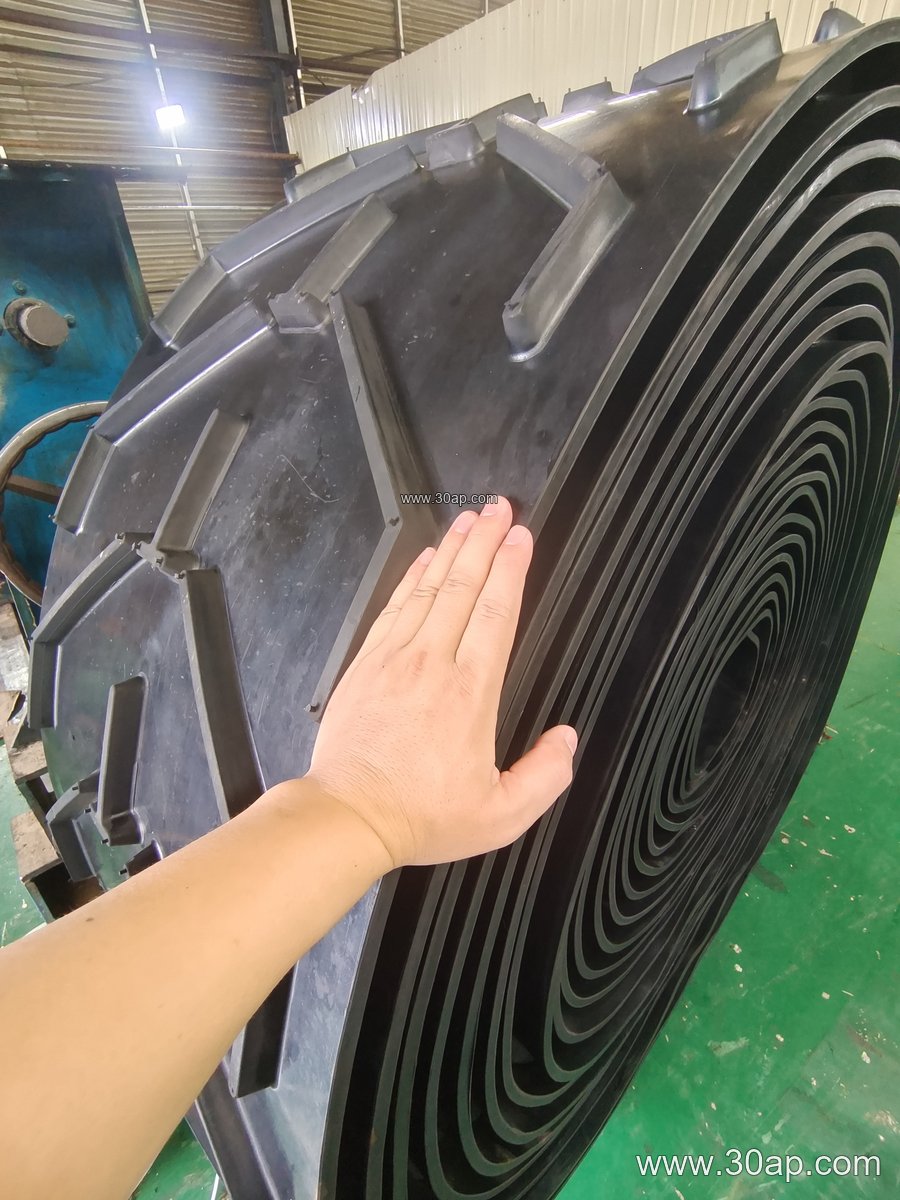
- Steel cord layer: the main tension member
- Adhesion rubber: fixes cord spacing and protects the wires
- Top cover: abrasion, impact and sometimes heat or oil resistance
- Bottom cover: running surface against the idlers
Where the environment demands it, the covers can be supplied as a Flame Retardant Conveyor Belt or Fire Resistant Conveyor Belt for underground coal mining, or as a Heat Resistant Conveyor Belt for clinker and sinter duties. Anti-Static Conveyor Belt builds are also used in hazardous areas. These properties come from the compound design, so they should be specified together with the strength class.
Strength Classes and Common Dimensions
Steel cord belts are graded by nominal tensile strength per unit width, usually written as ST followed by a number. The table below shows common reference values; actual constructions vary between manufacturers, and the final choice follows the conveyor design.
| Strength Class | Typical Belt Widths | Typical Cover Build |
|---|---|---|
| ST1000 | 800, 1000, 1200 mm | 5+2 mm |
| ST1250 | 1000, 1200, 1400 mm | 6+2 mm |
| ST1600 | 1200, 1400, 1600 mm | 6+2 mm |
| ST2000 | 1400, 1600, 1800 mm | 8+3 mm |
| ST2500 | 1600, 1800, 2000 mm | 8+3 mm |
| ST3150 | 1800, 2000, 2200 mm | 8+3 mm or heavier |
Widths such as 650 mm, 1000 mm or 1800 mm are common in plant layouts, but no single width is tied to one pulley diameter. The pulley size, shaft and take-up are calculated from the belt tension and the conveyor geometry, not from width alone.
Where It Is Used
The main application is moving bulk material over long distances or up steep inclines where fabric belts would need too many plies. You will see it on overland lines at a quarry conveyor belt system, in cement plant raw material transport, on Iron Ore Conveyor Belt routes, in power plant coal handling, and on ship loading conveyors at ports.
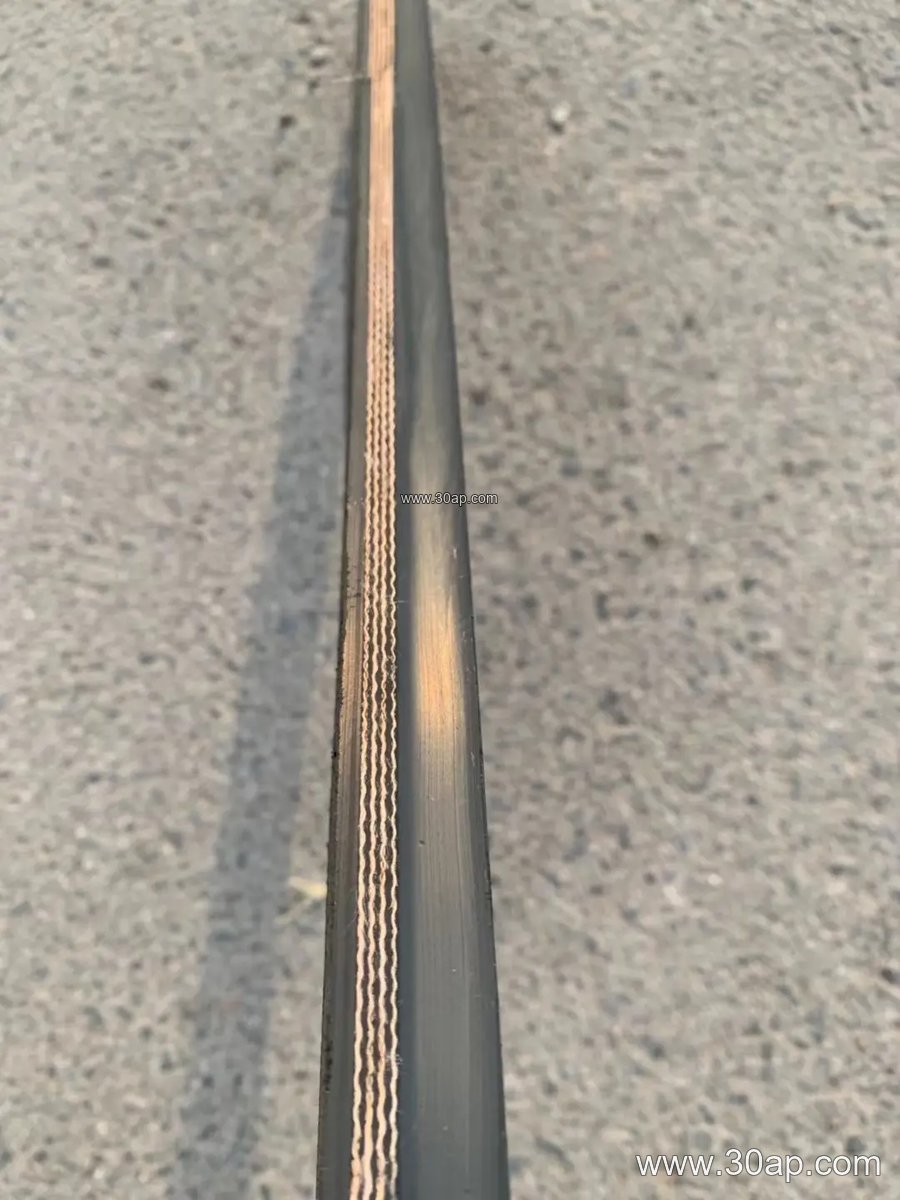
In underground coal mining, flame retardant and anti-static versions are usual, and a PVG Conveyor Belt may be chosen for some softer duty faces. For shorter runs or lighter loads, an EP1000 Conveyor Belt or a Multi-Ply Fabric Core Conveyor Belt can be a more economical option, while a Chevron Conveyor Belt or Corrugated Sidewall Conveyor Belt may be preferred for steep inclines with special profiles. Comparisons like these help a buyer confirm that steel cord is really needed.
What Buyers Should Check
- Tension class and safety factor against the calculated belt pull
- Cover grade and thickness for abrasion, impact, heat, oil or cold
- Flame retardant and anti-static requirements for underground or dusty areas
- Cord pitch and splice method, since steel cord belts are usually spliced on site
- Compatibility with the conveyor pulley diameters, idler roller spacing and conveyor bracket layout
- Storage, handling and take-up travel for a belt that does not stretch much
Ask for the belt data sheet, splice procedure and recommended operating tension. A correctly specified Steel Cord Conveyor Belt, matched to its pulleys, idlers and structure, gives long service on the toughest haulage routes in mining, cement, power and port operations.