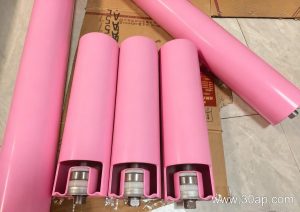
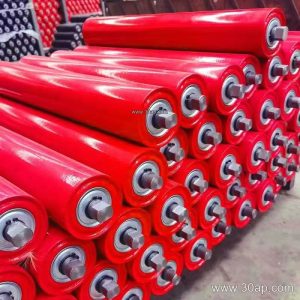
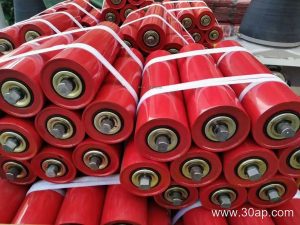
What a High-Strength Pulley Is
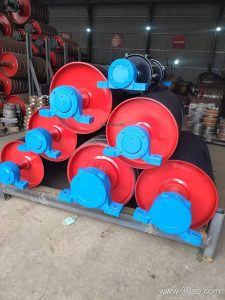
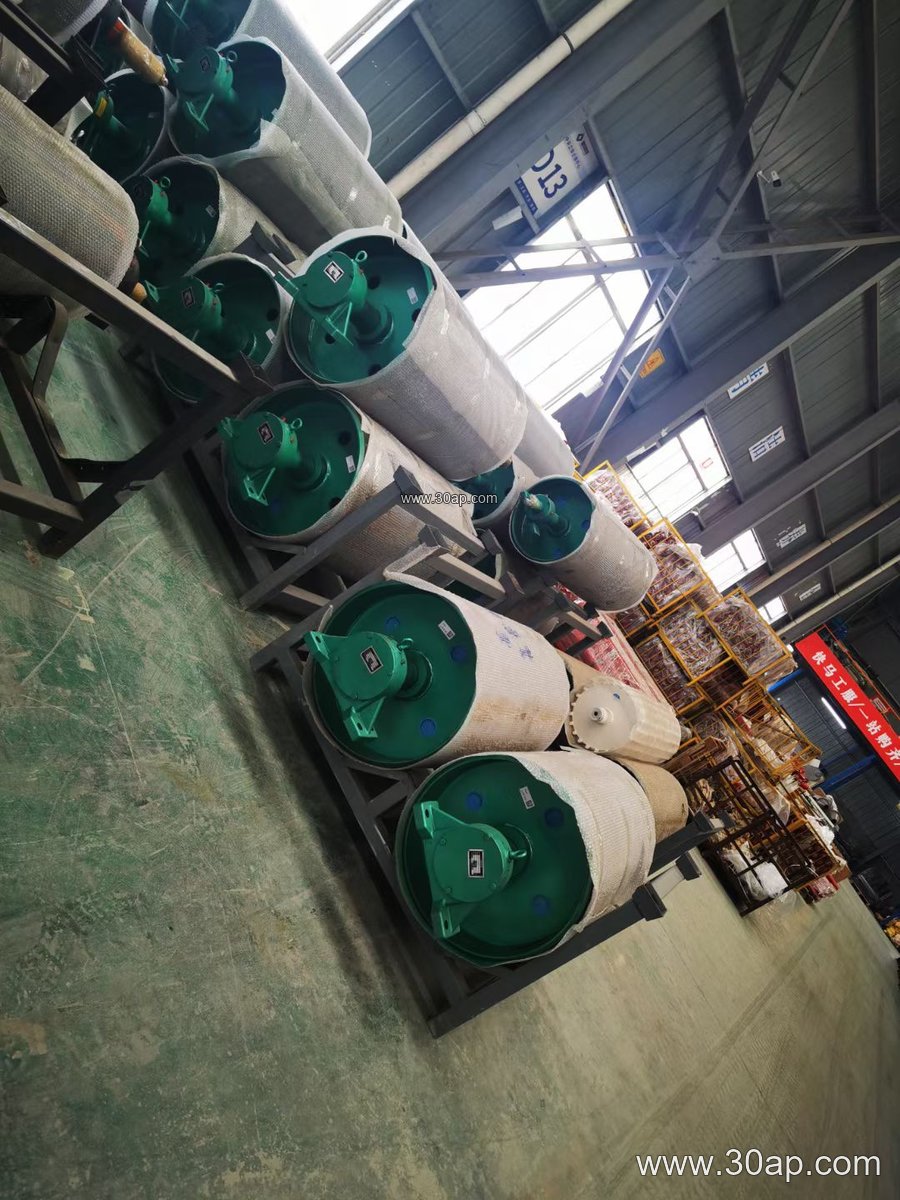
A high-strength pulley is a conveyor pulley engineered to carry high belt tensions and shock loads without losing shape or grip. In practice, it is a heavy-duty conveyor pulley with a thick shell, reinforced end discs, and a shaft sized by torque rather than by belt width alone. It may appear as a drive pulley at the head, a tail pulley at the load end, or a bend pulley that redirects the belt. These roles are not interchangeable: a drive pulley transmits torque through lagging, a tail pulley supports the return side and helps track the belt, and a bend pulley changes direction without driving.
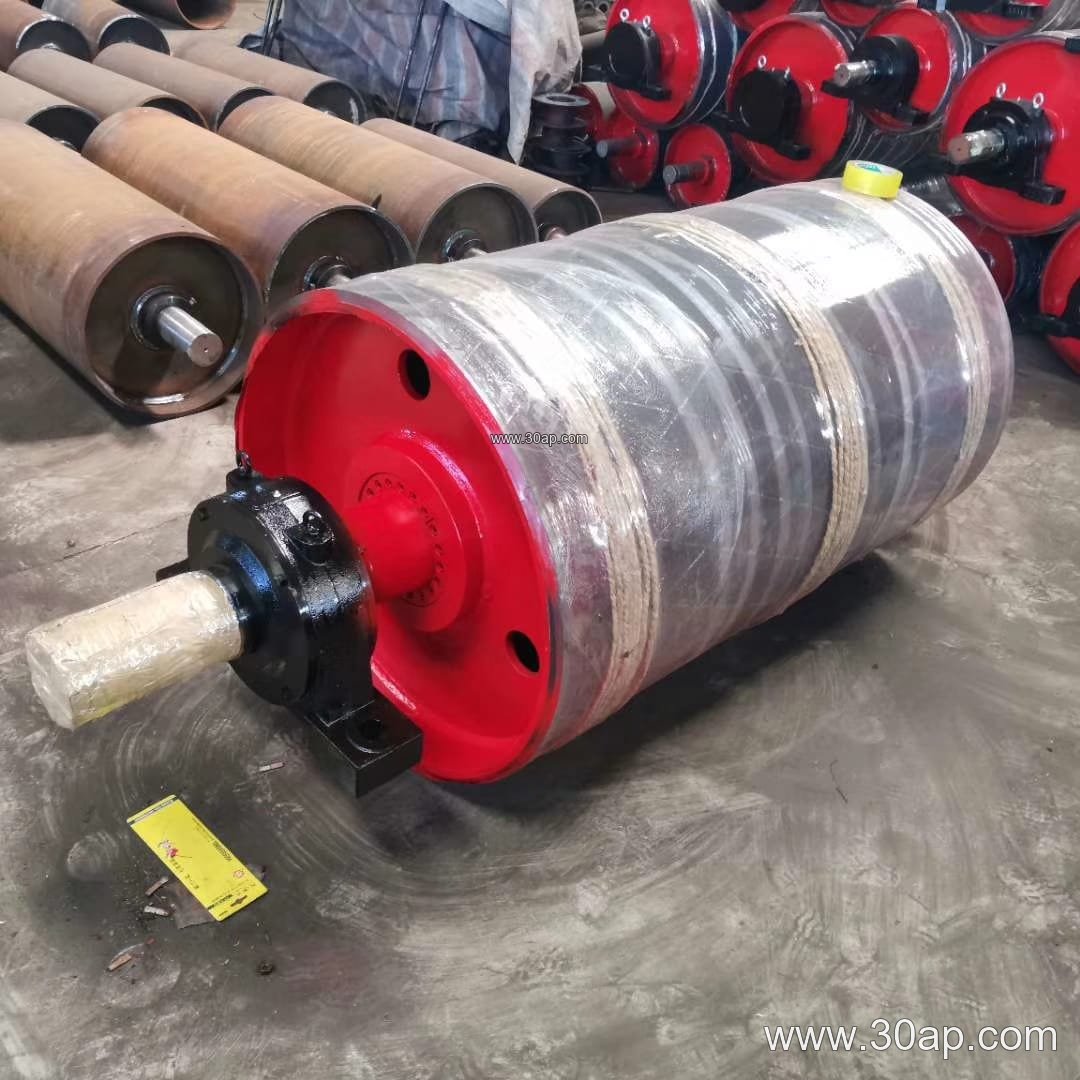
How It Is Built
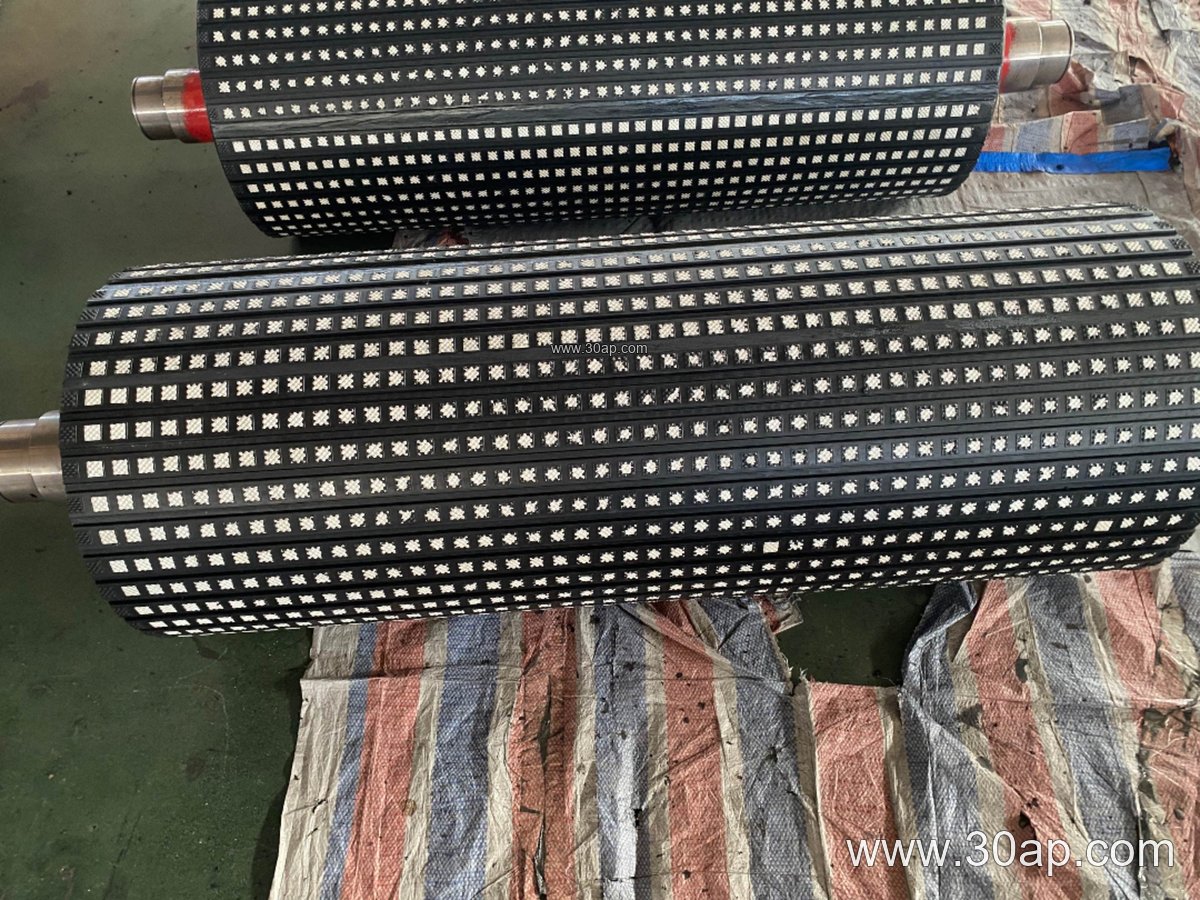
The shell is usually rolled from steel plate and machined for balance. End discs are welded or bolted, and the shaft is keyed or shrink-fitted. Lagging protects the shell and improves grip. Common surface forms include plain, cast rubber, cold-bonded rubber, hot-vulcanized rubber, diamond lagging, herringbone lagging, ceramic lagging, and flat rubber. Lagging thickness commonly falls in 8, 10, 12, 15, or 20 mm, chosen for the duty. Shaft diameters are often Ø50 to Ø200 mm, but the final size follows torque and load calculations, not a fixed rule tied to belt width.
Where It Fits in the Line
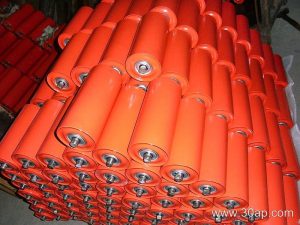
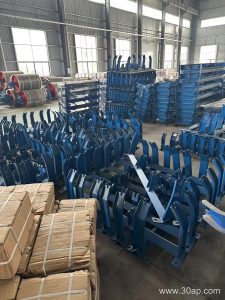
You will see high-strength pulleys in quarry and aggregate lines, limestone mines, iron ore and copper ore handling, coal preparation plants, cement clinker circuits, power plant coal yards, port bulk terminals, and steel plant sinter lines. They work alongside the conveyor belt, idler roller, conveyor bracket, and frame. In a primary crushing station, a high-strength drive pulley may pull a heavy-duty mining conveyor belt loaded with rock; at the tail, a high-strength tail pulley keeps the belt centered under the chute. In a cement plant, a bend pulley may route a heat resistant conveyor belt around an obstacle while keeping tension stable.
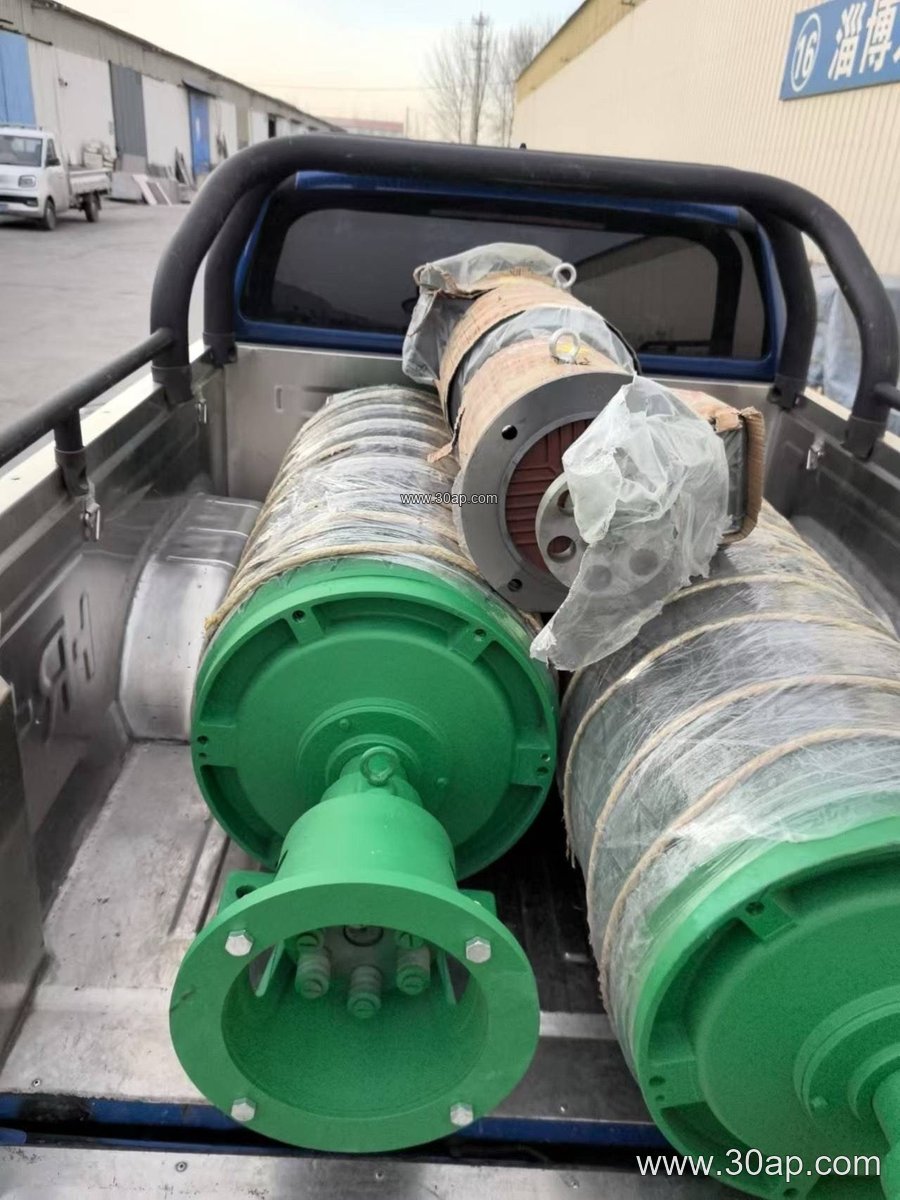
Matching the Pulley to the Belt
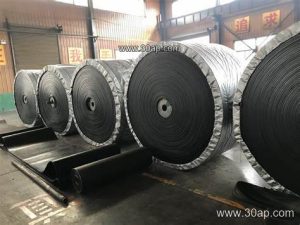
The pulley does not work alone. A high-strength pulley is often paired with a high strength conveyor belt, such as an EP conveyor belt or a steel cord conveyor belt, depending on tension and impact. For abrasive stone, an abrasion resistant conveyor belt reduces wear on both belt and lagging. For coal, a flame retardant conveyor belt is common. The pulley face width is usually wider than the belt: B400 may use about 500 mm face, B650 about 750 mm, B800 about 950 mm, B1000 about 1150 mm, B1200 about 1400 mm, and B1400 about 1600 mm. These are reference examples, not fixed pairings. A B1200 × Ø1000 or B800 × Ø500 combination may appear in designs, but one belt width can match several pulley diameters.
Buyer Checklist
- Confirm the pulley role: drive, tail, bend, take-up, or snub. Do not substitute one for another.
- Provide belt width, belt type, and maximum tension so the shell and shaft can be checked.
- State the material and environment: wet, dusty, oily, or high temperature. This affects lagging choice.
- Ask for the lagging surface and thickness, for example diamond lagging at 12 mm or ceramic lagging at 15 mm.
- Check shaft diameter against torque and load, not against belt width alone.
- Plan maintenance access to the conveyor bracket and bearing housings.
For a heavy-duty conveyor pulley in a sand and gravel plant or a coal mining conveyor line, the high-strength pulley is a wear part and a safety part. Correct selection keeps the conveyor belt tracking, protects the idler roller and frame, and reduces unplanned stops. Visit us at conveyor pulley for design notes and at conveyor belt for belt-side matching.