What a Vertical Guide Idler Does
A vertical guide idler is a specialized roller assembly that keeps a conveyor belt on track where the belt path turns vertical or runs at a steep incline. Unlike a standard carrying idler that supports the belt from below, this idler works along the edge or face of the belt to control lateral movement and prevent wandering. In a quarry conveyor lifting crushed stone to a stockpile, or in a cement plant feeding raw material up a steep gallery, the vertical guide idler acts as a steady hand that holds the belt in line without adding unnecessary drag.
Construction and Key Components
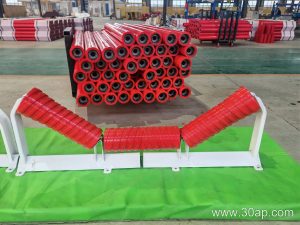
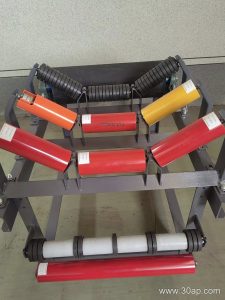
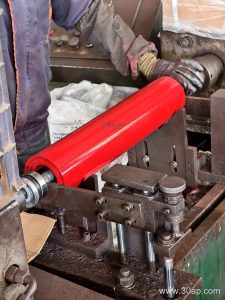
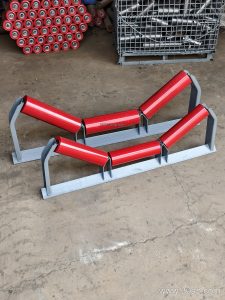
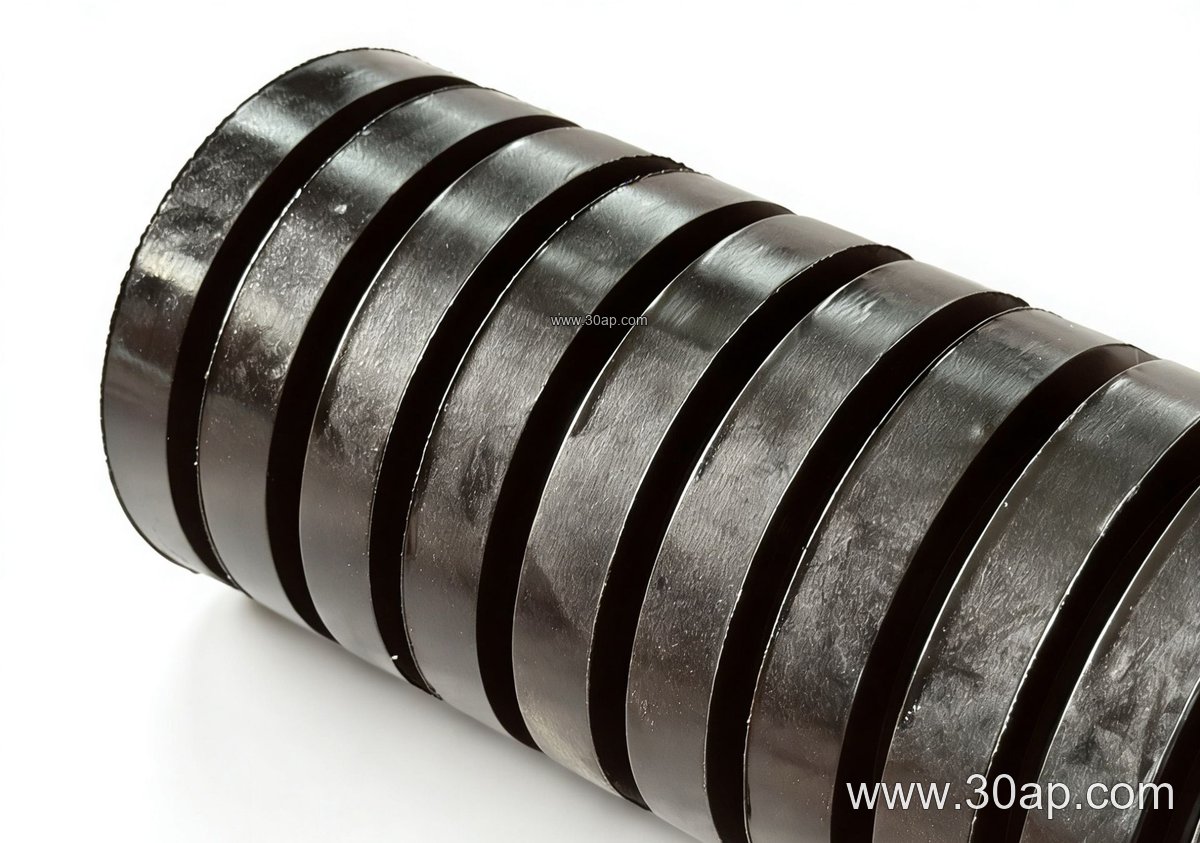
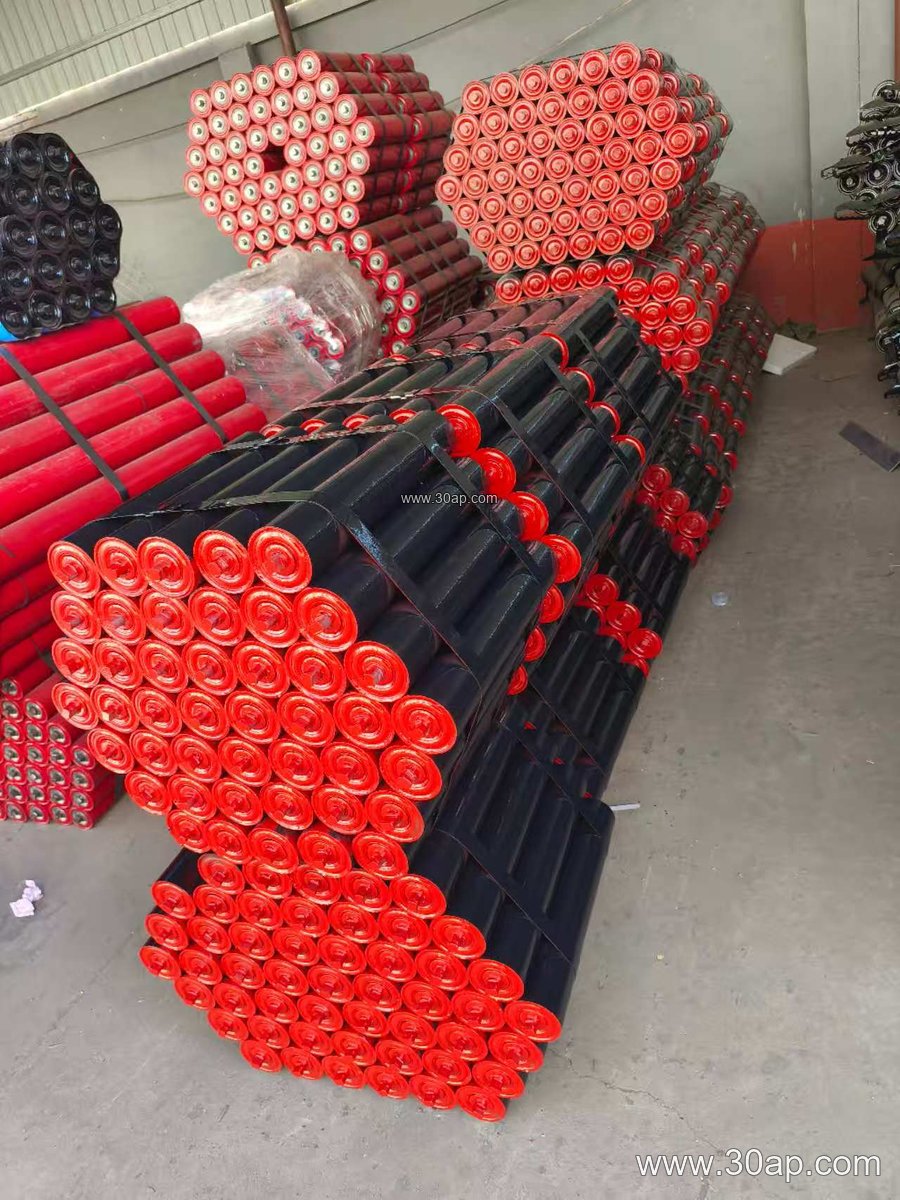
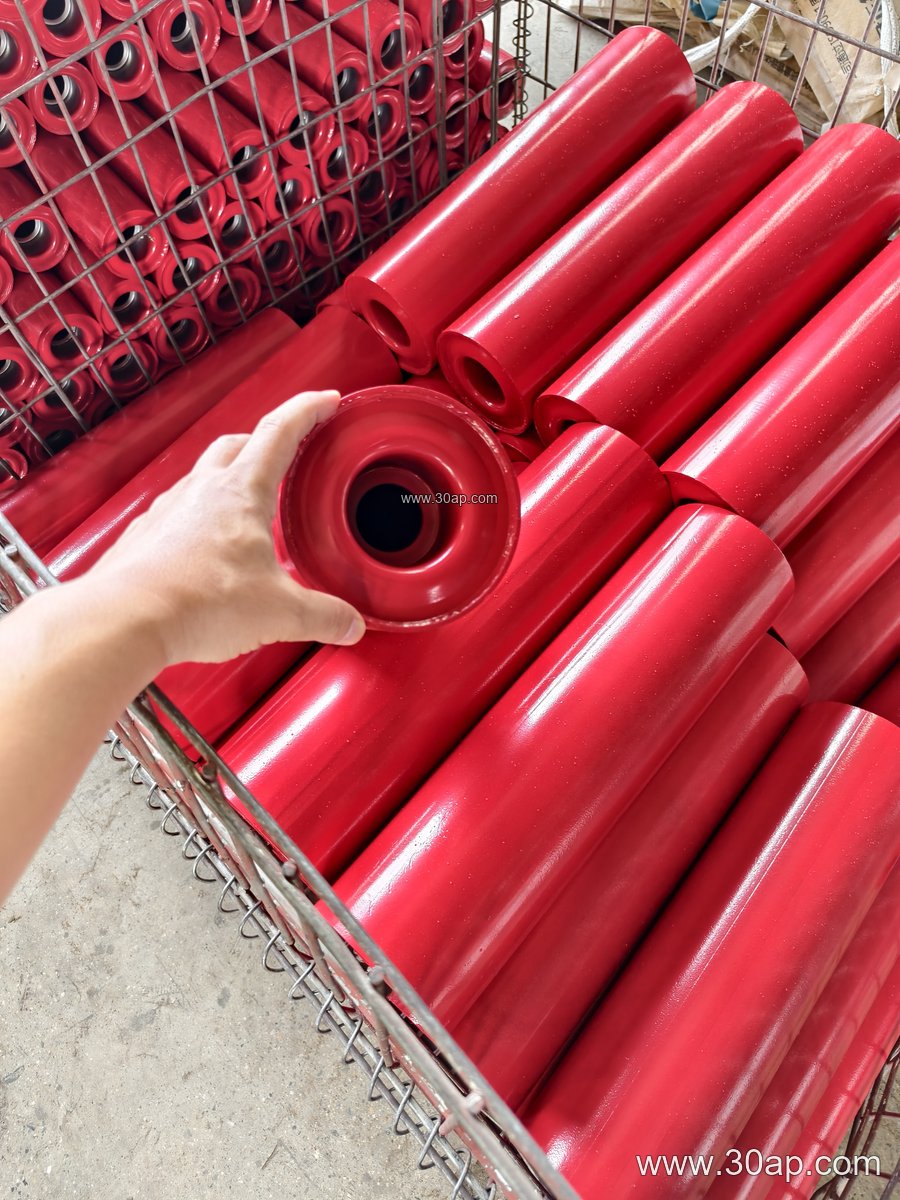
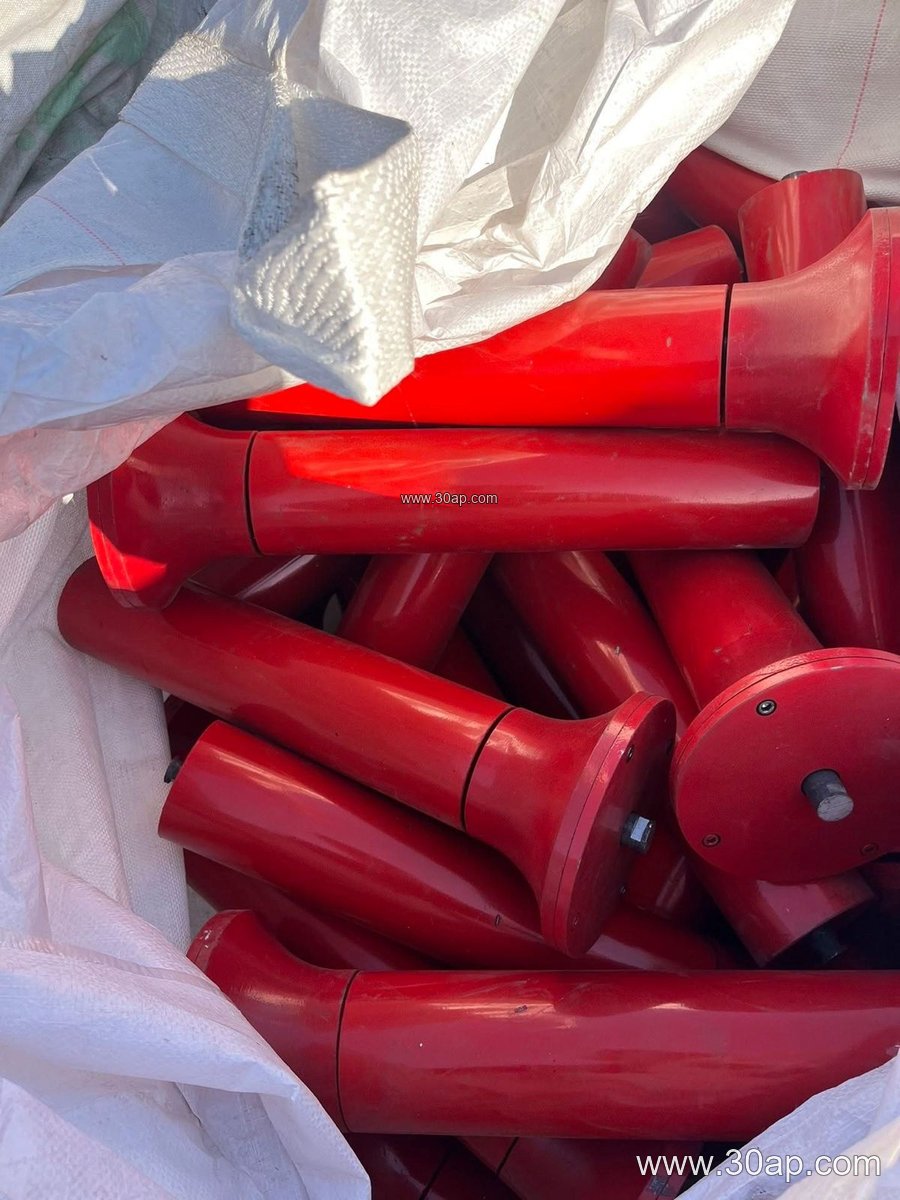
The typical vertical guide idler is built around a sturdy steel roller, often with a rubber or polyurethane covering to protect the belt edge. The roller turns on sealed ball bearings, commonly 6205 or 6305, housed in a cast or fabricated bracket. The bracket mounts to the conveyor frame and allows adjustment so the roller can be positioned precisely against the belt. Shaft diameters and roller lengths are determined by the belt width and the load expected at that point, not by a single fixed rule. For a 1000mm or 1200mm wide belt, the guide roller may be shorter than a full carrying idler because it only contacts the belt edge. A common mistake is to assume one shaft size fits every belt width; proper selection looks at belt tension, speed, and the vertical curve radius.
Where Vertical Guide Idlers Are Used
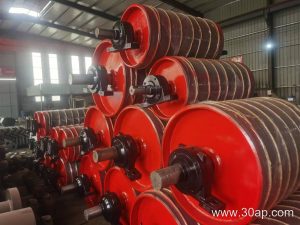
These idlers appear in industries where conveyors climb steeply or change direction in a tight space. In underground coal mining, a vertical guide idler can keep a flame retardant conveyor belt aligned through a vertical curve. In a power plant coal handling system, they help a heavy-duty conveyor belt stay centered as it rises to the boiler bunker. Sand and gravel operations also use them on inclined transfer conveyors. The idler is not a replacement for a bend pulley or a tail pulley; those components change belt direction through a drum, while the vertical guide idler only guides and stabilizes. Similarly, a troughing idler supports the belt from underneath, and a return idler supports the empty strand. Each has its own job.
Selection Details That Matter
Buyers should match the guide idler to the belt width and the vertical curve geometry. Common roller diameters for this duty include 89mm, 108mm, and 133mm, with larger sizes for heavy belts. The bearing size should suit the load and speed, and the seal type should match the environment: dusty quarry air calls for good labyrinth seals, while washdown areas may need extra protection. The table below shows reference examples, not fixed combinations.
| Belt Width | Common Guide Roller Diameter | Typical Bearing | Mounting Note |
|---|---|---|---|
| B650 | 89mm | 6205 | Adjustable bracket |
| B800 | 108mm | 6305 | Adjustable bracket |
| B1000 | 108mm or 133mm | 6306 | Check curve radius |
| B1200 | 133mm | 6308 | Check curve radius |
| B1400 | 133mm or 159mm | 6308 or 6310 | Heavy-duty frame |
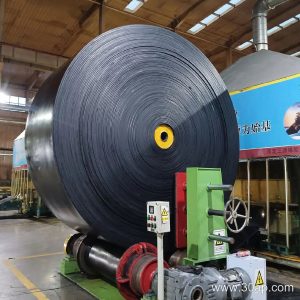
For a steep incline carrying abrasive ore, a rubber-covered guide roller reduces belt edge wear. In a coal mine, a flame retardant conveyor belt may require a guide idler with non-sparking or anti-static features, depending on the site rules. A steel cord conveyor belt is stiff and needs a generous vertical curve; the guide idler position should be set by the conveyor designer, not guessed. Fabric core belts, including EP conveyor belt and NN conveyor belt, behave differently from steel cord belts in tight curves, so the idler layout should follow the belt manufacturer’s recommendation.
Installation and Maintenance Tips
Mount the vertical guide idler so the roller contacts the belt edge squarely. A skewed roller will wear the belt edge and may cause tracking problems elsewhere. Check the bracket bolts after the first week of operation, because vibration can loosen them. Lubricate sealed bearings only if the bearing type allows relubrication; many modern sealed idlers are maintenance-free until replacement. Inspect the roller surface for flat spots or rubber damage, especially in high-abrasion service such as a crusher conveyor belt or a quarry conveyor belt. If the belt begins to wander at the vertical curve, inspect the guide idler before adjusting the bend pulley or tail pulley, since a worn guide roller is a common cause.
Buyer Checklist
- Confirm belt width and the vertical curve radius with the conveyor designer.
- Specify the roller diameter and bearing size based on load and speed, not on belt width alone.
- Choose roller covering to suit the material: rubber for abrasive rock, plain steel for clean service.
- Match environmental protection to the site: dust, water, or underground conditions.
- Ask for the bracket adjustment range so the idler can be set correctly on site.
Whether the conveyor handles overburden in a copper mine or clinker in a cement plant, the vertical guide idler is a small but important part of keeping the belt trained. For more information on compatible conveyor components, visit our site at www.example.com/vertical-guide-idler and review the conveyor belt and idler roller options for your application.