What a Conveyor Bracket Does on a Belt System
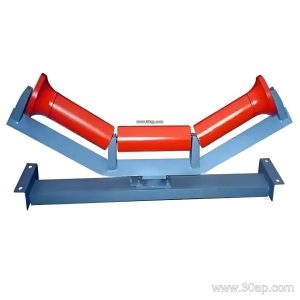
A conveyor bracket is the structural support that holds idlers in the correct position under and over the belt. It carries the weight of the belt, the material load, and the idler assembly itself, then transfers that load into the conveyor frame. In a quarry, a coal preparation plant, or a cement kiln feed line, these brackets are the quiet workhorses that keep the belt tracking straight and the trough profile consistent.
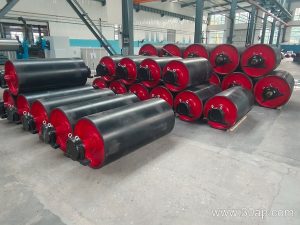
Buyers often search for this part as a conveyor idler bracket or idler support bracket. Those are accurate equivalent names for the same product. A drive pulley, a tail pulley, and a bend pulley are different components entirely, and none of them substitutes for a bracket in the idler station.
How the Bracket Is Built
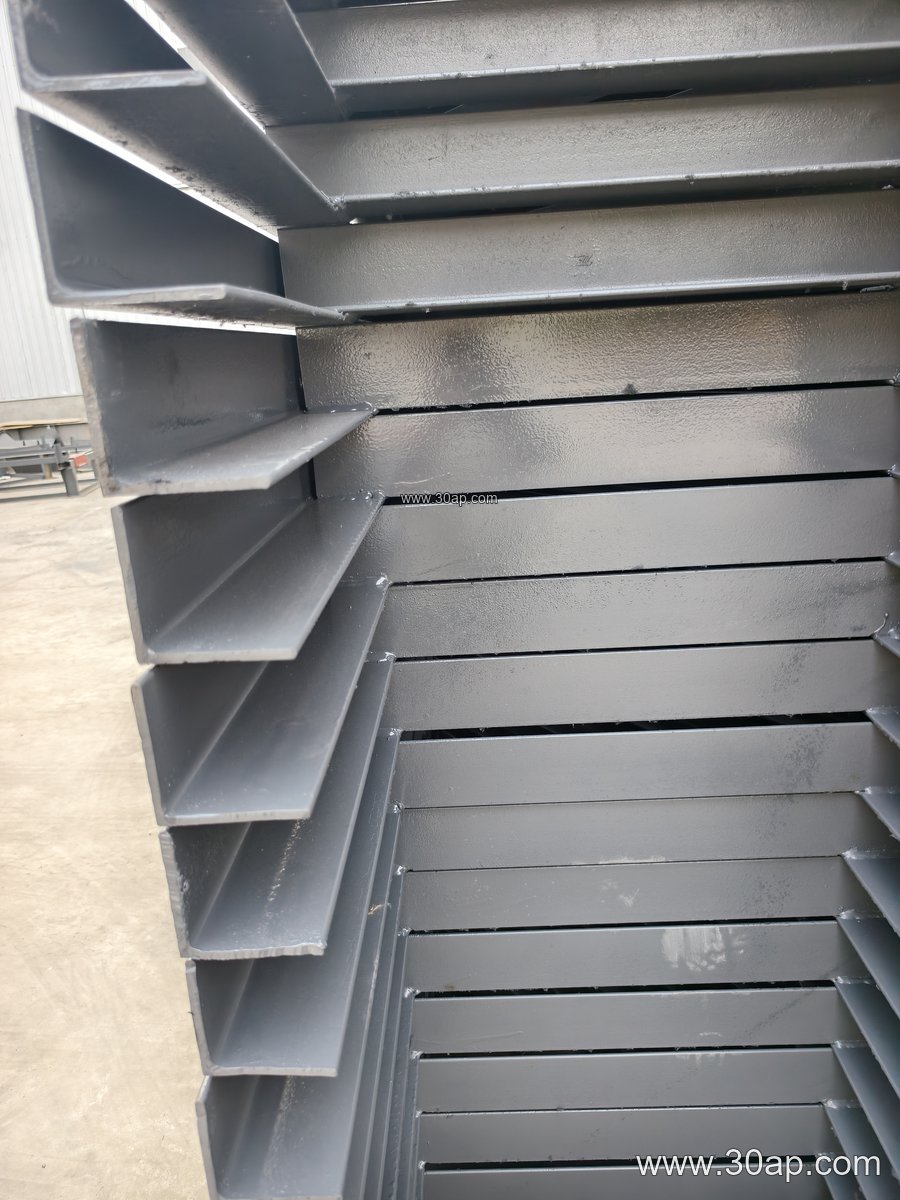
Most units are fabricated from angle steel, channel steel, or folded steel plate. The fabrication approach affects stiffness and how well the bracket resists twisting under load. A typical assembly includes a cross beam, mounting ears or slots for the idler shaft, and bolt holes for fixing to the conveyor stringer.
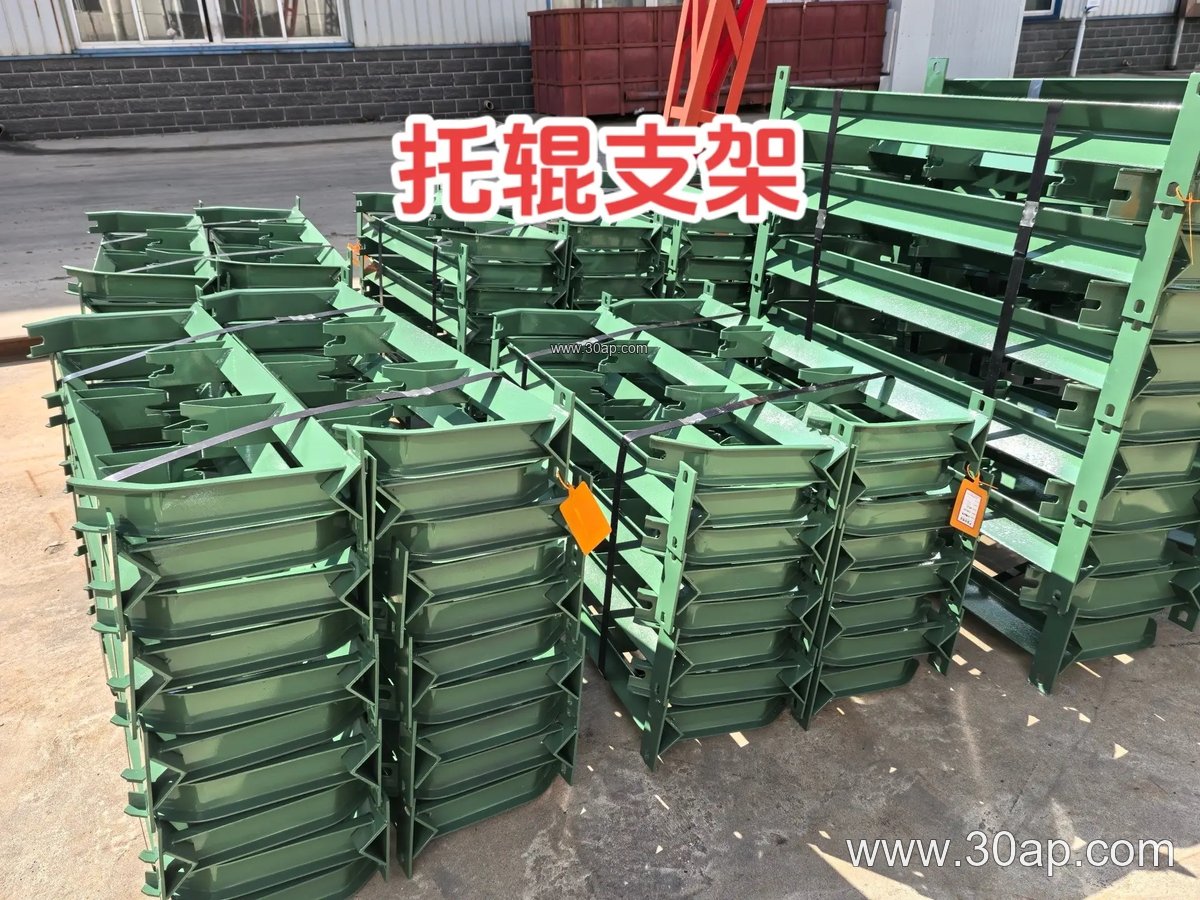
Common bracket types include troughing brackets, transition brackets, return brackets, V-return brackets, impact idler brackets, self-aligning brackets, and adjustable brackets. Each type is tied to a specific position in the conveyor structure, so the type name should always be kept intact during specification and ordering.
Where These Brackets Are Used
In a limestone mine or a crushing and screening line, troughing brackets support the carrying idlers that shape the belt into a trough. In a coal washing plant, flame retardant conveyor belt and anti-static conveyor belt are common, and the brackets must match the idler spacing used on that line. In a power plant coal yard, the same bracket family keeps the belt aligned through long transfer runs.
Return brackets and V-return brackets handle the empty side of the belt, while impact brackets sit below the loading point to absorb the drop energy from coarse rock. Transition brackets guide the belt from the flat pulley area into the trough section without stressing the edges. In a port ship loading system or a bulk material terminal, stable bracket geometry helps reduce spillage and belt edge wear.
Matching Bracket Geometry to Belt and Idler Data
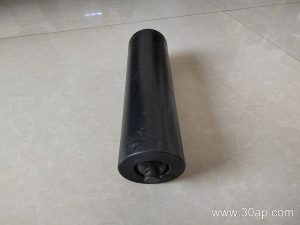
The bracket must match the belt width, the trough angle, and the idler diameter used on that conveyor. These values are design inputs, not fixed pairings. A 35 degree trough with a 108 mm roller is a common arrangement, and a wider line may use a 45 degree trough with a 133 mm roller. The mounting hole spacing and cross beam length usually change with belt width and trough angle, so they should be confirmed against the drawing rather than assumed.
| Parameter | Common Reference Values |
|---|---|
| Belt width | B500, B650, B800, B1000, B1200, B1400, B1600, B1800, B2000 |
| Trough angle | 20, 30, 35, 45 degrees; adjustable brackets cover a range |
| Idler diameter | Ø89, Ø108, Ø133, Ø159, Ø194 |
| Material | Angle steel, channel steel, folded steel plate |
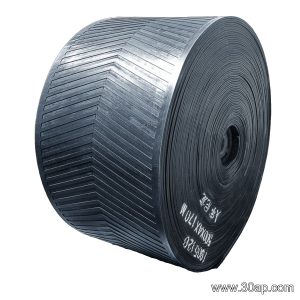
On a heavy-duty mining conveyor, the bracket and the idler roller should be selected together. A high abrasion resistant conveyor belt running over undersized idlers can overload the bracket, while an oversized idler on a light bracket adds unnecessary weight and cost. The same logic applies when an EP conveyor belt or a steel cord conveyor belt is used on the same line at different sections.
Fixed Versus Adjustable Brackets
Fixed brackets are welded or bolted to a set trough angle. Adjustable brackets allow the trough angle to be changed within a range, which is useful during commissioning or when the material flow changes. Self-aligning brackets add a tracking function and are often placed ahead of the tail pulley area to correct belt wander.
Forward-leaning brackets, usually set at about 1.5 to 2 degrees, help center the belt on the carrying side. These are a subtype in their own right and should not be confused with self-aligning or transition brackets.
Buyer Checklist
- Confirm belt width, trough angle, and idler diameter before ordering.
- State the bracket type precisely: troughing, return, V-return, impact, transition, or adjustable.
- Ask for the mounting hole pattern and cross beam length on the drawing.
- Check the steel section and finish against the site environment, especially in wet or dusty plants.
- Keep spare brackets for high-wear loading zones, where impact and misalignment damage are most likely.
Whether the plant handles iron ore, aggregate, grain, or tunnel spoil, the conveyor bracket is a small part with a large effect on belt life. Selecting it with the same care as the conveyor pulley and the belting pays off in fewer stoppages and longer service intervals.