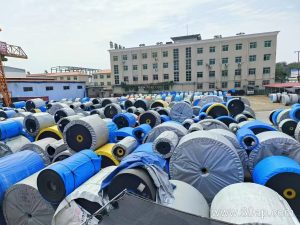
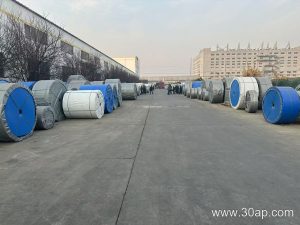
What a Rubber Conveyor Belt Is
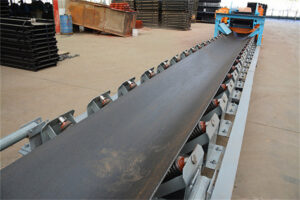
A Rubber Conveyor Belt is the flexible load-carrying element of a belt conveyor, built from a rubber cover wrapped around a tension-bearing carcass. It carries bulk material such as ore, coal, clinker, crushed stone or sand from one transfer point to another while running over idler rollers and turning around conveyor pulleys at the head and tail. Because the working surface is rubber, the belt grips the load, absorbs impact at loading points and protects the carcass from abrasion and moisture.
Buyers often search for this product under its material name, but the same item is also described by its construction, for example an EP Rubber Conveyor Belt or a fabric core belt. The wording changes; the function does not.
How the Belt Is Built
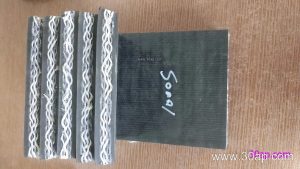
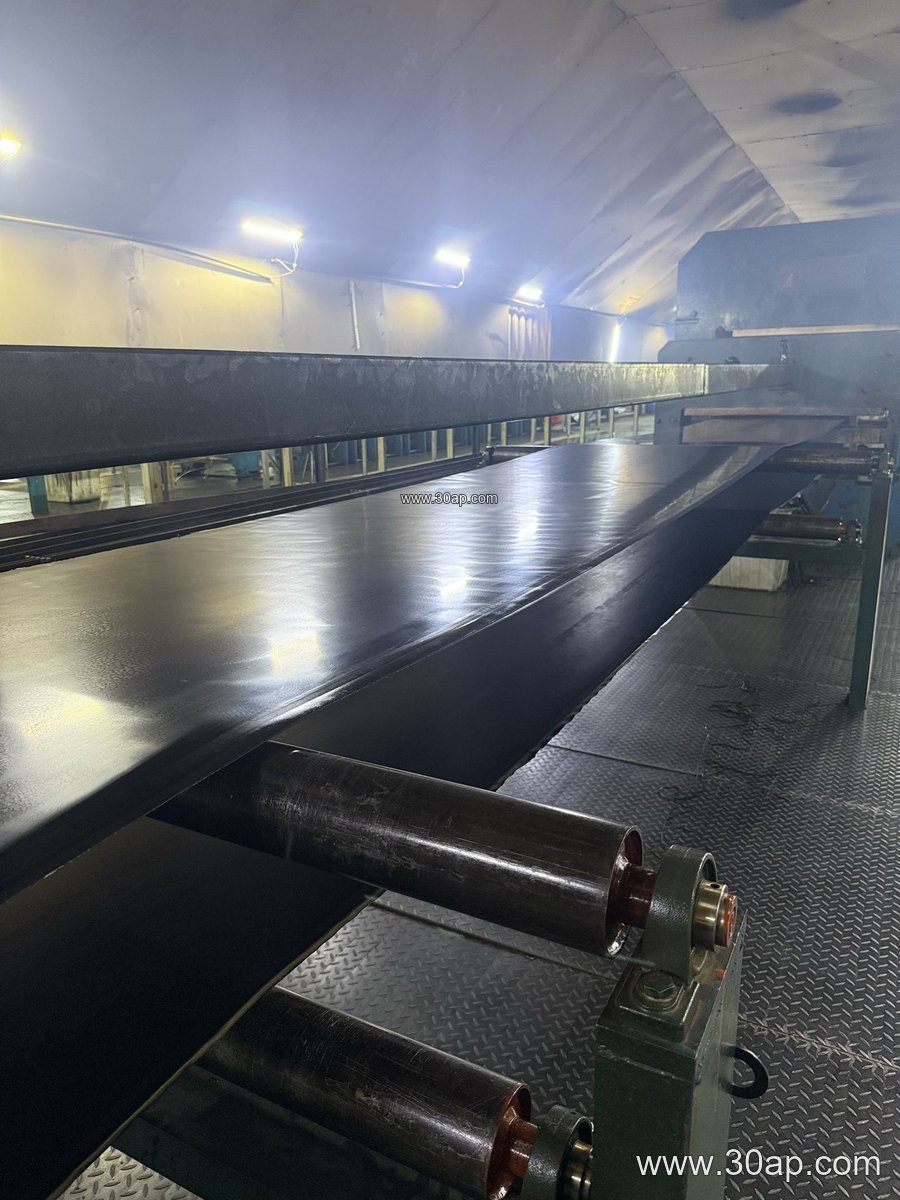
A typical Rubber Conveyor Belt has three functional layers. The top cover meets the material, the bottom cover runs on the idlers, and the carcass between them carries the tension. Covers are usually specified as a pair of thicknesses, such as 4+2 mm or 6+2 mm, where the first figure is the top cover and the second the bottom cover. The carcass may be multi-ply fabric, EP fabric, NN fabric or steel cord, depending on the duty.
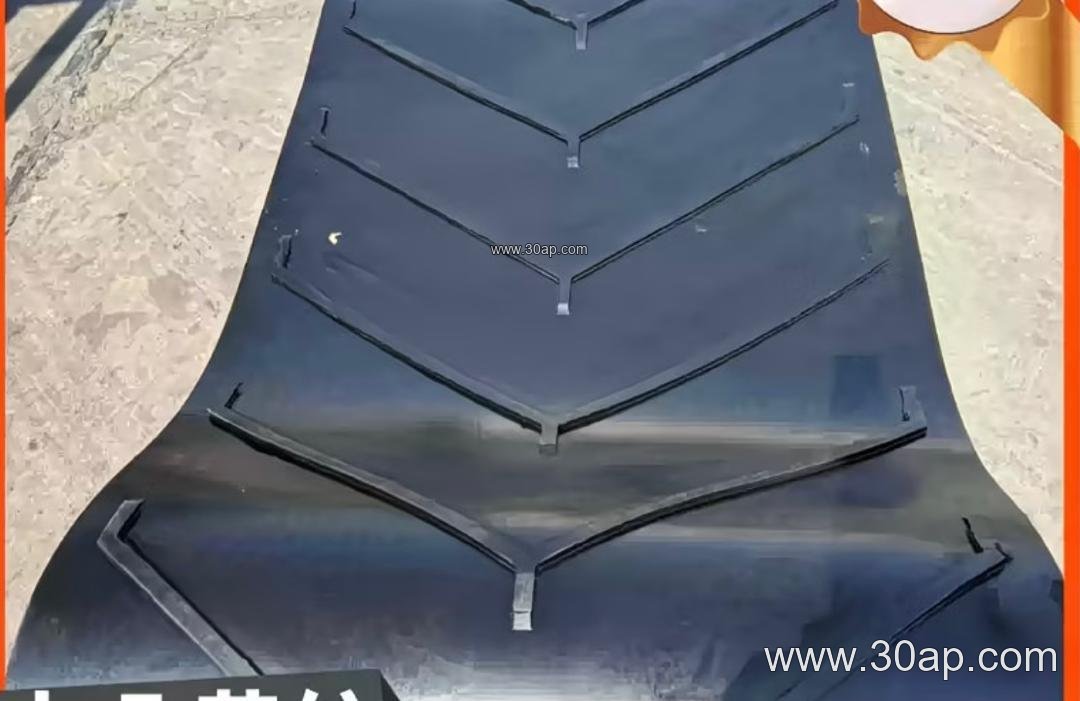
- Top cover: abrasion, impact and cut resistance
- Bottom cover: friction and wear against idler rollers
- Carcass: tensile strength and troughability
- Edges: protection against fraying and moisture ingress
Compound selection matters as much as thickness. A Heat Resistant Conveyor Belt uses a cover that keeps its properties at elevated clinker or sinter temperatures, while an Oil Resistant Conveyor Belt resists swelling when carrying oily scrap or treated material. A Flame Retardant Conveyor Belt and an Anti-Static Conveyor Belt are common choices for underground coal mining, where static discharge and fire risk must be controlled.
Common Constructions and Reference Data
The table below shows typical carcass grades and belt widths used in industry. Values are for orientation only; final selection follows the conveyor design, duty and local practice.
| Construction | Typical strength grades | Typical widths | Typical use |
|---|---|---|---|
| EP fabric core | EP200, EP400, EP630, EP1000, EP1250 | B500 to B1600 | Aggregate, cement, general bulk |
| NN fabric core | NN100, NN200, NN300 | B500 to B1200 | Medium-duty transport |
| Steel cord | ST1000, ST1600, ST2000 | B800 to B2000 | Long overland and high tonnage |
| PVG / PVC | PVG800S and similar | B650 to B1400 | Underground coal mining |
Cover gauges commonly range from 3+1.5 mm for light work to 8+3 mm for heavy impact, and carcasses are often 2 to 6 plies. A wide belt, such as a 1200mm, 1500mm or 1800mm unit, is normal on main trunk conveyors in a mine or power plant, while narrower belts serve feeders and short transfers.
Where It Works
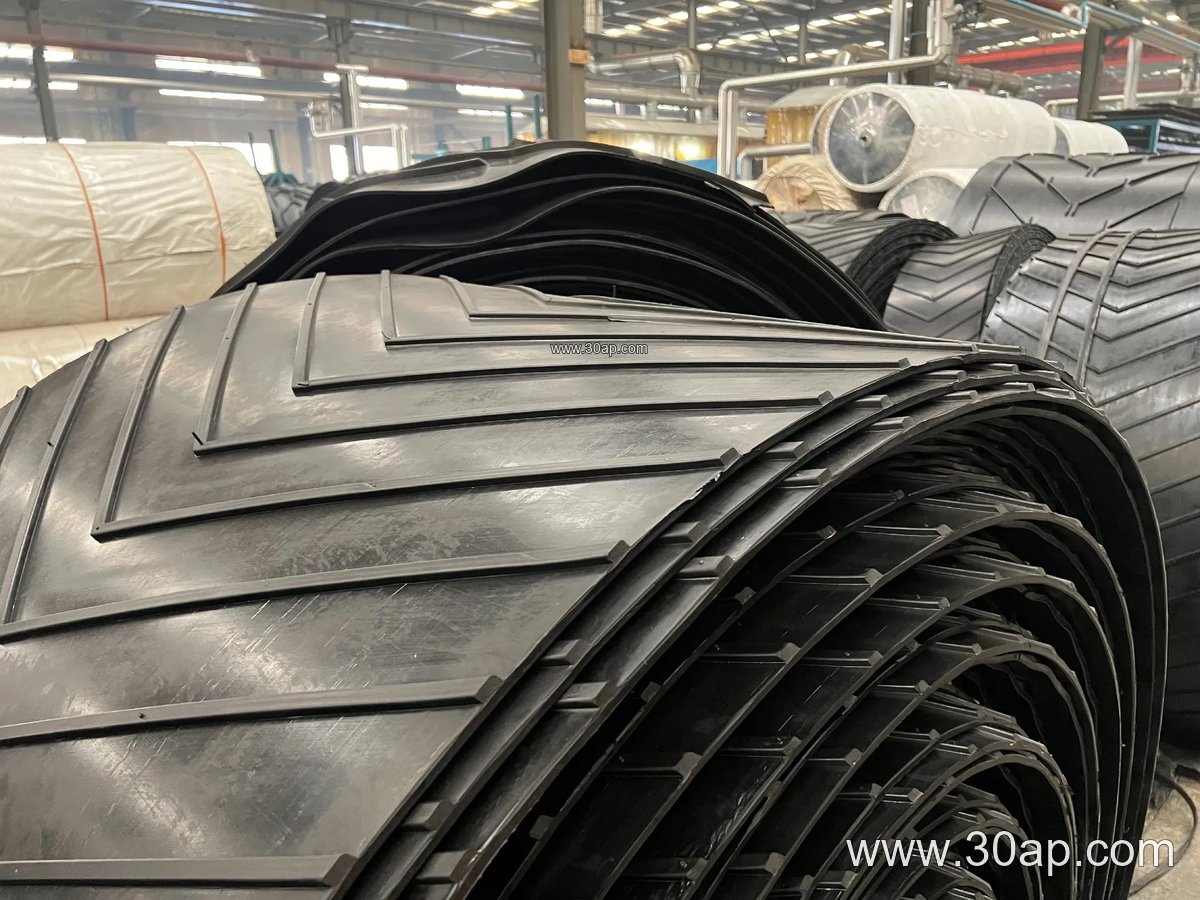
In a quarry or sand making plant, an Abrasion Resistant Conveyor Belt handles sharp crushed rock day after day. In a cement plant, heat resistant covers carry clinker while standard EP belts move limestone and raw meal. In a coal mine, a Mining Conveyor Belt with flame retardant and anti-static properties is the usual specification, and a Corrugated Sidewall Conveyor Belt or Chevron Conveyor Belt may be chosen where the incline is steep. Ports and ship loading terminals favor high strength steel cord belts for long runs and high capacity.
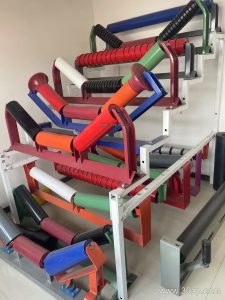
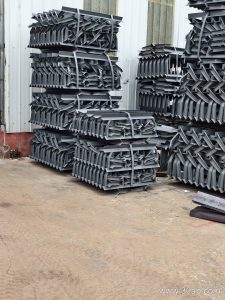
The belt never works alone. Idler rollers support the loaded strand, the drive pulley transmits power, the tail pulley returns the belt, and conveyor brackets hold the structure together. Each of these parts has its own selection rules, and none should be treated as a substitute for another.
What a Buyer Should Check
- Material type, lump size and temperature at the loading point
- Required tensile grade and number of plies or cord class
- Cover thickness and compound, matched to abrasion, heat, oil or fire risk
- Belt width and trough angle compatibility with the existing idlers
- Joint method: vulcanized splice or mechanical fastener
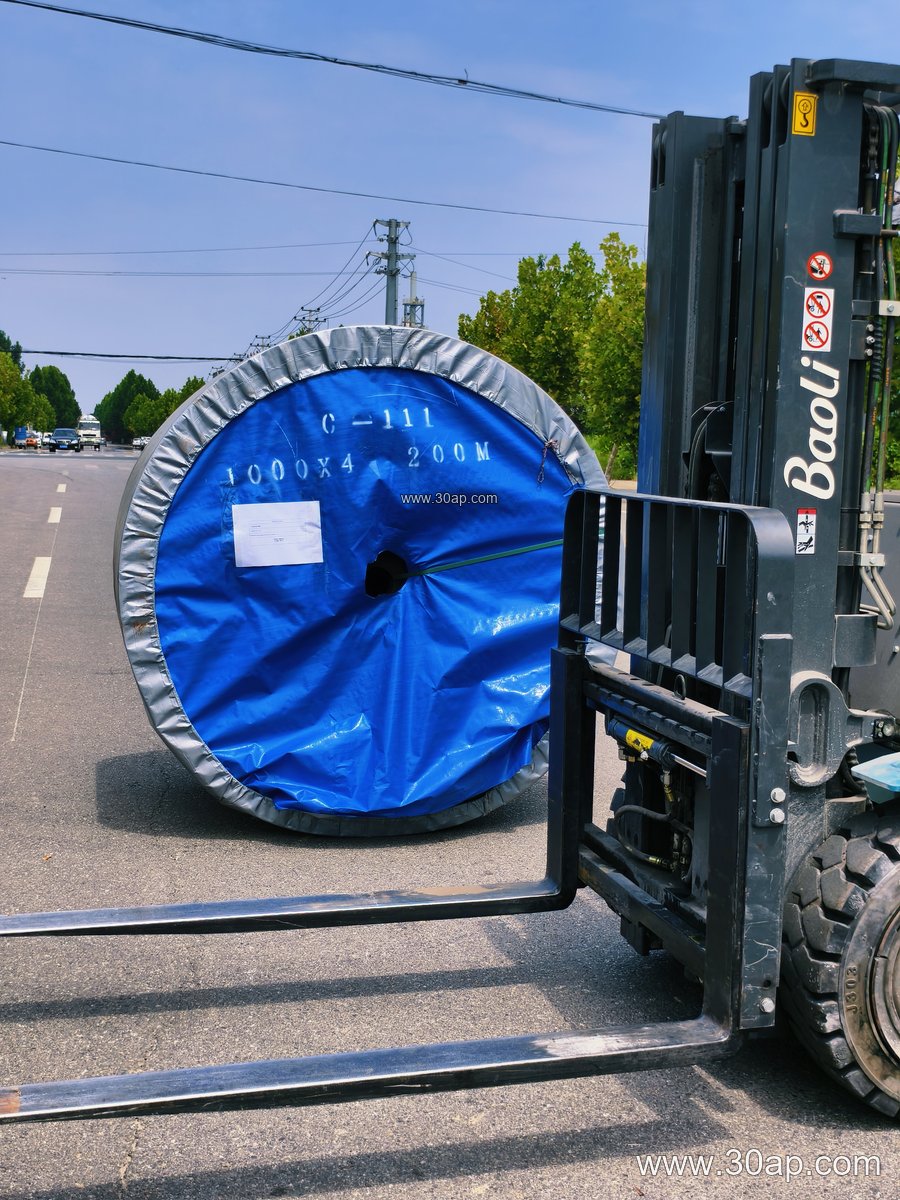
- Storage and handling, since heavy rolls need proper support
Ask for the compound data and carcass specification rather than a width alone. A belt that is correct in width but wrong in cover grade will fail early, and a belt that is over-specified adds weight and cost without benefit. Matching the Rubber Conveyor Belt to the real duty remains the most reliable way to extend service life.