What an EP400 Conveyor Belt Is
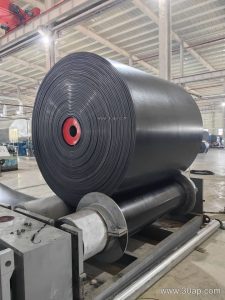
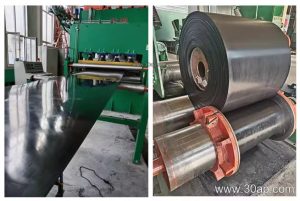
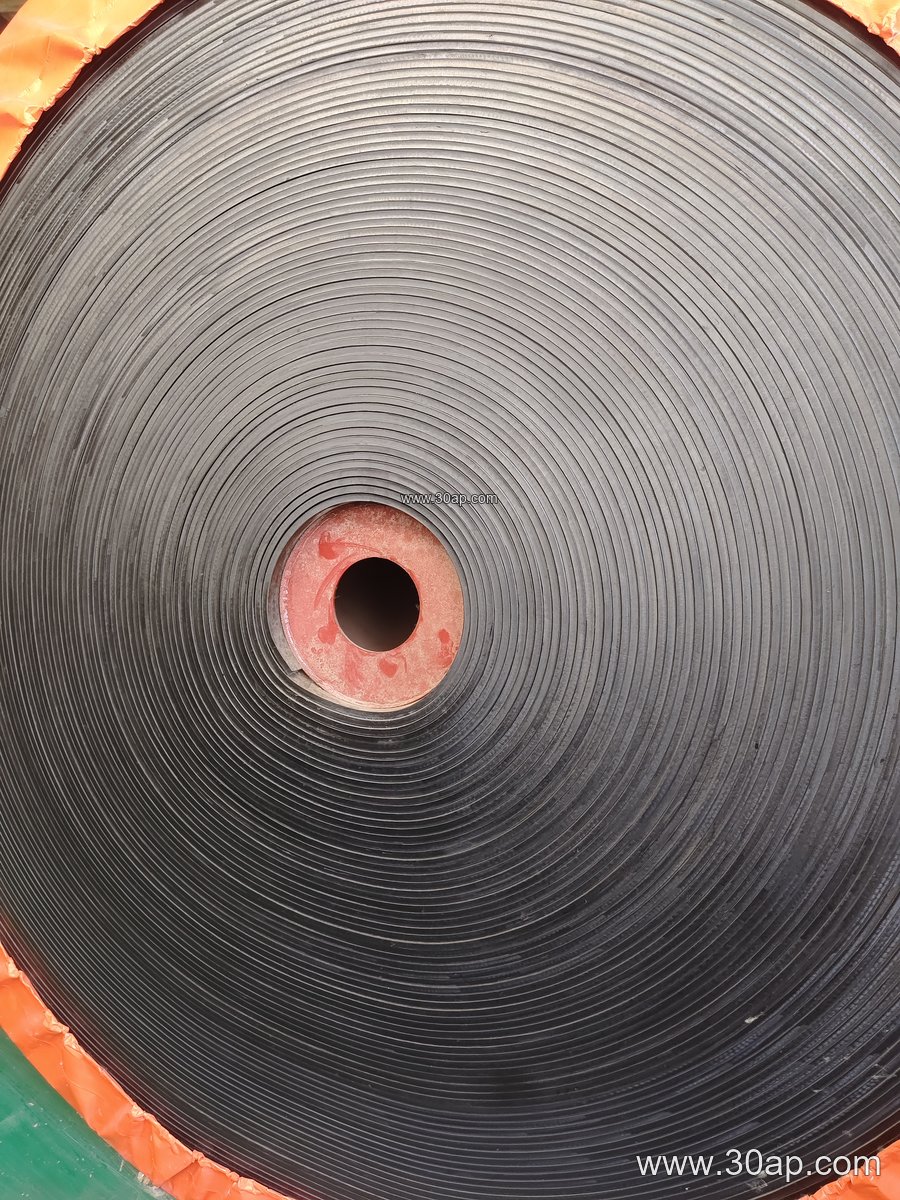
An EP400 conveyor belt is a fabric-core belt built on polyester-cotton (EP) canvas. The number 400 refers to the nominal tensile strength of the carcass, commonly expressed as 400 N/mm per ply. It sits in the middle of the EP range, above lighter EP200 and EP315 constructions and below heavy-duty EP630, EP800 and EP1000 grades. Buyers often search for it as an EP rubber conveyor belt or an EP fabric core conveyor belt, and both names describe the same product: a multi-ply fabric belt with rubber covers.
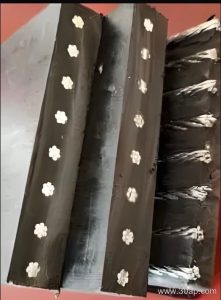
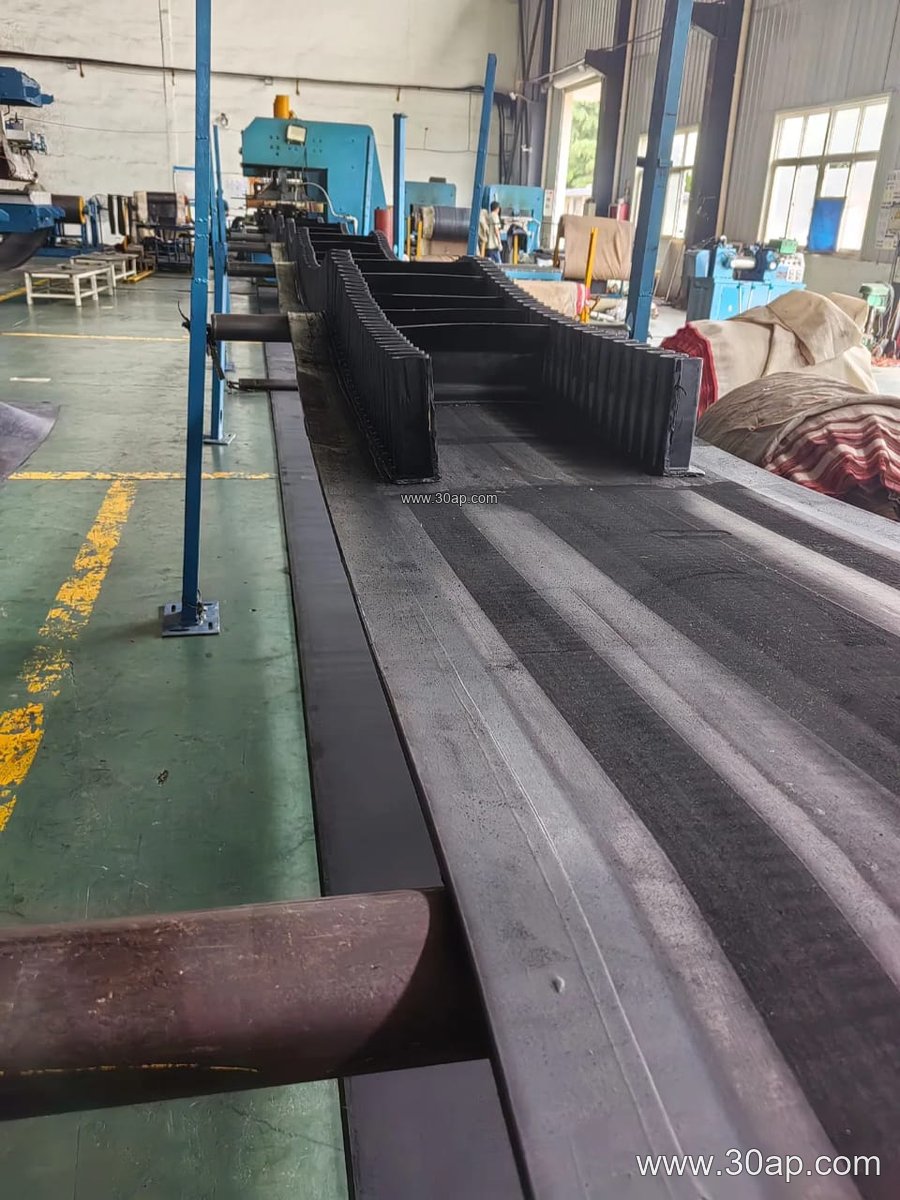
Because the carcass is woven rather than steel-cabled, this belt offers good flexibility, resistance to repeated flexing, and dependable tracking on long conveyor lines. It is not a steel cord belt, and it should not be confused with a pipe, chevron or corrugated sidewall design. Those are separate constructions used for different conveying duties.
How the Belt Is Built
The carcass usually contains two to six plies of EP fabric, bonded with rubber skim compound and protected by top and bottom covers. Cover thickness is specified per application, with common combinations such as 3+1.5 mm, 4+2 mm, 5+2 mm, 6+2 mm and 8+3 mm. The covers can be formulated for abrasion resistance, flame retardancy, heat, oil, cold or anti-static service, depending on the site.
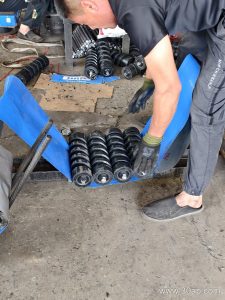
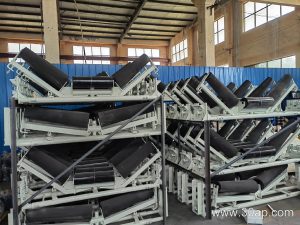
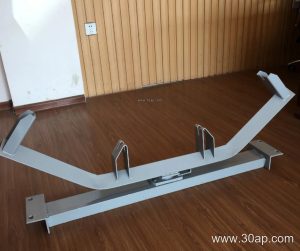
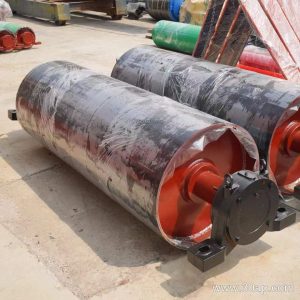
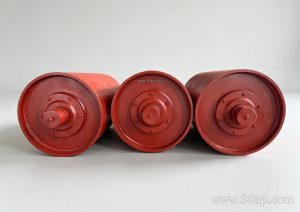
The belt works together with the rest of the conveyor. A conveyor pulley at the head drives the belt, tail and bend pulleys guide it, and idler rollers support the loaded strand. A conveyor bracket holds the idlers and pulleys in alignment. Drive, tail and bend pulleys are different components and are not interchangeable, so belt selection should always be checked against the actual pulley and idler arrangement.
Common Specifications
Values below are typical reference points, not fixed supply promises. Actual construction depends on the manufacturer and the design duty.
- Strength grades in the EP family: EP200, EP315, EP400, EP500, EP630, EP800, EP1000, EP1250, EP1600, EP2000
- Frequently requested widths: B500, B650, B800, B1000, B1200, B1400, B1600, B1800, B2000
- Carcass plies: commonly 2 to 6
- Cover gauges: 3+1.5, 4+2, 5+2, 6+2, 8+3 mm
A belt width does not dictate a single pulley diameter, and shaft size cannot be derived from width alone. Both must be calculated from belt tension, load, speed and pulley position.
Where It Fits in the Field
This grade is widely used in quarry conveyor belts, aggregate conveyors, cement plants, power plants and general bulk material handling. In sand and gravel operations it often serves as a crusher conveyor belt or a stone crushing conveyor belt on secondary and tertiary lines. Mines may use it on ore conveyors where a steel cord belt is not required, while coal handling tends to favor flame retardant grades. Ports, ship loading systems and recycling plants also apply fabric-core belts of this class.
For abrasive rock, a high abrasion resistant conveyor belt cover extends service life. Hot clinker or sinter calls for a heat resistant conveyor belt. Underground coal mining conveyors usually require fire resistant and anti-static properties. Belt cleaners, skirt rubber and a well-aligned conveyor pulley help reduce edge damage and mistracking.
Buyer Checklist
- Confirm the required strength grade and number of plies for the duty.
- State belt width, cover thickness and cover compound together.
- Describe the material: lump size, temperature, moisture, oil or chemical exposure.
- Check pulley diameters, trough angle and idler spacing before ordering.
- Ask for the splice method, since fabric belts are usually spliced on site.
- Plan spare length and storage to avoid cover damage before installation.
Matching the belt to the conveyor, rather than choosing by width alone, keeps tension, tracking and cover wear within a predictable range.