What Determines the Price of a Conveyor Bracket
When procurement teams ask about a conveyor bracket price, the answer rarely comes as a single number. A conveyor bracket is a fabricated steel support that positions and holds the idler roller in the correct orientation under the conveyor belt. Because brackets vary by type, material, bandwidth, trough angle, and roller diameter, the quoted price moves with the specification. Buyers comparing offers should first match the bracket design to the actual duty, then compare pricing on equal terms.
A rough budget figure is only useful once the mounting position, load class, and steel finish are defined. For quarry lines, cement plants, and power plant coal yards, the same nominal bracket can differ in plate thickness and reinforcement, which directly affects cost.
How a Conveyor Bracket Is Built
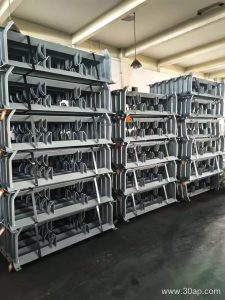
Most brackets are made from angle steel, channel steel, or bent steel plate, welded or bolted into a rigid frame. The common types include troughing brackets on the carrying side, transition brackets near pulleys, return brackets, V-return brackets, impact brackets at loading points, self-aligning brackets, and adjustable brackets that allow the trough angle to be set between 20 and 45 degrees. Forward-leaning designs typically sit around 1.5 to 2 degrees.
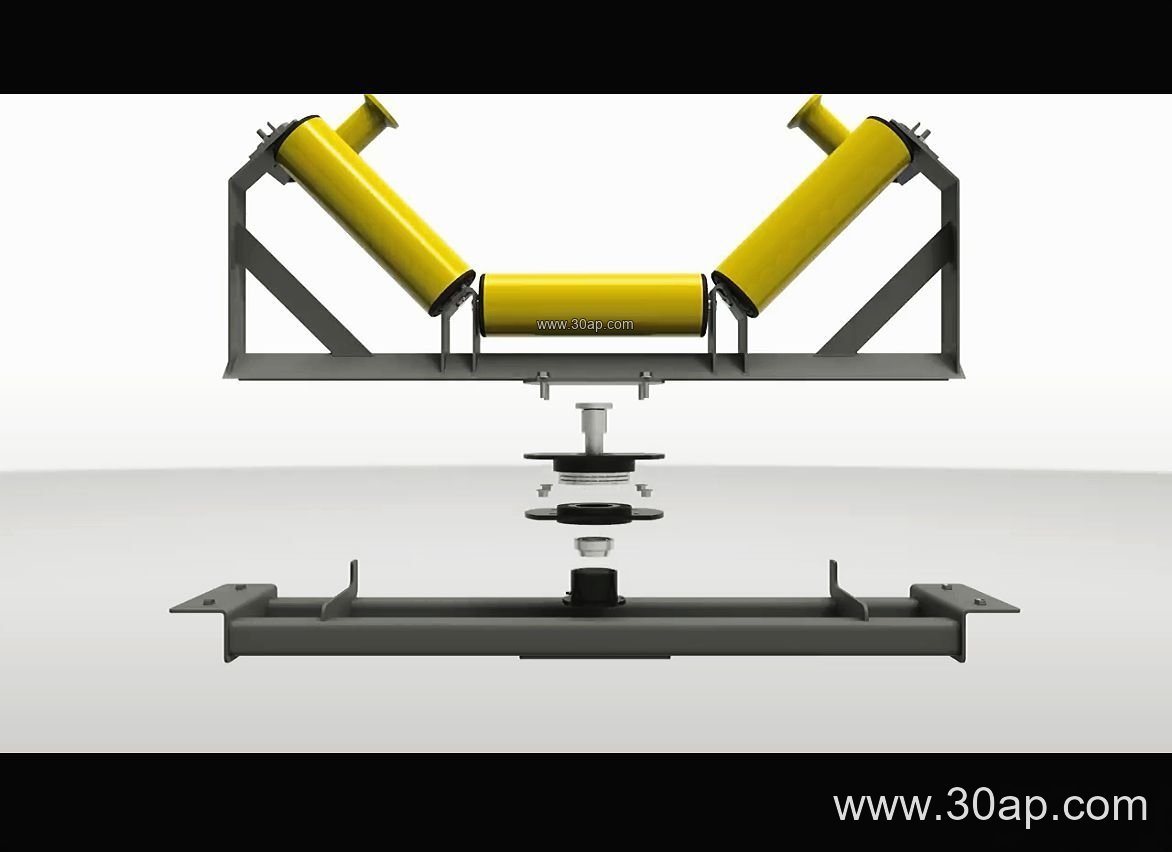
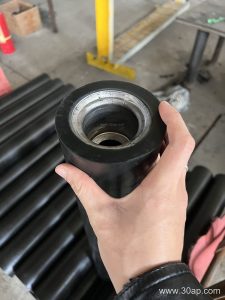
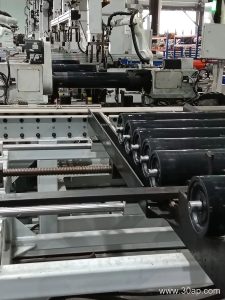
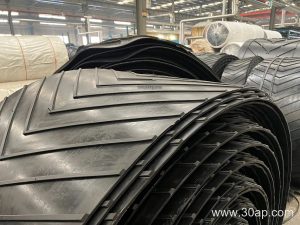
In a typical arrangement, the bracket carries the idler roller, the roller supports the conveyor belt, and the belt carries the bulk material. A well-matched bracket keeps the belt tracking stable and spreads load evenly, which matters when a heavy-duty mining conveyor belt runs at high tonnage.
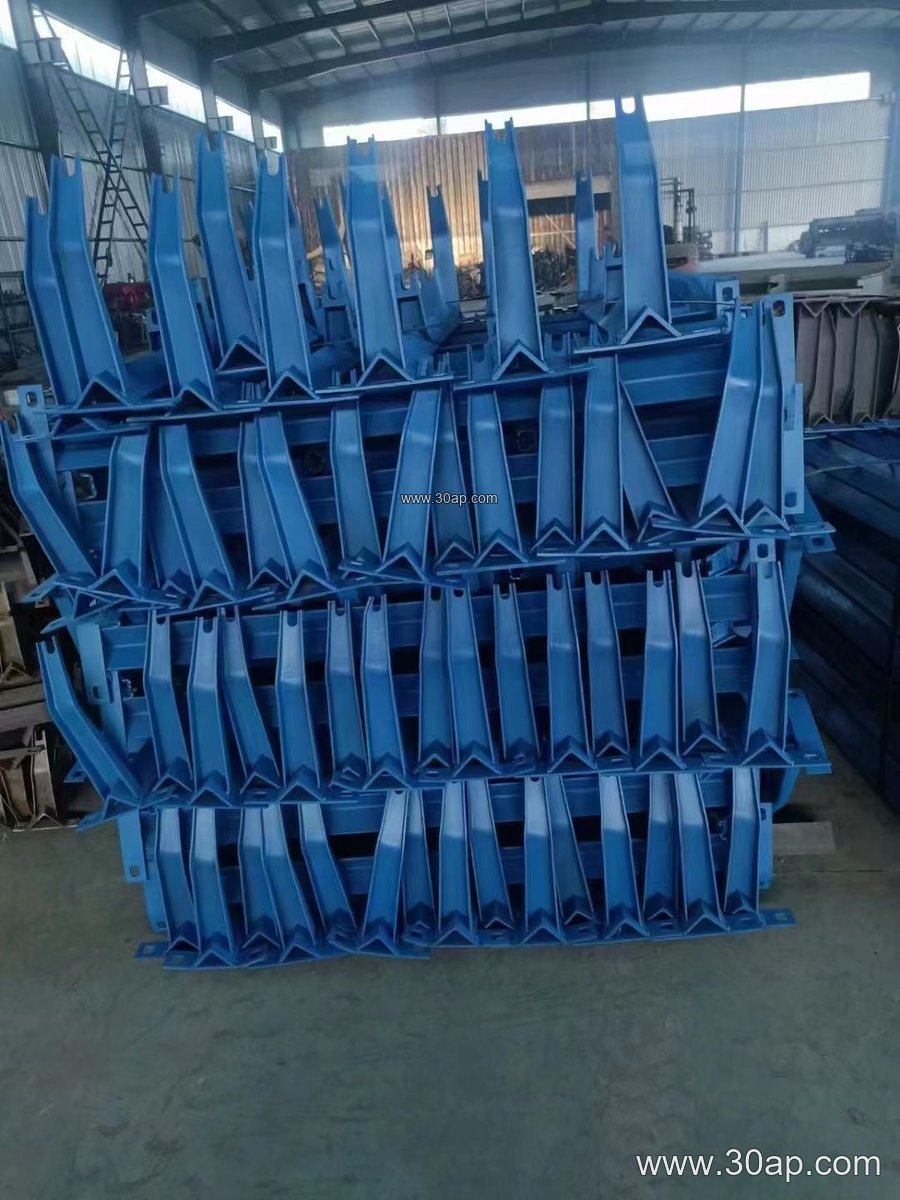
Reference Dimensions That Affect Cost
The table below lists reference ranges, not fixed supply commitments. Installation hole spacing and beam length change with bandwidth and trough angle, so these values should be confirmed against the conveyor drawing.
- Bandwidth: B500, B650, B800, B1000, B1200, B1400, B1600, B1800, B2000, B2200
- Trough angle: 20, 30, 35, 45 degrees; adjustable brackets cover several of these
- Roller diameter: Ø89, Ø108, Ø133, Ø159, Ø194
- Material: angle steel, channel steel, bent steel plate
Useful combinations appear in practice, such as B800 with 35 degrees and Ø108, or B1200 with 45 degrees and Ø133. A wider belt does not force one trough angle or one roller size; the choice follows belt stiffness, material lump size, and transition distance.
Where the Bracket Earns Its Place
In a limestone quarry, troughing brackets and impact brackets at the crusher discharge take constant shock, so heavier steel is often justified. In a coal washing plant, return and V-return brackets help keep the belt clean and centered. The same bracket family also appears in sand and gravel lines, cement plants, and port ship loading conveyors.
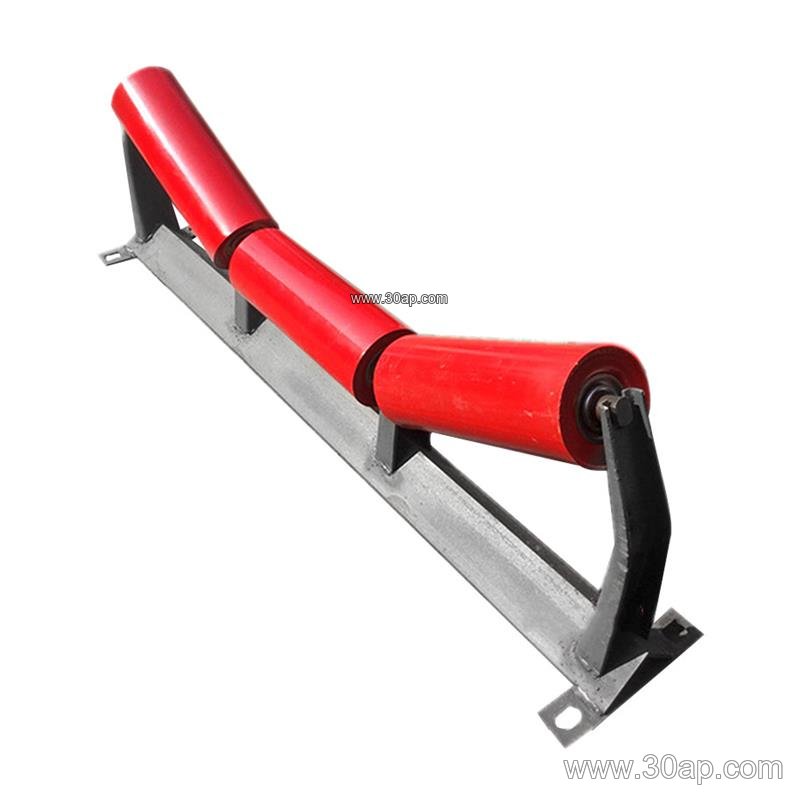
Subtypes are not interchangeable. A drive pulley, a tail pulley, and a bend pulley each serve a different function and cannot substitute for one another; likewise, a troughing bracket does not replace a return bracket. Mentioning these distinctions helps buyers avoid mismatched orders and surprise cost adjustments.
Buyer Checklist Before Accepting a Quote
A fair conveyor bracket price should state the bracket type, steel section, surface treatment, bandwidth, trough angle range, and roller diameter. Ask whether the bracket is fixed or adjustable, and confirm hole spacing against the existing frame. For abrasive duties, such as an iron ore or copper ore line, check that the bracket design suits the wear environment. For underground coal mining conveyor belt systems, flame retardant and anti-static properties belong to the belt, not the bracket, so keep those requirements in the correct specification.
Finally, request the drawing or sample confirmation before mass production. A bracket is a low-cost item, but a wrong batch can stop a whole conveying line, and that downtime costs far more than the parts.