What This Bracket Does on a Conveyor
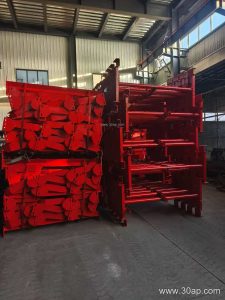
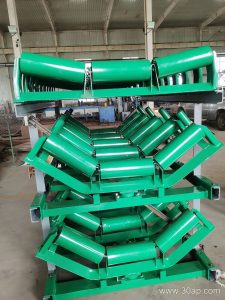
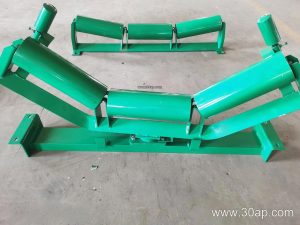
A Heavy-Duty Steel Conveyor Bracket is the structural support that holds idler rollers in the correct position beneath a conveyor belt. It carries the weight of the belt, the material load, and the dynamic forces of a running system. In a quarry, cement plant, or power plant coal yard, this steel bracket keeps trough idlers aligned so the belt forms a stable trough and material stays centered. When brackets are weak or poorly fitted, idlers shift, the belt misaligns, and spillage increases. For this reason, the bracket is often treated as a load-bearing component rather than a simple accessory.
How It Is Built
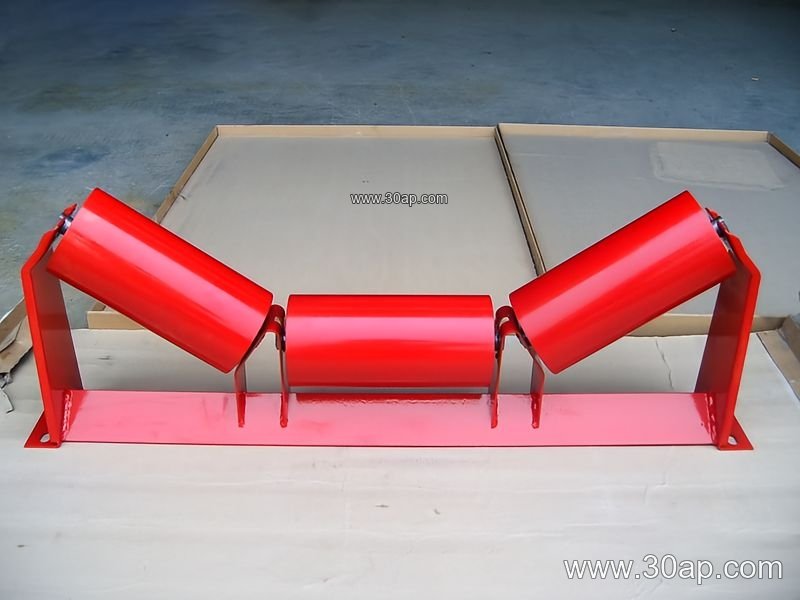
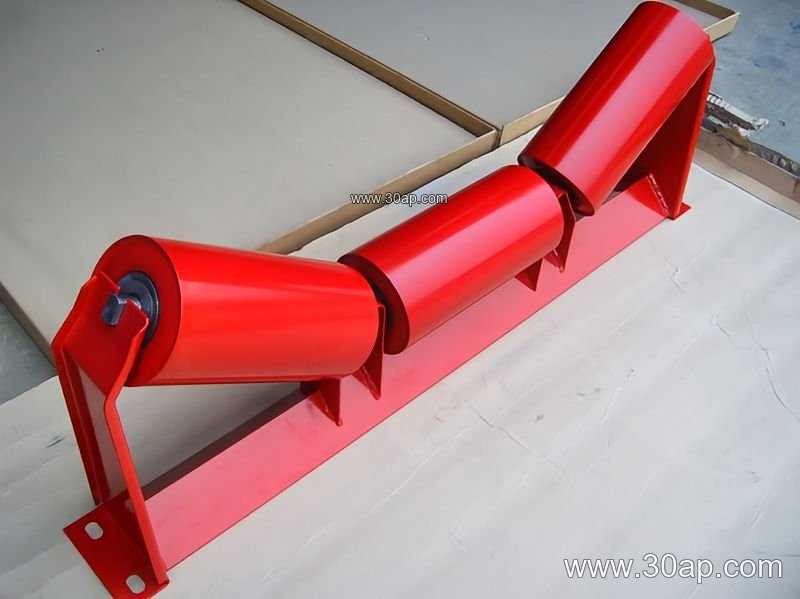
Manufacturers usually fabricate these brackets from angle steel, channel steel, or folded steel plate. The frame is welded or bolted into a rigid assembly, then drilled or slotted for idler mounting. A heavy-duty version uses thicker sections and reinforced joints to resist vibration, impact, and corrosion in dusty or wet conditions. Surface treatment may include painting, galvanizing, or coating, depending on the environment. The bracket geometry must match the idler frame and the belt width, so the mounting hole spacing and crossbeam length are determined by design rather than fixed values.
Common Structural Forms
- Trough bracket for carrying idlers on the upper run
- Transition bracket near pulleys where the belt changes shape
- Return bracket or V-return bracket under the lower run
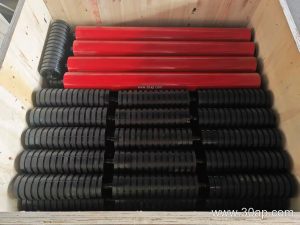
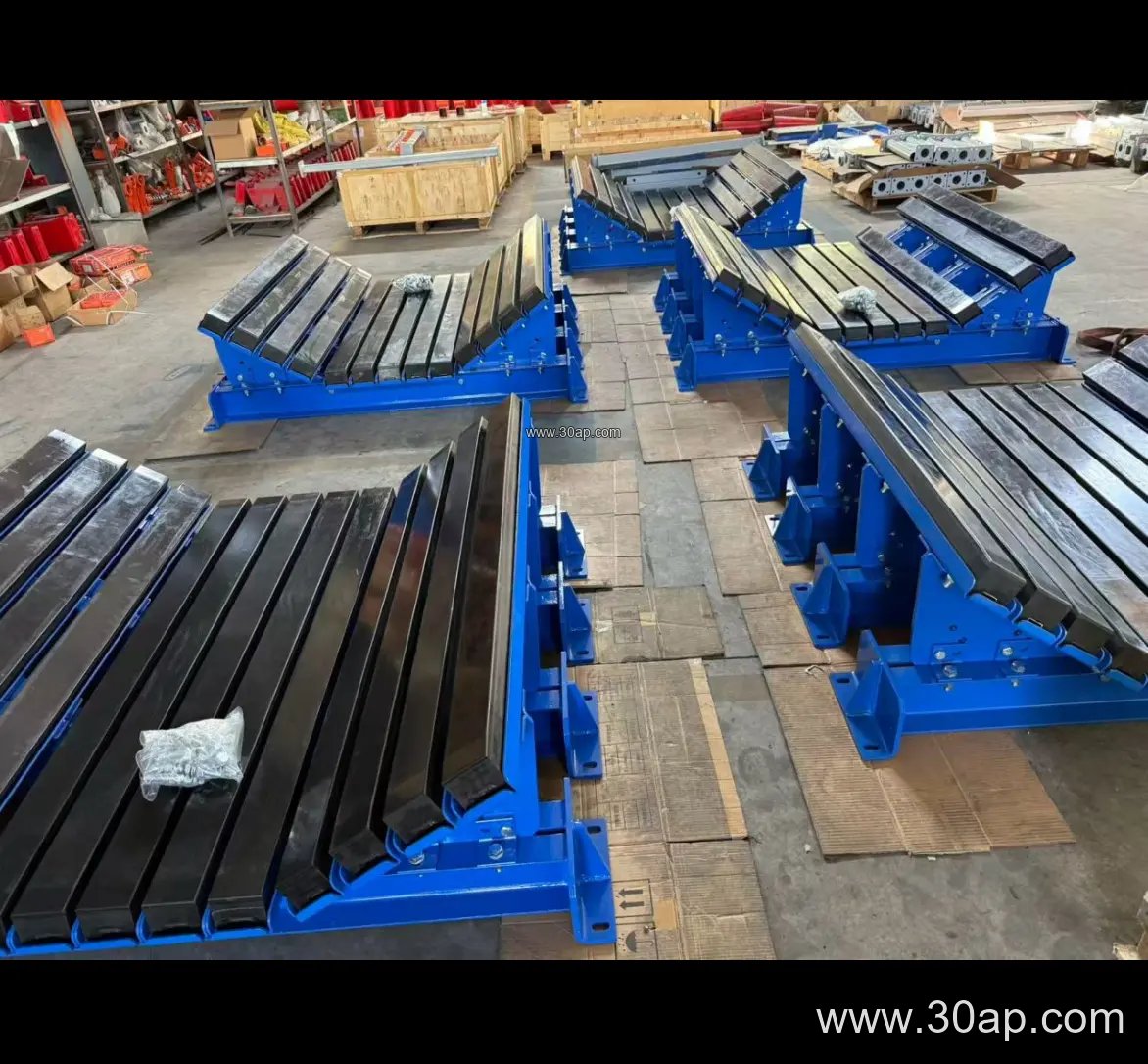
- Impact bracket with cushioning for loading zones
- Self-aligning bracket for belt tracking
- Adjustable bracket for changing trough angles
Self-aligning and adjustable designs are not interchangeable with the basic trough bracket; each solves a different problem. An adjustable bracket, for example, may allow trough angles between 20 and 45 degrees, while a fixed bracket is built for one angle.
Trough Angle, Belt Width, and Roller Diameter
The bracket must suit the belt and the idler set. Common belt widths include B500, B650, B800, B1000, B1200, B1400, B1600, B1800, B2000, B2200. Common trough angles are 20, 30, 35, and 45 degrees, and forward-tilted brackets often use about 1.5 to 2 degrees. Roller diameters such as Ø89, Ø108, Ø133, Ø159, and Ø194 are selected by load and belt speed, not by belt width alone. A combination like B800, 35 degrees, Ø108 or B1200, 45 degrees, Ø133 is a design choice, not a rule that excludes other pairings. Buyers should confirm the belt width, trough angle, roller diameter, and mounting dimensions before ordering.
| Parameter | Typical Options |
|---|---|
| Belt width | B500 to B2200 |
| Trough angle | 20°, 30°, 35°, 45° |
| Roller diameter | Ø89, Ø108, Ø133, Ø159, Ø194 |
| Material | Angle steel, channel steel, folded plate |
Where It Is Used
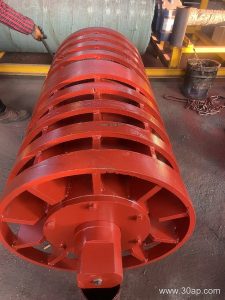
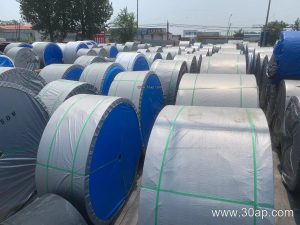
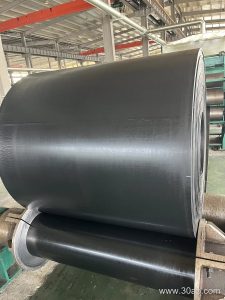
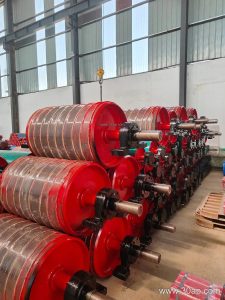
These brackets appear wherever bulk material moves on a belt. In a limestone quarry or sand and gravel line, they support crusher discharge belts and screening feed belts. In a coal washing plant or power plant coal handling system, they hold idlers under abrasive and sometimes flame-retardant belts. A Heavy-Duty Steel Conveyor Bracket is also common in cement plants, steel sintering lines, port ship loaders, and tunnel spoil removal. The belt itself may be a Rubber Conveyor Belt, an EP Conveyor Belt, or a Steel Cord Conveyor Belt, and the bracket must be matched to the belt load and the idler arrangement.
Buyer Checklist
Before purchase, check the bracket type, the belt width, the trough angle, and the roller diameter. Ask how the bracket connects to the conveyor frame and whether adjustment is needed for belt tracking. Confirm the steel grade and surface treatment for the site conditions, especially in wet or corrosive areas. Also verify that the bracket works with the chosen conveyor pulley and idler roller set, since a mismatch can cause vibration or premature wear. For related belt and roller information, visit conveyorbeltpro.com and review conveyor bracket options alongside the belt specification.