What an Assembled Pulley Is and How It Differs from a Bare Shell
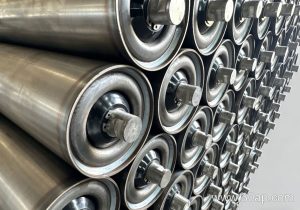
An assembled pulley is a complete, ready-to-mount conveyor pulley that arrives with the shell, shaft, end discs, bearing housings, and lagging already put together. Instead of sourcing a bare drum and then separately ordering shafts, bearings, and lagging, a buyer receives one unit that can be lifted into the conveyor frame and aligned. This is especially useful in aggregate plants, cement kilns, and coal handling facilities where downtime is expensive and site fabrication is limited.
While the term is often used interchangeably with “conveyor pulley,” the assembled version emphasizes the pre-built nature of the component. It is not a drive pulley, tail pulley, or bend pulley by default—those are functional roles determined by where the pulley sits in the conveyor. An assembled pulley can serve any of those positions, but the name itself refers to the finished, integrated assembly.
Construction Details That Affect Performance
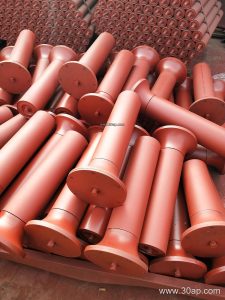
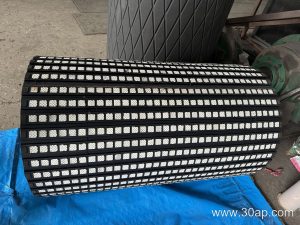
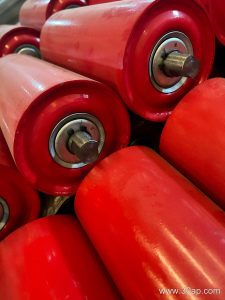
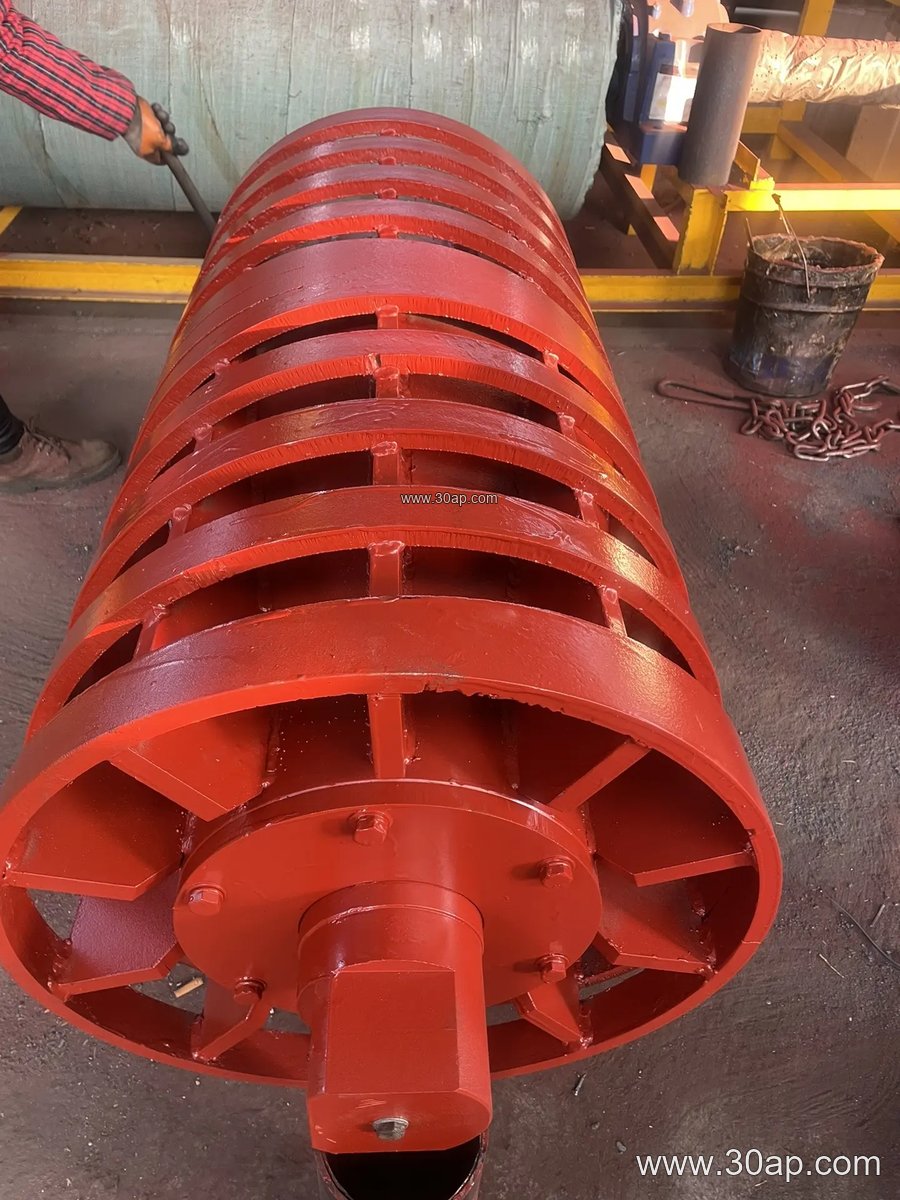
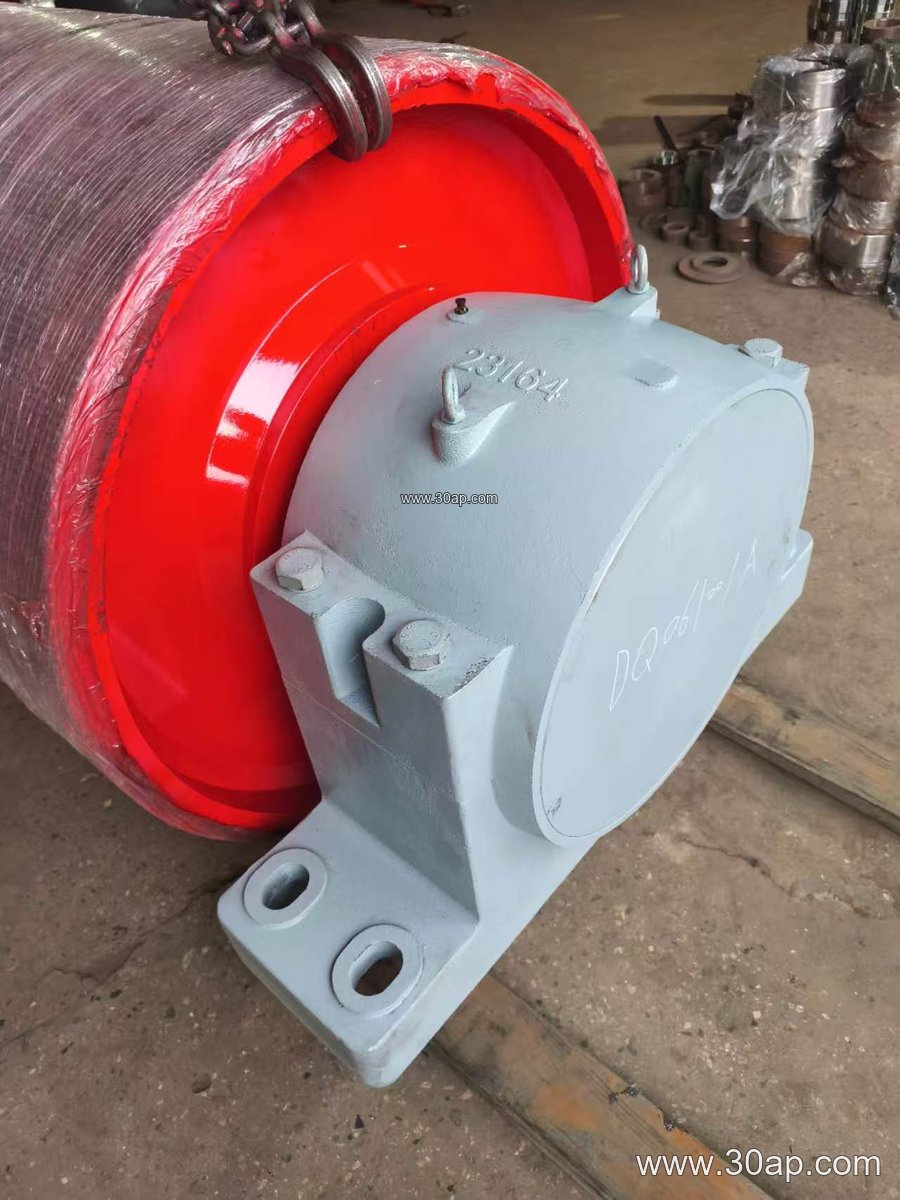
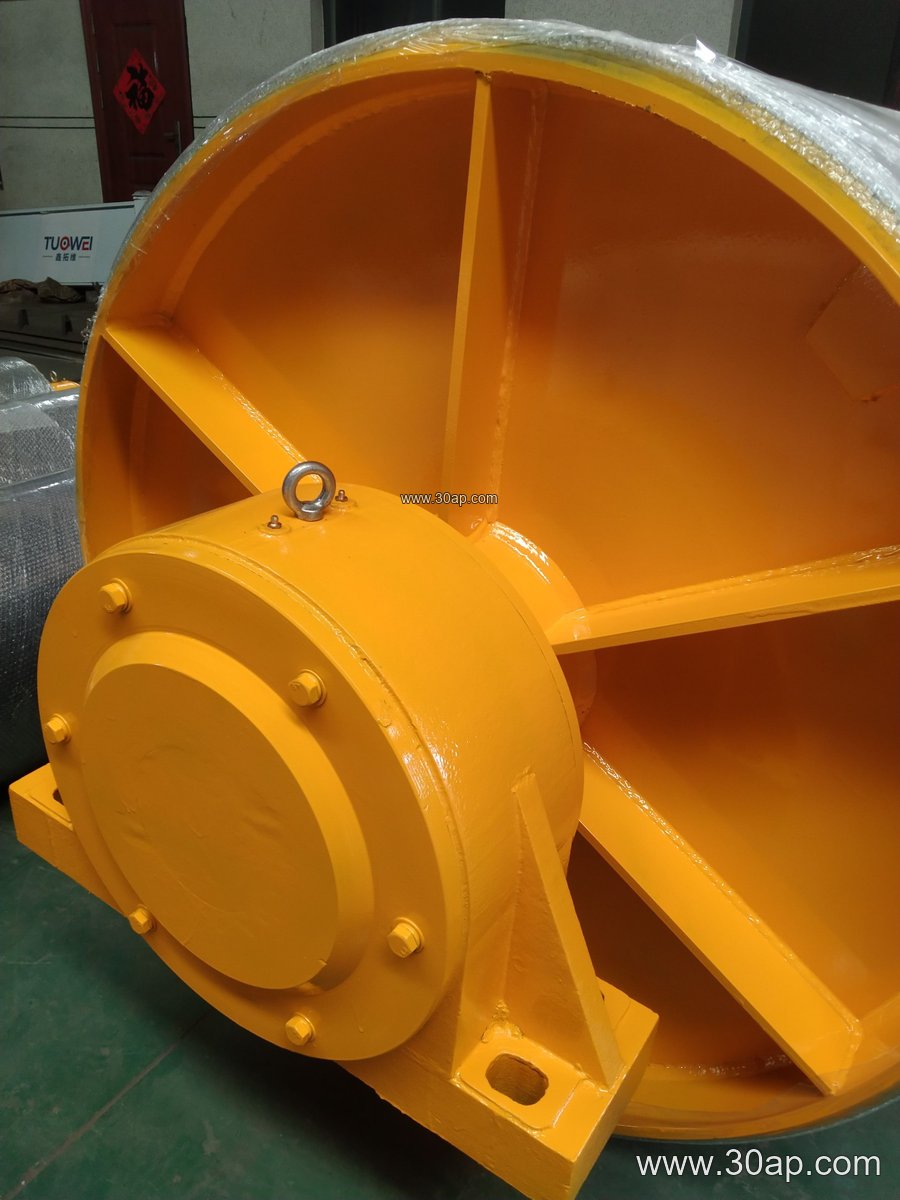
Most assembled pulleys use a welded steel shell with machined end discs. The shaft is typically keyed and may be through-shaft or stub-shaft design. Bearing housings are bolted or welded to the end discs, and the whole unit is dynamically balanced before shipment. Lagging—whether plain rubber, diamond pattern, or ceramic—is bonded to the shell to improve traction and protect the belt.
Common surface options include smooth, cast rubber, cold-bonded rubber, hot-vulcanized rubber, diamond lagging, herringbone lagging, and ceramic lagging. Lagging thickness often falls in the 8 mm to 20 mm range, with 10 mm and 12 mm being frequent choices for general bulk handling. The pulley face width is usually slightly wider than the belt it carries; for example, a B800 belt might run on a pulley with roughly 950 mm face width, while a B1200 belt could use about 1400 mm. These are reference relationships, not fixed rules—actual dimensions depend on the conveyor design.
Where Assembled Pulleys Are Used
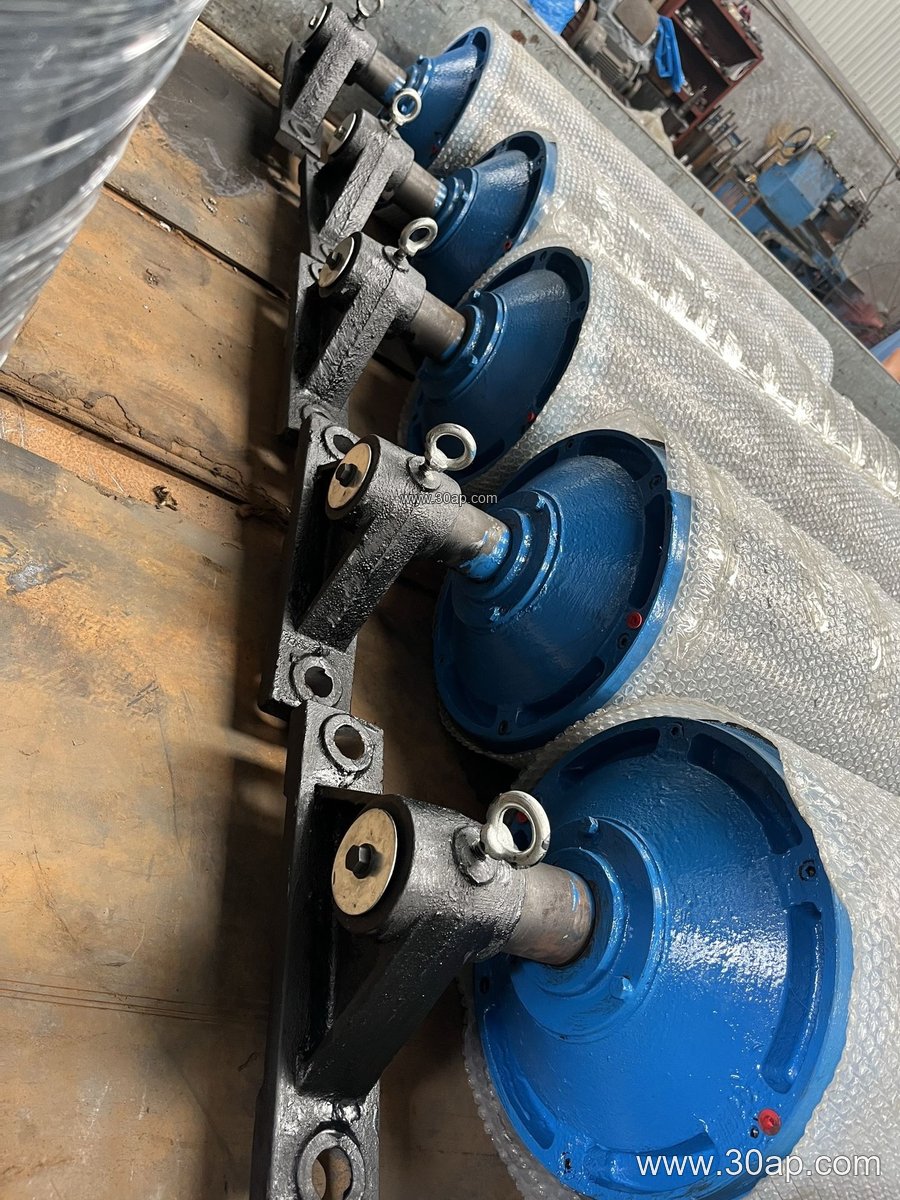
You will find assembled pulleys in quarry conveyors, limestone mines, iron ore operations, coal washing plants, power plant coal yards, and port bulk terminals. In a sand and gravel line, they may serve as head pulleys on a discharge conveyor or as bend pulleys on a transfer point. In a cement plant, they handle clinker and raw meal on heavy-duty belts. Underground coal mining conveyors also rely on robust pulley assemblies, often paired with flame retardant and anti-static belting for safety.
Because the pulley is pre-assembled, it suits projects where the conveyor frame is built to standard dimensions and the pulley can be dropped in without on-site welding of end discs or bearing seats. This can shorten installation time in tunnel excavation, recycling plants, and grain silos as well.
Key Parameters Buyers Should Confirm
When specifying an assembled pulley, the following data should be clarified with the supplier. The table below shows typical reference values—not mandatory selections.
| Parameter | Common Reference Range |
|---|---|
| Belt width (B) | B400 to B2400 |
| Pulley diameter (Ø) | Ø200 to Ø1800 |
| Shaft diameter | Ø50 to Ø200 (determined by torque and load) |
| Lagging thickness | 8, 10, 12, 15, 20 mm |
| Face width | Usually wider than belt width, e.g., B650 ≈ 750 mm, B1000 ≈ 1150 mm, B1400 ≈ 1600 mm |
Do not assume a fixed shaft diameter from belt width alone. Shaft sizing must follow the actual torque, radial load, and bearing life requirements. Similarly, one belt width can match several pulley diameters depending on belt speed, wrap angle, and tension.
Matching the Pulley to the Conveyor Belt
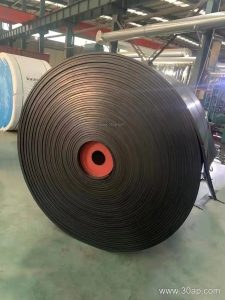
The assembled pulley works with the conveyor belt as a system. A high-tension belt such as a steel cord conveyor belt or a heavy-duty EP conveyor belt may require a larger diameter pulley to reduce bending stress. In coal mining, flame retardant conveyor belts and anti-static belts are common, and the pulley lagging should be compatible with the belt cover. For abrasive materials like iron ore or crushed rock, abrasion resistant conveyor belts pair well with ceramic or diamond lagging to extend pulley life.
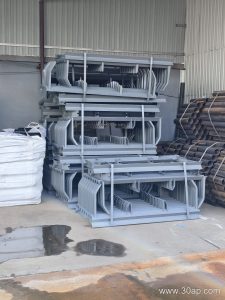
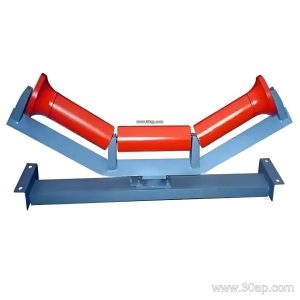
In food or chemical applications, oil resistant and heat resistant belts may be used, and the pulley surface should be selected to avoid slippage without damaging the belt. Remember that a pulley is not a substitute for proper belt tensioning or alignment; it is one part of the conveyor pulley assembly that includes bearings, brackets, and the conveyor bracket structure.
Buyer Checklist Before Ordering
- Confirm the pulley’s functional position: head, tail, bend, take-up, or snub.
- Provide belt width, belt type (e.g., EP1000, NN300, ST1600), and maximum belt tension.
- Specify required diameter and face width, or ask for a recommendation based on wrap angle and belt thickness.
- State the lagging type and thickness if traction or wear protection is critical.
- Check shaft diameter and bearing size against the conveyor bracket and idler roller layout.
- Request balancing grade and runout tolerances for high-speed applications.
For more information on compatible conveyor components, visit our site at www.example.com/conveyor-pulley or www.example.com/assembled-pulley. Our team can help you match the right assembled pulley to your belt and conveyor frame.