What a Conveyor Leg Does on a Belt System
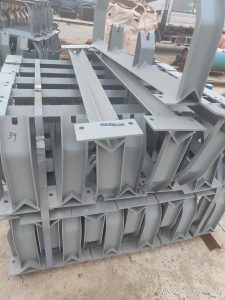
A conveyor leg is the vertical support that carries the load of a conveyor frame, its idler rollers, and the material on the belt. In a quarry or a power plant coal yard, these legs form the repeating bays that hold the stringers at the correct height and keep the whole structure aligned. A well-made leg does more than stand upright: it transfers vibration, impact, and belt tension safely into the ground or into a steel foundation.
The term is often used alongside the more general bracket family, but the leg is specifically the floor-standing column, while a conveyor bracket usually refers to the mounting piece that connects the idler to the frame. Both work together, and both affect how evenly a rubber conveyor belt runs.
How the Leg Is Built
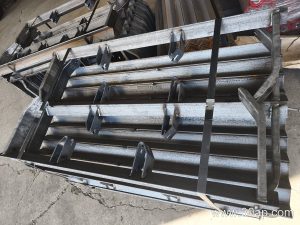
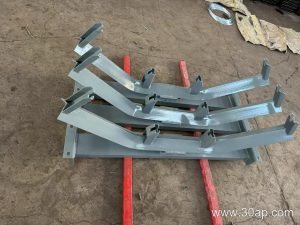
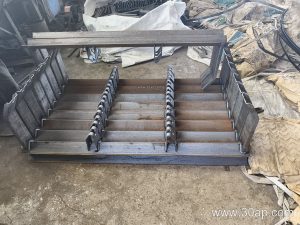
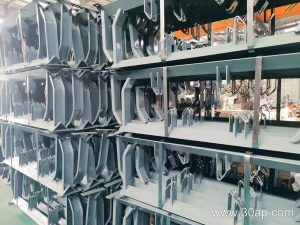
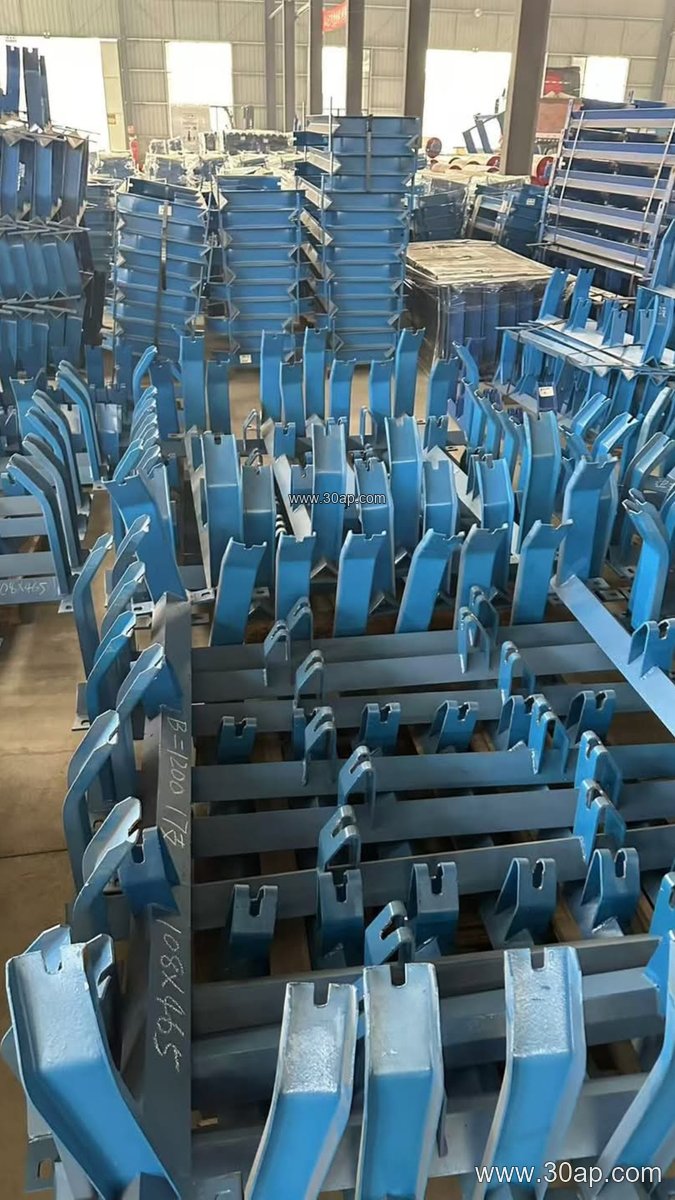
Most legs are fabricated from angle steel, channel steel, or folded steel plate, with a base plate for anchoring and a top plate drilled to match the frame or stringer. Height is set by design, and many units include slotted holes or threaded adjusters so the frame can be leveled after installation. On a typical aggregate conveyor, the leg pairs with a cross member and holds the troughing idlers at a set trough angle.
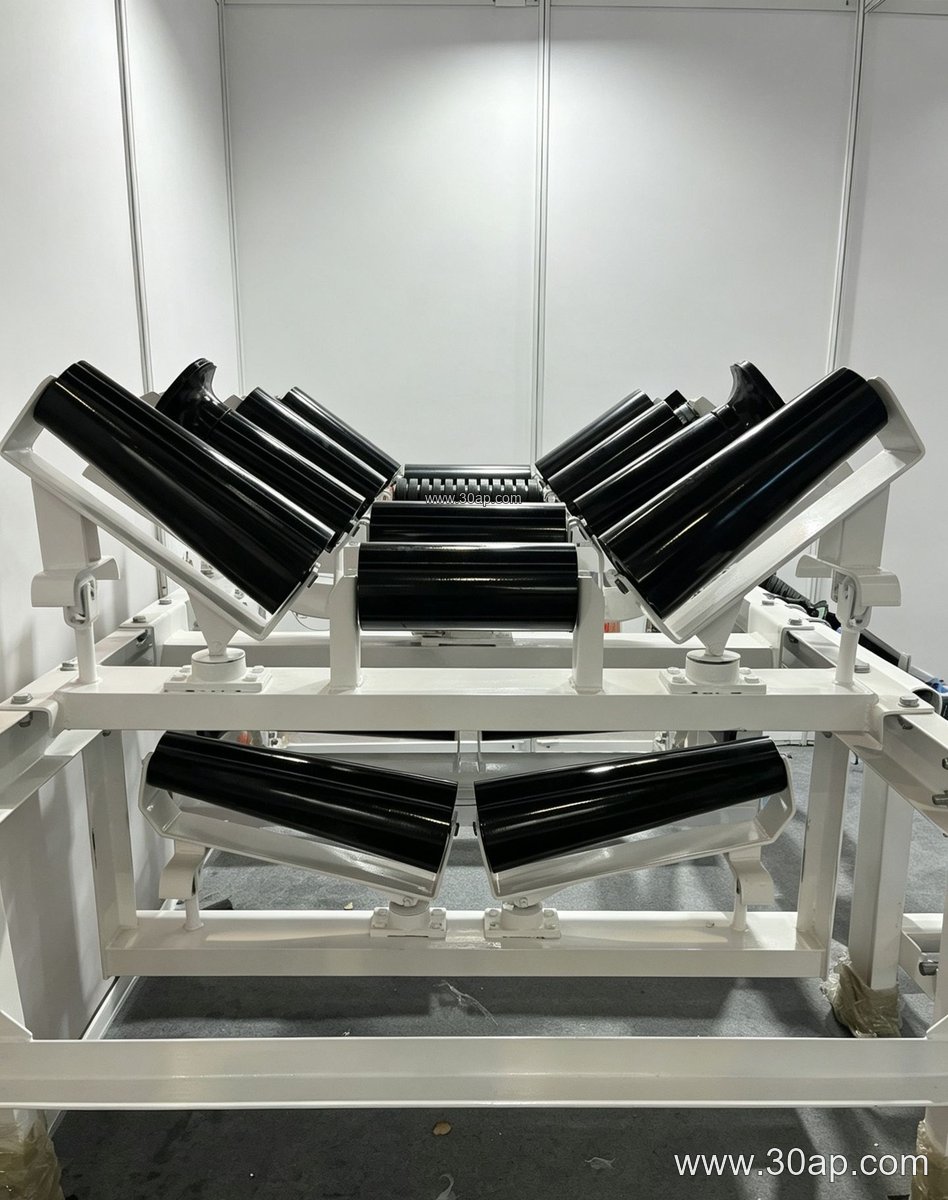
- Base plate with anchor holes for concrete or steel foundations
- Top plate or clevis matched to the stringer and frame
- Adjustable or fixed height, depending on the application
- Galvanized or painted finish for outdoor service
Material thickness and weld quality matter most where heavy ore conveyor belts and impact loads are present, such as under a crusher discharge.
Where Conveyor Legs Are Used
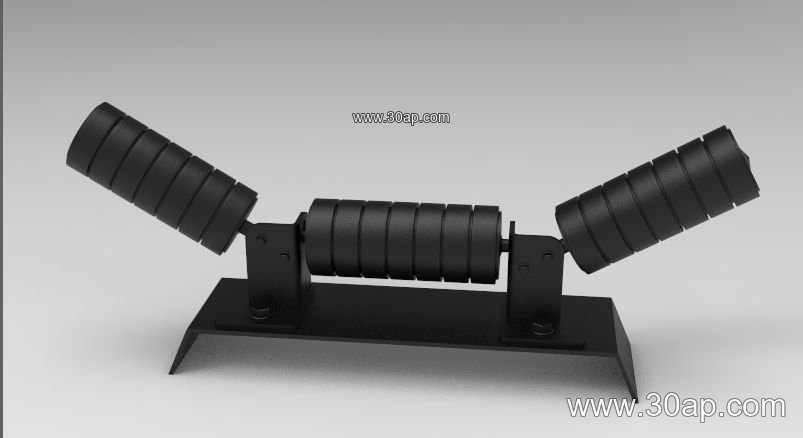
These supports appear in almost every bulk handling line. In a limestone quarry or sand and gravel plant, they hold the inclined and horizontal sections that move material from the crusher to the screening deck. In a power plant coal handling system, legs support the long transfer conveyors that feed the bunkers, often with flame retardant conveyor belt specified for safety. Cement plants, steel mills, and port ship loaders use the same principle, with heavier sections where the belt is wide and the load is high.
The support height and spacing are usually set by the conveyor profile, the belt width, and the weight of the material. A short transfer may need only a few legs, while a long overland line uses many bays at regular intervals.
Matching the Leg to Belt Width and Idler Size
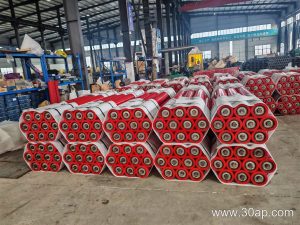
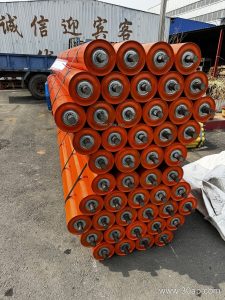
Buyers often ask how belt width relates to leg dimensions. The leg must fit the frame that carries the idlers, so the starting point is the belt width and the trough angle. Common belt widths range from B500 and B650 up to B2000 and B2200, and the frame, cross member, and leg height follow that choice. Idler diameter also influences the frame height, with common roller sizes including Ø89, Ø108, Ø133, Ø159, and Ø194.
The table below shows typical reference combinations. These are common examples, not fixed rules, and final dimensions should be confirmed against the conveyor design.
| Belt Width | Trough Angle | Idler Diameter | Typical Use |
|---|---|---|---|
| B650 | 30 degrees | Ø89 | Small aggregate line |
| B800 | 35 degrees | Ø108 | Quarry transfer |
| B1200 | 45 degrees | Ø133 | Power plant coal belt |
| B1400 | 35 degrees | Ø159 | Cement plant main line |
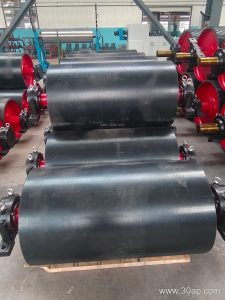
A wider belt such as a 1200mm or 1500mm conveyor belt does not automatically require one specific leg height, and no single pulley diameter is tied to one belt width. The frame design, load, and ground conditions decide the final support.
Adjustable Versus Fixed Supports
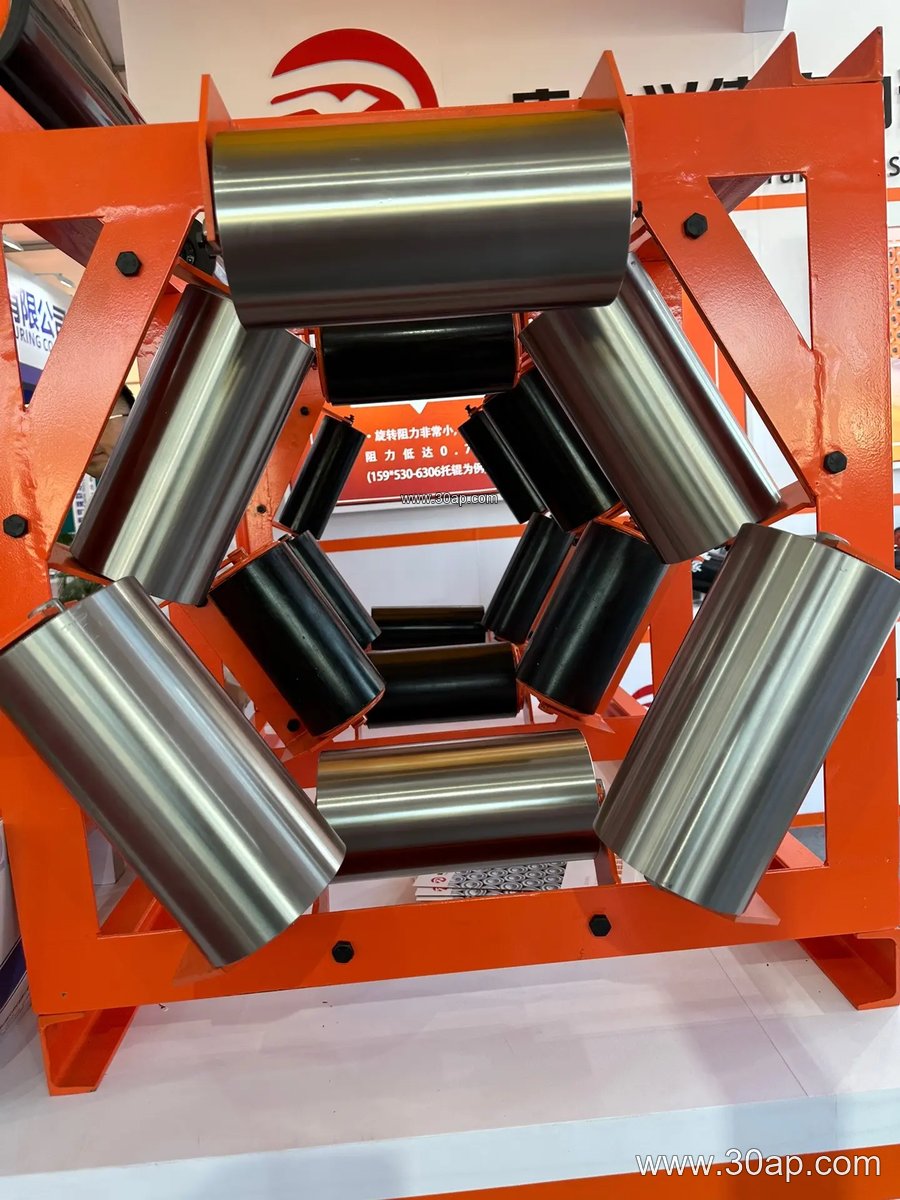
Fixed legs are simple and rigid, and they suit lines where the foundation is already level. Adjustable legs allow the frame to be raised or lowered during installation and are useful where the floor is uneven or where the belt path may change. In a tunnel or underground mining conveyor, adjustable supports help compensate for floor variation. Elsewhere, a transition support near the head or tail pulley may be fixed to hold a precise line.
Whichever type is chosen, the leg should be checked against the load from the belt, the material, and the idler rollers, especially where a steel cord conveyor belt carries heavy ore.
Buyer Checklist
- Confirm belt width, trough angle, and idler diameter before ordering
- Check the frame and stringer hole pattern, since hole spacing varies with width and angle
- Specify the finish and material thickness for outdoor or wet service
- Allow for anchoring and leveling on site
- Review support spacing with the conveyor designer, not as a fixed rule
For more on matching supports with belts and rollers, visit conveyorleg.com and review our notes on conveyor leg layouts for mining, cement, and port projects.