What a Spiral Idler Does on a Belt Conveyor
A spiral idler is a return-side roller whose shell carries a continuous helical winding instead of a plain smooth tube. This spiral roller, also called a helical return idler, sits under the carrying run and supports the returning conveyor belt while scraping away loose material that would otherwise stick to the belt surface and build up on the roller. In a quarry, a limestone mine or a cement plant, that self-cleaning action keeps the return strand tracking better and reduces the manual work of clearing fines from under the belt.
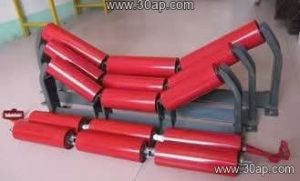
The spiral is not a substitute for a bend pulley, a drive pulley or a tail pulley. Those are conveyor pulleys that transmit motion or change belt direction, and they are not interchangeable with any idler. A spiral idler is a carrying component only, and it belongs to the return idler family alongside the flat return roller and the V-shaped return idler.
How the Spiral Idler Is Built
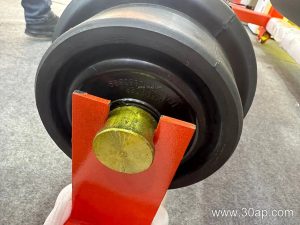
The body usually starts as a steel tube with a welded helical flight. The flight can be a flat strip or a formed profile, and the pitch and height of the helix affect how aggressively it sheds material. Shaft ends are machined to fit the conveyor bracket, and the bearing housing is sealed against dust and water. Common bearing sizes for return rollers include 6204, 6205, 6305, 6306 and 6308, but bearing choice should follow the calculated load and the shaft design rather than the belt width alone.
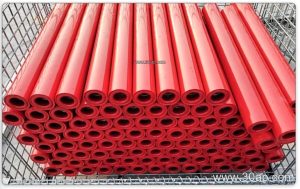
- Shell: steel tube, sometimes with a wear-resistant coating
- Flight: continuous spiral welded to the shell
- Bearing: sealed deep-groove ball bearing in a stamped or cast housing
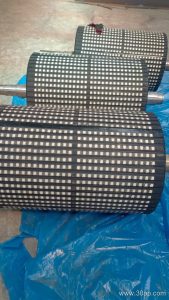
- Surface options: plain steel, rubber-covered or ceramic-faced variants for special duties
Because the helix is exposed, the spiral idler is often chosen where sticky or damp material is present. In a coal washing plant or a power plant coal handling line, fine dust and moisture can cling to a smooth return roller and form an eccentric lump. The spiral tends to break that layer loose as the belt runs.
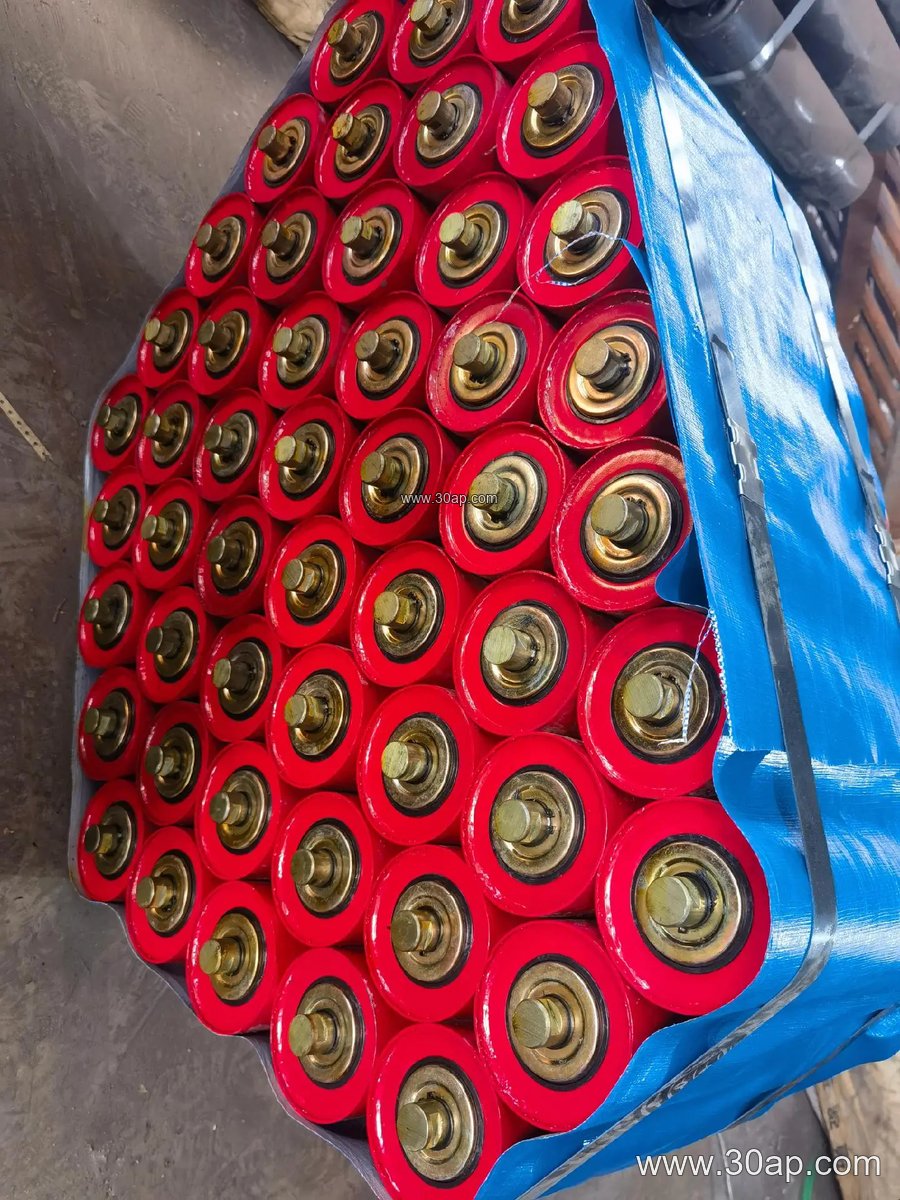
Where It Fits in the Conveyor Layout
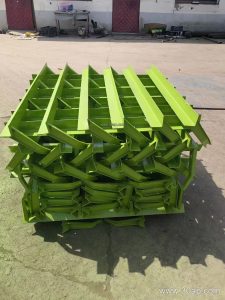
Spiral idlers are normally installed on the return run, spaced among the flat return idlers. They are not used as carrying idlers in a three-roll troughing set, and they do not replace transition idlers or impact idlers at the loading point. A typical arrangement might use a spiral roller every few return stations where carryback is worst, with plain return rollers elsewhere. The spiral idler can also appear on smaller belt conveyors in a sand and gravel line or a concrete batching plant where a compact, self-cleaning return support is useful.
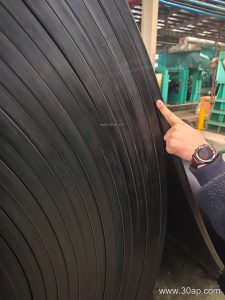
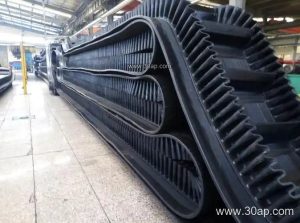
The belt itself matters. An abrasion resistant conveyor belt or a heavy-duty mining conveyor belt with a thick cover will tolerate the slight scrubbing action of the helix better than a thin, light-duty belt. On a steel cord conveyor belt running at high tension, the return idler spacing and load rating deserve more attention than the spiral feature alone.
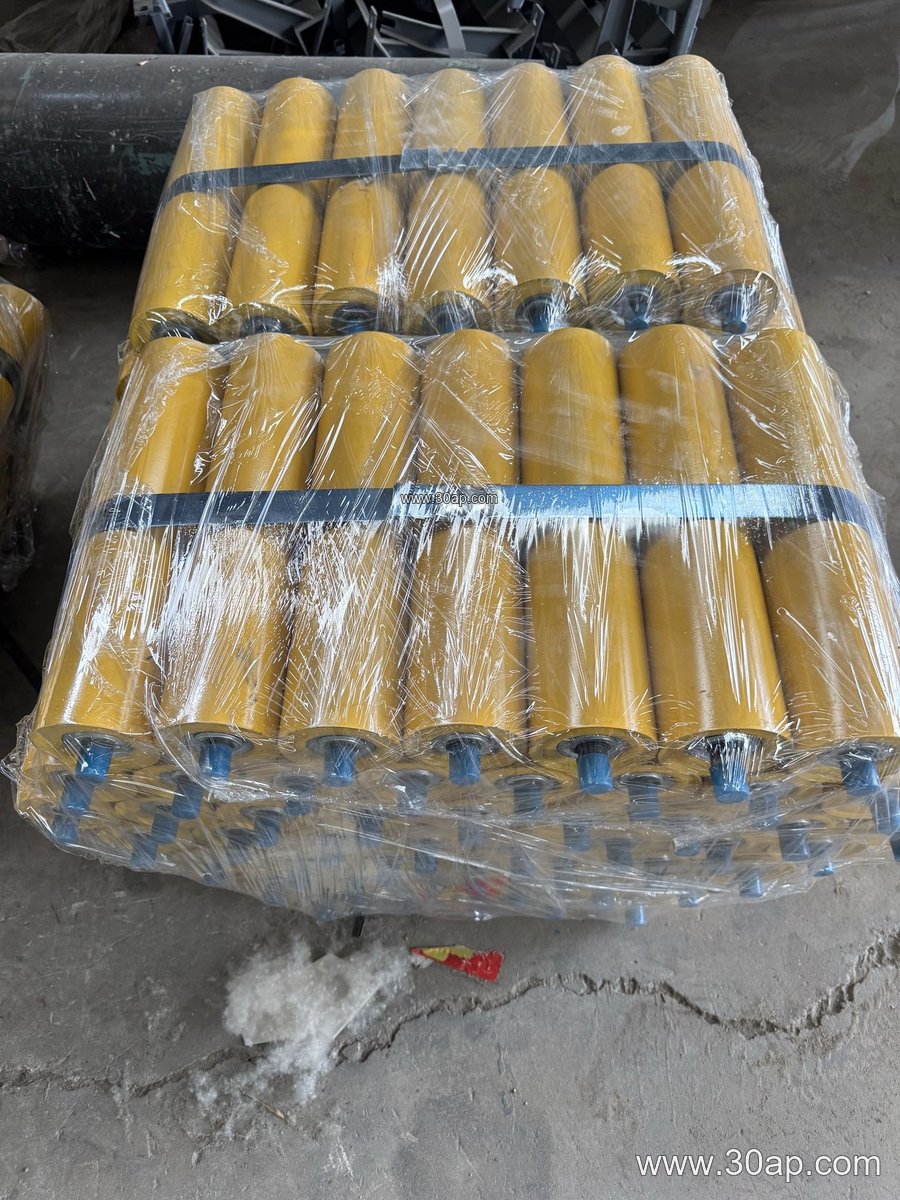
Matching Diameter, Belt Width and Roller Length
Return roller diameter is selected from the belt width, belt speed and load, not from a single fixed rule. Common return roller diameters include 89 mm, 102 mm, 108 mm, 127 mm, 133 mm and 159 mm. Wider belts generally call for larger shafts and bearings. Roller length follows the belt width and the frame design; for reference, a return roller on a B800 belt is often around 950 mm face length, on a B1000 belt around 1150 mm, and on a B1200 belt around 1400 mm, but these are design examples rather than fixed pairings.
| Parameter | Typical Range | Note |
|---|---|---|
| Roller diameter | 89 to 159 mm | Larger diameters for wider, faster belts |
| Belt width | B500 to B2000 | Match roller face length to frame |
| Bearing | 6204 to 6308 | Confirm by load calculation |
| Shell material | Steel tube | Coating optional |
There is no rule that one belt width can only match one pulley diameter, and the same applies to idlers. A B1000 conveyor might use 108 mm or 133 mm return rollers depending on the belt tension and the existing frame.
Selection and Maintenance Points for Buyers
Ask for the shaft diameter, bearing type, sealing arrangement and helix pitch, not just the roller diameter. Confirm that the spiral idler will fit the existing conveyor bracket and that the mounting height matches the neighboring return rollers, otherwise the belt will not sit evenly. Check whether the supplier offers a rubber-covered or ceramic-faced version if the material is highly abrasive.
During operation, watch for material buildup inside the helix, worn flight edges and bearing noise. A spiral idler that stops turning will flat-spot the belt cover quickly. Keep spare rollers on hand for critical lines in a copper ore or iron ore operation, and inspect the return run after any spillage event. For conveyors carrying hot material, confirm that the roller’s bearing lubricant and seals suit the ambient temperature before ordering.