What a Mining Idler Does on the Line
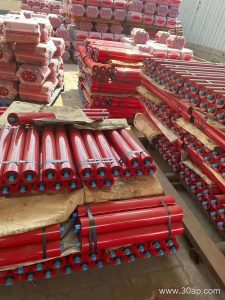
A mining idler is the rotating support that carries a loaded conveyor belt along the length of a conveyor. In hard-rock quarries, coal preparation plants, and ore handling circuits, these rollers bear the weight of the belt and the bulk material while keeping friction low. The idler roller is a simple assembly, but its reliability decides how often the line stops. A worn or seized idler can score the belt, raise power draw, and spill material at transfer points.
The job is straightforward: support the belt, guide it, and reduce drag. On a heavy-duty mining conveyor, hundreds of idlers work together, so small differences in seal quality or shell roundness add up over a shift.
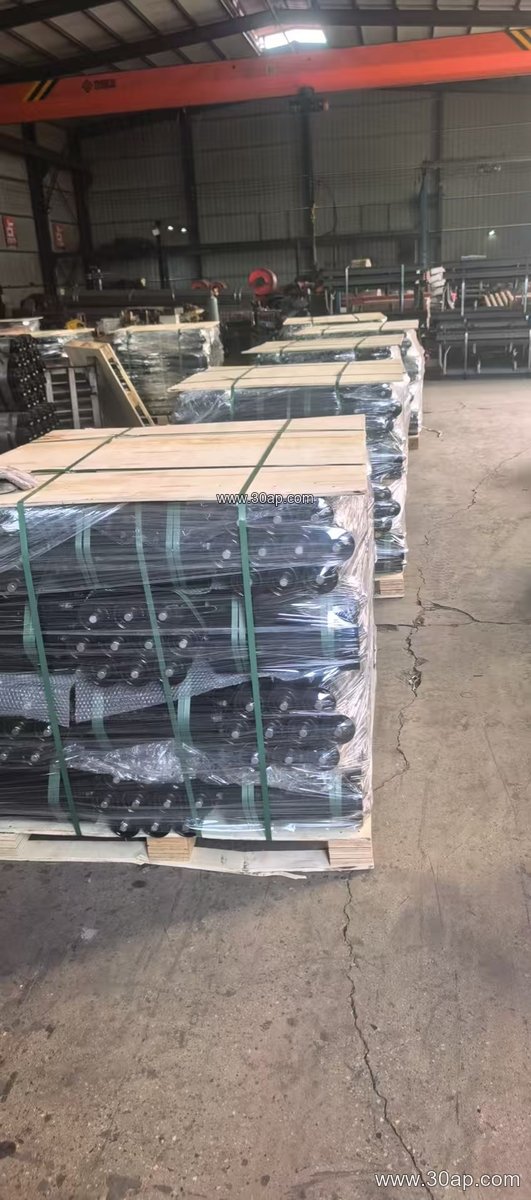
Construction of a Mining Idler
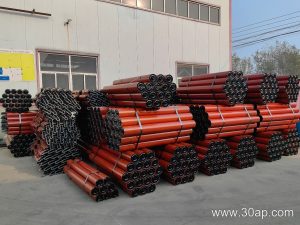
Most mining idlers share the same basic build: a steel tube shell, a shaft, bearing housings at each end, and a sealing arrangement. The shell is often machined for balance, and the shaft ends are flattened or drilled to fit the conveyor bracket. Common bearing sizes include 6204, 6205, 6305, 6306, 6308, and 6310, with the final choice depending on load and speed rather than belt width alone.
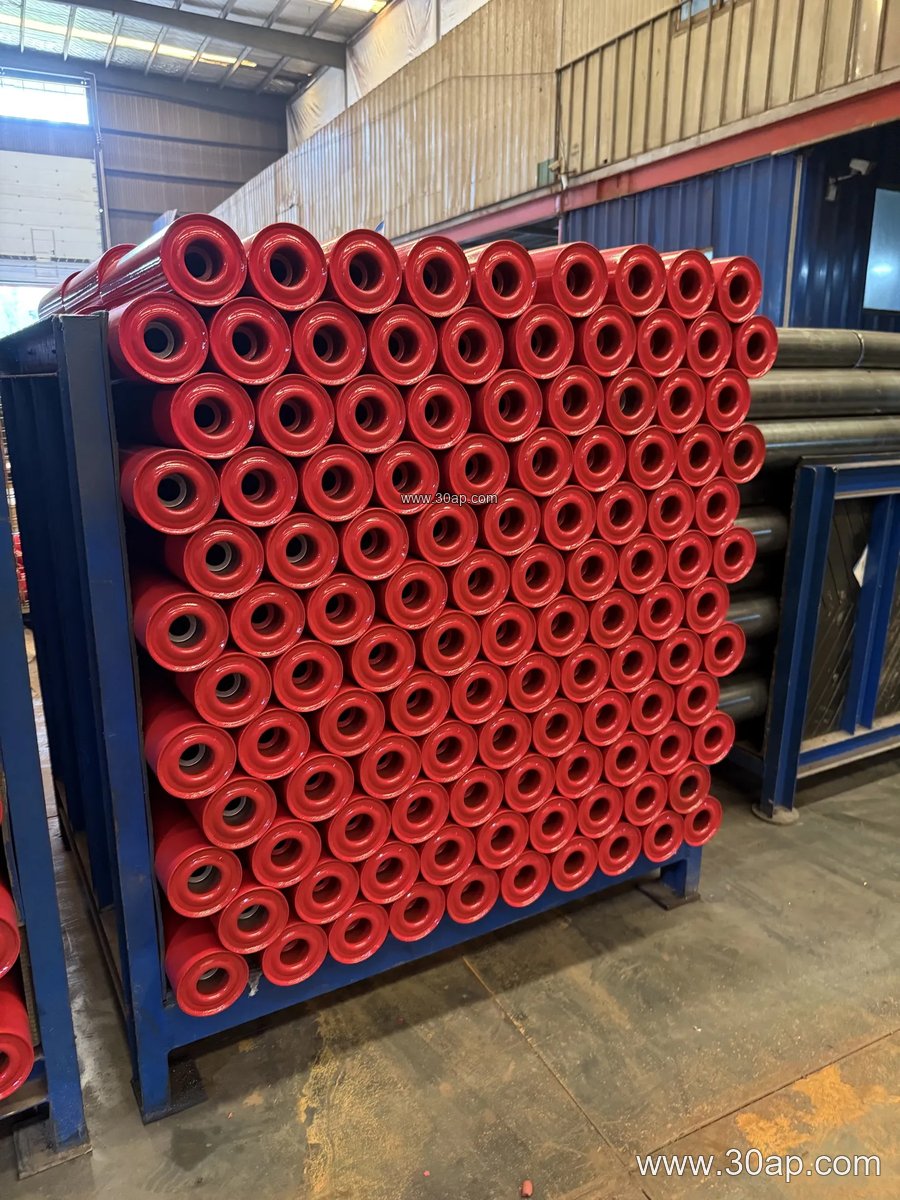
Surface form matters in dusty service. A plain steel shell suits many troughing positions, while a rubber ring or ceramic-covered roller can reduce build-up and wear in sticky or abrasive conditions. Seals are the quiet hero: a labyrinth or multi-stage seal keeps fines out of the bearing cavity, which is often the difference between a two-year idler and a six-month one.
Common Types and Where They Sit
Troughing idlers form the carrying side, usually in two- or three-roll sets with a trough angle of 20, 30, 35, or 45 degrees. Return idlers support the empty belt; flat and V-return designs are both common. Impact idlers with rubber rings sit under loading points to absorb the drop of ore or coal. Self-aligning idlers, including friction and tapered types, help correct belt drift on long runs.
- Troughing set: three rolls, common trough angles of 30 to 35 degrees
- Return set: single flat roll or V-shaped pair
- Impact set: rubber ring rolls beneath the chute
- Training set: friction or tapered rolls for belt tracking
Matching Roll Diameter and Belt Width
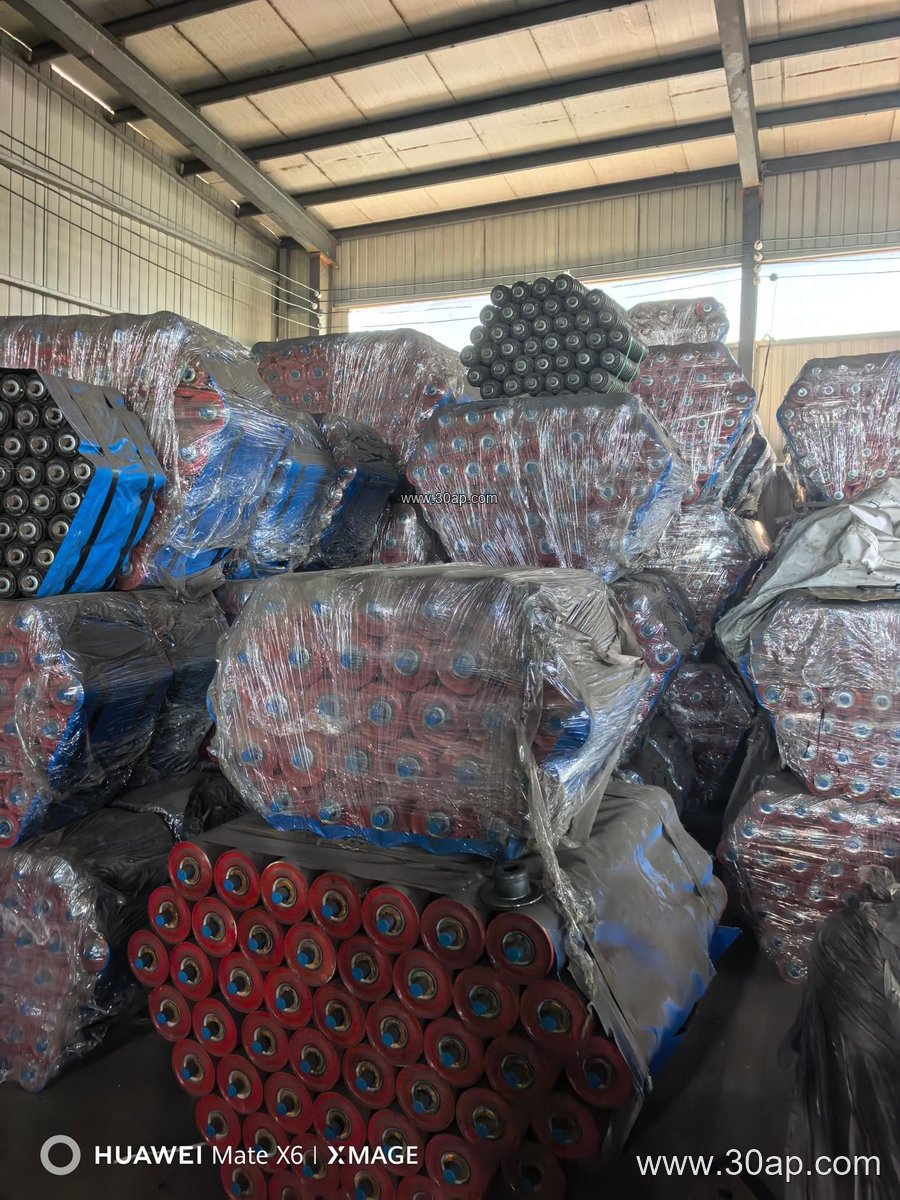
Roll diameter and belt width are related but not locked together. A B800 belt may run on Ø89 or Ø108 rolls depending on load, speed, and frame design. Typical diameters range from Ø63 up to Ø219, and roll length changes with belt width and trough form. For a three-roll troughing set, common roll lengths are roughly 200 mm at B500, 315 mm at B800, 465 mm at B1200, and 600 mm at B1600. These are examples, not fixed pairings; side rolls and center rolls can differ. A buyer should confirm the frame dimensions, shaft ends, and mounting centers before ordering.
| Belt width | Common roll length (three-roll trough) | Typical roll diameter range |
|---|---|---|
| B500 | about 200 mm | Ø63 to Ø89 |
| B800 | about 315 mm | Ø89 to Ø108 |
| B1200 | about 465 mm | Ø108 to Ø133 |
| B1600 | about 600 mm | Ø133 to Ø159 |
On the belt side, the idler must suit the conveyor belt it carries. A steel cord conveyor belt or a heavy-duty mining conveyor belt with high tension needs sturdy rolls and well-spaced frames, while an abrasion resistant conveyor belt in a quarry may call for ceramic or rubber-covered rolls at the load zone. In coal mining, a flame retardant conveyor belt is common, and idler selection should match the same fire-safety expectations for the whole conveyor.
Industries and Duty Cycles
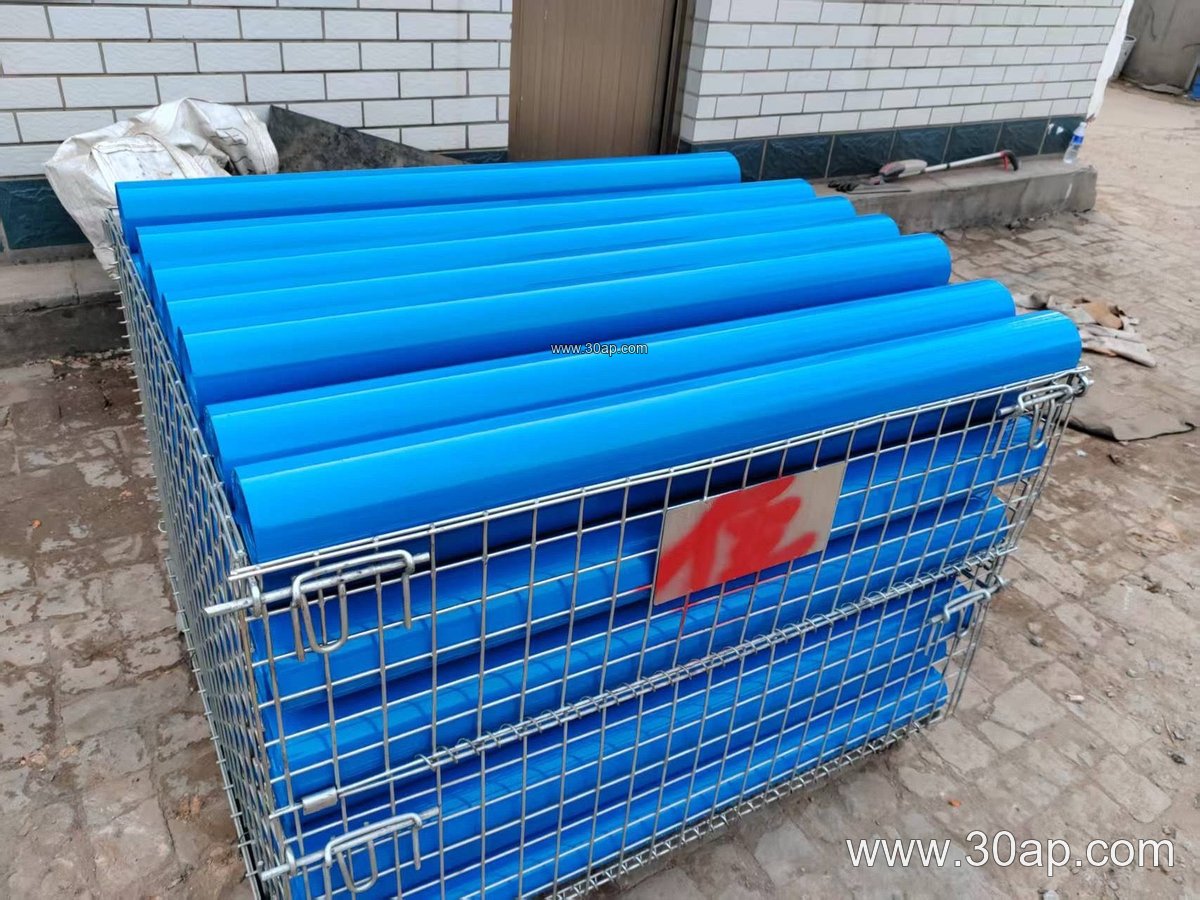
Mining idlers appear across bulk handling: iron ore and copper ore lines, limestone quarries, cement plants, power plant coal yards, and aggregate crushing circuits. In a sand and gravel plant, troughing idlers on the primary belt see sharp, abrasive rock; in a coal preparation plant, return idlers may face wet fines that cling to the shell. The duty cycle matters as much as the material. Continuous operation at high speed favors balanced shells and low-drag seals, while start-stop service puts more stress on bearings and shafts.
Where the conveyor uses a corrugated sidewall conveyor belt or a chevron conveyor belt, idler spacing and roll profile should be checked so the cleats or ribs pass without rubbing. The same care applies near a skirted conveyor belt at the transfer chute.
Buyer Checklist Before Ordering
- Confirm belt width, trough angle, and frame mounting centers.
- State the roll diameter and required shaft end type.
- Describe the environment: dust, moisture, temperature, or oil exposure.
- Ask about seal design and bearing size, not just shell thickness.
- Check that the idler matches the conveyor pulley and bracket dimensions on site.
A well-chosen mining idler keeps the belt tracking straight, protects the belt cover, and holds downtime down. Buyers who treat roll diameter, seal quality, and frame fit as one decision usually get longer service from the whole conveyor. For more on matching idlers with conveyor belts and pulleys, visit conveyoridler.cn.