Understanding the EP Fabric Core Conveyor Belt
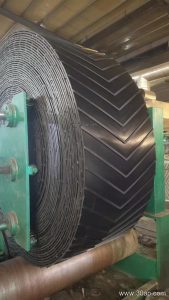
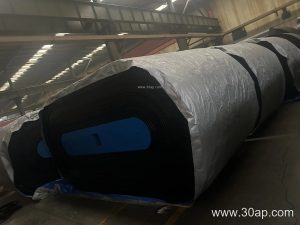
An EP Fabric Core Conveyor Belt is a heavy-duty rubber belt built around a carcass of polyester warp threads and polyamide weft threads, often referred to as an EP carcass. This construction gives the belt high tensile strength, low elongation under load, and good resistance to impact and flex fatigue. It is a common choice for moving bulk materials in mining, coal preparation, cement production, power generation, and aggregate processing.
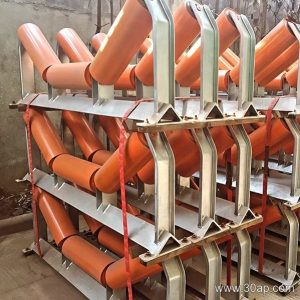
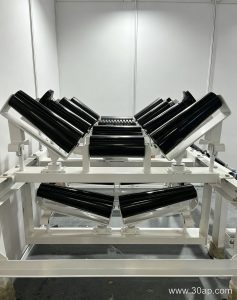
The belt’s design balances strength and flexibility, making it suitable for medium to long conveying distances and for systems that use idler rollers, conveyor pulleys, and conveyor brackets to guide and support the belt path.
Construction and Key Components
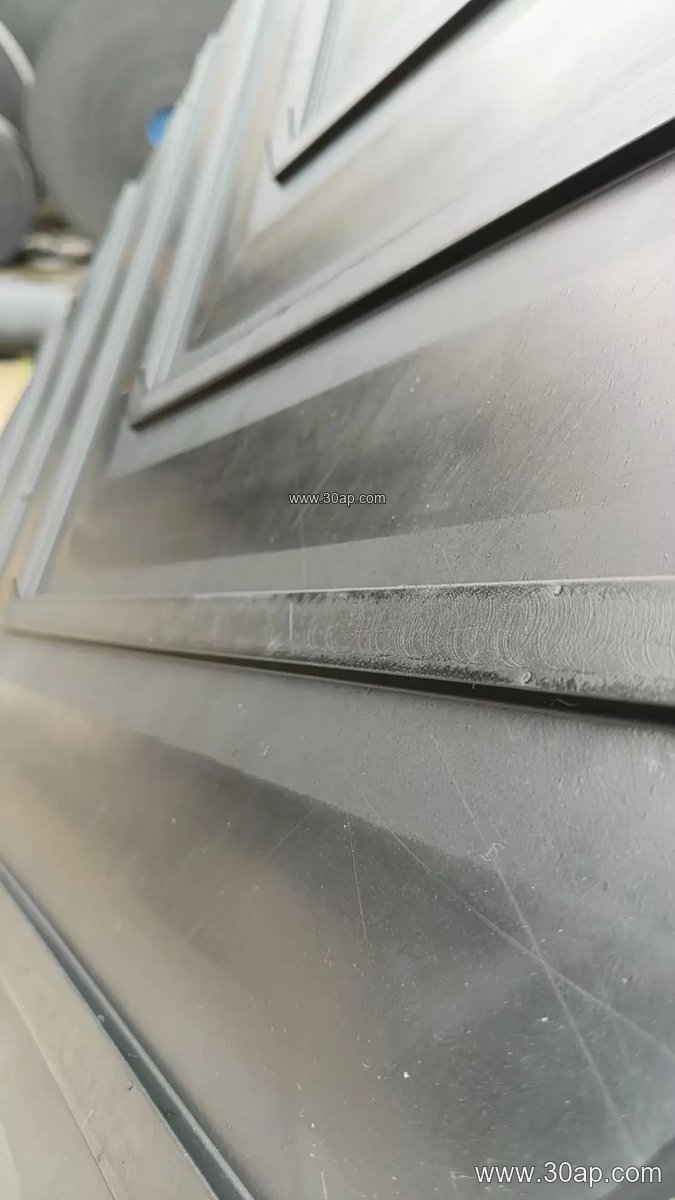
The EP carcass consists of multiple fabric plies bonded with rubber. The number of plies typically ranges from 2 to 6, depending on the required strength. The top and bottom covers protect the carcass from abrasion, moisture, and material impact. Cover thickness is often specified in combinations such as 3+1.5 mm, 4+2 mm, 5+2 mm, 6+2 mm, or 8+3 mm, with the first number indicating the top cover and the second the bottom cover.
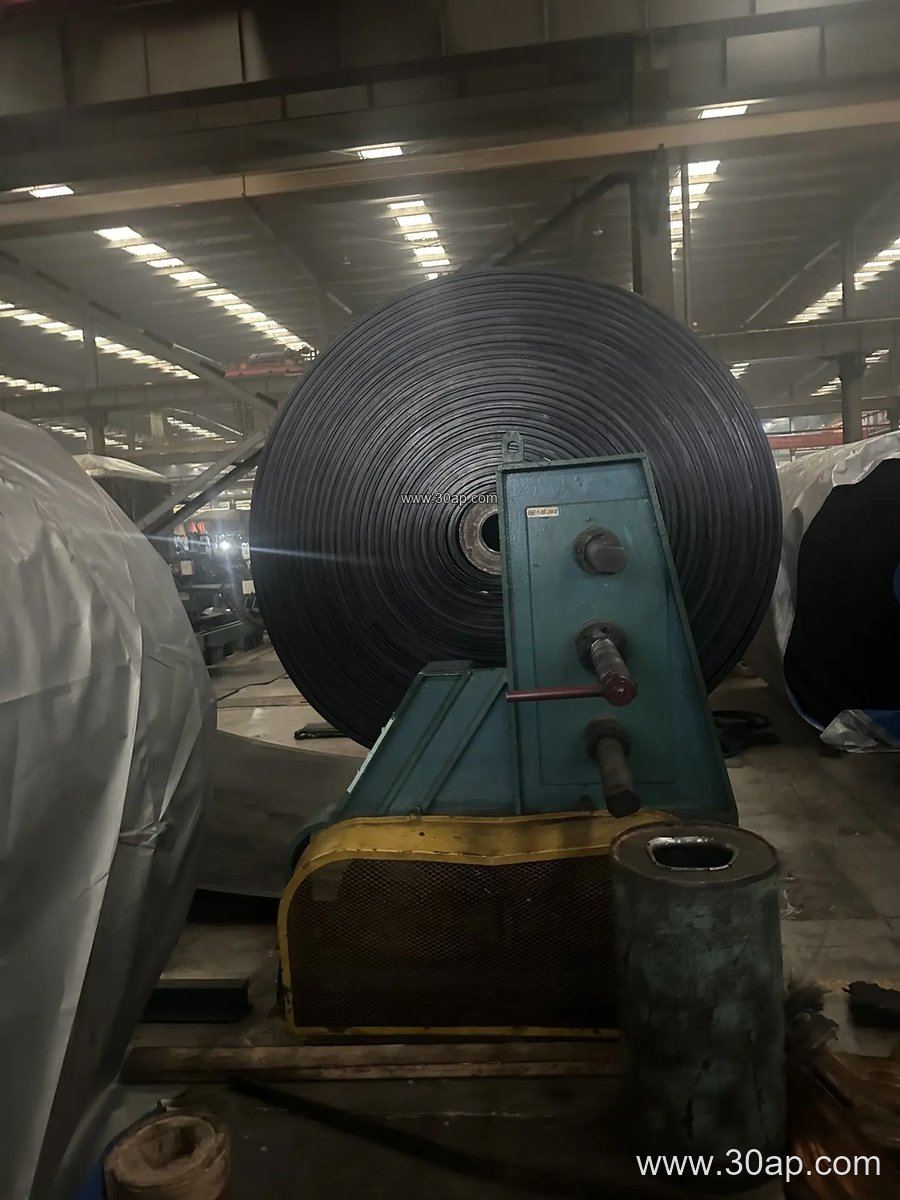
The rubber covers can be formulated for specific service conditions. For example, an abrasion resistant conveyor belt is common in quarry and aggregate operations, while a heat resistant conveyor belt suits cement clinker or foundry sand. A flame retardant conveyor belt is frequently used in underground coal mining, and an oil resistant conveyor belt handles oily or greasy materials. Anti-static properties are also available for hazardous environments.
Typical Applications Across Industries
EP fabric core belts are widely used in:
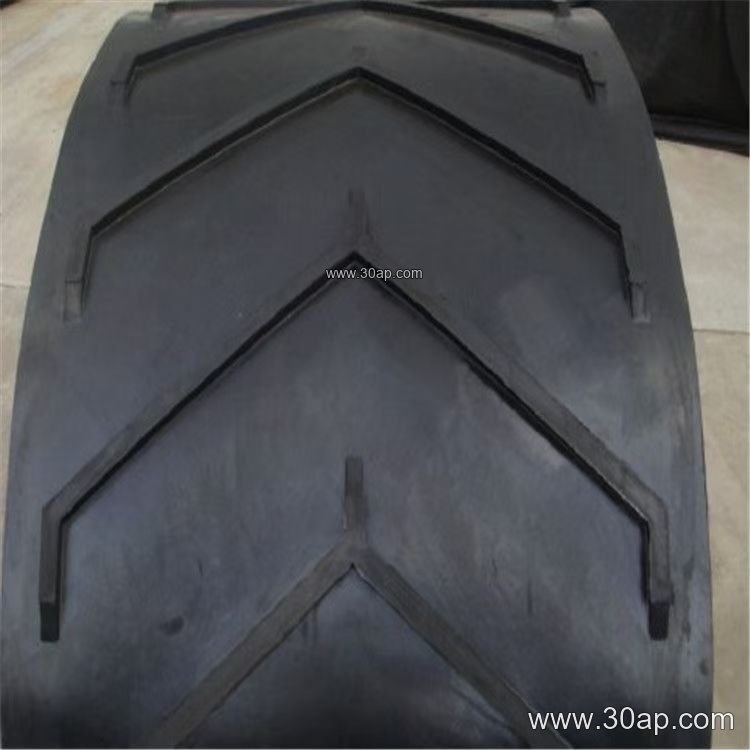
- Mining and mineral processing, including iron ore, copper ore, and gold mining operations
- Coal mining and underground coal mining conveyors
- Cement plants and power plants for raw material and fuel handling
- Quarries, sand making plants, and stone crushing lines
- Ports and ship loading facilities for bulk material transfer
- Steel plants and recycling facilities
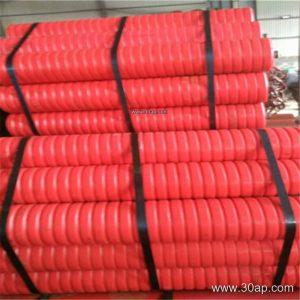
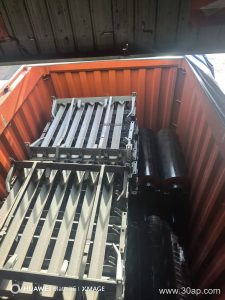
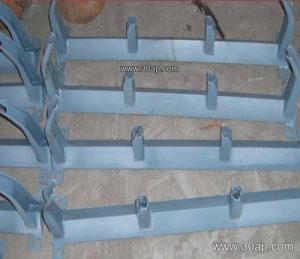
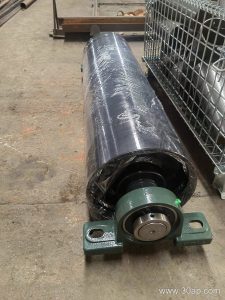
In these settings, the belt works with conveyor pulleys, idler rollers, and conveyor brackets to form a complete conveying system. For special material paths, a pipe conveyor belt or a corrugated sidewall conveyor belt may be considered, but the EP fabric core belt remains the standard workhorse for straight or gently curved runs.
Strength Grades and Size Ranges
EP conveyor belts are available in several strength grades to match the load and tension requirements of a conveyor. Common nominal strengths include EP200, EP315, EP400, EP500, EP630, EP800, EP1000, EP1250, EP1600, and EP2000. These values are reference figures; actual selection depends on the conveyor design, material weight, and operating conditions. Belt widths commonly range from 500 mm to 2000 mm, with wider belts available for high-capacity systems.
| Parameter | Common Range or Example |
|---|---|
| Strength grade | EP200, EP400, EP630, EP800, EP1000, EP1250, EP1600 |
| Number of plies | 2 to 6 |
| Belt width | 500 mm, 650 mm, 800 mm, 1000 mm, 1200 mm, 1400 mm, 1600 mm, 1800 mm, 2000 mm |
| Cover thickness (top + bottom) | 3+1.5 mm, 4+2 mm, 5+2 mm, 6+2 mm, 8+3 mm |
These figures are typical references and should be confirmed with the belt manufacturer for a specific project.
Selection and Maintenance Notes
When choosing an EP fabric core conveyor belt, consider the material being conveyed, the required tensile strength, the pulley diameters, and the environmental conditions. A belt that is too stiff for the pulley size may crack or delaminate, so matching belt flexibility to the conveyor layout is important. The drive pulley, tail pulley, and bend pulleys each affect belt tracking and tension, and they should be checked as part of the system design.
Routine inspection of the belt surface, edges, and splices helps prevent unexpected downtime. Keeping idler rollers turning freely and maintaining proper alignment of conveyor brackets reduce edge wear and extend belt life. For high-abrasion service, a high abrasion resistant conveyor belt grade may be beneficial; for cold climates, a cold resistant conveyor belt can prevent cracking.
For more information on EP conveyor belts and related components, visit rubberbeltconveyor.com or ztconveyorbelt.com to explore conveyor belt, idler roller, and conveyor pulley options for mining, cement, and power plant applications.