Understanding the Power Plant Conveyor Idler
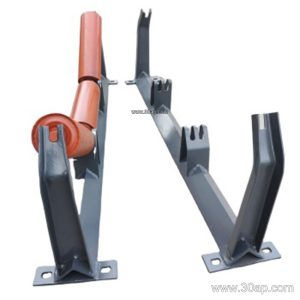
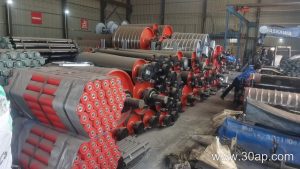
A power plant conveyor idler is the rotating component that supports the conveyor belt along its route, typically in coal handling, ash removal, or biomass fuel supply systems. Often called a conveyor roller or idler roller, this part is mounted on a frame or conveyor bracket and turns as the belt moves. In a typical coal-fired plant, hundreds of these units keep the belt aligned and reduce friction, directly affecting energy use and belt life. The belt itself might be a flame retardant conveyor belt or a heat resistant conveyor belt for high-temperature zones, and the idlers must match that environment.
Construction and Key Components
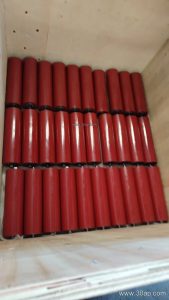
Most power plant conveyor idlers use a steel tube shell with bearing housings at each end. The shell can be plain steel, nylon-coated, or fitted with rubber rings for impact absorption. Bearings such as 6204, 6205, or 6308 are common, chosen according to load and speed, not simply matched to a single diameter. Sealing is critical in dusty plant conditions: labyrinth seals or contact seals protect the bearing from coal dust and ash. The shaft, bearing, and shell are assembled as a unit that must run true to avoid belt tracking problems.
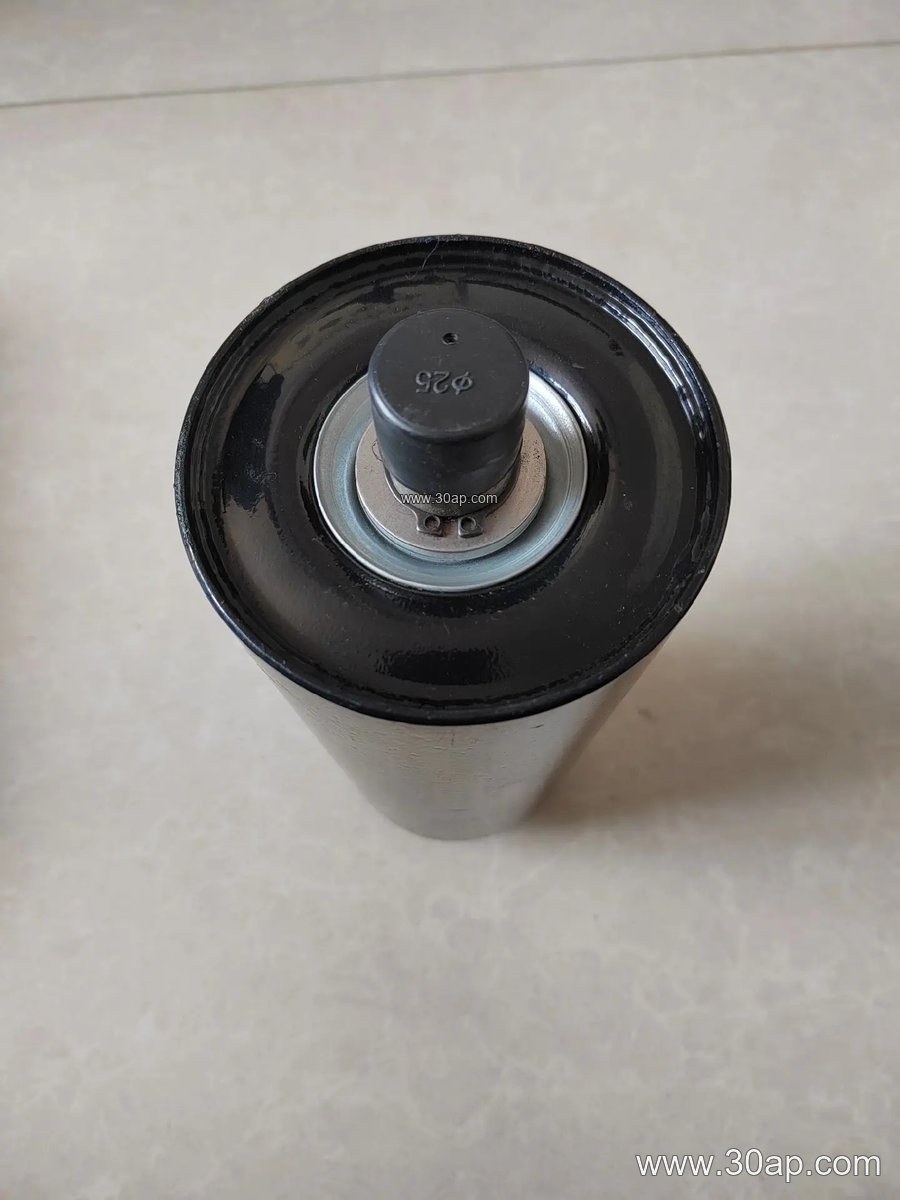
Where They Fit in the Conveyor System
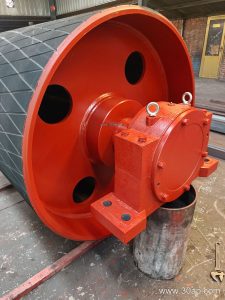
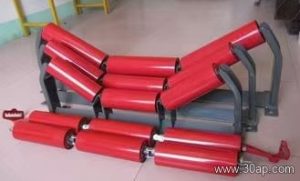
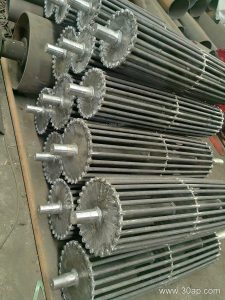
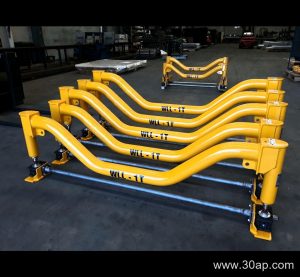
In a power plant, idlers appear in several positions. Carrying idlers on the top run support the loaded belt, often in a three-roll troughing set with a 30 or 35 degree trough angle. Return idlers support the empty belt on the bottom run. Impact idlers with rubber rings sit under the loading point where coal drops onto the belt. Transition idlers ease the belt from flat to troughed shape near the tail pulley. Alignment idlers, including friction and cone types, help correct belt drift on long runs. Note that these are idlers, not drive pulleys or tail pulleys, which serve different functions.
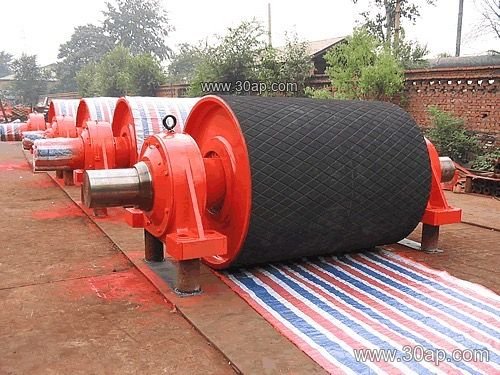
Common Sizes and Configurations
Idler diameter and belt width are linked through the conveyor design, not a fixed table. For reference, common roller diameters include 89 mm, 108 mm, 133 mm, 159 mm, and 178 mm. Belt widths such as B800, B1000, B1200, and B1400 are typical in plant coal lines, though wider belts exist. Roll length varies with belt width, trough angle, and roll position; for a three-roll troughing set, a B1000 belt often uses a center roll around 380 mm long, but side rolls differ. The table below lists representative examples only:
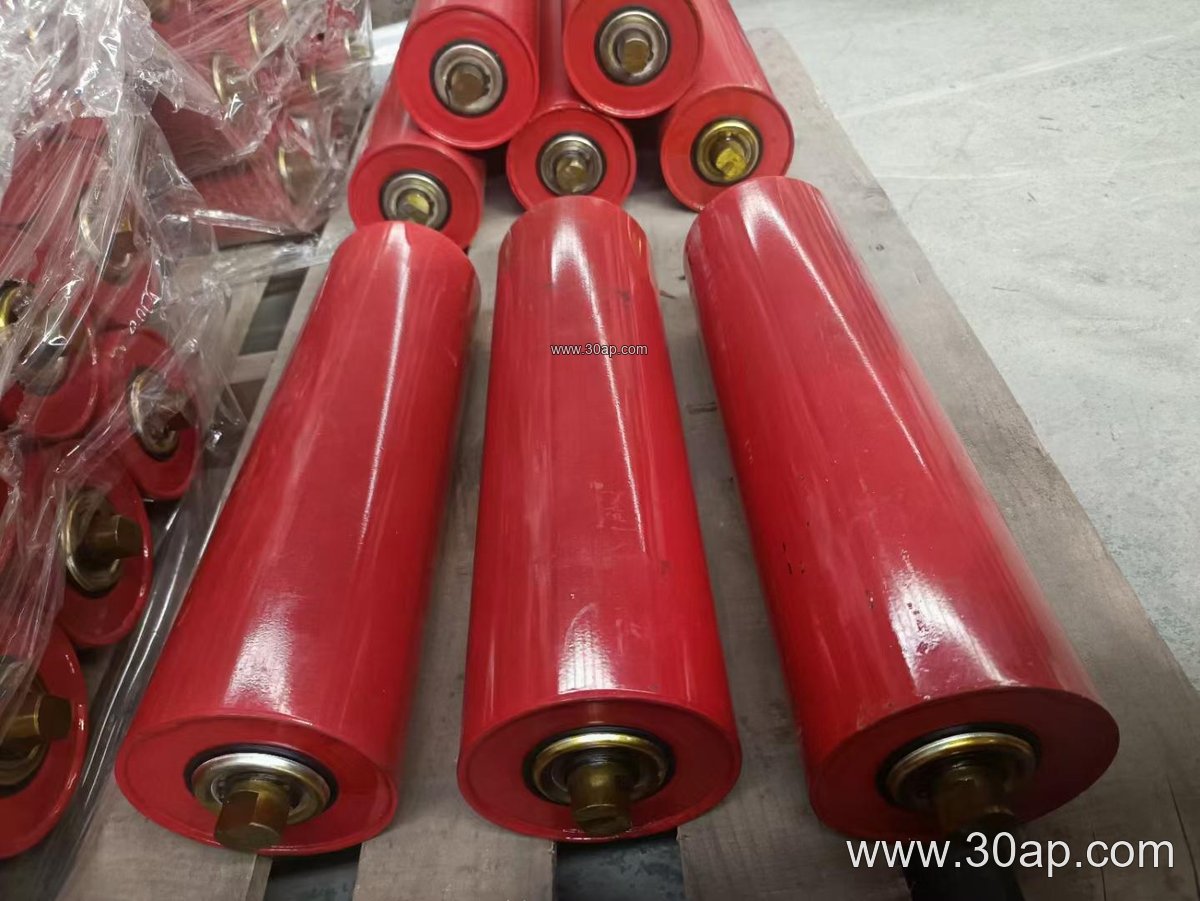
| Belt Width | Typical Roll Diameter | Common Trough Angle | Typical Bearing |
|---|---|---|---|
| B800 | 89 mm or 108 mm | 30° or 35° | 6204 or 6205 |
| B1000 | 108 mm or 133 mm | 35° | 6205 or 6305 |
| B1200 | 133 mm or 159 mm | 35° or 45° | 6305 or 6306 |
| B1400 | 159 mm or 178 mm | 35° or 45° | 6306 or 6308 |
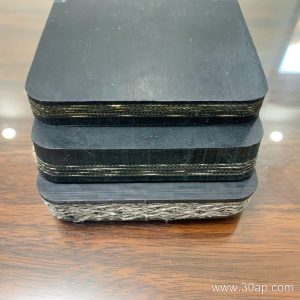
These values are examples; final selection depends on load, speed, and belt tension. A steel cord conveyor belt or heavy-duty mining conveyor belt may require larger rollers and bearings than a lightweight fabric core belt.
Buyer Checklist for Power Plant Applications
- Confirm the belt width and trough angle before choosing roll length and diameter.
- Check the bearing size and seal type against dust and moisture levels.
- For coal handling, specify flame retardant and anti-static properties where required.
- Consider rubber ring impact idlers at transfer points and transition idlers near pulleys.
- Verify that the idler frame or conveyor bracket matches existing mounting dimensions.
- Ask for running torque and balance data if the plant runs at high belt speed.
At sites such as a coal yard or a limestone stockpile, idler performance affects the whole belt line. A worn idler roller can cause belt mistracking, edge damage, and increased power draw. Regular inspection of seals, shell wear, and rotation is more effective than replacing idlers only after failure. For plants using an EP conveyor belt or a multi-ply fabric core belt, idler spacing and roll diameter should follow the conveyor designer’s recommendation. Remember that drive pulleys, tail pulleys, and bend pulleys are separate components, and idlers should not be substituted for them.
Maintenance Practices That Extend Service Life
Keep the idler path clear of spilled coal and ash. Check for seized rollers, which can flat-spot the belt and overload the drive. Lubricate only where the bearing design allows; many modern idlers are sealed for life. Replace damaged rolls in matched sets to maintain uniform support. In high-temperature areas near boilers, use heat resistant idlers and inspect more often. A simple weekly walk-by looking for wobble, noise, or dust buildup can prevent unplanned outages.