What a V-Type Idler Bracket Does
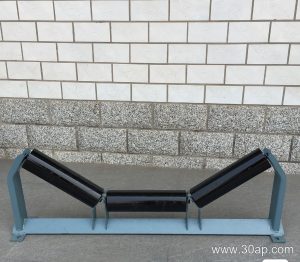
A V-Type Idler Bracket is the return-side support that holds two idler rollers in a shallow V shape beneath the carrying run. Instead of a single flat roller, the bracket positions the rollers at an angle so the belt troughs slightly on its return path. That geometry helps center the belt, shed loose material, and reduce misalignment on long conveyors. In a quarry, a coal handling plant, or a cement kiln line, this small steel assembly often decides whether the return strand tracks quietly or wanders against the frame.
The bracket is not a pulley and should not be confused with one. Drive pulleys, tail pulleys, and bend pulleys transmit or redirect belt tension, while a V-type return bracket simply carries the empty belt. It is also different from a troughing bracket on the carrying side, where three rollers form a deeper trough for bulk material. The V-type unit belongs to the return strand family, alongside flat return brackets and self-aligning return sets.
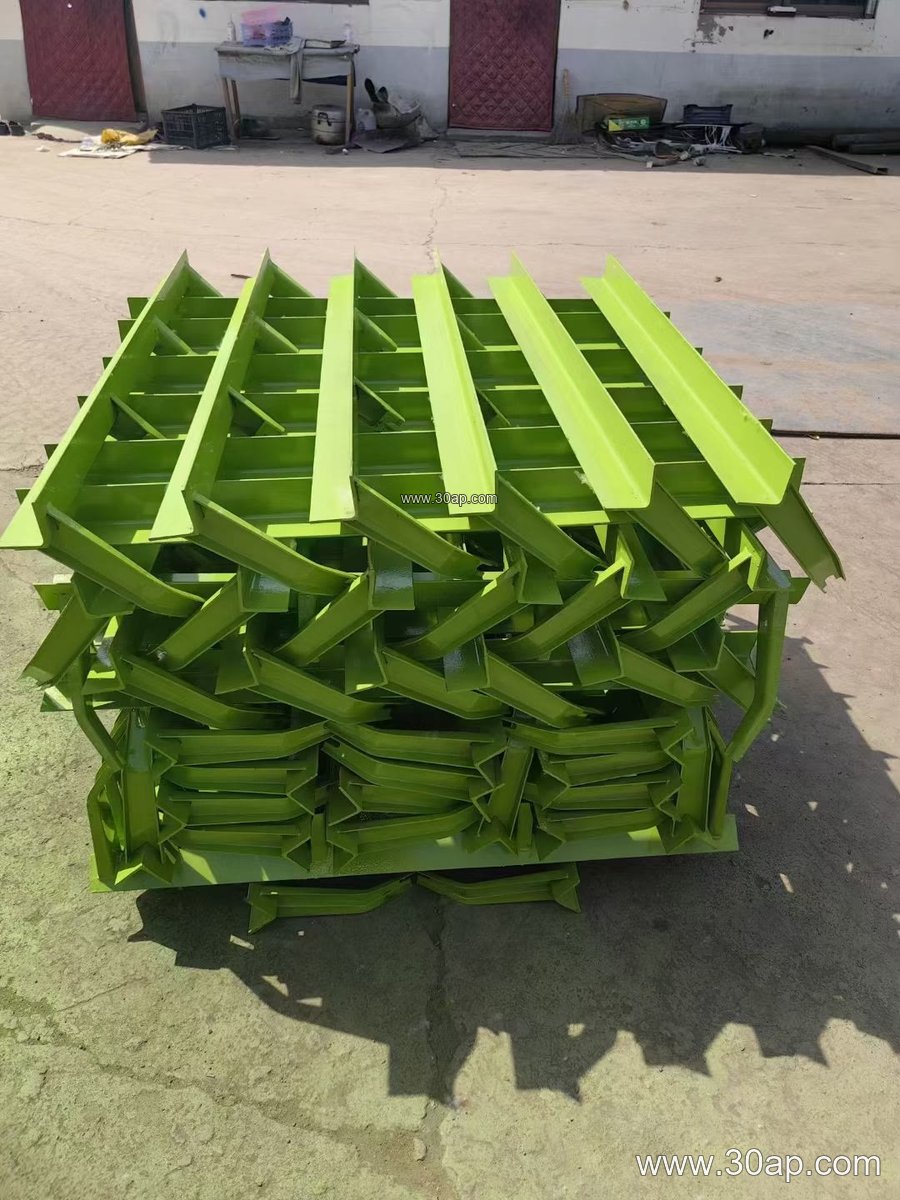
Construction and Fit
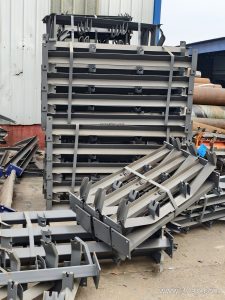
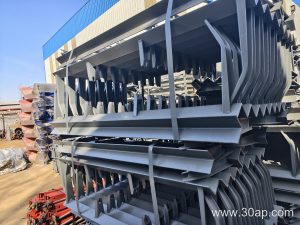
Most V-type brackets are fabricated from angle steel, channel steel, or folded steel plate. Two inclined arms meet at a central low point, and the roller shafts sit in slots or bolt holes at the ends of each arm. The angle between the arms is usually modest, enough to create a slight trough without lifting the belt edges too high. Fabricators weld or bolt the arms to a cross beam that mounts to the conveyor stringer.
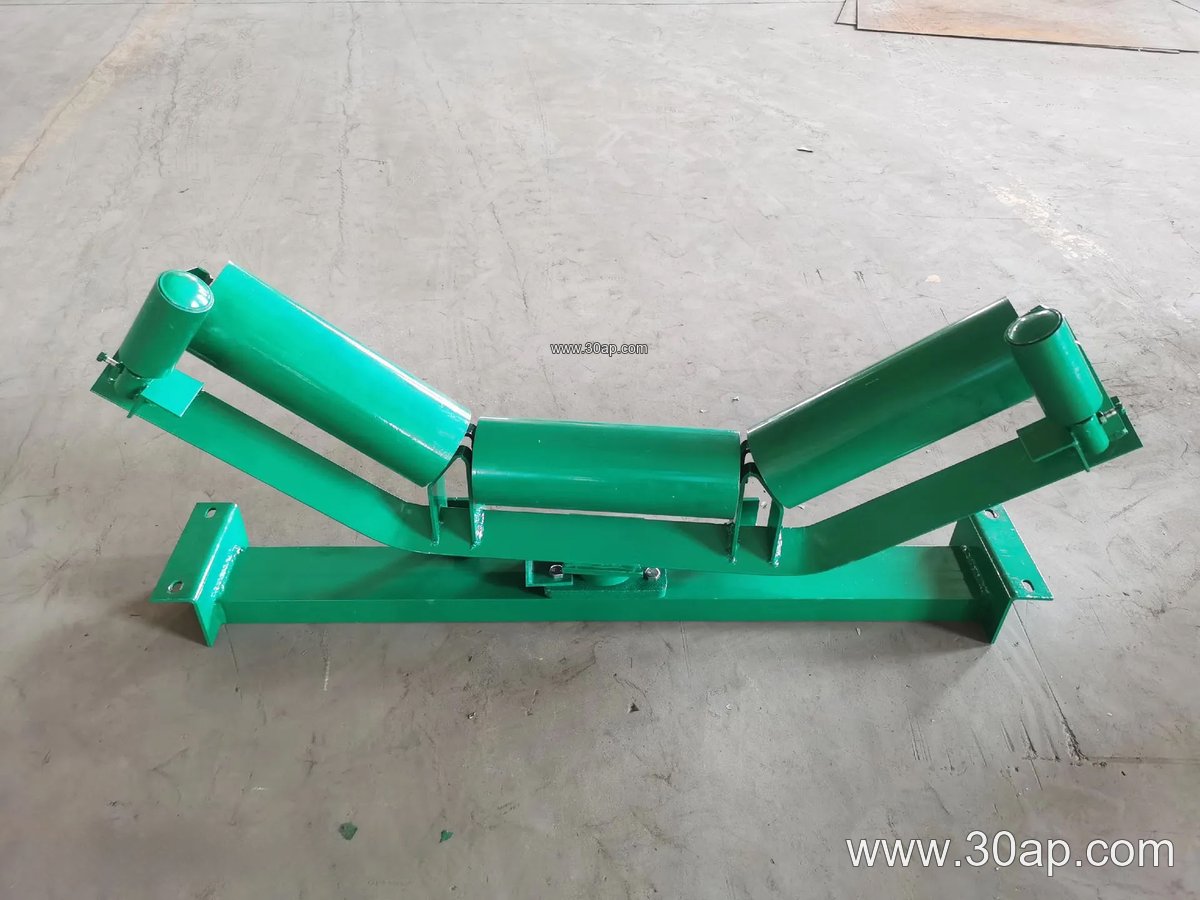
Common forms include fixed and adjustable versions. An adjustable V-type bracket lets maintenance crews change the roller angle or the lateral position to correct belt tracking after installation. Fixed brackets are simpler and often chosen where the belt path is already well controlled. Mounting hole spacing and beam length vary with belt width and design, so buyers should confirm the interface dimensions rather than assume a standard fit.
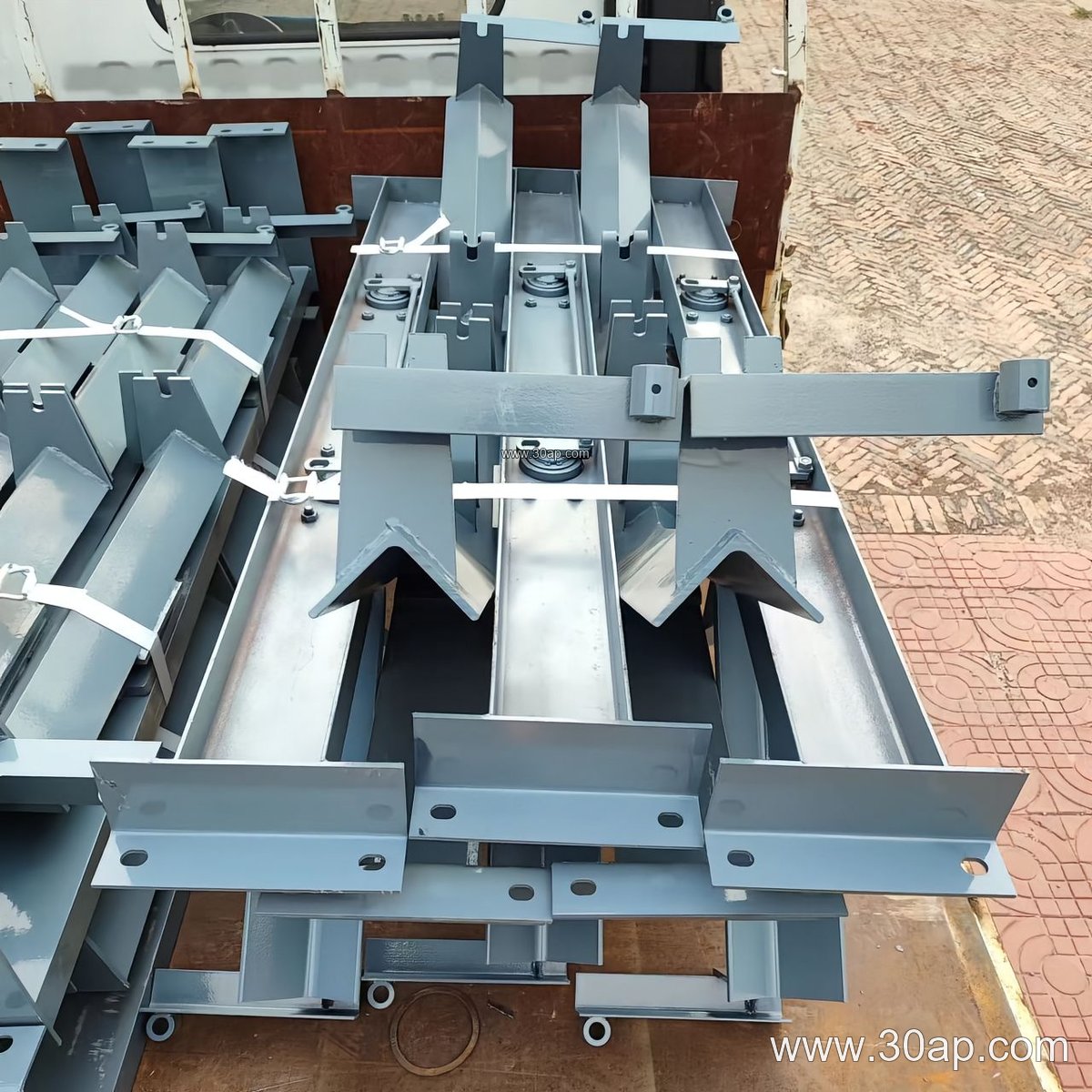
Typical Reference Ranges
The values below are common reference points, not universal specifications. Actual selection depends on belt width, load, and frame design.
| Item | Common Reference |
|---|---|
| Belt width | B500, B650, B800, B1000, B1200, B1400, B1600, B1800 |
| Return roller diameter | Ø89, Ø108, Ø133, Ø159 |
| Bracket material | Angle steel, channel steel, folded plate |
| Mounting | Bolted to stringer; hole spacing by design |
A bracket for a B800 return run may use Ø108 rollers, while a wider B1400 strand might carry Ø133 or Ø159 rollers. These are examples only; no single belt width locks a user into one roller diameter or one arm angle.
Where It Fits on the Conveyor
The V-type bracket is installed on the return side, usually spaced at regular intervals between the head and tail. In a coal mining conveyor or an underground coal mining conveyor, return-side tracking matters because the belt can drift in confined spaces. In a limestone quarry or a crushing and screening line, the V shape helps drop fines that would otherwise build up on flat return rollers. Power plant coal conveyors and steel plant sinter lines also use return brackets to keep the belt centered under variable load.
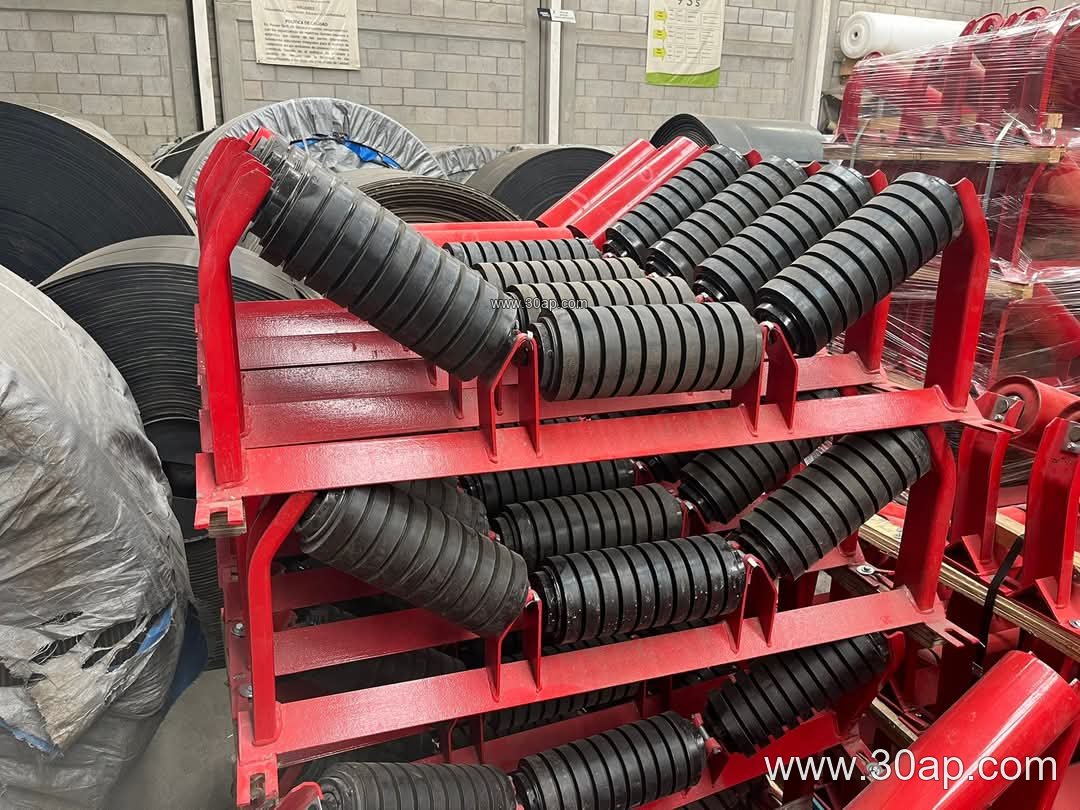
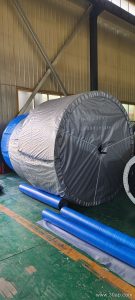
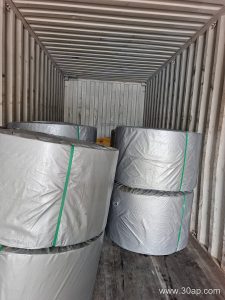
It works together with the conveyor belt, idler roller, and conveyor pulley. A well-aligned return bracket reduces edge wear on a rubber conveyor belt and lowers the chance of belt damage near the tail pulley. On a long overland run with an EP conveyor belt or a steel cord conveyor belt, consistent return support also protects splice life.
Buyer Checklist
- Confirm belt width and the return roller diameter the frame is drilled for.
- Check whether the bracket is fixed or adjustable, and how much correction the adjustable version allows.
- Match the mounting hole pattern and cross beam length to the existing stringer.
- Ask about material thickness and surface treatment for dusty or wet sites.
- Consider the environment: a coal mining conveyor may call for flame retardant conveyor belt compatibility and easy cleaning, while a port or aggregate yard may prioritize corrosion resistance.
Spare brackets are inexpensive compared with belt replacement, so keeping a few on hand for a busy crusher conveyor or cement plant conveyor is practical. For related return components, buyers often compare the V-type bracket with a flat return bracket and a self-aligning return set before choosing the layout that suits the conveyor frame.