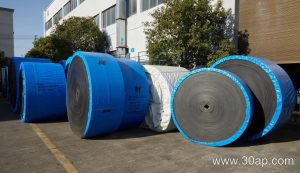
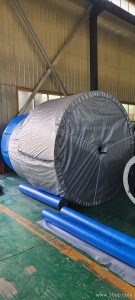
What a Metallurgical Conveyor Pulley Does
A metallurgical conveyor pulley is the cylindrical rotating component that transmits motion to the conveyor belt in metallurgical plants, mines, quarries, and bulk material handling systems. Unlike a simple idler roller that only supports the belt, this pulley carries the full tension load and must be engineered for high torque, heavy impact, and harsh operating conditions. In a typical crushing and screening circuit at an iron ore mine or a sinter plant, the metallurgical conveyor pulley works alongside idler rollers and conveyor brackets to keep the belt tracking correctly and moving efficiently.
These pulleys are commonly found in head drive positions, tail take-up locations, and bend points where the belt changes direction. A drive pulley at the discharge end of a conveyor in a copper ore concentrator must handle starting torque and continuous load, while a tail pulley at the loading zone absorbs impact from falling ore. The same component may be called a conveyor drum or belt pulley, but the metallurgical designation emphasizes the demanding service environment.
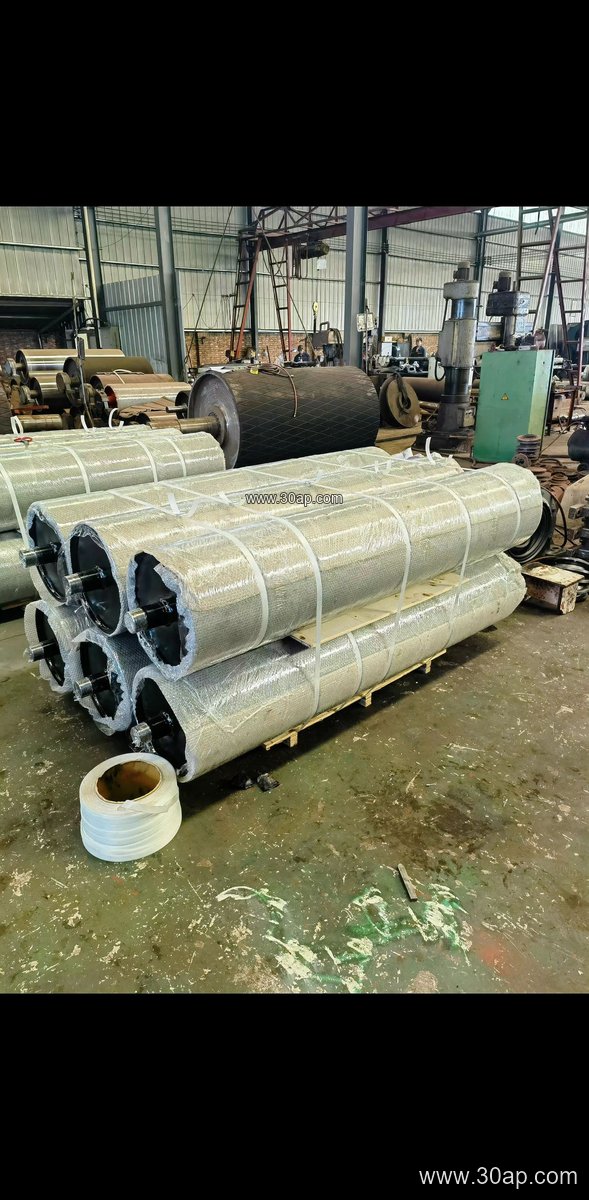
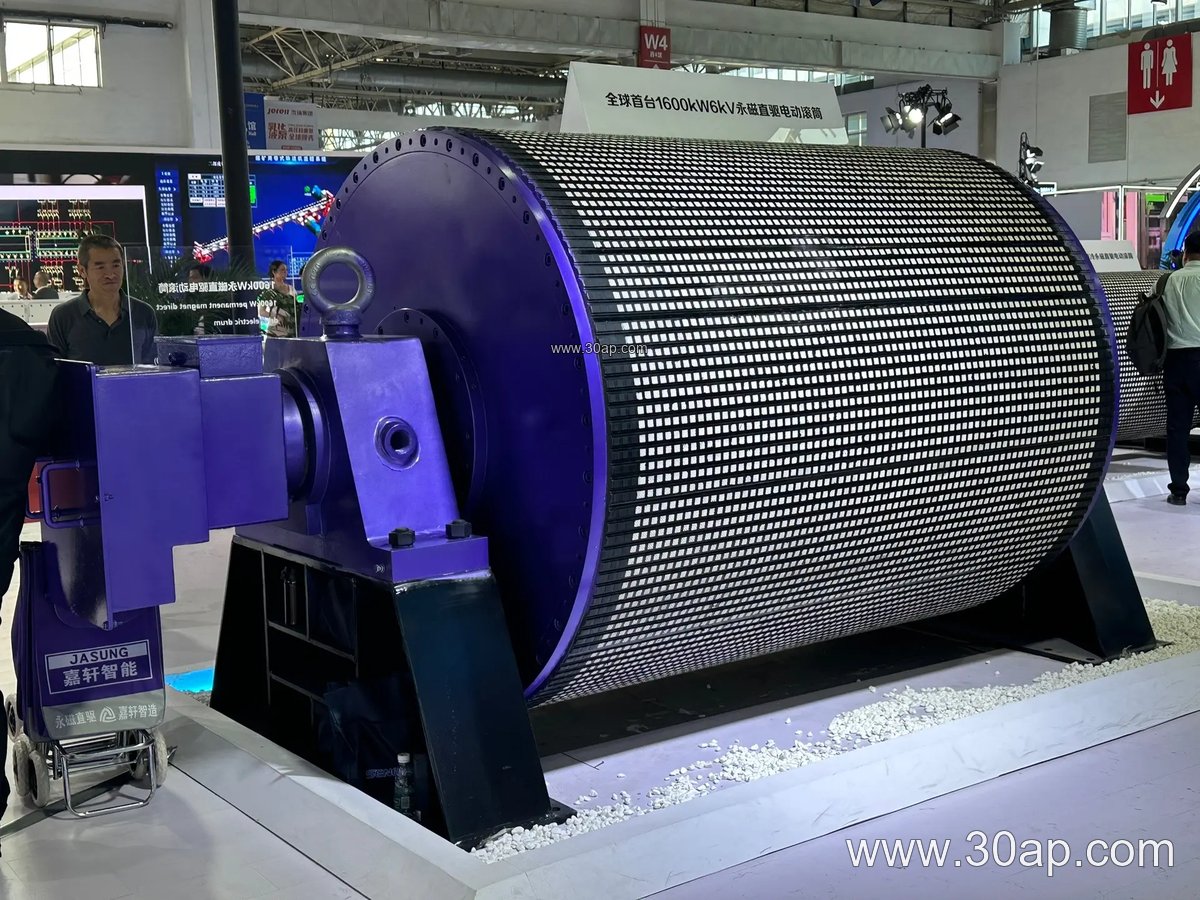
Construction and Surface Options
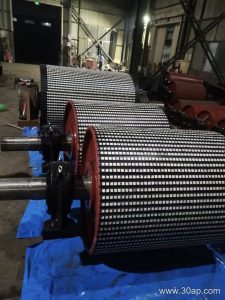
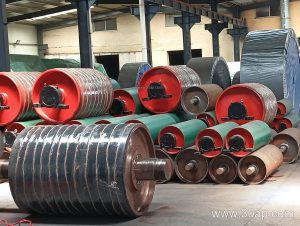
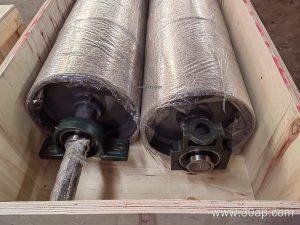
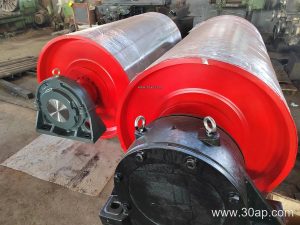
The basic structure includes a steel shell, end discs, a shaft, and bearing housings. The shell is usually machined to ensure concentricity, and the surface may be left plain or covered with rubber, ceramic, or other lagging. Surface form matters for grip and wear life. Common options include:
- Plain surface for light duty or where slippage is not a concern
- Cast rubber lagging for general purpose grip
- Cold-bonded rubber or hot-vulcanized rubber for heavy-duty service
- Diamond grooved lagging to improve traction in wet conditions
- Ceramic lagging for high abrasion environments such as iron ore transfer points
Lagging thickness often ranges from 8 mm to 20 mm, depending on the belt tension and material carried. The pulley face width is typically wider than the belt to allow for misalignment; for example, a B1200 belt may run on a pulley with a 1400 mm face. Diameters vary widely, from Ø200 for small tail pulleys to Ø1800 for large drive pulleys in high-capacity systems. Shaft diameters are selected by torque and load calculations, not by belt width alone, with common sizes including Ø80, Ø100, Ø120, and Ø160.
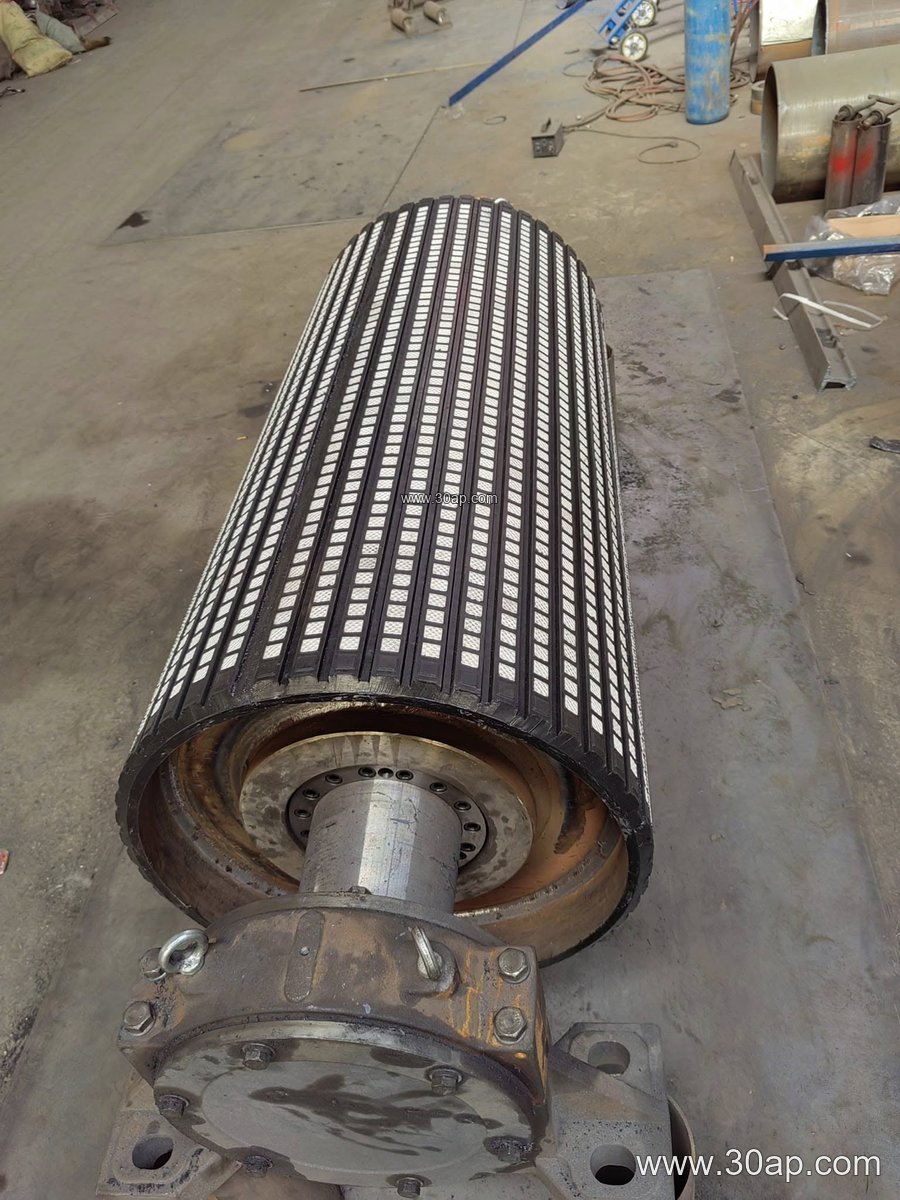
Where Metallurgical Conveyor Pulleys Are Used
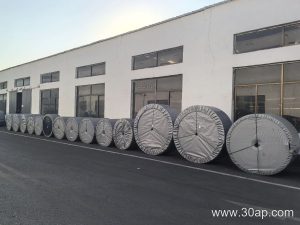
In a coal washing plant, flame retardant conveyor belts and fire resistant conveyor belts require pulleys with anti-static properties and reliable lagging to prevent slip. In a cement plant, heat resistant conveyor belts carry clinker at elevated temperatures, so the pulley bearings and lagging must tolerate heat radiation. At a port handling bulk materials, wide conveyor belts up to 2200 mm may run over large drive pulleys with ceramic lagging to maintain grip during ship loading. The same pulley type appears in aggregate plants, power plant coal handling, and steel mill sinter lines.
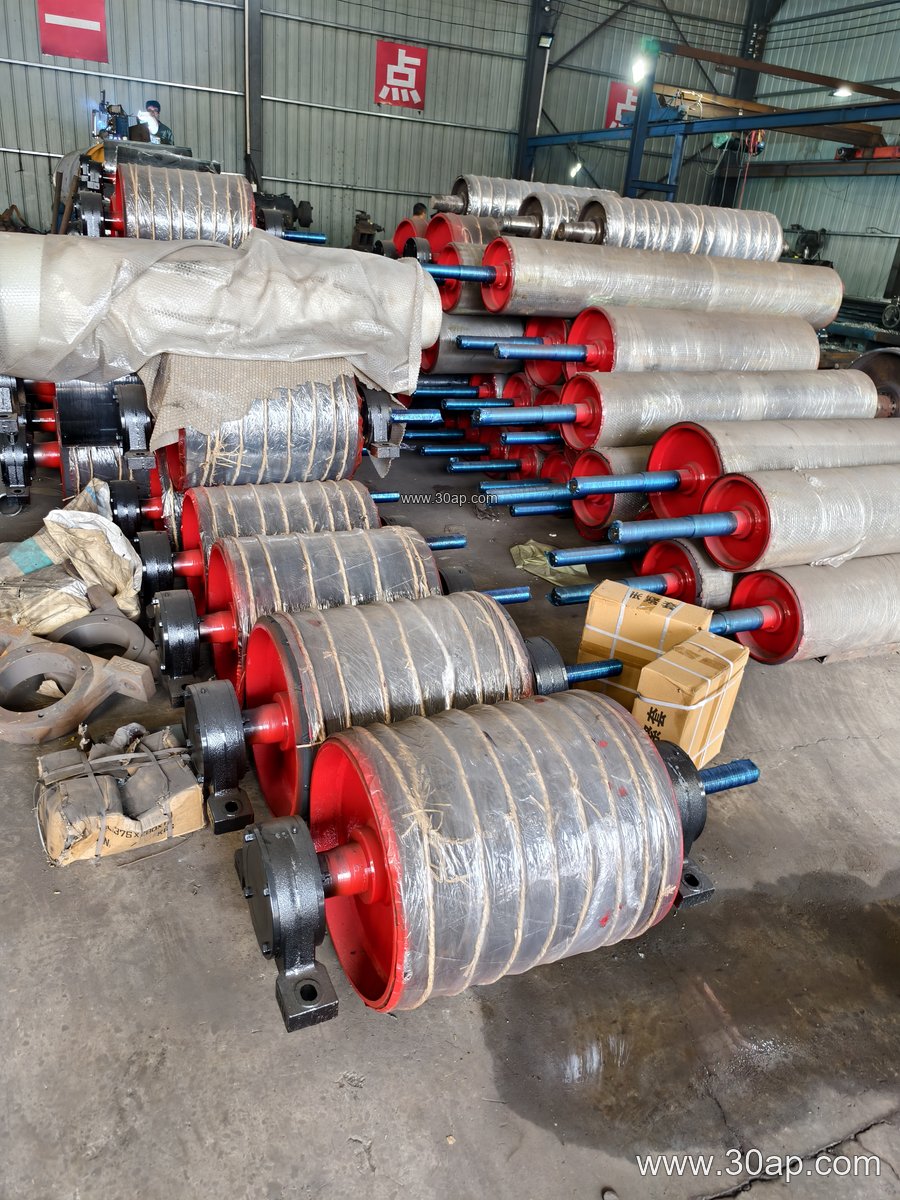
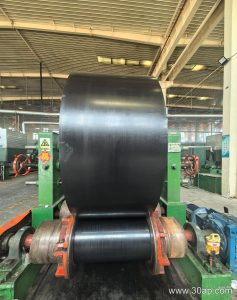
When specifying a metallurgical conveyor pulley, consider the belt type it will run with. A steel cord conveyor belt demands a pulley with sufficient diameter to avoid excessive bending stress, while a fabric core conveyor belt may allow a smaller diameter. The pulley must also match the conveyor bracket mounting dimensions and the shaft bearing size. For a quarry conveyor belt carrying sharp rock, abrasion resistant lagging helps extend service life. In cold climates, cold resistant conveyor belts and pulleys with low-temperature rubber lagging prevent cracking.
Selection and Maintenance Notes
Buyers should confirm the belt width, pulley diameter, shaft size, lagging type, and bearing arrangement. A B800 conveyor belt may run on a Ø500 pulley in one installation and a Ø630 pulley in another, depending on belt tension and wrap angle. Do not assume a fixed relationship between belt width and pulley diameter. For a heavy-duty mining conveyor belt, a larger shaft and reinforced shell are often necessary. Regular inspection of lagging wear, bearing temperature, and shaft alignment helps avoid unplanned downtime. In a sand making plant or stone crushing line, pulley maintenance is as important as idler roller inspection for keeping the belt centered.
Finally, the metallurgical conveyor pulley should be matched to the conveyor belt’s tension rating and the material’s impact characteristics. Whether the application is an underground coal mining conveyor belt or a pipe conveyor belt, the pulley’s design must support the belt without causing edge damage. Consult the conveyor design manual for exact load calculations and choose lagging and diameter based on duty, not on a single size rule.