What a Conveyor Self-Aligning Idler Does
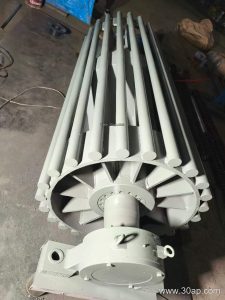
A conveyor self-aligning idler is a training idler designed to keep the conveyor belt centered on the conveyor structure. It responds to belt misalignment by pivoting or skewing slightly, which creates a corrective force that steers the belt back toward the center line. This type of idler is often called a self-training idler or belt training idler, and it is used on both the carrying and return sides of a conveyor. Unlike a standard carrying idler, which mainly supports the belt and material load, the self-aligning design adds a steering function. It is not a substitute for a bend pulley or a tail pulley; those are conveyor pulleys that change belt direction, while the self-aligning idler works along the belt line to correct tracking.
Construction and Common Forms
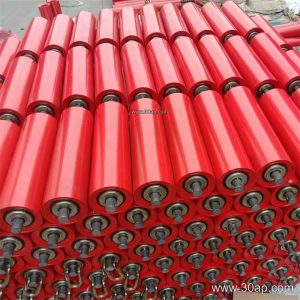
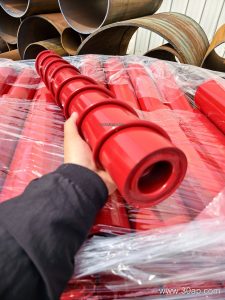
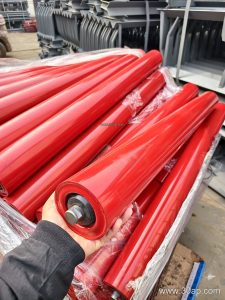
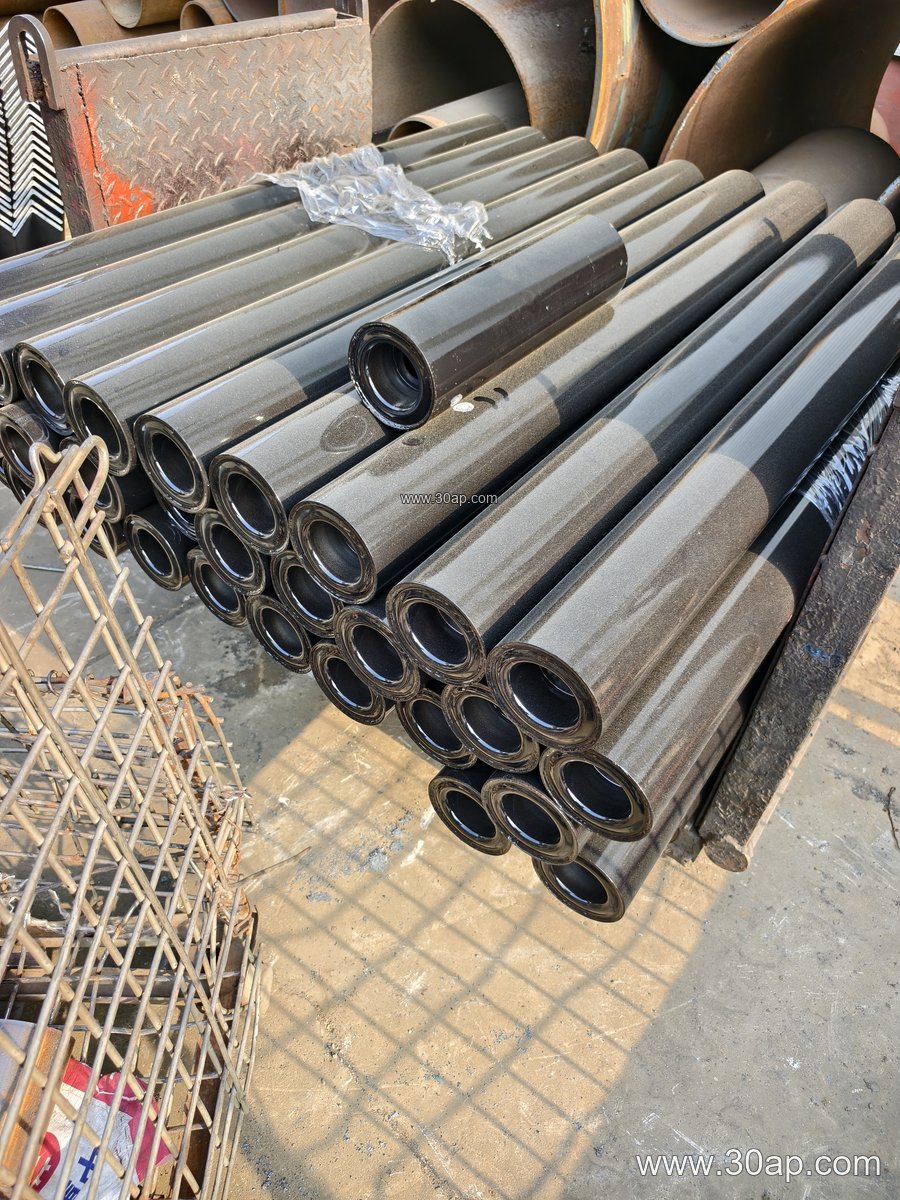
Most self-aligning idlers use a sturdy frame that allows the roller set to rotate slightly around a vertical pivot. The idler roller itself may be a steel tube, nylon, ceramic, or rubber-covered version, depending on the duty. Common roll diameters include Ø89, Ø108, Ø127, Ø133, Ø159, and Ø178 mm, and the frame is often matched to belt widths such as B650, B800, B1000, B1200, and B1400. The roller length changes with belt width and trough angle; for example, a three-roll troughing set on a B800 belt may use rolls around 315 mm long, while a B1200 set may use rolls near 465 mm. These are common examples, not fixed rules, and the final size is set by the conveyor design. Bearings such as 6205, 6305, 6306, and 6308 are frequently used, but no single bearing is tied to one roll diameter. The pivot mechanism may be friction-based or use tapered rollers, which is why you may see the terms friction self-aligning idler and tapered self-aligning idler.
Where It Is Used
Self-aligning idlers are common in quarry conveyor belts and aggregate lines where material loading is uneven and belts tend to wander. They also appear in cement plants, power plant coal handling, and sand and gravel operations. In a stone crushing line, a self-aligning idler on the return side can help control a belt that has been disturbed by a crusher discharge. In a coal mining conveyor or underground mining conveyor, training idlers are often placed after curves and transfer points. They are also used with EP conveyor belt and steel cord conveyor belt constructions, provided the belt is suitable for the idler arrangement. Other belt types, such as flame retardant conveyor belt or heat resistant conveyor belt, may be used in the same plants, but the idler selection should follow the belt and load conditions.
Selection and Sizing Notes
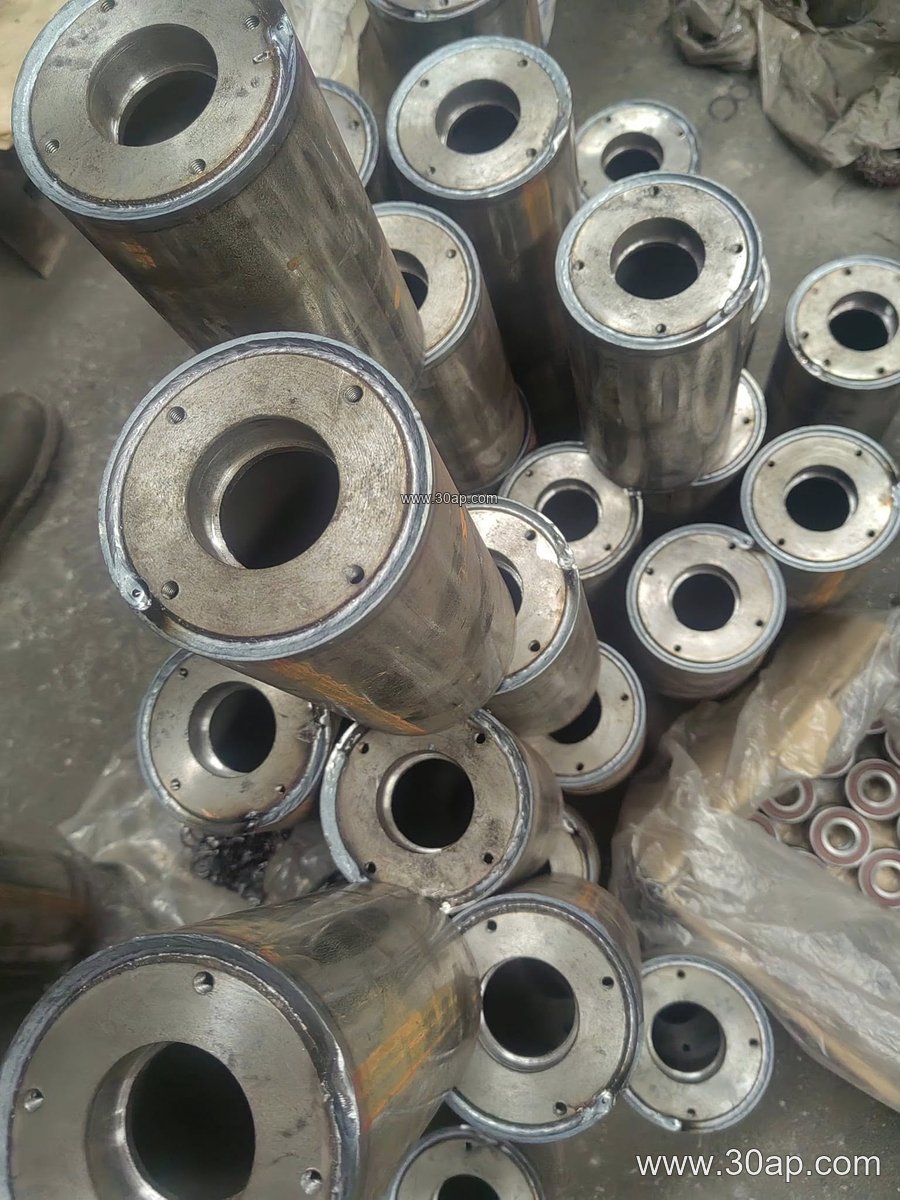
Buyers should match the self-aligning idler to belt width, trough angle, and the amount of misalignment expected. Common trough angles are 20, 30, 35, and 45 degrees, and a slight forward tilt of about 1.5 to 2 degrees is sometimes used in training idler designs. The idler set may be a two-roll or three-roll troughing arrangement on the carrying side, while return-side training idlers often use a V-return or flat form. Roll diameter should be chosen with belt speed and load in mind, not copied from a neighboring conveyor. A B1000 belt, for instance, may use a 380 mm roll in a three-roll set, but the same belt width can be paired with different pulley diameters and different idler roll diameters depending on the design. The conveyor bracket and frame must also suit the idler spacing and structure.
Maintenance and Practical Advice
Check the pivot for free movement and inspect the roller surface for build-up or wear. A self-aligning idler that cannot pivot will not correct tracking, and a worn roller can damage the belt edge. Keep the belt cleaner and the structure aligned, because training idlers correct small deviations, not major structural faults. When replacing idlers, confirm the roll diameter, bearing size, and frame mounting rather than assuming one size fits every conveyor. For heavy-duty mining conveyor belt or high abrasion resistant conveyor belt service, choose a robust frame and suitable roll surface. For port conveyor belt or ship loading conveyor belt applications, consider corrosion protection and easy access for inspection. The self-aligning idler is a small component, but correct selection and maintenance help reduce belt edge damage and downtime.