What a Tail Pulley Assembly Does
A tail pulley assembly is the return-end rotating group of a belt conveyor. It sits at the far end from the drive, supports the conveyor belt as it turns back toward the load zone, and often carries the tensioning function that keeps the belt tracking and gripping the drive pulley. In a quarry or a coal handling plant, this assembly is frequently the anchor point for a screw or gravity take-up, so its alignment affects the whole conveyor line.
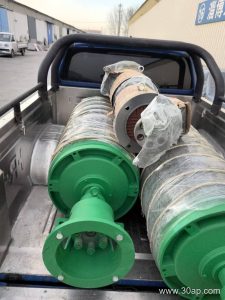
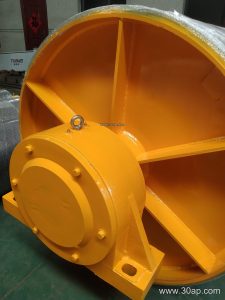
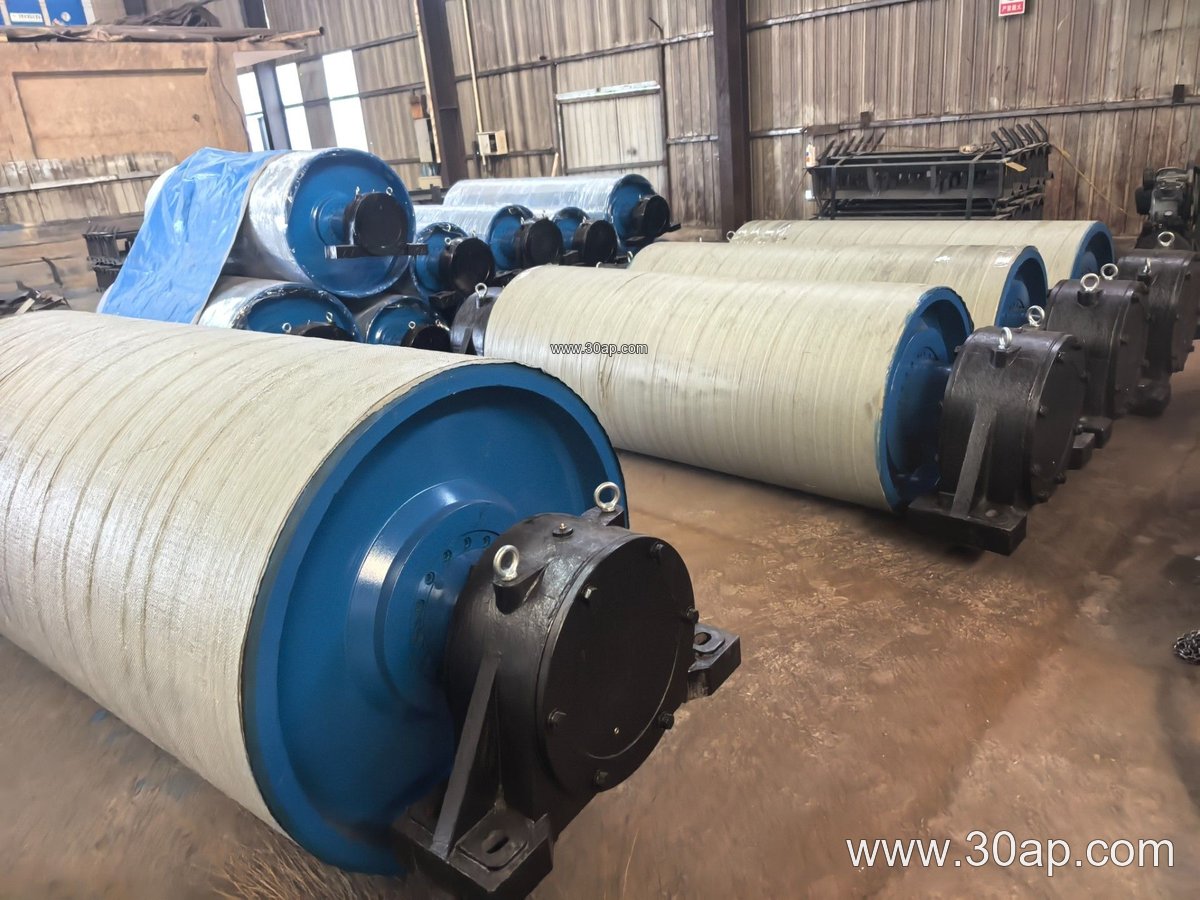
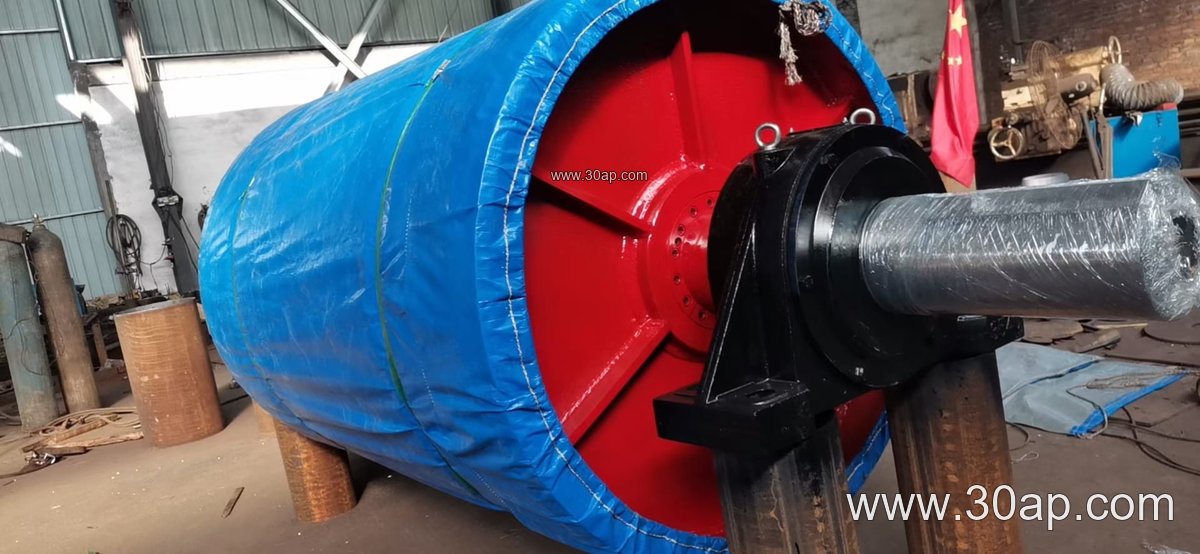
The assembly is not simply a bare shell. It normally includes the pulley body, shaft, bearing housings, seals, and a support frame that bolts to the conveyor bracket. Depending on the design, it may also include a take-up slide base, a scraper or plow, and a guard. Treating it as one matched unit helps buyers avoid mismatched bearings and shafts.
Construction Details
The pulley body is usually a welded steel drum with dished or flat end plates, machined hubs, and a through shaft. Bearing selection follows the calculated load and torque rather than the belt width alone, so shaft diameters such as Ø80, Ø100, or Ø120 mm should be confirmed against the actual conveyor duty. Common shell diameters for this position include Ø315, Ø400, Ø500, and Ø630 mm, while wider belts in a port or iron ore terminal may use Ø800 mm or larger.
Face width is normally a little wider than the belt. A B800 belt is commonly matched with a face around 950 mm, and a B1200 belt with about 1400 mm. These are reference proportions, not fixed rules, and a designer may choose differently for a specific transition or wrap angle.
Surface Options
- Plain finish for clean, low-tension return positions
- Diamond or herringbone lagging to improve tracking on wet belts
- Rubber lagging of 8 to 15 mm for general grip and wear protection
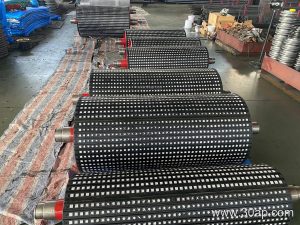
- Ceramic lagging where abrasive fines and slip are both concerns
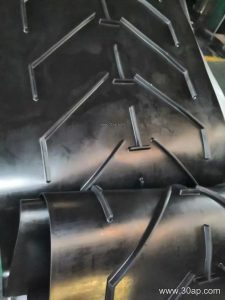
The lagging choice should match the belt surface. A rough, heavily abrasion resistant conveyor belt may wear plain steel quickly, while a smooth EP conveyor belt can run well on a lightly lagged tail drum.
Where It Fits in the Plant
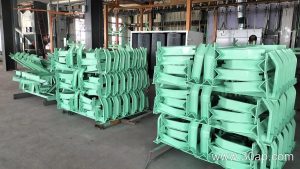
Tail pulley assemblies appear across bulk handling: a limestone quarry discharge conveyor, a cement plant clinker transport line, a power plant coal yard, a copper ore transfer house, and a sand and aggregate washing circuit. In each case the assembly works with the conveyor belt, idler roller sets, and conveyor bracket structures to keep the return strand stable.
In dusty or wet locations, sealing quality matters as much as shell thickness. A poorly sealed bearing housing lets grit into the raceway, and the resulting wobble quickly damages the belt edge. For underground coal mining conveyor belt duties, flame retardant conveyor belt grades and anti-static conveyor belt grades are often specified, and the tail assembly should be built to the same safety expectations.
Selection Points for Buyers
Start with the belt width, then confirm the required diameter from the wrap angle and belt stiffness. A B650 belt on a short transfer may use Ø320 mm, while a B1400 belt on a long overland run may need Ø800 mm or more. Do not assume one belt width locks in one pulley diameter.
Other checks include:
- Shaft diameter and bearing type, based on torque and radial load
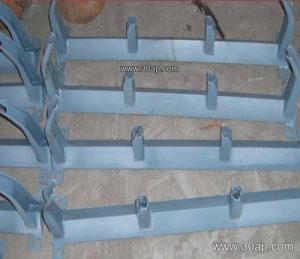
- Take-up travel and mounting interface with the conveyor bracket
- Lagging type and thickness, plus whether a crown is needed
- Balance class and runout for higher-speed belts
- Compatibility with the belt, such as a pipe conveyor belt or a corrugated sidewall conveyor belt that needs a specific transition
For heavy-duty mining conveyor belt service, specify a robust shaft and bearing set, and ask for the assembly to be delivered with alignment marks. This reduces installation time and helps the maintenance team keep the tail drum square to the frame.
Maintenance Notes
Inspect lagging wear, check bearing temperature, and confirm that the take-up slides freely. A tail pulley assembly that is allowed to run out of square will pull the belt to one side, and the operator may wrongly blame the idler roller frames. Keep the scraper adjusted and clean the return strand so that carryback does not build up on the drum face.
When replacing the assembly, record the shell diameter, face width, shaft size, and lagging type before removal. These details make the next order straightforward and keep the conveyor running at its intended capacity.