What the Upper Self-Aligning Idler Does
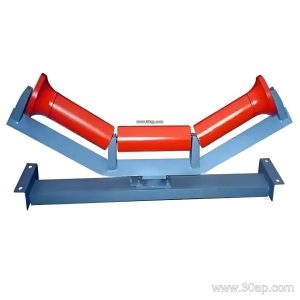
An upper self-aligning idler is a carrying-side idler that corrects belt drift before it becomes a problem. Mounted on the load-carrying run, it sits in a frame that allows the roller set to pivot slightly about a vertical axis. When the conveyor belt wanders to one side, the offset load and the resulting friction turn the idler set into the direction of travel, and the angled rollers steer the belt back toward the center line. In a quarry, a cement plant, or a power plant coal yard, this small correction saves a lot of edge damage, spillage, and downtime.
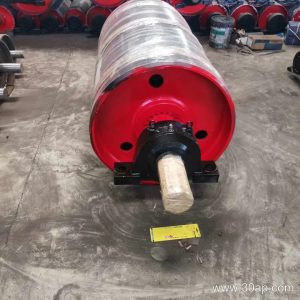
The same product is also called a self-aligning carrying idler or a training idler on the upper run. Those names describe one item, not a different type of roller. Drive pulleys, tail pulleys, and bend pulleys are separate components and are never interchangeable with this idler.
Construction Details That Matter
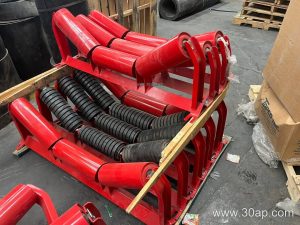
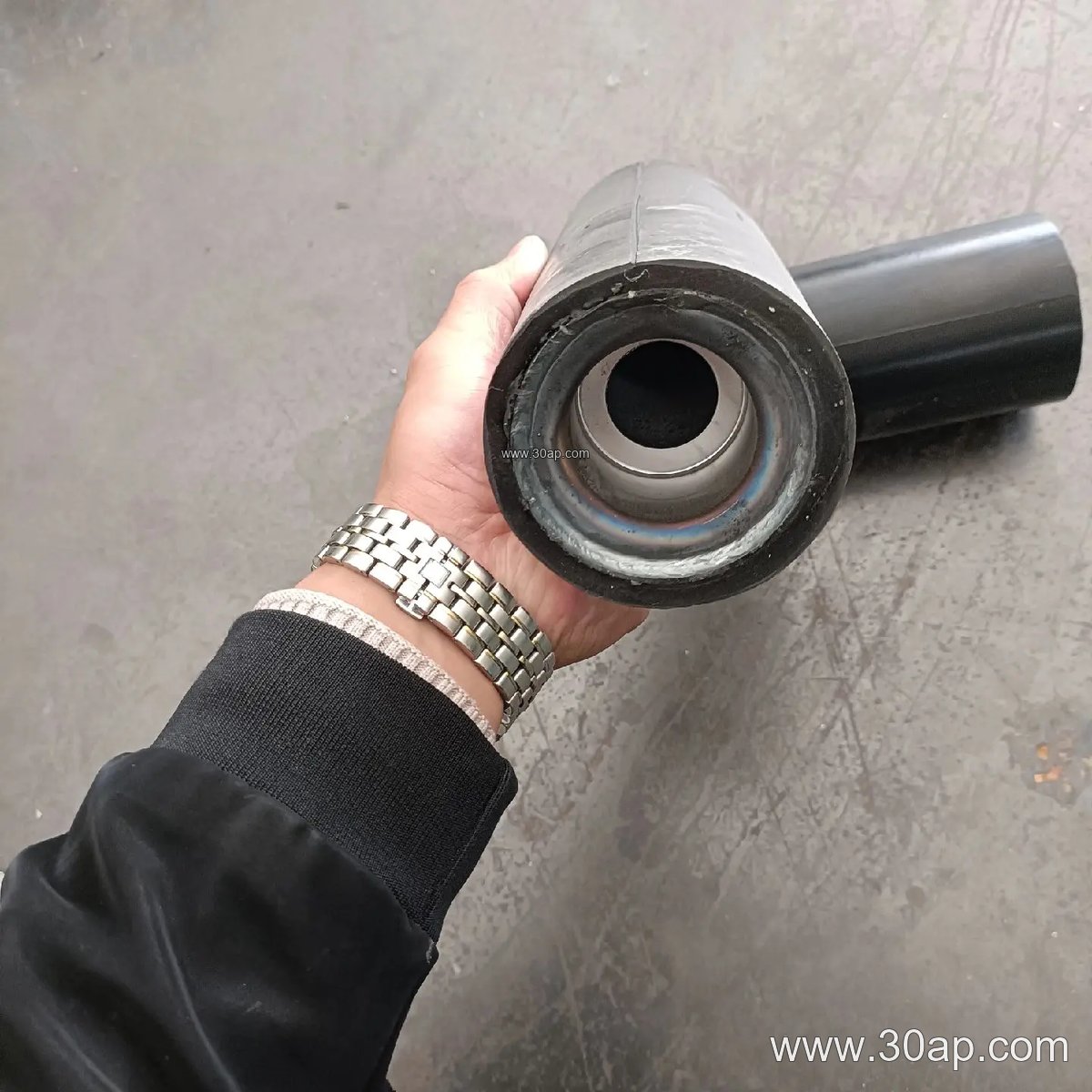
A typical unit combines a three-roll trough set with a pivoting base, a vertical pivot pin, and a linkage or stop arrangement that limits rotation. The rolls are usually made of steel tube with sealed bearings; rubber rings, nylon, or ceramic covers are options where build-up or wear is severe. Common roll diameters include Ø89, Ø108, Ø127, and Ø159, and trough angles of 20, 30, 35, or 45 degrees are used according to the material and belt width. A slight forward tilt of about 1.5 to 2 degrees is often built in to help the training action.
The pivot must move freely but not loosely. Dust, grit, and moisture are the usual enemies, so seals and grease points deserve attention. On a long overland conveyor carrying abrasive ore, or on a coal mining conveyor belt with fine dust, a stiff pivot will simply not correct anything.
Where It Fits on the Conveyor
Placement is part of the design. Upper self-aligning idlers are commonly installed at intervals along the carrying run, and more densely near the head, at curves, and after loading points where the belt is most likely to shift. They are not a substitute for correct pulley alignment, proper belt splicing, or evenly loaded chutes. In a stone crushing line or an aggregate conveyor belt system, one or two well-placed training idlers after the crusher discharge often do more than a long row of them.
For comparison, a return-side training idler handles drift on the empty run, and a buffer idler absorbs impact at the load point. Each has its own job; the upper self-aligning idler is the one that guides the loaded belt.
Common Sizes and Reference Data
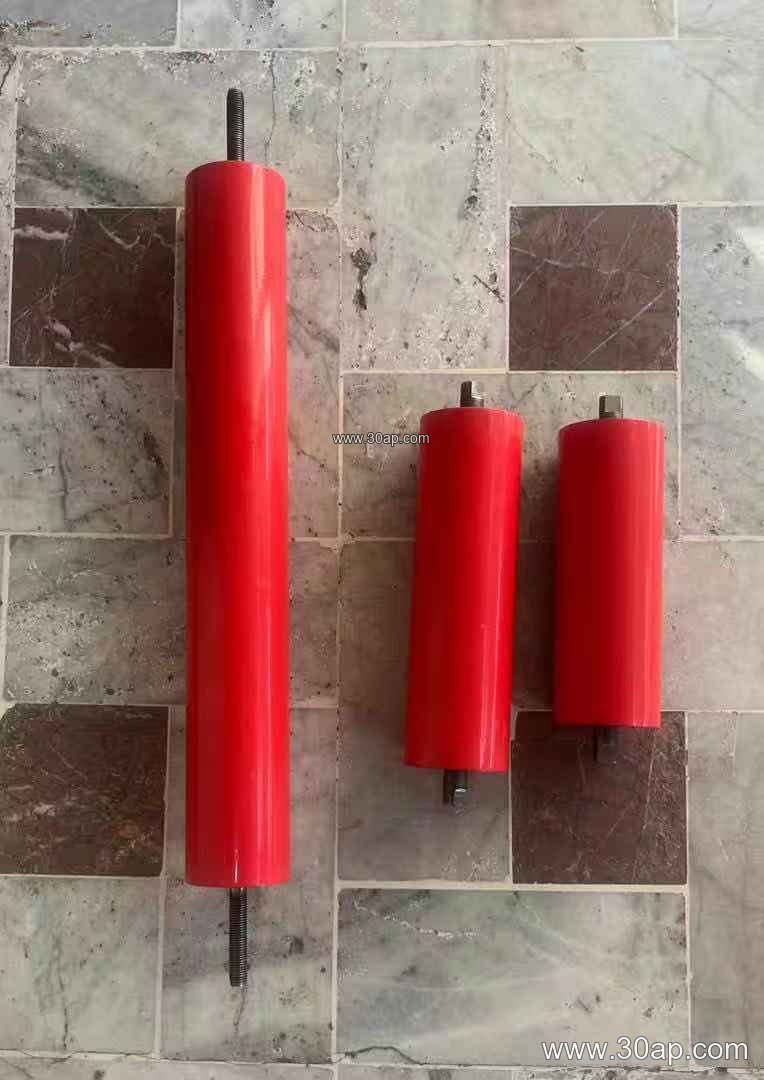
Roll length follows belt width, trough angle, and the roll arrangement. The figures below are typical references, not fixed pairings; side rolls and center rolls can differ, and final dimensions should be confirmed by design.
- B500 belt: roll length about 200 mm, roll diameter often Ø89
- B650 belt: roll length about 250 mm, roll diameter often Ø89 or Ø108
- B800 belt: roll length about 315 mm, roll diameter often Ø108
- B1000 belt: roll length about 380 mm, roll diameter often Ø108 or Ø127
- B1200 belt: roll length about 465 mm, roll diameter often Ø127 or Ø133
- B1400 belt: roll length about 530 mm, roll diameter often Ø133 or Ø159
- B1600 belt: roll length about 600 mm, roll diameter often Ø159
- B1800 belt: roll length about 670 mm, roll diameter often Ø159 or Ø178
- B2000 belt: roll length about 750 mm, roll diameter often Ø178 or Ø194
Bearings such as 6205, 6305, 6306, 6308, and 6310 appear across these sizes. A single bearing number is not tied to one roll diameter, and a given belt width does not dictate one pulley diameter. Buyers should match bearing selection to load and speed rather than to a catalog row.
Buying and Maintenance Notes
Ask for the pivot design, seal type, and bearing size, and check that the frame matches your existing conveyor bracket spacing. For a heavy-duty mining conveyor belt carrying iron ore or copper ore, specify thicker tube walls and reinforced seals. For a food or fertilizer line, consider whether the roller surface and lubricants suit the environment. During operation, inspect for belt edge wear, material build-up on the rolls, and a pivot that no longer returns freely. A quick clean and re-grease schedule keeps the training action reliable.
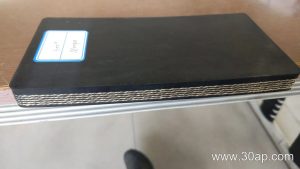
Used together with a properly specified rubber conveyor belt or EP conveyor belt, a well-chosen upper self-aligning idler keeps the load centered and the belt life longer, whether the line runs in a sand and gravel plant or a port ship loader.